
8 diseases that require avoiding peanuts
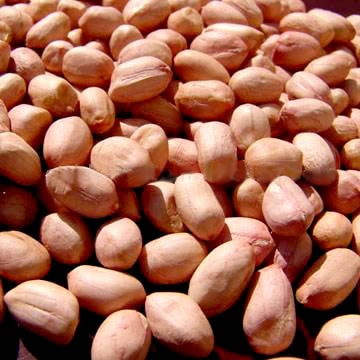
Peanuts are known as a highly nutritious food, enjoyed by many. While peanuts are good for you, they're not suitable for everyone. So, who should avoid eating peanuts?
People with conditions such as gout, high cholesterol, diabetes, stomach ulcers, or those who have had their gallbladder removed should limit their peanut consumption, as peanuts can negatively impact their health or even threaten their lives.
- People with high cholesterol
Peanuts contain a large amount of fat. For people with high blood pressure, eating peanuts will increase the average fat level in their blood. Increased blood fat levels are associated with atherosclerosis and high blood pressure, which is very harmful to the body.
- People with gout
Gout is caused by a disorder in uric acid metabolism, leading to an increase in uric acid levels in the blood. A diet high in fat reduces uric acid excretion, which tends to worsen the condition. Peanuts, being high in fat and protein, are not suitable for gout patients to consume in large quantities.
- People with diabetes
Daily energy intake needs to be controlled. For example, daily cooking oil consumption should not exceed 3 teaspoons (30g), while 18 peanuts are equivalent to one teaspoon of oil (10g), approximately 90 kilocalories. Therefore, diabetic patients should also avoid eating too many peanuts.
- People who are trying to lose weight
Peanuts are high in calories and fat, especially fried peanuts, which double in calories. Therefore, people who intend to lose weight should avoid peanuts.
 |
- Gallbladder removal
Peanuts are high in fat, so they require a large amount of bile to digest. People who have had their gallbladder removed may not have enough bile to aid digestion when eating peanuts, leading to digestive problems.
- People with weak spleen and loose stools.
Because peanuts are high in fat, people with weak spleens who suffer from enteritis, dysentery, or poor digestion may experience diarrhea and diarrhea, which is not beneficial to their health.
- People who are easily angered
Peanuts are sweet and have a warming nature. People with oral inflammation, tongue inflammation, mouth and tongue ulcers, nosebleeds, etc., caused by internal heat and inflammation, will experience increased heat after eating peanuts, worsening their condition and making breathing more difficult.
- People with stomach problems
These patients suffer from chronic abdominal pain, diarrhea, indigestion, and other symptoms. Eating peanuts and other nuts, which are high in protein and fat, can be difficult to digest and absorb. Therefore, these patients should avoid eating peanuts.
Benefits of peanuts
Good for the heart: A large number of studies have shown that peanuts, peanut butter, and other peanut products help protect the heart and are effective in preventing cardiovascular diseases.
Preventing aging: Peanuts contain natural polyphenols which, in addition to reducing platelet aggregation and protecting the heart, also have excellent anti-aging effects.
Good for bones: Peanuts also contain small amounts of calcium and vitamin D. Both work together to strengthen bones, including dental health.
Preventing gallstones: Researchers have found that people who eat at least 58 grams of peanuts or peanut butter each week may reduce their risk of developing gallstones by 25%.
Memory enhancement: Several studies suggest that eating peanuts can improve brain health. This is because peanuts contain a lot of vitamin B6, also known as niacin. This substance helps the brain function normally and enhances memory.
Good for sex: Peanuts contain a lot of nitric oxide. This component stimulates guanylate cyclase to break down guanosine triphosphate into cyclic guanosine monophosphate. These substances increase the ability to maintain an erection for longer than usual. Therefore, men who want to improve their sexual performance should increase their peanut intake.
Cancer prevention: Beta-sitosterol, found in some vegetable oils such as soybean and peanut oils, not only helps fight cardiovascular disease by interfering with cholesterol absorption, but also combats cancer by inhibiting cell growth.
According to Alobacsi.vn


