
8 Nutritional Principles Wise Mothers Should Know
To ensure their children develop fully and always stay healthy, exemplary mothers cannot ignore these 8 valuable nutritional tips.
1. Breast milk
The first valuable nutritional advice we want to give mothers is to breastfeed. Breast milk is the best, most nutritious, and most easily absorbed food. That's why the World Health Organization (WHO) recommends that mothers breastfeed immediately after birth and exclusively breastfeed for the first six months.
Nutritionists also advise mothers not to wean their children before they are 12 months old, and if possible, to continue breastfeeding until 18-24 months.
2. Diverse menu
All wise mothers know that each food has only one function and provides certain vitamins, while a baby needs a variety of nutrients to meet their brain and body development needs. Therefore, mothers need to combine many types of food and change meals frequently to keep their babies interested in eating.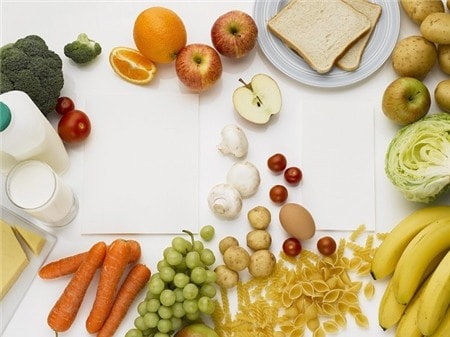
If a mother focuses on feeding her child only certain types of food, it can lead to an excess of some nutrients and a deficiency of others, causing negative effects on the child's development.
3. Milk and dairy products
Every mother understands the importance of milk and dairy products for a child's development. However, excessive and irregular milk consumption can cause unforeseen harm to a child's development.
According to nutritionists, children aged 1-3 years should drink about 500ml of cow's milk (prepared according to formula); children over 3 years old should drink about 300-400ml. Although milk is very good for children, focusing solely on milk is not enough. Children need a diverse diet of natural foods through the preparation of porridge, gruel, and rice, in order to provide all the necessary nutrients to meet their developmental needs.
The nutrients (vitamins, minerals) added to milk only meet a portion of a child's daily needs, and milk is very low in fiber, so children who only drink milk will suffer from constipation.
4. Protein and fat
One thing wise mothers should know is that protein is a source of amino acids and neurotransmitters. Therefore, if you want your child to be intelligent, you cannot overlook adding this nutrient to their diet. Protein is abundant in meat, fish, eggs, milk, soybeans, and other legumes.
Approximately 60% of a baby's brain is made up of fat. Fat helps insulate nerve fibers, improving learning ability and eye function. Furthermore, fat provides energy and helps the body absorb vitamins. Throughout the day, mothers should combine both animal fats (lard, butter) and plant-based fats (vegetable oils) for their babies.
In addition, mothers should also balance and supplement their babies with other nutrients such as zinc, iodine, and iron, which are found in many types of food.
5. Note regarding salt
According to nutritionists, children aged 1-6 years old only need no more than 2g of salt per day. If mothers feed their children salty food for a long time, it will not only affect their taste buds later in life but also lead to many other health problems such as high blood pressure, kidney and heart problems, and affect bone development.
6. Be cautious with carbonated drinks.
A very valuable piece of nutritional advice for mothers is to limit their children's consumption of carbonated drinks. Excessive consumption of carbonated drinks poses many health risks for children. The most dangerous aspect of giving children too much sugary soda is that it increases calcium excretion through urine. Therefore, these children are very susceptible to calcium deficiency, hindering their height growth while causing them to become wider due to the high sugar content of these drinks, which easily leads to obesity.
7. Vegetables and fruits
B vitamins (B1, B5, B6) are abundant in whole grains and vegetables, while vitamin B9 (folic acid) is found in dark green leafy vegetables, nuts, broccoli, citrus fruits, egg yolks, etc. These are all essential nutrients for the body's functions, especially the brain development of children.
Eating plenty of fruits and vegetables daily will help supplement the body with essential vitamins and minerals, while also detoxifying and removing excess cholesterol from the digestive tract.
8. Food safety
This is the final but extremely important piece of nutritional advice because if you follow all of the above but ignore the safety aspect in choosing and preparing food for your baby, then all your efforts will be meaningless.
Mothers need to ensure they choose and use food and drinks that are hygienically safe to prevent food from becoming a source of illness for their babies. Choose foods that are highly nutritious, free from preservatives and pesticides, and do not carry gastrointestinal pathogens.
According to Young Intellectuals - PC


