
8 mistakes in car maintenance
(Baonghean.vn) - In reality, many people make very basic mistakes in car maintenance due to a lack of understanding of fundamental techniques. Accidentally making these mistakes can directly affect the car's engine.
Wash the engine clean.
A clean engine compartment will give you more peace of mind than one covered in dust and dirt. However, to clean the engine compartment, many people use high-pressure sprayers to forcefully spray the engine and its nooks and crannies. This can sometimes damage your car.
Modern cars incorporate a significant amount of electronic technology for controlling the engine and auxiliary equipment; therefore, the presence of water in the engine compartment can very likely cause damage to these electronic components.
Many people have a habit of using regular soap, dish soap, or laundry detergent to wash their cars. This is very harmful to the car's paint surface. These detergents can strip away the wax coating on the car's body. Instead, use a specially formulated car wash solution that won't remove the wax.
Replace the coolant every time you change the oil.
In reality, the coolant reservoir doesn't need to be replaced very often. Most owner's manuals recommend replacing the coolant every 5 years or every 60,000 miles (96,560 km). Of course, if the coolant level is consistently low, check for leaks and have it serviced as soon as possible.
 |
Inflate the tires to the pressure indicated on the tire sidewall.
The psi (pounds per square inch) rating on the tire sidewall indicates the maximum pressure the tire can withstand, not the ideal pressure recommended by the manufacturer for optimal braking, handling, fuel efficiency, and ride comfort. Therefore, inflating the tire to this psi level is not recommended.
Check your tire pressure monthly when the tires are cool or after the car has been parked for a few hours, and inflate them to the appropriate pressure.
Prioritize replacing the front tires.
Typically, when replacing tires, many people think that the front tires bear more pressure and wear out faster, so they prioritize replacing the front pair.
In fact, this is a mistake because your car can skid faster when going over puddles or potholes, causing a safety hazard.
Statistics from tire shops also show many instances of unsafe driving with new tires on the front and old tires on the rear.
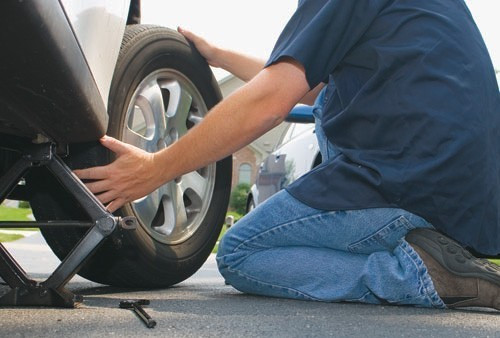
If you plan on replacing your tires, put the new pair on the two rear wheels, and move the less worn rear pair to the front. If possible, you should replace all four tires at once.
 |
Brake
If you suspect a problem with your brakes, address it immediately. Many factors can affect braking, and first, you need to understand what's malfunctioning. This could include a loose brake pedal (the pedal doesn't fully retract when pressed but springs back up gently); or the vehicle veering to one side when braking.
Lamp
Inspect your entire vehicle's lighting system by having someone stand outside the car and help you check the low and high beams, turn signals, brake lights, and fog lights as you adjust them. If you're not proficient, don't attempt to replace faulty bulbs yourself (this requires dexterity; you could damage the headlight housing, leading to unnecessary expense).
 |
Windshield and wiper blades
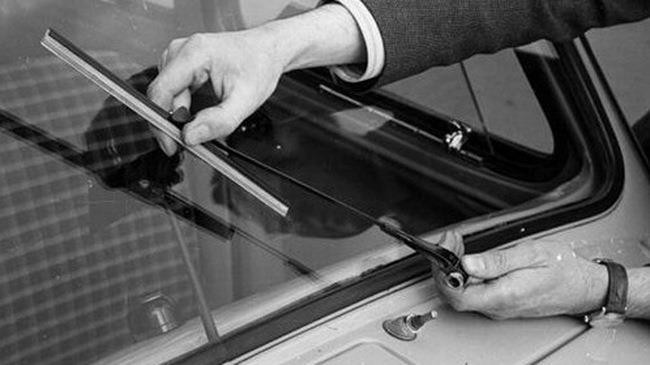
If your car's windshield is cracked, don't remove it. You need maximum visibility on the road – this is crucial. A typical auto parts store usually carries a self-service windshield repair kit to help prevent small cracks from becoming large fractures. If you don't do this, a crack will require a complete windshield replacement, which will cost you a significant amount of money. Clean the wiper blades with a cloth dipped in cleaning solution.
You don't necessarily need a special car window cleaner – a few drops of dish soap mixed with water can work just as well.
 |
Shock absorbers
You cannot replace or repair shock absorbers yourself; only a dealership can do this. However, you can check if they are functioning optimally. The best way to do this is to have a very strong person press down on each corner of the car in turn, then suddenly release.
If the car can return to its original position at normal speed, the shock absorbers are still good. If it bounces up and down several times, there's a high chance your shock absorbers are damaged.
Ngoc Anh
(Synthetic)
| RELATED NEWS |
|---|


