
81st National Day: Steadfast under the banner of the Party
From Ba Dinh Square in the autumn of 1945 to Vietnam of the 21st century, it has been an 81-year journey full of hardship but also immense glory. These achievements further affirm the value of independence, the strength of the people, and the leadership role of the Party.
The August Revolution of 1945 and the birth of the Democratic Republic of Vietnam on September 2, 1945, marked a great turning point in the history of the Vietnamese nation. From the status of a colonial country, the Vietnamese people rose up to seize power, ushering in an era of national independence linked with socialism.
Over the past 81 years, enduring the fierce challenges of war, division, blockade, embargo, crisis, and profound changes in the world situation, under the leadership of the Party, our nation has achieved victories of historical and epochal significance. These achievements not only affirm the vitality of the Vietnamese nation but also clarify a fundamental issue: the leadership of the Party is the primary factor determining all the victories of the Vietnamese revolution.
From the autumn of 1945 to the turning point that changed the nation's destiny.
The August Revolution was not a "historical stroke of luck," nor was it a spontaneous result of the masses' reaction to the collapse of Japanese fascism. It was the outcome of a long, meticulous, proactive, and creative process of preparation in terms of political direction, revolutionary forces, revolutionary bases, organization, and methods of struggle, under the leadership of the Party and President Ho Chi Minh.
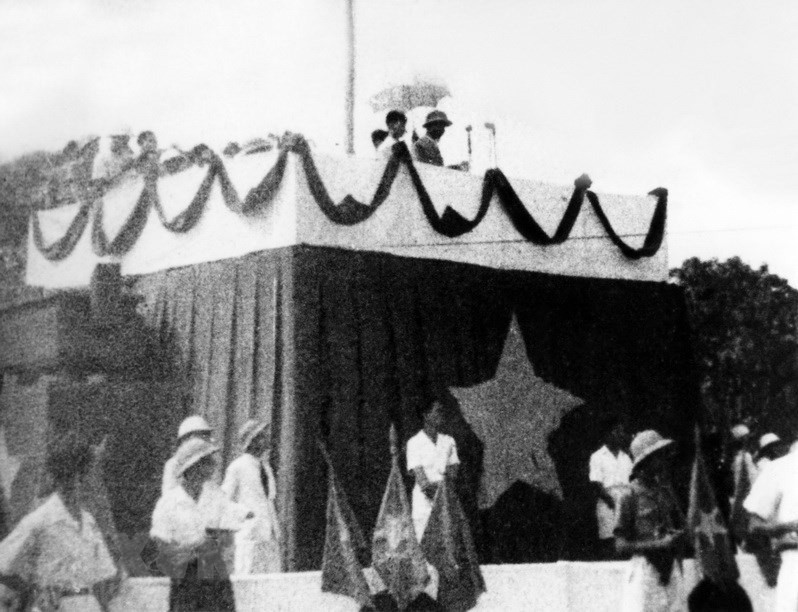
When the historic opportunity arose in August 1945, the Party promptly launched a nationwide general uprising. Within a short time, power was transferred to the people throughout the country. On September 2, 1945, at Ba Dinh Square, President Ho Chi Minh read the Declaration of Independence, solemnly proclaiming to the Vietnamese people and the world the birth of the Democratic Republic of Vietnam.
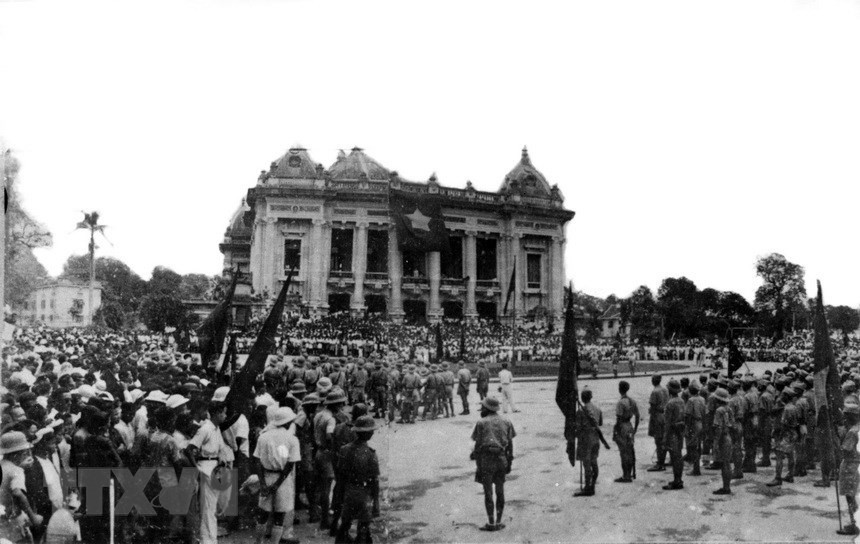
This was an event of extraordinary significance in the nation's history. For the first time in thousands of years of nation-building and national defense, the Vietnamese people truly became masters of their own destiny; the State of the Vietnamese people was established; and the nation's independence and freedom were declared before the international community.
The significance of the August Revolution is further demonstrated by the fact that its victory contributed to the common struggle of colonial peoples against colonialism and fascism, strongly encouraging the national liberation movement worldwide. Vietnam became one of the typical symbols of the aspirations for independence, freedom, and self-determination of nations.
Therefore, National Day on September 2nd is not only the day of the birth of the new Vietnamese State. It is also the milestone marking the beginning of a new era for the nation: the era in which the Vietnamese people are masters of their own country, under the leadership of the Party, steadfastly pursuing the path of national independence linked with socialism.
81 years - a journey of courage, willpower, and great victories.
If the August Revolution ushered in a new era, then 81 years later, it is a process of realizing the values of independence and freedom through continuous struggles and development of the country.
Immediately after independence, the revolutionary government faced a critical situation: internal enemies, external aggressors; famine, illiteracy; a devastated economy; and countless difficulties for the fledgling government. However, with its correct policies, flexible leadership, and the strength of national unity, the Party led the people in maintaining the government and protecting the achievements of the revolution.
The victory of the resistance war against French colonialism (1945-1954), culminating in the Dien Bien Phu victory in 1954, marked a glorious milestone. The Geneva Accords were signed (July 21, 1954), completely liberating the North and laying the foundation for continuing the struggle for national reunification.
Subsequently, the resistance war against the US for national liberation (1954-1975) was a fierce, protracted, and extremely arduous struggle. With the correct people's war strategy, maximizing the strength of the entire nation combined with the strength of the times, our army and people successively defeated the enemy's war strategies, leading to the Great Victory of Spring 1975. The Ho Chi Minh Campaign was a complete victory, the South was completely liberated, and the country was unified.
This victory holds special historical significance: it ended more than a century of national invasion and division; it completed the cause of national liberation and reunification, and ushered the entire country into a transitional period to socialism.
After 1975, the country continued to face serious challenges. The border defense war, the consequences of the war, socio-economic difficulties, an unsuitable management mechanism, and profound changes in the international situation placed the Vietnamese revolution before the need for a renewal of thinking.
The 6th National Congress of the Party in 1986 initiated the comprehensive reform process. This was a historically significant turning point, demonstrating the courage to confront the truth, accurately assess the truth, and speak the truth clearly; starting from reality to renew thinking, primarily economic thinking, while gradually perfecting the country's development path.
Over four decades of reform, Vietnam has achieved tremendous, historically significant accomplishments. From a poor and underdeveloped economy, Vietnam has become an increasingly large economy, integrating more deeply into the global economy. The material and spiritual lives of the people have improved; the poverty rate has decreased significantly; infrastructure has been invested in; education, healthcare, science and technology, and culture have developed; and Vietnam's international standing and prestige have been increasingly enhanced.
In particular, from a country under siege and embargo, Vietnam has established diplomatic relations with most countries in the world, participating increasingly proactively, actively, and responsibly in multilateral mechanisms. Its independent, self-reliant, multilateral, and diversified foreign policy has contributed to creating a peaceful and stable environment for national development.
These achievements are the result of a combination of many factors: the strength of the nation, the efforts of the people, the dynamism of the business community, the contributions of intellectuals, compatriots at home and abroad, and international cooperation. However, the most decisive factor remains the correct leadership of the Party, the effective management of the State, and the strength of national unity.
The Party - the primary decisive factor in all victories.
Looking back over the past 81 years, a consistent logic emerges: At every turning point in the revolution, when the country faced life-or-death challenges or historical opportunities, the Party's leadership capacity always played a particularly important role. The Party led the people in seizing power when revolutionary opportunities arose; led the defense of the revolutionary government in perilous circumstances; led the resistance wars for independence and unification; and led the process of reform and international integration.
That does not mean that the success of the revolution was created by only one entity. On the contrary, the greatest lesson is the combination of the Party's leadership with the people's strength, of correct policies with practical organizational capacity, and of national strength with the strength of the times.
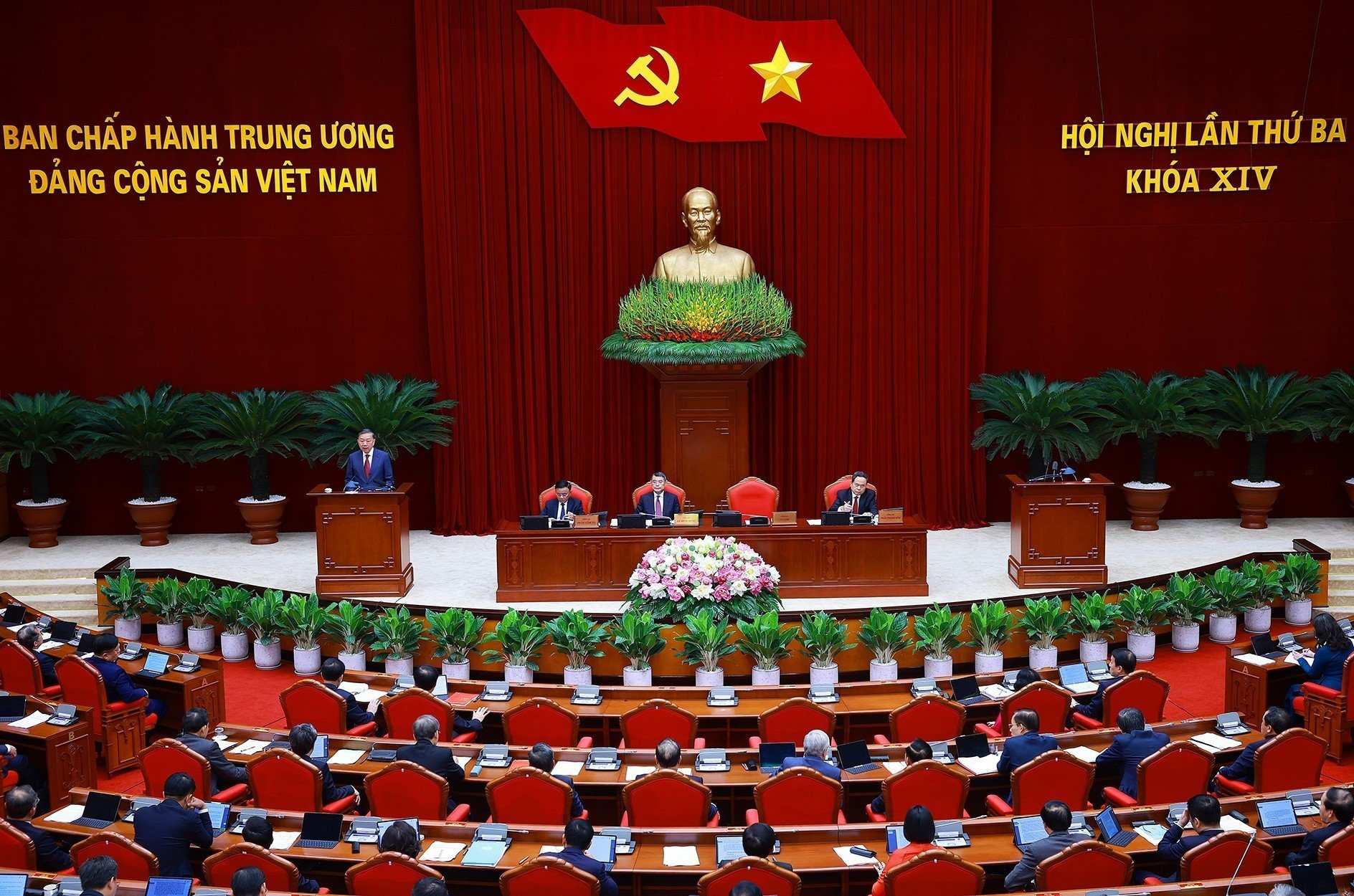
The Party's leadership is primarily manifested in its ability to correctly identify strategic goals, grasp laws, recognize opportunities, anticipate risks, and formulate policies appropriate to Vietnam's specific conditions. In the August Revolution, this was the art of creating and seizing opportunities. In the resistance wars, it was the art of harnessing the strength of people's warfare. In the reform period, it was the capacity to renew its thinking, overcome the limitations of the old system to liberate productive forces, mobilize social resources, and expand integration.
In particular, a party leading a country that wants to maintain its historical role cannot rely solely on tradition. Its leadership role must be affirmed by its capacity to formulate policies, organize implementation, self-correct, control power, and serve the legitimate interests of the people. This is a vital requirement in the new circumstances.
Bringing the country into a new era of development.
Commemorating the August Revolution and National Day on September 2nd is not only about reflecting on the past, but more importantly, about gaining a deeper understanding of our responsibility towards the present and the future.
The world is moving fast. Strategic competition, the scientific and technological revolution, artificial intelligence, digital transformation, climate change, non-traditional security, and geopolitical shifts are creating both unprecedented opportunities and challenges.
In this context, the lessons from the Autumn of 1945 remain relevant: We must possess the courage to be independent and self-reliant; we must know how to rely on the people; we must proactively create and seize opportunities; and we must have the right policies and organize their decisive implementation. This spirit needs to be transformed into a driving force for development in the new era.
Today, national independence is protected not only by military strength but also by economic strength, science and technology, culture, education, defense, security, and foreign relations. National sovereignty is protected not only in territory and maritime areas but also in cyberspace, in the technological space, and in the self-reliance of the economy.
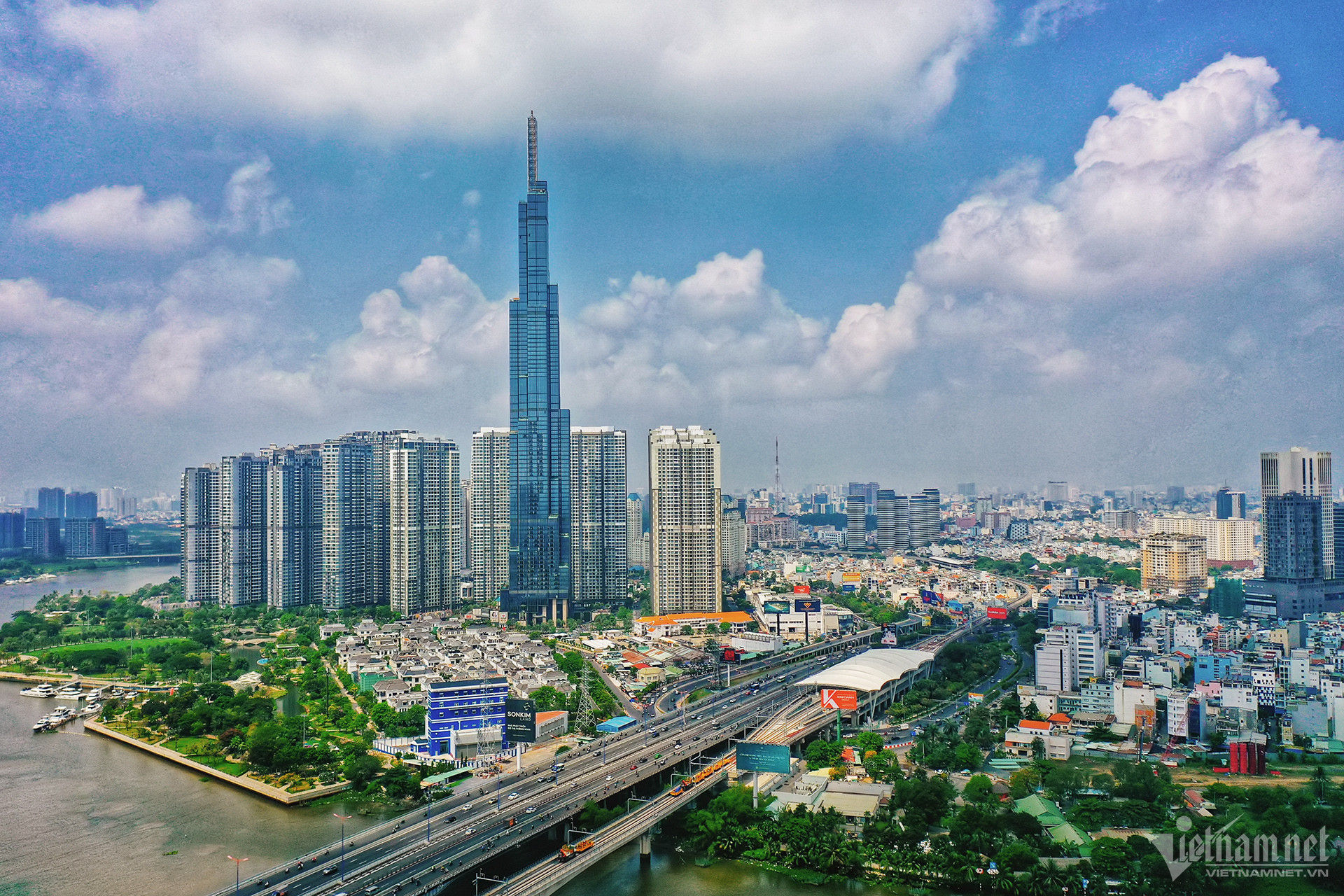
Therefore, building a truly ethical and civilized Party, ensuring all Party organizations are clean and strong; enhancing leadership and governance capacity; building an effective and efficient socialist rule of law state; promoting the people's right to self-governance; and consolidating and strengthening national unity are strategically important requirements.
Along with that, it is necessary to resolutely prevent and combat corruption, waste, and negative practices; control power; build a team of officials with sufficient qualities, capabilities, and prestige; and awaken the aspiration for contribution, the spirit of creativity, and national responsibility in every Vietnamese person.
Responsibility for the future
Eighty-one years since the autumn of 1945, history has proven a truth: A nation with an independent will, the strength of unity, and a political force capable of leadership can turn the seemingly impossible into reality. The August Revolution and National Day on September 2nd are symbols of self-determination, the aspiration for independence and freedom, and the strength of national unity.
The great victories of the nation over the past 81 years are a continuation, development, and realization of those values in different historical circumstances. From the autumn of 1945 to the spring of 1975, from the cause of national reunification and defense to the cause of reform, integration, and development, each step forward of the nation has placed new demands on the leadership capacity of the Party.
In this new era of development, these requirements are even higher. The Party must truly be the vanguard in terms of intellect, courage, morality, and action; it must be closely connected with the people, taking the happiness and well-being of the people as its goal; it must dare to think, dare to act, and dare to take responsibility for the common good; and at the same time, constantly renew and rectify itself to meet the demands of the times.
The 81st anniversary of the August Revolution and National Day on September 2nd is therefore not only an occasion to rekindle pride, but also a reminder of historical responsibility. Preserving the achievements of the revolution is the responsibility of today, while making the country strong, prosperous, civilized, and happy is the mission of the entire nation in the future.
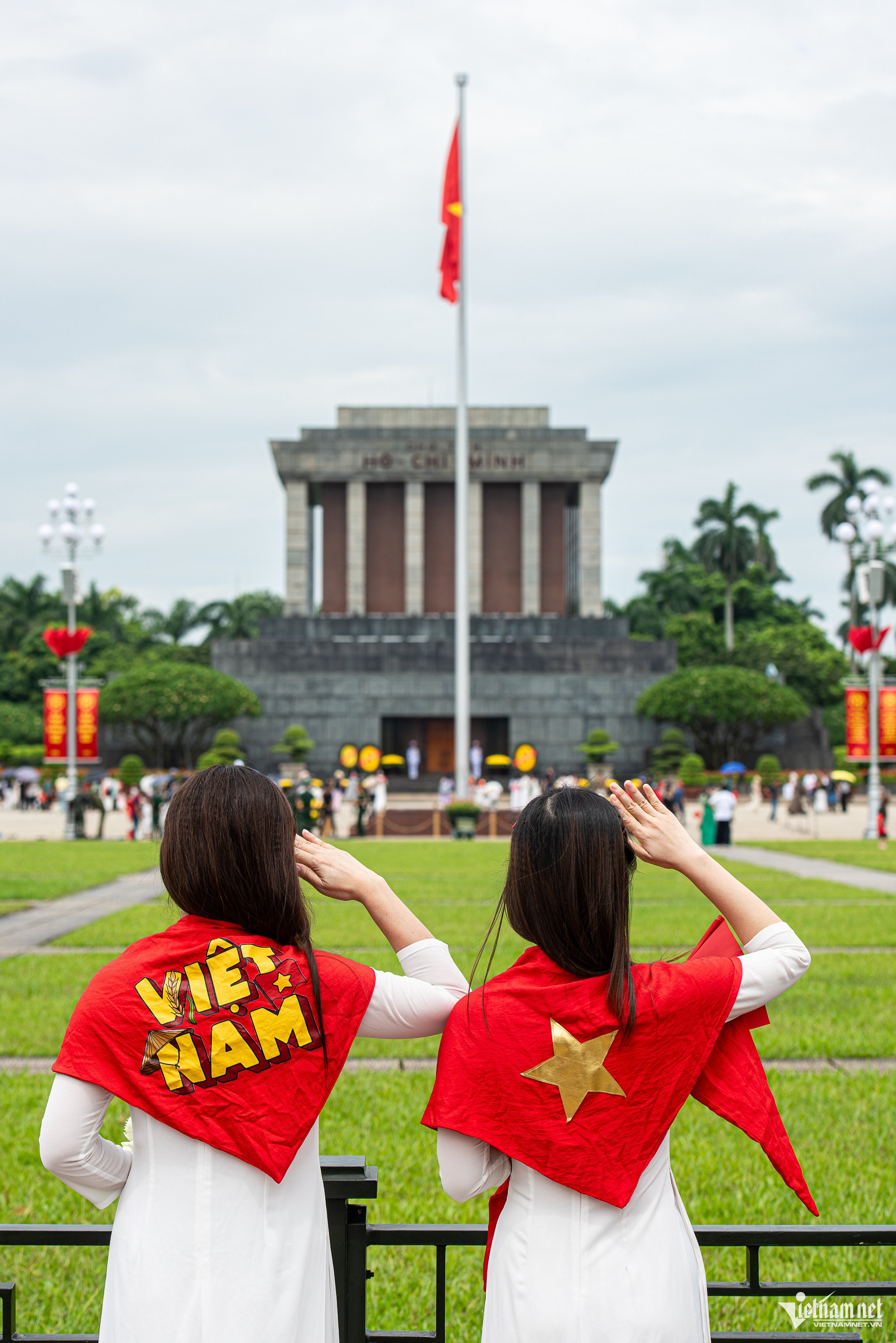
From Ba Dinh Square in the autumn of 1945 to Vietnam of the 21st century, it has been an 81-year journey full of hardship but also immense glory. These achievements further affirm the value of independence, the strength of the people, and the leadership role of the Party.
And it is from this historical foundation that the Vietnamese people have the basis, confidence, and courage to embark on a new path with a greater aspiration: rapid and sustainable development, improving the people's lives, firmly protecting the Fatherland, enhancing the nation's standing, and realizing the goal of building a peaceful, independent, prosperous, democratic, just, civilized, and happy Vietnam.
That is the most practical way to continue the immortal spirit of the Autumn of 1945 and to keep the values of National Day on September 2nd alive in the cause of building and defending the Fatherland today and in the future.
-----
* (Deputy Director of the Vietnam Institute of National Defence Strategy and History)


