
Eating properly helps children stay healthy.
Nutrition plays a crucial role in improving children's physical and intellectual development, while also strengthening their immune system. Many parents are increasingly concerned about feeding their children properly, aiming to provide the most scientific and effective nutrition possible.
Nutrition plays a crucial role in improving children's physical and intellectual development, while also strengthening their immune system. Many parents are increasingly concerned about feeding their children properly, aiming to provide the most scientific and effective nutrition possible.
Here are some important principles to help children eat well and properly:
Feed your child age-appropriate food: infants should be exclusively breastfed for the first 6 months to boost their immune system. From 6 months of age, introduce complementary foods as recommended by nutritionists, specifically ensuring they eat all four essential food groups: carbohydrates; protein (meat, shrimp, crab, fish, eggs, etc.); fats (oils, animal fats); and foods providing vitamins and minerals from fresh fruits and vegetables. For children aged 8-12 months, introduce more solid foods such as porridge, noodles, rice noodles, or mashed rice to develop their chewing ability, as this is the teething stage.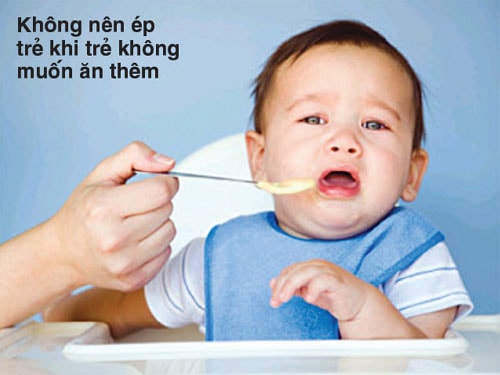
Parents should avoid forcing children to eat excessively: this is a common mindset among parents who want their children to gain weight well and to be "chubby" as a sign of health and beauty. This can easily lead to a fear of eating in children, resulting in psychological anorexia that is difficult to treat. Parents should allow children to eat according to their capacity and choose the foods they like. For children who are picky eaters, parents should "divide meals into smaller portions" to ensure they still consume enough food without overloading their digestive system. Encourage children to limit their intake of processed foods or those high in sugar, such as: french fries, fried chicken, soft drinks, sweets, chocolate, etc. Instead, encourage children to eat more healthy foods such as: plenty of green vegetables, fresh fruits, and ensure they drink enough water to maintain good health and aid digestion.
Encourage children to increase physical activity: this helps children develop a strong and flexible body, and makes eating easier because active children get hungry faster and have a better appetite. Each day, encourage children to exercise for about 30 minutes with age-appropriate activities such as cycling, swimming, playing soccer, or walking with their parents.
Creating a family atmosphere during children's meals: Parents should maintain a family mealtime atmosphere with their children. This helps children gradually develop eating skills such as learning to use spoons and chopsticks, learning to feed themselves, and developing communication skills at the table with adults. Many studies have shown that when children eat with their families in a warm atmosphere, they tend to eat more and develop their senses and brains in the most complete way.
Ensure your child sits correctly while eating: this is the best way to help their digestive system function properly. Parents should choose a chair with a straight back and backrest, and the chair should be at the same level as the food so the child can eat easily. A properly seated chair will allow the digestive organs to expand to their maximum capacity, allowing food to be digested and absorbed quickly, helping children avoid discomfort from bloating, gas, or digestive disorders.
According to Health and Life - NT


