
What should we eat to avoid harmful substances?
The widespread reporting of bleached rice noodles and contaminated milk over the past month has shocked consumers nationwide. Public concern is growing about how many other food products contain harmful additives that authorities have yet to discover.
(Baonghean)The widespread reporting of bleached rice noodles and contaminated milk over the past month has shocked consumers nationwide. Public concern is growing about how many other food products contain harmful additives that authorities have yet to discover.
Firstly, authorities discovered that rice noodles and pho sold in Ho Chi Minh City contained the optical brightening agent Tinopal (also known as fluorescent whitening agent). In a survey of 30 samples of rice noodles, banh hoi, banh canh, pho, and banh cuon conducted by the Center for Consumer Research and Consulting (under the Consumer Protection Standards Association) in Ho Chi Minh City, 24 samples were found to contain Tinopal and preservatives in levels many times higher than the permitted limits.
In Dong Nai province, authorities took samples from 10 food stalls at Bien Hoa market (Bien Hoa city) and found that 6 stalls were selling noodles containing high levels of borax. Similarly, the environmental crime prevention police in Tay Ninh province recently discovered two noodle production facilities in Tay Ninh town containing Tinopal and borax... These are all substances not permitted for use in food; they harm the digestive system, leading to stomach ulcers. More seriously, long-term consumption of noodles containing fluorescent substances can lead to liver and kidney failure and potentially cancer.
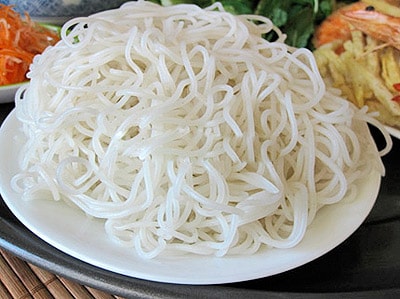
Illustrative image
Most notably during this time, Abbott Nutrition Vietnam issued a notice requesting customers to exchange or return the new Similac GainPlus EyeQ formula #3 for children aged 1-3 years, in 400g and 900g cans, from 10 production batches manufactured in New Zealand. This was due to the discovery that a quantity of whey protein used in the production process may be contaminated with Clostridium Botulinum bacteria, which causes neurotoxicity and muscle paralysis. Many Vietnamese mothers are extremely worried upon hearing the news about the recall of numerous batches of formula produced in New Zealand, especially since the issue is not limited to just one type of formula as initially thought. From Abbott and Karicare to Dumex, a brand quite familiar to Vietnamese consumers, all have announced product recalls. The information about the recall of formula cans suspected of contamination is growing longer, and the anxiety of mothers is increasing exponentially...
In Vinh City, banners bearing the message: "Consumers, protect yourselves" have only increased consumer anxiety.
In recent times, authorities have made efforts to inspect and strictly handle violations, but the risk of food safety and hygiene violations remains ever-present. A major unanswered question today concerns a seemingly small issue: food – what can we eat to avoid being poisoned? One could spend all day listing countless foods and drinks containing additives that can cause long-term health problems. From vegetables to meat, eggs, fish, and sausages… to drinks, from children's milk to bottled water, "lemon tea" or bubble tea for teenagers, all are contaminated. Or consider the smuggled rotten meat and offal of livestock and poultry…
What is thought-provoking in the aforementioned grim cases is why some producers and businesspeople have become so unscrupulous and greedy? Why can many honest farmers spray pesticides indiscriminately to sell vegetables to consumers while not using those same vegetables themselves? It seems that nowadays, even honest laborers, whether consciously or unconsciously, are now using what diplomats and business people call "double standards"—I can be honest and sincere with myself or my family, but not necessarily with strangers (?). Many farmers have their own plots of land, gardens, and poultry for family use, distinct from the mass-produced products they will sell on the market.
Given the current situation of "mixed quality" food being sold indiscriminately, consumers find it difficult to distinguish between good and bad products and safe meals for their families. When the case of pho noodles containing formaldehyde (used for embalming corpses) broke out (about 10 years ago), the Deputy Director of the Ho Chi Minh City Department of Health - in charge of food hygiene and safety at the time - proposed establishing a separate center specializing in selling food additives, completely separate from Kim Bien Market. Food processors would have to purchase food additives from this center with complete documentation proving their origin and source, making inspection and control easier. But all of this was forgotten, and the market continues to sell all kinds of chemicals, from industrial chemicals to toxic additives and flavorings, without labels or origins, available to anyone at any price.
Ensuring food safety and hygiene is not just about guaranteeing the display at the market, but about ensuring the entire chain from the selection of livestock and crops, soil, water, animal feed, fertilizers, the use of veterinary drugs and pesticides, processing, transportation, and enhanced preservation even after the food is displayed at the market. If any stage is unsafe, the food cannot be guaranteed safe for consumers. To effectively control the trade and use of toxic chemicals in food, it is necessary to separate the places selling industrial chemicals from those selling chemicals used in food.
On the other hand, salespeople must possess a certain level of expertise to advise and provide information to buyers – such as regulations on the sale of medicines to limit the harm that chemicals can cause to users. Simultaneously, authorities need to strictly penalize violations and closely monitor production, advertising, promotion, and marketing activities. They should also promote ethical conduct among manufacturers and service providers, fostering conscience and social responsibility to prevent greed and the pursuit of profit at all costs, disregarding consumer health.
Ngoc Anh


