
What to eat during storm and flood season?
Organizing nutritious and safe meals during the storm and flood season will help people maintain their health and prevent certain diseases.
In response to the flooding in many central provinces, the Food Safety Department of the Ministry of Health has issued recommendations on organizing meals for people in flood-affected areas to ensure nutrition and food safety, helping people maintain their health and prevent certain diseases.
Having enough food to eat in flood-affected areas is very difficult. The Food Safety Department stated that many staple foods and processed products such as rice, noodles, corn, potatoes, cassava, instant noodles, dried rice crackers, etc., can be used to provide a satisfying meal.
People should eat a balanced diet, with adequate representation of the four food groups: Grains (rice, noodles, corn, potatoes, cassava, instant noodles, dried rice crackers, bread); Protein (meat, eggs, fish, shrimp, crab, clams, snails), beans, sesame seeds, peanuts, etc.
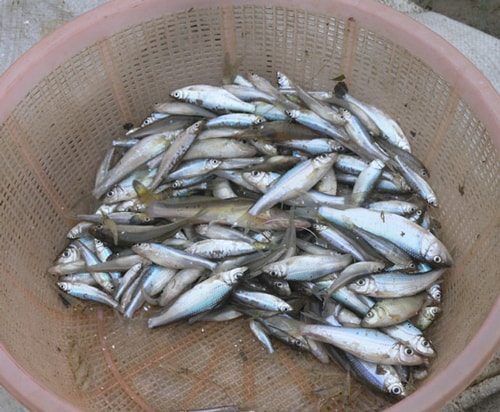 |
| People can take advantage of readily available food sources from ponds, lakes, and rivers, such as fish, shrimp, and eels. |
People can take advantage of readily available foods from ponds, lakes, and rivers such as fish, shrimp, eels, snails, and frogs; for fats, they can use tofu, soy milk, sesame seeds, and peanuts, which are rich in fat. For vitamins and minerals, green vegetables and ripe fruits are the main sources of vitamins in meals.
Spices and herbs are rich in micronutrients, plant-based antibiotics, and various aromatic essential oils that stimulate appetite and boost immunity. The Food Safety Administration also recommends that people try to eat three meals a day, with breakfast and lunch considered main meals, and dinner should not be too heavy or eaten too late.
The Food Safety Administration stated that food must be safe, free from toxic chemicals, worms, or bacteria, and must not be a source of disease. Unhygienic eating habits easily lead to illness, so under any circumstances, even in times of scarcity and hardship, people must ensure food safety and hygiene.
To prevent dangerous diseases after the recent floods, people need to cook food thoroughly and boil water before drinking; use clean, safe water for preparing food and drinks and washing utensils; ensure water containers are clean and do not release toxic substances; and wash hands frequently with soap. People should not prepare food or serve drinks when experiencing stomach pain, fever, vomiting, skin infections, or other infectious diseases.
According to VTV


