
Is eating chicken tails good for your health?
The gizzard is where toxins from chicken feed accumulate, the skin is high in cholesterol, and the chicken's tail contains lymphatic glands with many bacteria.
Chicken meat is rich in fat, vitamins A, B1, B2, C, E, acids, calcium, phosphorus, and iron, helping the body replenish nutrients and being easily absorbed and digested. In Traditional Chinese Medicine, chicken meat has a sweet taste and warm nature, with the effect of warming the body and replenishing qi. It is often used for cases of emaciation, weight loss, exhaustion, bloating, indigestion, poor appetite, diarrhea, dysentery, edema, frequent urination, and diabetes.
Associate Professor, Dr. Nguyen Duy Thinh, Institute of Food Technology, Hanoi University of Science and Technology, said that although chicken meat is delicious and nutritious, some parts of it are not good for health.
Viscera
"Generally, the offal of any livestock or poultry is not good for health. Chicken liver, in particular, contains pathogens and accumulates many heavy metals. Chicken gizzards are where many harmful substances from contaminated food remain," said Associate Professor Thinh. In addition, chicken offal has a very high cholesterol content. It is also easily contaminated with parasites, bacteria, and viruses. Therefore, breastfeeding women, young children, or people with sensitive constitutions should not eat chicken offal, except for the immature eggs.
Chicken skin and neck
Both traditional and Western medicine advise against eating chicken skin, especially when ill, because this part contains a lot of fat and high levels of cholesterol, particularly the skin on the neck. Some lymphatic glands that detoxify are concentrated in the fatty layer under the skin of the chicken neck, where toxins and growth hormones from poultry farming may remain.
|
Chicken skin contains a lot of fat and high levels of cholesterol, posing a health risk. |
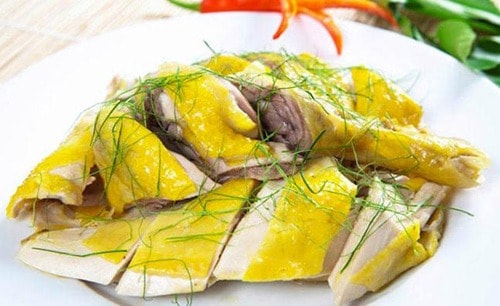
Especially when cooking roasted chicken, the cholesterol in the chicken skin oxidizes, forming compounds that are very harmful to health. If the temperature is too high, it can even produce carcinogens.
Fishing float
The tail feathers of a chicken are located where the tail feathers grow. The meat is very tender and fatty, making it a favorite among many. This area is a concentration point for lymphatic glands, as macrophages within these glands can engulf bacteria and toxins that cause disease. Over time, toxins accumulate in the tail, becoming a breeding ground for viruses and bacteria that cause illness.
However, the risk of harm from eating those parts is negligible, except in cases of consuming large quantities over several days. Chicken meat is a food rich in fiber, which helps the body absorb cholesterol.
Which part of the chicken is the most nutritious to eat?
Nutrition expert Nguyen Moc Lan stated that chicken meat is divided into two types: white meat, which comes from the breast and tenderloin, and brown meat, which comes from the wings, legs, and thighs. Different parts of the chicken have different nutritional values. "Due to their crisp, chewy, and flavorful characteristics, chicken thighs are preferred by many over breast meat. In fact, the white meat from the breast is still healthier to eat than the thigh," the expert said.
Chicken breast is high in protein. Each 100g of chicken breast contains 18g of protein, which helps build strong muscles. In addition, chicken breast is rich in minerals and vitamin B, which helps prevent diseases such as cataracts and skin disorders, boosts immunity, regulates digestion, prevents heart disorders, and lowers cholesterol. This is also why this cut of meat is often used for babies starting solid foods.


