
Apple encourages iPhone 16 users to go without cases: A turning point in the durability race.
Apple has just surprised everyone by encouraging iPhone 16 users to go without a case. With significantly enhanced durability thanks to the Ceramic Shield glass, could this be a major turning point in the smartphone durability race?
Over the years, as the smartphone industry has continuously evolved, manufacturers have been actively promoting the ever-improving durability of their devices.
We've heard a lot about phone resistance—waterproof, dustproof, scratch-resistant, and even able to withstand minor impacts. However, while these claims sound impressive, no company has actually been confident enough to tell users outright: "You can use our phone without a case."
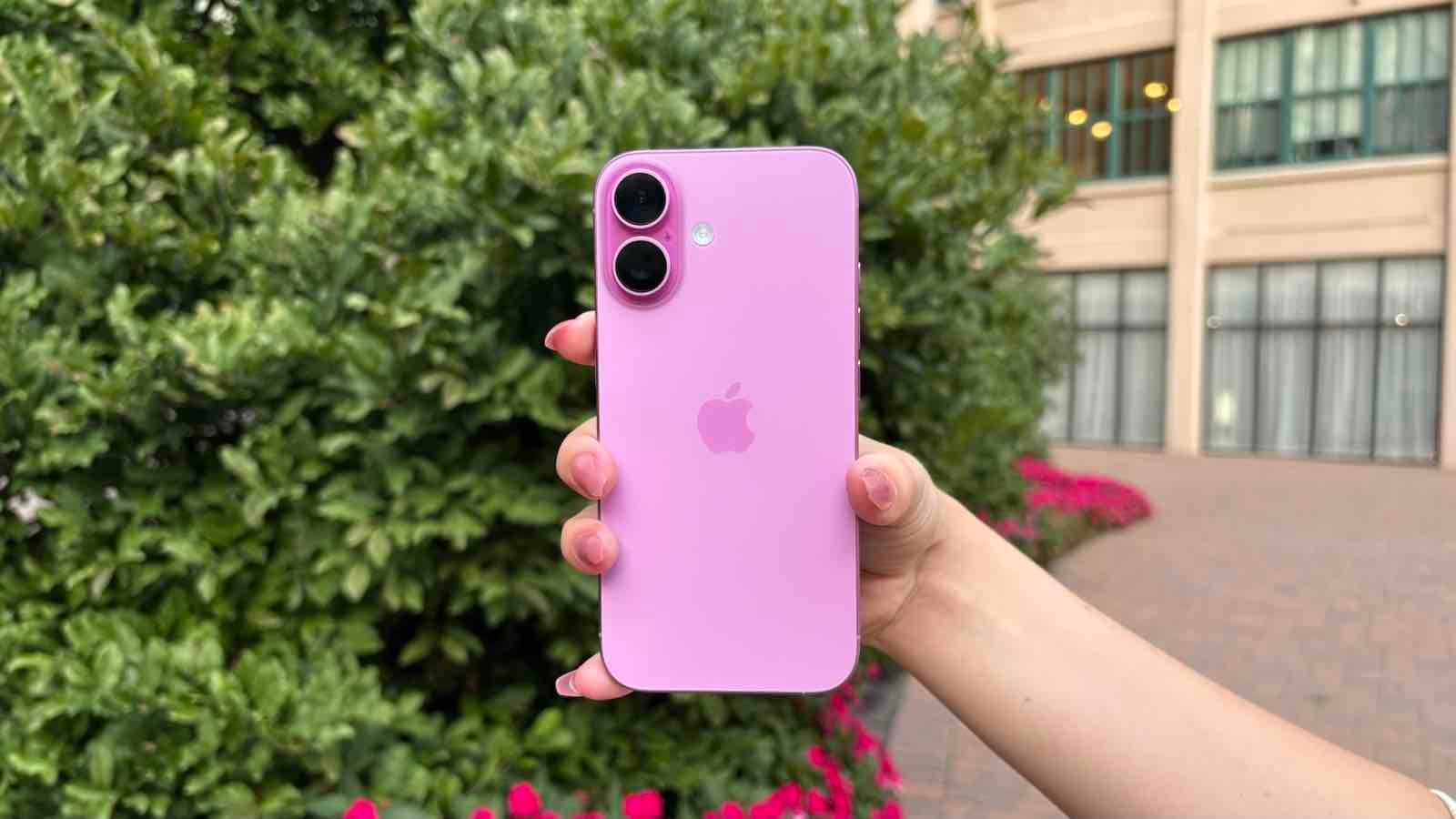
Perhaps this is understandable. No matter how much phone manufacturers upgrade their products, they often implicitly assume that, in real life, dropping a phone is unavoidable, and these accidents can cause serious damage to the device.
Besides, the accessories business, especially phone cases, has long been a stable and lucrative source of income that no one wants to give up.
But recently, Apple has done something previously considered unthinkable: it has almost openly encouraged users to use the iPhone 16 without a protective case.
A surprising advertisement.
In Apple's latest advertisement, the message is clear: relax, enjoy yourself, and don't worry too much about your phone breaking if it falls.
The promotional video shows real-life scenarios where an iPhone 16 falls from a user's hand onto the ground, yet the device continues to function normally without any damage.
The key to this confidence lies in Ceramic Shield technology, a protective layer that Apple has painstakingly developed and trademarked.
Ceramic Shield isn't a new name; it first appeared in the iPhone 12 series. However, with the iPhone 16, Apple seems to have reached a new level of durability, enough for the company to confidently promote it so directly.
The market is changing.
In recent years, Android smartphone manufacturers, especially Chinese brands like Xiaomi, Oppo, and Vivo, have made significant strides in device protection.
Even in the mid-range segment, these phone models often feature IP68 water resistance, premium tempered glass screens, and sturdy reinforced frames.
Meanwhile, material manufacturers like Corning are constantly innovating. The company recently introduced Gorilla Armor 2, the ultra-durable glass that Samsung uses on the Galaxy S25 Ultra.
According to Corning, Gorilla Armor 2 can withstand a drop from a height of 2.2 meters onto a hard surface like concrete, which is considered a very impressive claim.
In this context, Apple's confident promotion of the iPhone 16's durability without mentioning the need for additional protective accessories, such as cases or screen protectors, indicates a strategic shift.
Apple may be aiming to assert its leading position in materials technology, or simply to create a distinctive difference in an increasingly competitive market.
Phone cases: Are they still necessary?
This is probably a question many people are asking after watching Apple's advertisement. With significantly improved durability, can we really feel safe using the iPhone "barebones," fully enjoying the original design that Apple has painstakingly created?
In reality, while Ceramic Shield can significantly minimize damage from typical drops, in particularly severe situations such as impacts at sharp angles, or falls from unusual heights, any phone is still at risk of damage. A protective case will always provide extra cushioning, increasing the device's chances of survival.
Furthermore, many users choose phone cases not only for protection, but also to express their personality, style, or simply for a more secure grip. Therefore, even if Apple encourages users to confidently use the iPhone 16 without a case, this accessory will continue to have its own place in the market.
In short, Apple's encouragement of users to use the iPhone 16 without a case marks a significant turning point in how phone manufacturers convey the message about device durability. More than just a typical advertising campaign, it's a powerful statement of confidence in the technology they themselves developed.


