
Three breakthroughs for Thanh Binh Tho to reach the finish line.
Formed by the merger of three communes – Thanh Son, Binh Son, and Tho Son – Thanh Binh Tho is both a new place and a major challenge for development. The local Party committee and people are working to overcome past difficulties and pool their resources to prepare for new breakthroughs: developing agricultural products, digitizing management, and building a streamlined and efficient workforce to transform potential into income and culture into a tourist destination.
LAdvantages and challenges
.jpg)
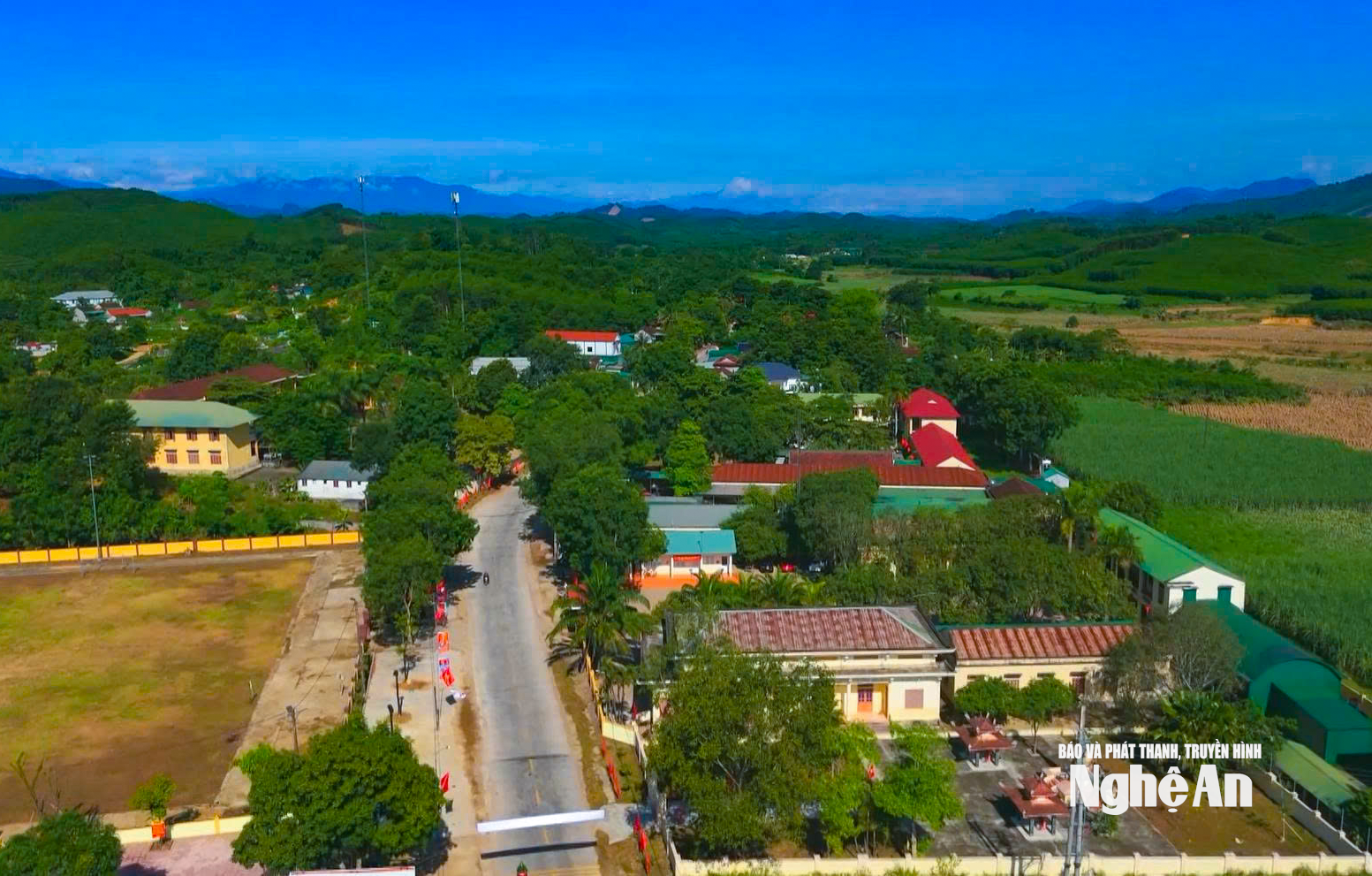
On the district's new administrative map, Thanh Binh Tho spans 88.18 km², encompassing numerous forests, valleys, and cool, green streams. This is the "common home" that emerged after the merger of three communes: Thanh Son, Binh Son, and Tho Son, according to Resolution 1678/NQ-UBTVQH of the Standing Committee of the National Assembly. With over 12,000 inhabitants, 30% of whom are ethnic Thai people, this is a rural area rich in cultural identity.
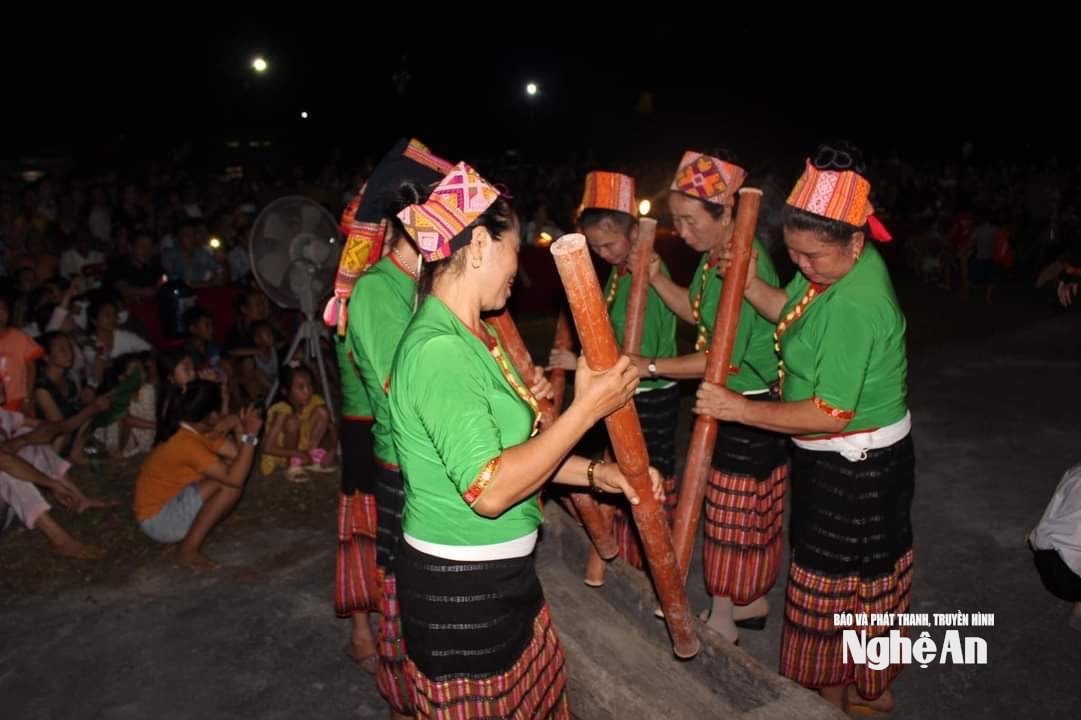
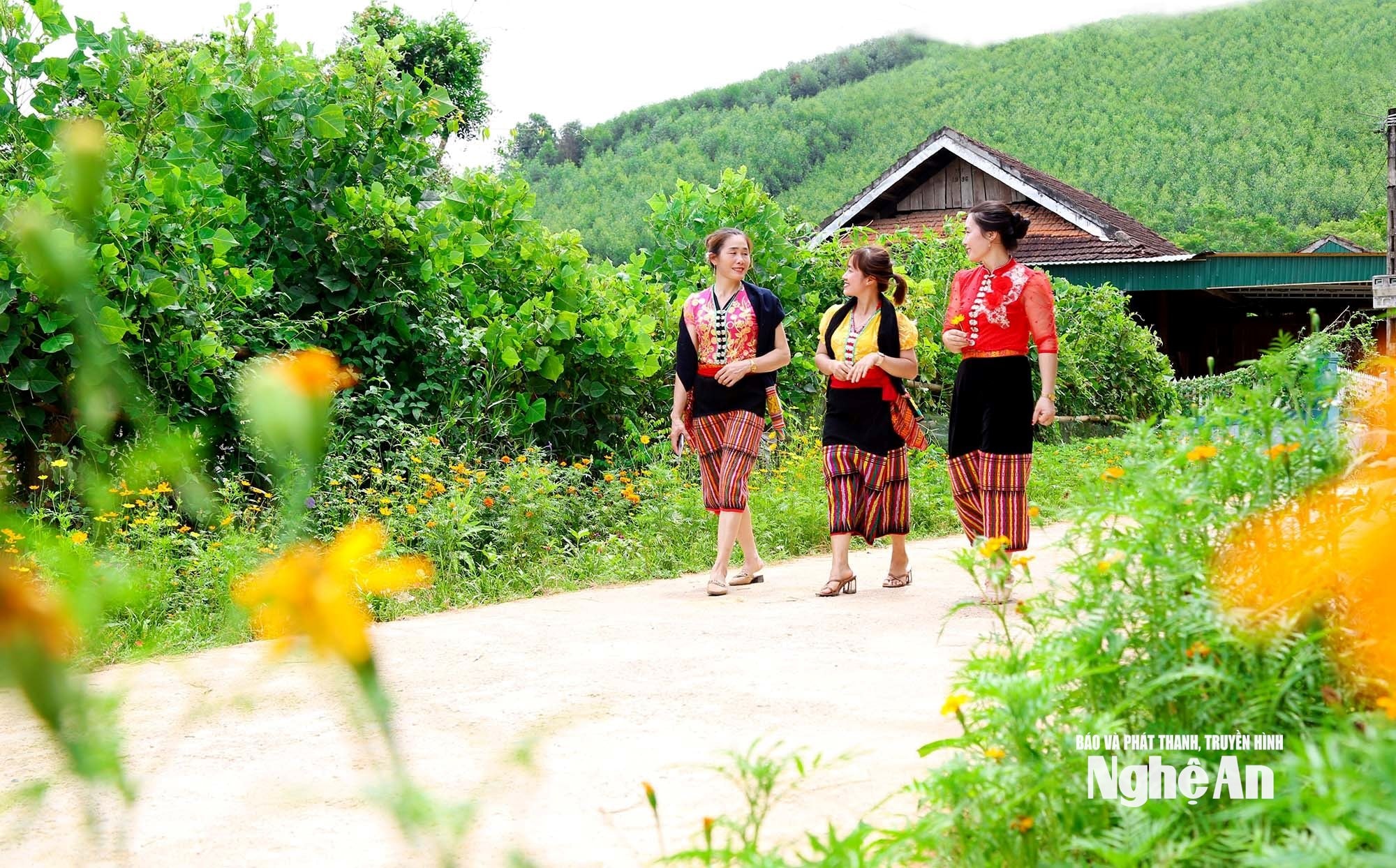
The commune's location borders several localities: to the east, it borders Tien Dong and Nghia Hanh; to the south, it connects with Nhan Hoa; to the west, it borders Mau Thach; and to the north, it borders Muong Choong and Tien Dong... This bordering location with many communes in the district and neighboring areas facilitates the connection of agricultural products to nearby processing plants, while also opening corridors for the development of eco-tourism and community-based tourism if synchronized infrastructure is in place. The region's advantages lie not only in its land but also in its unique identity. The Truong Han Temple relic; Ban Bong with its stilt houses and nascent homestays are becoming cultural highlights, acting as a nucleus for shifting from "sightseeing" to "experiencing" if tourism products are properly invested in. The availability of sugarcane, tea, cassava, and acacia wood as inputs for processing chains in the surrounding area is an advantage not all mountainous communes possess. However, the picture is not entirely bright. Thanh Binh Tho only recently emerged from the list of particularly disadvantaged areas a few years ago, so its infrastructure, services, and businesses are still underdeveloped.
Before the merger, only one commune met all 19 criteria for new rural development; after the merger, the commune had to start the journey to "reach the finish line" from scratch. The area lacks factories, industrial zones, or commercial centers, which sometimes makes the market for key products unstable; investment capital and budget revenue are limited, slowing down investment in transportation, irrigation, and essential services. In addition, climate change, plant and animal diseases, and market price risks are constant factors that the people must cope with. Therefore, the commune's approach in the future cannot simply focus on "increasing production" but must also increase value, reduce risks, and diversify livelihoods.
The momentum of the previous term
Looking back at the period from 2020 to 2025, Thanh Son, Binh Son, and Tho Son (now Thanh Binh Tho) have left concrete marks. Agricultural production remains the mainstay, but it has become less fragmented: some hilly areas have been converted to organic tea cultivation, with a bright spot of 10 hectares in Tan Hop village, while concentrated livestock farming and efficient buffalo breeding models have begun to emerge. Food production in the area increased from approximately 5,152 tons in 2020 to an estimated 5,800 tons in 2025; average per capita income also jumped from 24.4 million to about 42 million VND/year during the same period. These figures are not just statistics but represent a transformation in people's lives: houses have been renovated, students have more books and supplies, and workers have more stable incomes.
Another notable achievement is infrastructure investment: during the term, the locality attracted and mobilized nearly 484 billion VND to implement 50 basic construction projects, from inter-village roads to canals, schools, health stations, and cultural facilities – projects that transformed the rural landscape and created favorable conditions for production and trade development. Small-scale industries and handicrafts maintained their operations, with carpentry and mechanical workshops helping to preserve jobs for local workers; the value of small-scale industrial and handicraft production grew steadily, contributing to the stability of the regional economy.
.jpg)
The socio-cultural sector has received commensurate attention. The grassroots healthcare system has been upgraded, with 100% of commune health stations meeting national standards, and medical staff regularly available to serve the people; disease prevention and control measures have been implemented decisively when necessary. Education has seen many innovative activities; vocational training courses for rural workers have been prioritized, with 75 classes and 2,250 trainees, contributing significantly to raising the percentage of trained workers. The results in social welfare are reflected in the rapid reduction of the poverty rate, from 5.6% in 2021 to 4.58% in 2025, a testament to the effectiveness of sustainable poverty reduction programs and managed labor export.
Alongside this, Thanh Binh Tho has focused on applying science and technology and has begun implementing digital transformation in management, public services, and daily life. Initiatives such as the production of organic microbial fertilizers, OCOP certification for sugarcane molasses products, and expanded telecommunications coverage have helped people access information and markets more effectively. These changes are not miracles, but practical factors that create momentum in a context of limited resources.
.jpg)
This includes: 100% of the commune's officials and staff are provided with computers, equipment, and network infrastructure to work, ensuring stable operation. The Public Administrative Service Center, operating under the new government model, ensures continuous and uninterrupted service to citizens and businesses, consistently ranking among the top in the province in terms of transactions and results delivery. Currently, the commune is using the document management software deployed by the Provincial People's Committee to receive, process, and store incoming and outgoing documents, contributing to improved administrative management efficiency. Officials and staff have been fully provided with vnptioffice accounts. The percentage of officials who have been granted accounts and have accessed and used them is 100%. The implementation of Government Project 06 has made the commune a pioneer in cashless payment of allowances to beneficiaries of social welfare programs, achieving 100% coverage.
Key statistics of Thanh Binh Tho commune
• Natural area: 88.18 km²
• Population: over 12,000 people, of which approximately 30% are ethnic Thai people.
• Average income: from VND 24.4 million/person/year (2020) to approximately VND 42 million/person/year (2025).
• Food production: 5,152 tons (2020) → 5,800 tons (2025).
• Poor households: reduced from 5.6% (2021) to 4.58% (2025).
• Infrastructure investment: nearly 484 billion VND for 50 projects in transportation, irrigation, schools, healthcare, and culture.
• Forest cover: target of 60% by 2030.
• Income target: 55–57 million VND/person/year by 2030.
ThreemBreakthrough plan 2025–2030
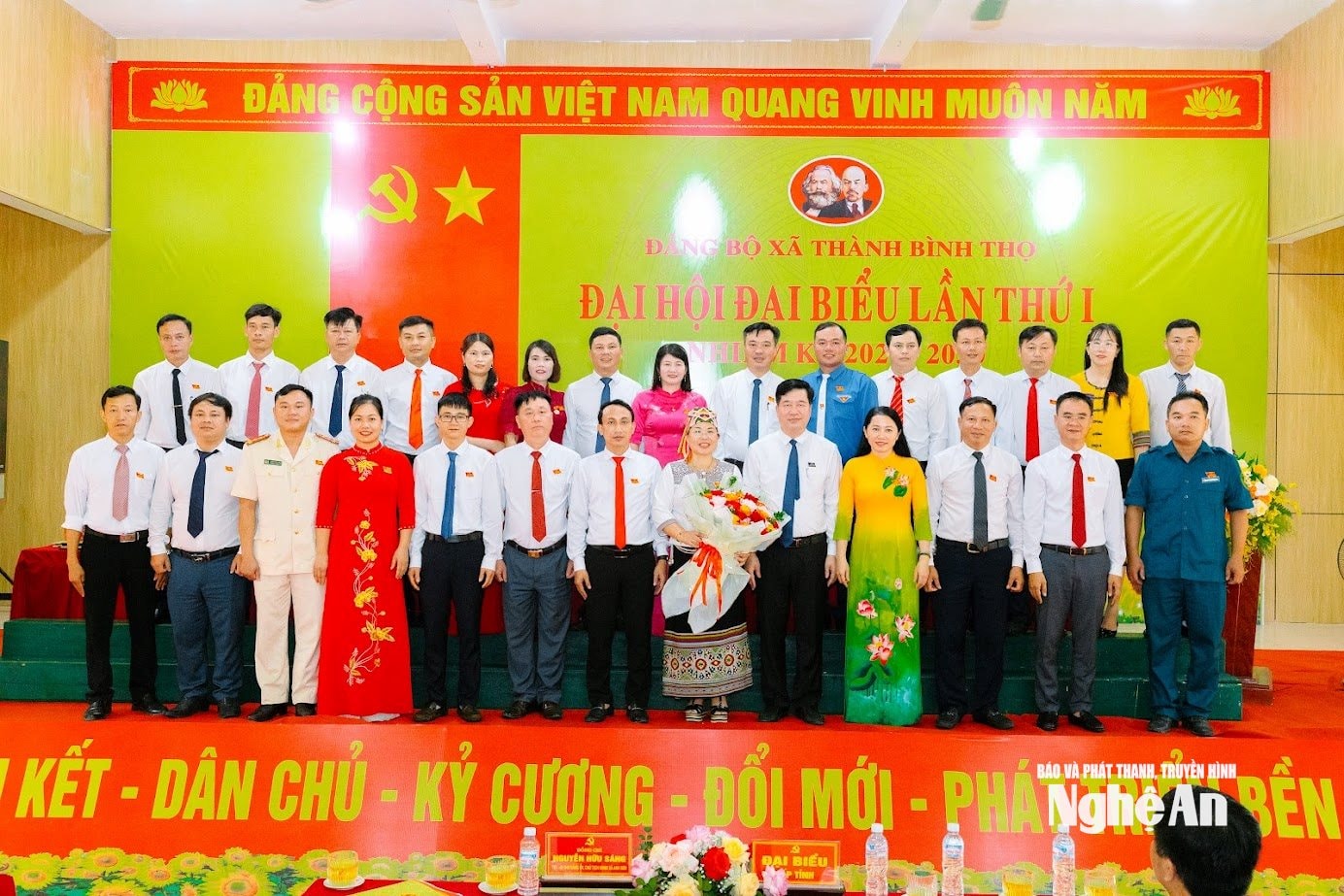
The new Party Congress has clearly identified the need for breakthroughs if potential is to be transformed into results. Three prominent breakthroughs have been outlined – and these also serve as the guiding principles for all policies: building a strong team of officials, a robust digital transformation, and elevating agricultural products and community tourism into key economic sectors.
First and foremost, the people—the cadre—are the foundation for all change. The Party Committee has set the task of building a professional, proactive, and innovative cadre as a key factor. In the previous term, the planning, training, and development of cadres achieved certain results, with a high percentage of cadres and civil servants meeting the standards; in the next term, it is necessary to expand the image of exemplary cadres who are close to the people and effective in resolving issues, while strengthening inspection and supervision to prevent violations. Specifically, organizing in-depth training courses on project management, investment promotion, community tourism development, and commercial skills will help cadres not only know how to "manage" but also how to "open" markets.
The second key is comprehensive digital transformation, not just a formal goal but a tool to enhance management efficiency and save costs for the people. Thanh Binh Tho commune has already taken initial steps: 100% of civil servants are equipped with digital transformation devices and training; basic network infrastructure is stable and mobile coverage is available; over 60% of the population has access to electronic health services, and many social welfare benefits are paid through bank accounts. The next term needs to concretize this with a platform for managing agricultural data, an online OCOP product trading platform, services supporting homestay promotion, and tourist management; while simultaneously promoting online public services to reduce time and costs for citizens and businesses. When digital administration operates smoothly, everything from land certification and capital support procedures to sustainable resource exploitation will be faster and more transparent, leading to increased trust and investment in the commune.
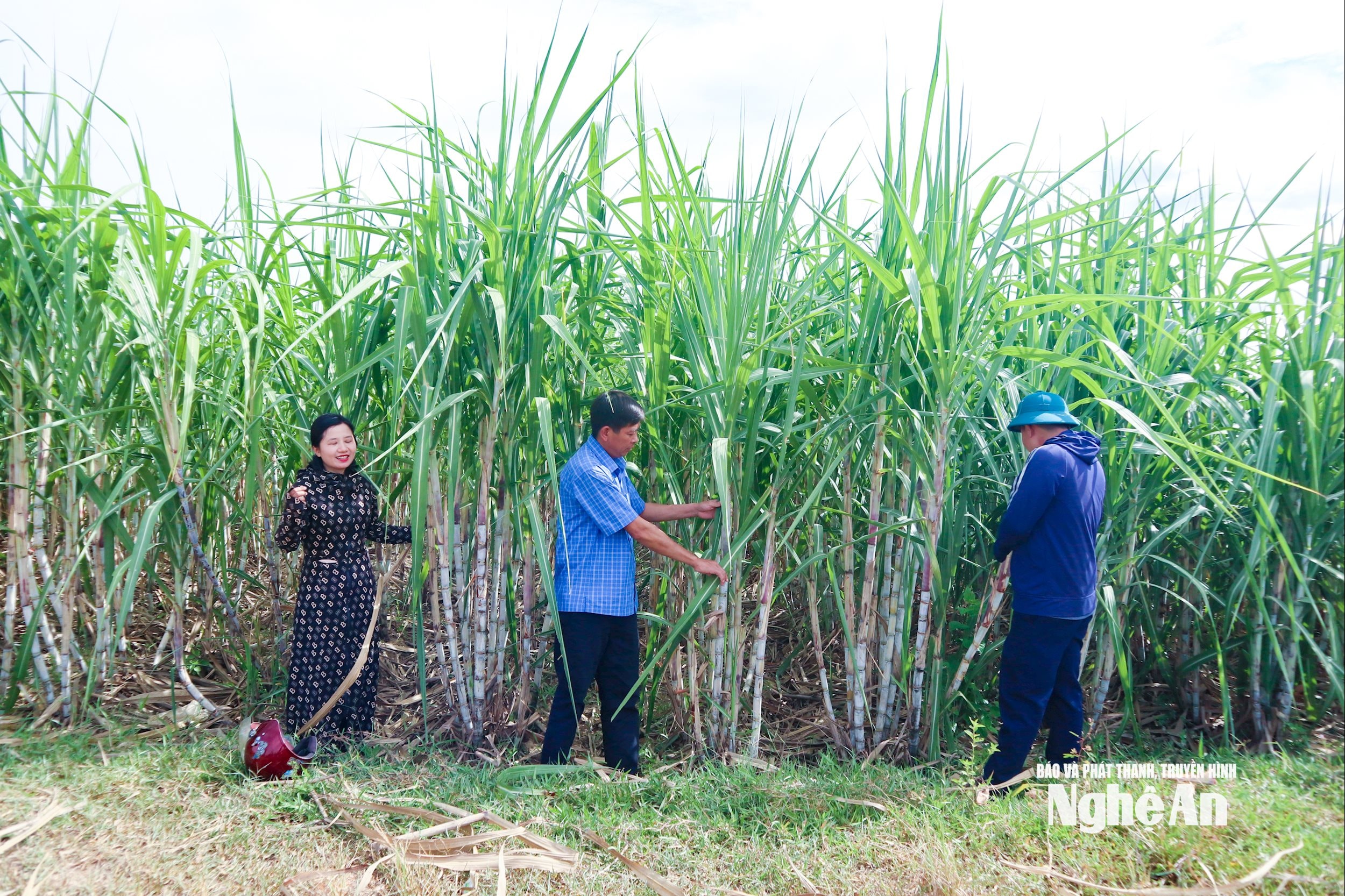
The third key area is shifting the economic structure towards creating high-value-added "spearheads": clean commercial agriculture, agricultural product processing, and community-based tourism with unique characteristics. The report has outlined the development of key crops and livestock such as sugarcane, cassava, organic tea, and promoted agricultural product processing and OCOP (One Commune One Product) initiatives; while also exploiting tourism in Bản Bộng village as a distinctive product.
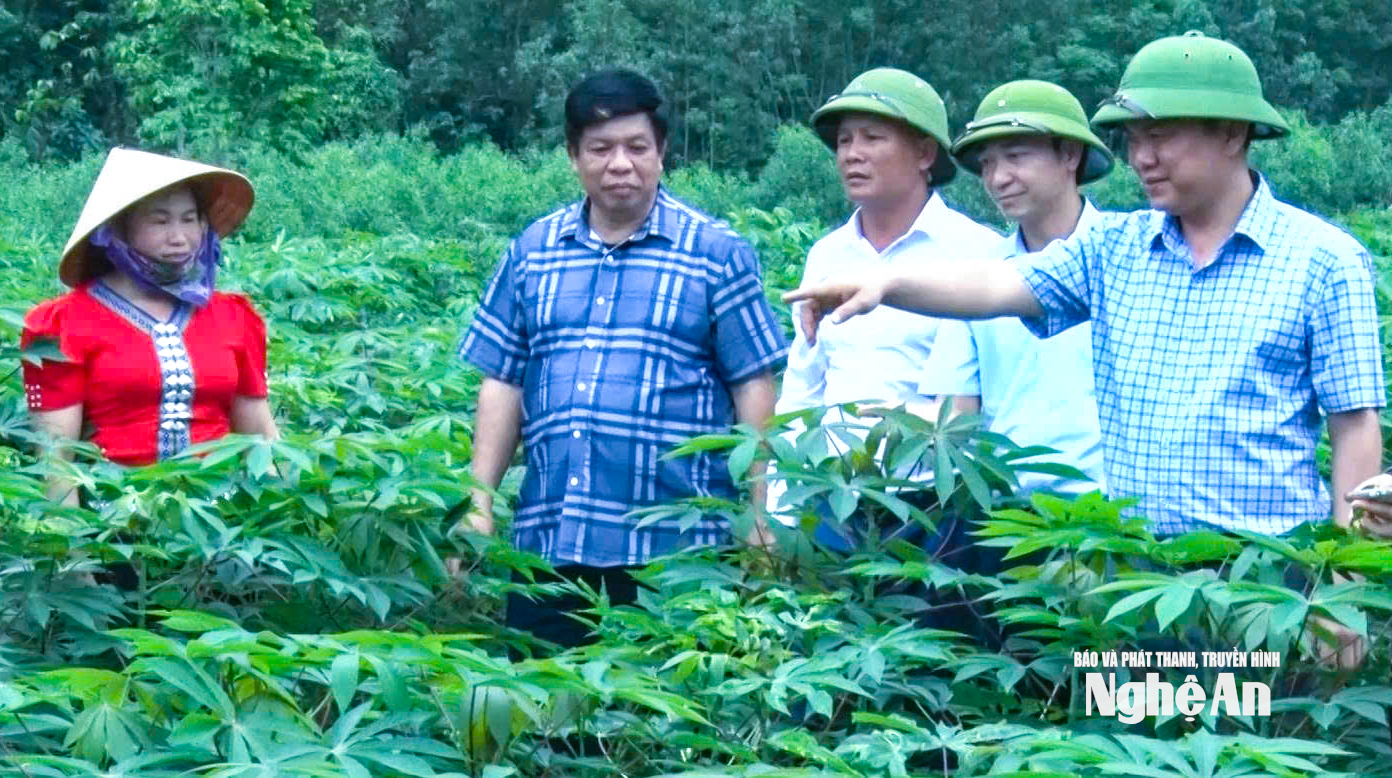
To implement this, localities need to harmonize three factors: improving infrastructure (paving roads to villages, upgrading water and electricity sources), providing technical support (seeds, disease prevention, processing techniques), and connecting to markets (distribution channels, linking with processing businesses, trade promotion). The "agriculture + processing + community tourism" model will transform each traditional farming family into a link in the value chain, increasing sustainable income for farmers.
These breakthroughs are not separate. A visionary official uses digital transformation to organize the OCOP product supply chain; a processing enterprise partners with homestays to create experiential tours for tourists, generating more jobs; and transportation infrastructure projects built by the previous term will become effective with clear investment direction. The goals for 2030 – average income of 55-57 million VND, 92% of rural roads paved, and 60% forest cover – are all achievable if these three key areas are synchronized and have supporting resources.
Finally, the necessary practical steps include: publicly listing investment projects to attract private capital; organizing a series of training courses for local officials on local governance; replicating the organic tea model and supporting handicraft processing to increase selling prices; developing the OCOP brand for sugarcane molasses; and piloting a tourism route in Bản Bộng village – experiencing stilt houses, cuisine, and traditional crafts to create a model product for the entire commune. All these solutions have been outlined in the new term's orientations and now need to be implemented decisively, with clear deadlines and monitoring indicators so that people can see the benefits.
The Bình Thọ region is no longer three separate, isolated areas; it is now a new space with interconnected cultures, resources, and people. The journey from fragmentation to building aspirations will not be without challenges, but with three key breakthroughs – focusing on personnel, digital transformation, and enhancing the value of agricultural products and tourism – this region can write a new chapter: from "waiting for investment" to "creating opportunities," from stilt houses welcoming overnight guests to a branded destination.
“During the 2025-2030 term, the commune will focus on three strategic breakthroughs: building a team of capable and people-oriented officials; promoting digital transformation to reform administration and serve the people and businesses; and developing clean agricultural products and deep processing linked to community tourism. With the strong determination of the Party Committee and the unity of the people, I believe Thanh Binh Tho will achieve the set goals.”
Ms. Ngo Thi Huyen - Chairperson of the People's Committee of Thanh Binh Tho Commune


