
Three major challenges facing the timber industry today.
(Baonghean.vn) - At the conference on solutions to promote the production, processing, and export of forest products, held on December 1st, Mr. Do Xuan Lap, Chairman of the Vietnam Wood and Forest Products Association, proposed to the Prime Minister and relevant ministries three major policy areas to aim for sustainable development of the wood industry.
Mr. Do Xuan Lap pointed out three major shortcomings of the current timber industry: an imbalance between the supply of plantation timber and the capacity for deep processing; risks of trade fraud, risks in foreign investment in the industry, and risks regarding the legality of the source of materials.raw timberTropical imported goods for domestic consumption.
"These are the risks hindering the achievement of the export turnover target of 20 billion USD by 2025, which the Prime Minister previously assigned to the industry," emphasized the Chairman of the Vietnam Wood and Forest Products Association.
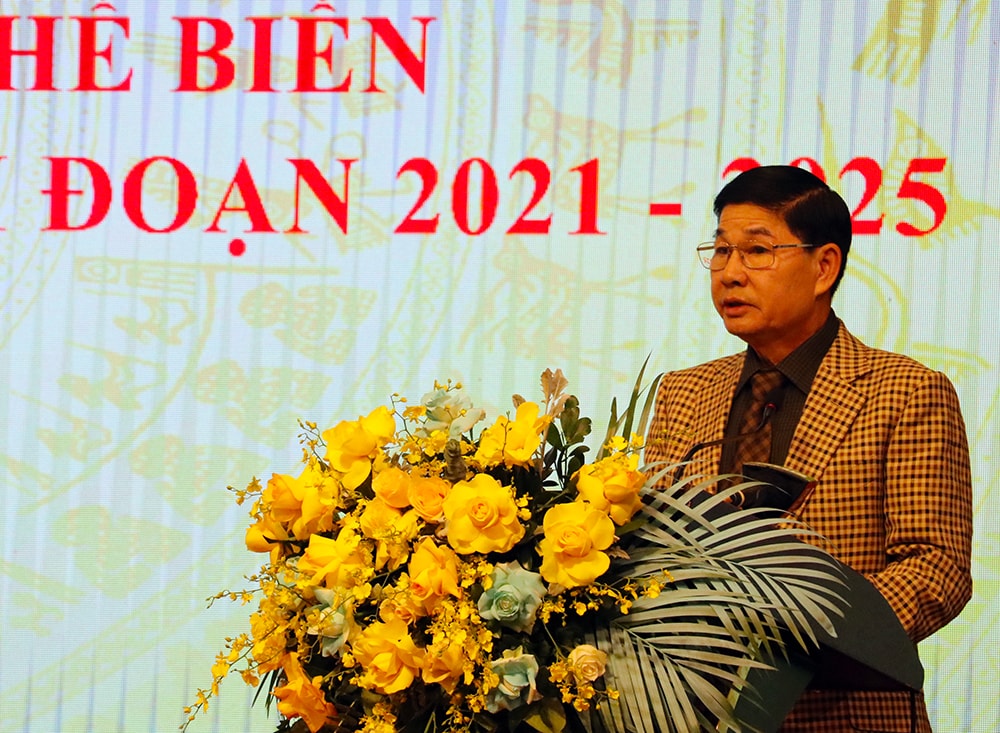 |
| On behalf of the Vietnam Wood and Forest Products Association, Mr. Do Xuan Lap proposed three major policy areas to the Prime Minister and relevant ministries and agencies at a conference on solutions to promote the production, processing, and export of forest products held in Nghe An on the morning of December 1st. Photo: Phu Huong |
According to Mr. Lap, thoroughly addressing the three aforementioned macroeconomic issues is a matter of survival for Vietnam's wood industry; and to achieve this, Vietnam's wood industry needs to...proposalwith the Prime Minister and ministries on three major policy areas.
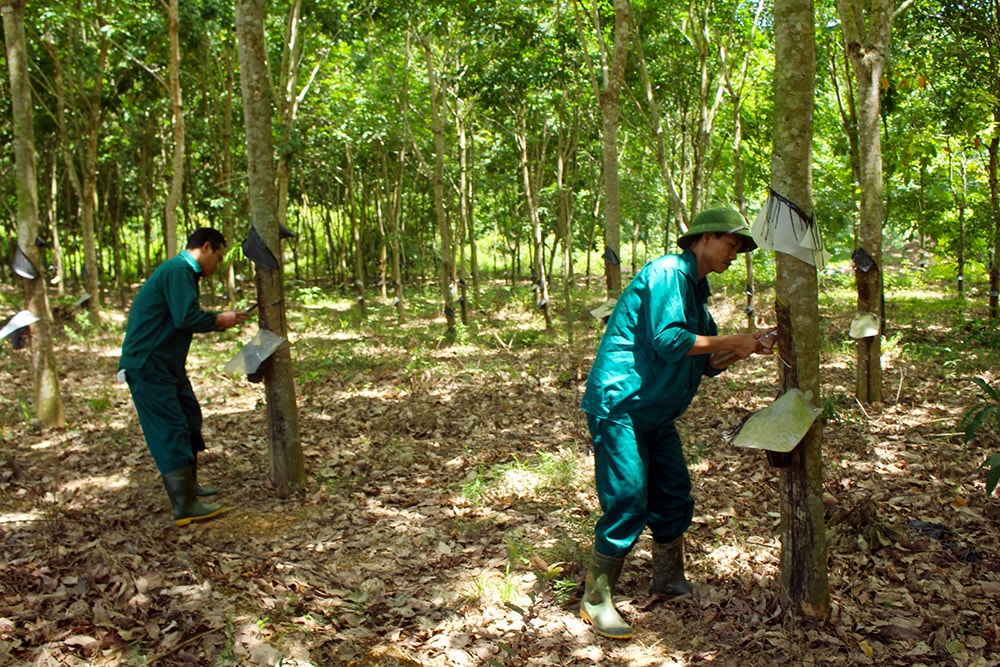 |
| Nghe An province is developing rubber cultivation and processing to improve the efficiency of planted forests. Photo: Phu Huong |
The first:Restructuring the wood processing area in conjunction with raw material sources, developing supporting industries, strategic markets, and strategic products based on Vietnam's strengths. This can be achieved through policy mechanisms to develop infrastructure for deep processing, and the construction of concentrated industrial zones, especially in the Central and Northeast regions – areas with abundant plantation timber resources.
"The government and local authorities need strong investment attraction policies to attract businesses; develop an ecosystem accompanying deep processing, develop supporting industries, and support and encourage forest-planting households to move towards creating sustainable certified timber sources," Mr. Do Xuan Lap suggested.
Monday:The government is strictly controlling trade fraud, including foreign investment projects, especially small-scale projects with simple technology, producing goods with signs of fraud, and those with capital from China, in order to reduce the trade deficit in timber products between Vietnam and the US.
Specifically, we propose that the Prime Minister direct the strengthening of mechanisms to control and prevent evasion of origin; request the Ministry of Industry and Trade to provide information, skills, and knowledge to wood associations on how to provide feedback in this area; and request the Ministry of Finance, especially the General Department of Customs, to strengthen control over the import of semi-finished products that have undergone preliminary processing for the production of wood products currently subject to US anti-dumping duties.
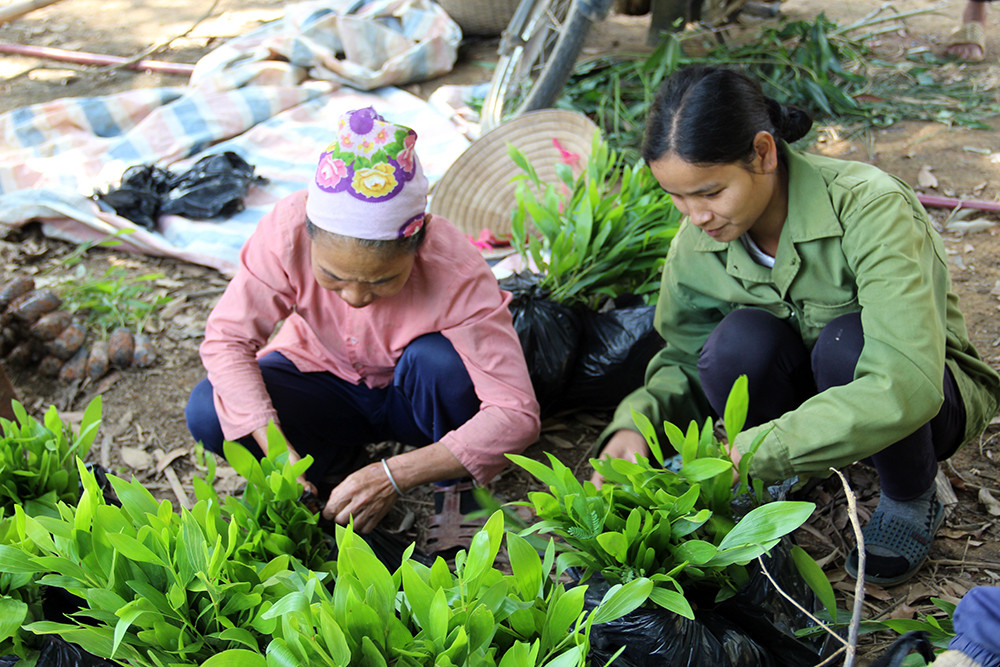 |
| The people of Tan Ky are still mainly growing small timber trees. Photo: Van Truong's archives. |
Regarding investment fraud, we propose that the Prime Minister direct the Ministry of Planning and Investment and the People's Committees of provinces and cities, especially those in the Southeast region with a large presence of FDI enterprises, to strictly inspect FDI investment, particularly projects investing in product groups with a high risk of trade fraud – those goods subject to anti-dumping duties imposed by the United States.
In addition, to reduce the trade deficit in timber products between Vietnam and the United States, the government needs to enact policies that encourage the use of imported timber from the United States, not only for export but also for domestic consumption.
Thirdly: Completely eliminate the import of natural timber that shows signs of illegality. The ongoing accusations from environmental organizations are directly harming the industry.
Therefore, we propose that the Prime Minister direct a temporary halt to the import of round timber and sawn timber of natural origin from Cambodia and Laos. In the future, we request that the Prime Minister instruct the Ministry of Agriculture and Rural Development and the Ministry of Industry and Trade to establish a bilateral negotiation mechanism with Cambodia and Laos to ensure transparent and legal timber imports from these sources, before considering the possibility of resuming imports.
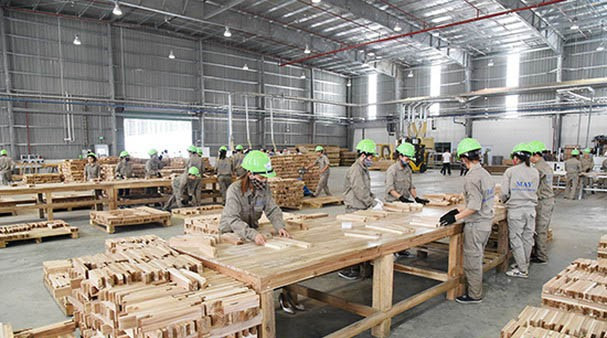 |
| Wood processing at Nghia Dan MDF Wood Factory. Photo: Phu Huong |
At the same time, we recommend that the Prime Minister and relevant ministries strengthen strict control over the import of natural timber from Africa, especially from Cameroon, in accordance with Decree 102 on Regulations on Ensuring Legally Sourced Timber; and that the Ministry of Industry and Trade, in coordination with the Ministry of Agriculture and Rural Development, promptly work with African countries that supply timber to Vietnam to promote the establishment of a legal and sustainable timber trade program between Vietnam and these countries.
Representatives of the association also proposed that the Prime Minister direct the Ministry of Industry and Trade and the Ministry of Agriculture and Rural Development to develop a program to develop the domestic market, prioritizing the use of plantation timber, plantation timber products, and imported timber from low-risk sources; and to promote and encourage a change in the habit of using natural forest timber imported from high-risk sources.
In particular, we propose that the Prime Minister direct the development of a public procurement policy for wood products that eliminates products made from imported natural forest wood from geographically unfavorable regions, removes risky wood types, and replaces them with wood from plantations and imported wood from legally guaranteed sources, especially from the United States.
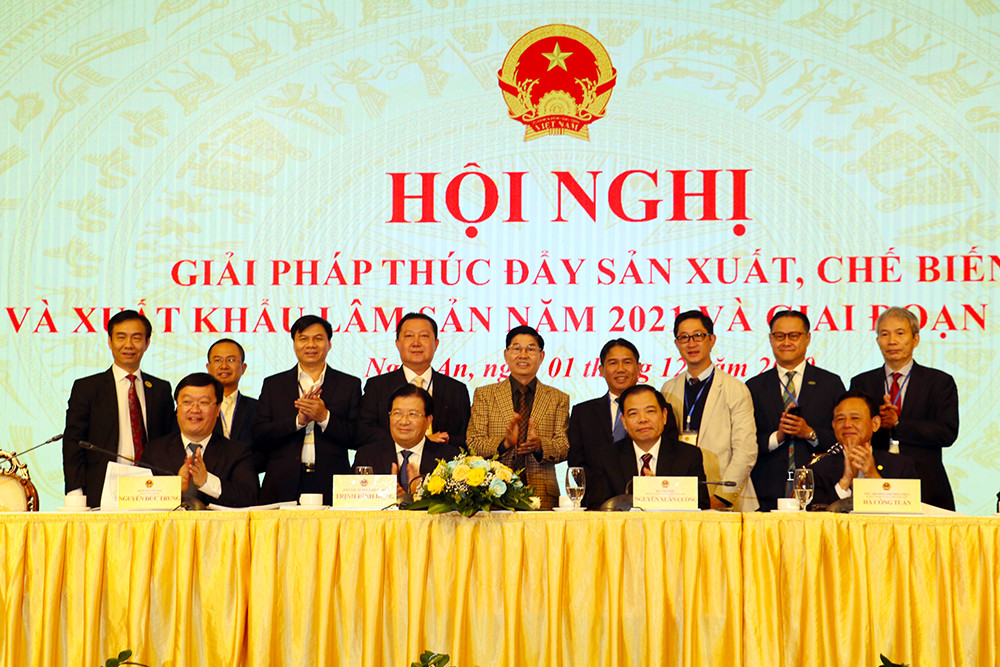 |
| The Vietnam Wood and Forest Products Association launches the Green Vietnam Fund. Photo: Phu Huong |
“Developing the domestic market by eliminating risky imported timber from the supply chain and encouraging the use of plantation timber not only ensures the fulfillment of the Government's commitments under the Voluntary Partnership Agreement but also helps enhance the image of Vietnam's timber industry internationally. At the same time, it creates opportunities for millions of households currently involved in planting raw material forests, directly contributing to improving people's livelihoods,” Mr. Do Xuan Lap affirmed.


