Lesson 1: When production is not yet linked to the market
After nearly a decade of implementing the "One Commune, One Product" (OCOP) program, with the involvement of the entire political system and the efforts of the business community, cooperatives, and production households, Nghe An has risen to become one of the leading localities nationwide in the development of OCOP products.
Nguyen Mai Linh - Hoang Hoa| Design:Huu Quan
• August 8, 2026
After nearly a decade of implementing the "One Commune, One Product" (OCOP) program, with the involvement of the entire political system and the efforts of the business community, cooperatives, and production households, Nghe An has risen to become one of the leading localities nationwide in the development of OCOP products.

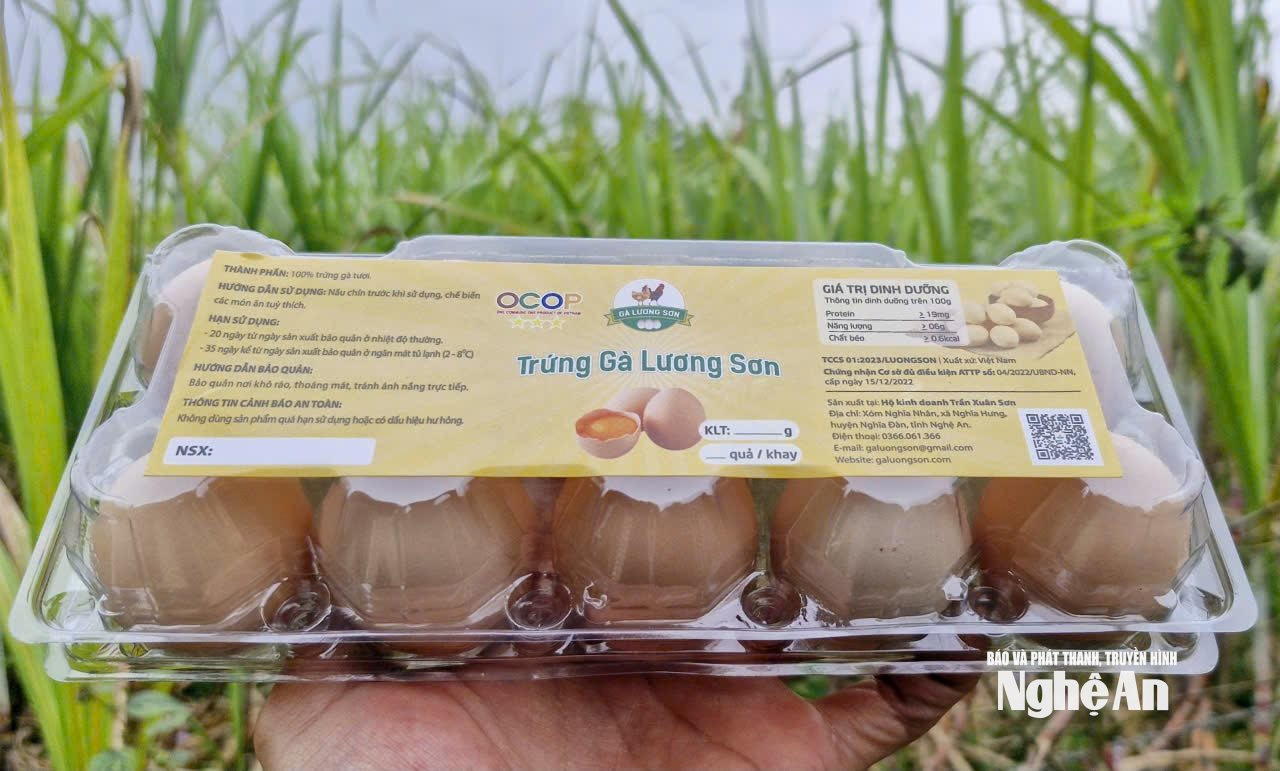
By the end of June 2026, Nghe An province had 588 valid OCOP products, including 3 products achieving 5-star rating and 40 products achieving 4-star rating. The product catalog is becoming increasingly diverse; many products have received systematic investment in production processes, traceability, packaging, and labeling; science and technology are gradually being applied to processing; and the province is effectively leveraging its advantages in local resources and traditional cultural values.
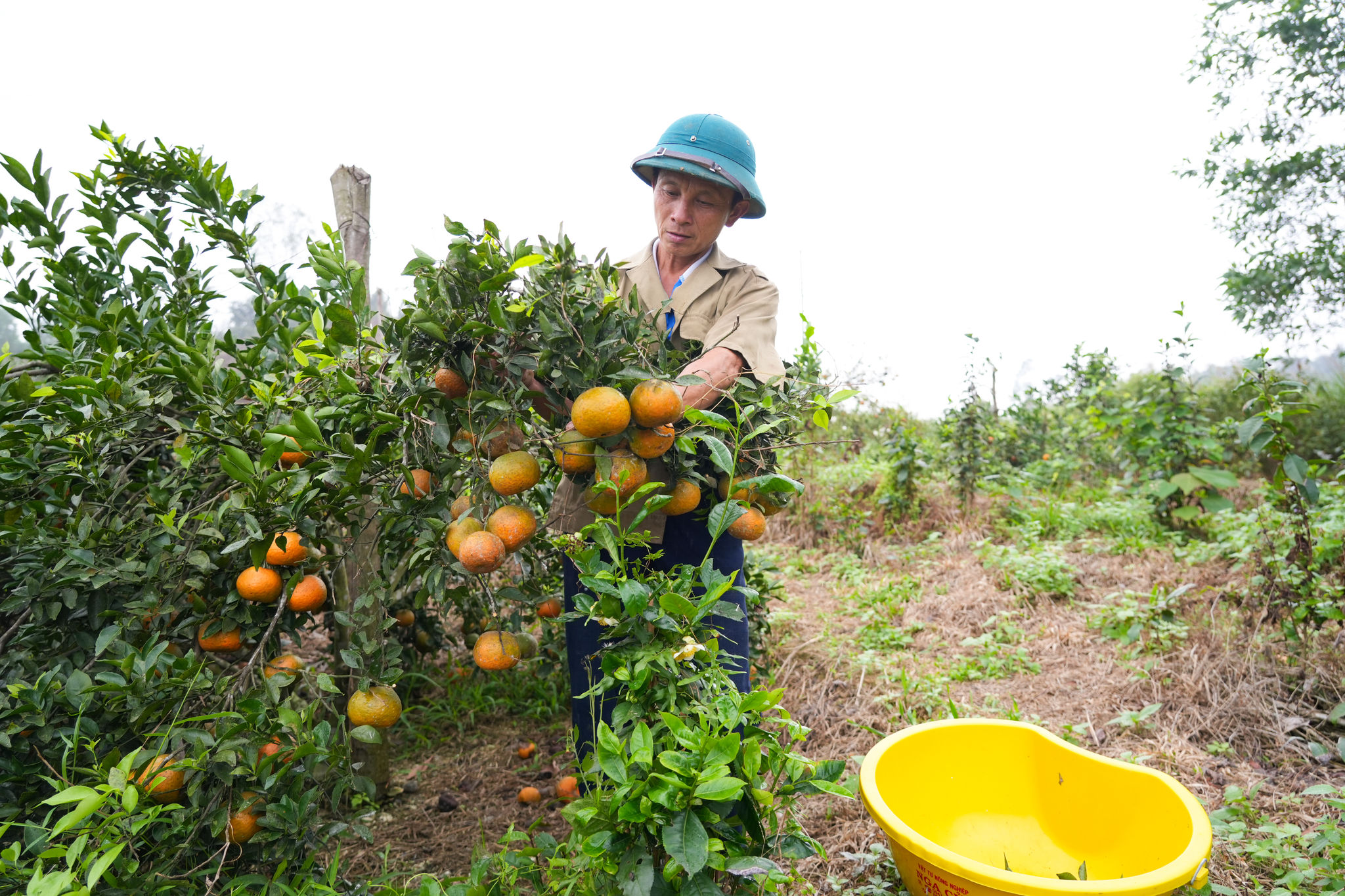
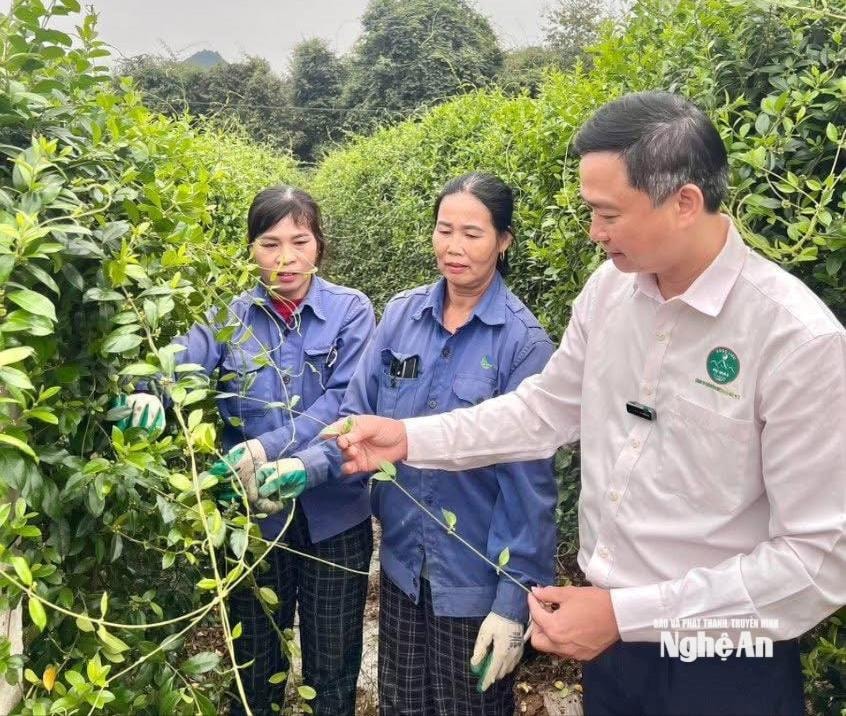
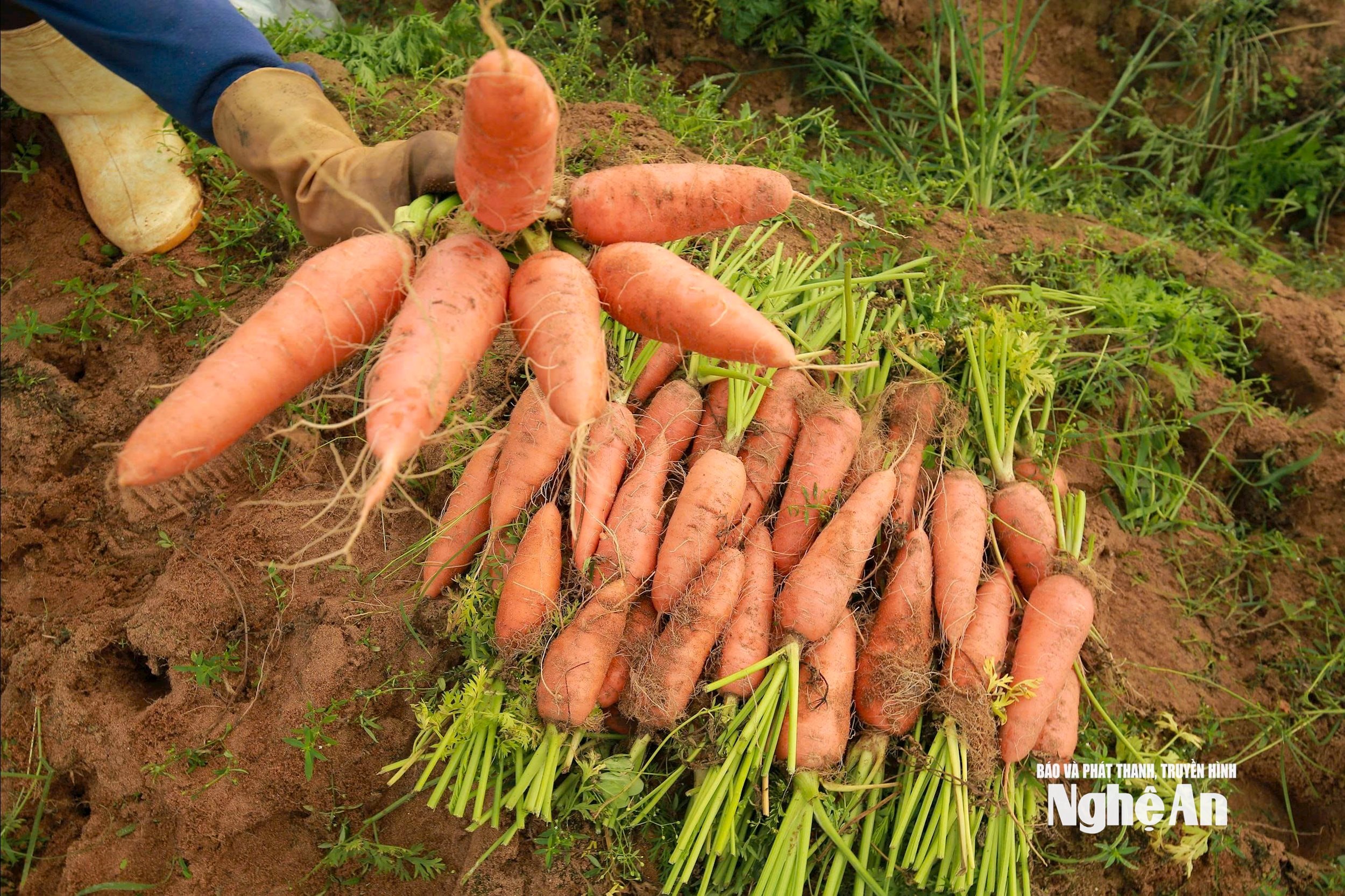

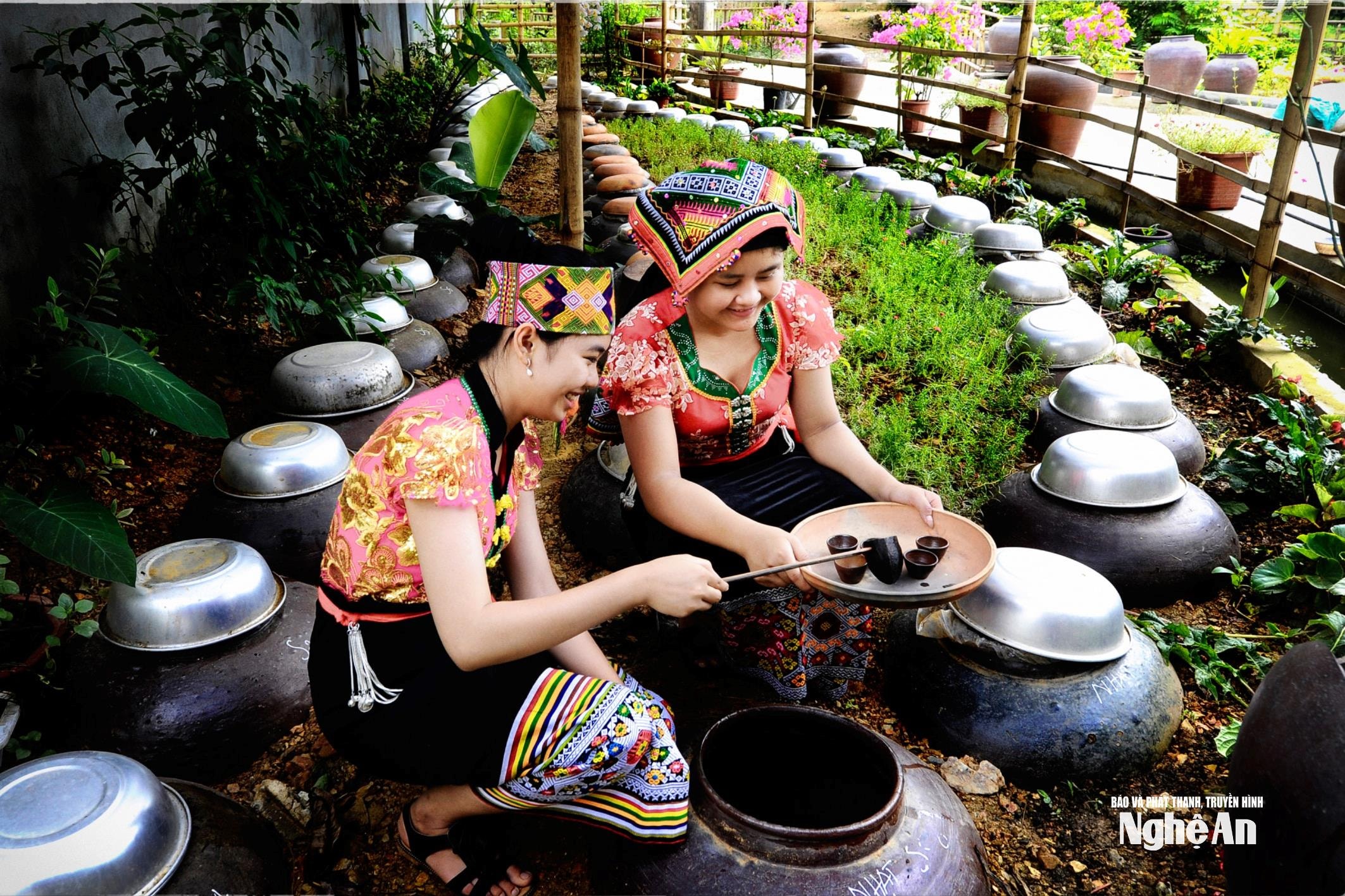
Products bearing the distinctive mark of Nghe An province, such as Vinh oranges, Nam Dan soy sauce, tea, honey, fish sauce, turmeric starch, medicinal products, and processed seafood, have contributed to increasing the value of agricultural products, reviving many traditional crafts, creating jobs, and increasing income for rural people. According to statistics from the agricultural sector, revenue from OCOP products with 3 stars or more increases by an average of 8-10% each year; the program creates regular jobs for about 2,300 workers along with thousands of seasonal workers.
These figures show that OCOP has truly become an important driving force in rural economic development. However, behind these remarkable achievements, a paradox still exists.
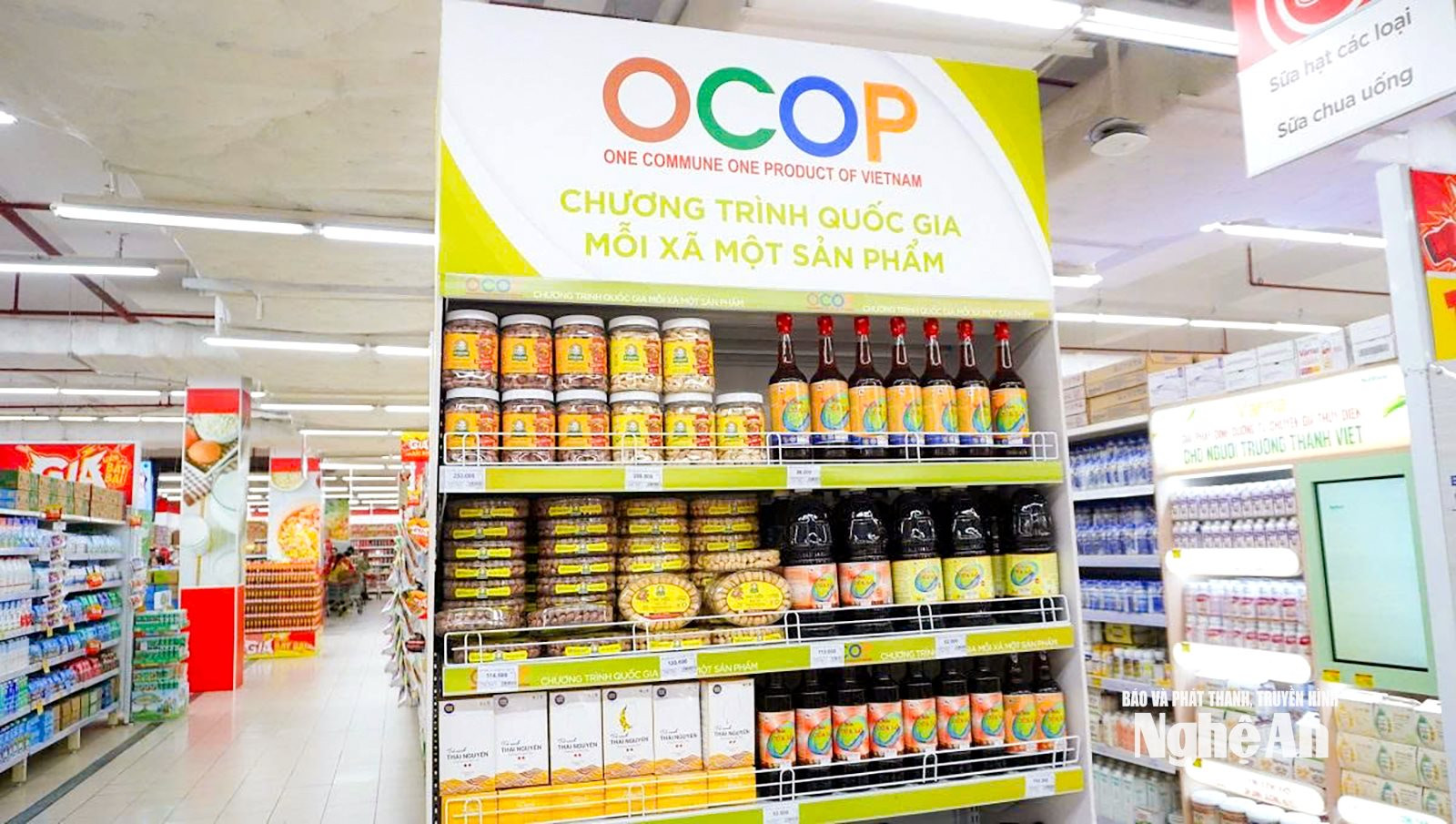
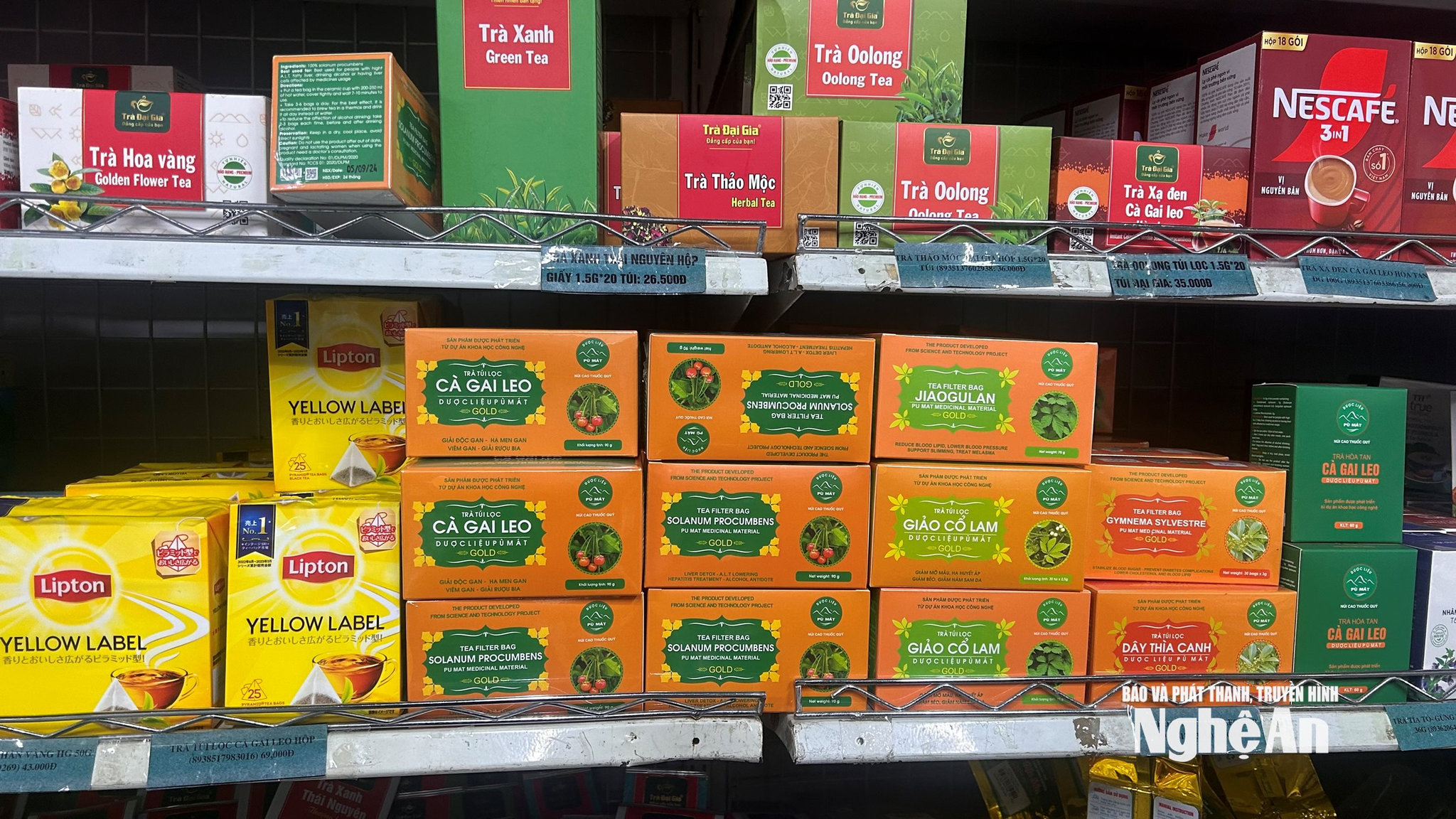
Despite having one of the highest concentrations of OCOP (One Commune One Product) products in the country, Nghe An has very few products regularly available in modern retail systems; the number of products that have established a foothold on e-commerce platforms remains quite modest. The majority are still consumed locally or through trade fairs, promotional programs, and purchases by agencies and organizations as gifts. This raises a thought-provoking question: Where does the bottleneck for OCOP in Nghe An lie? Is it in product quality or in the ability to bring products to market?

According to Decision No. 26/2026/QD-TTg of the Prime Minister, OCOP products are specialty and unique products of local origin, produced according to standards associated with traditional cultural values, ensuring food safety, environmental protection and social responsibility, aiming for green and sustainable development. Thus, OCOP is not just a product that meets technical standards, but must also embody the identity, distinctiveness, and story of the land where the product is created.
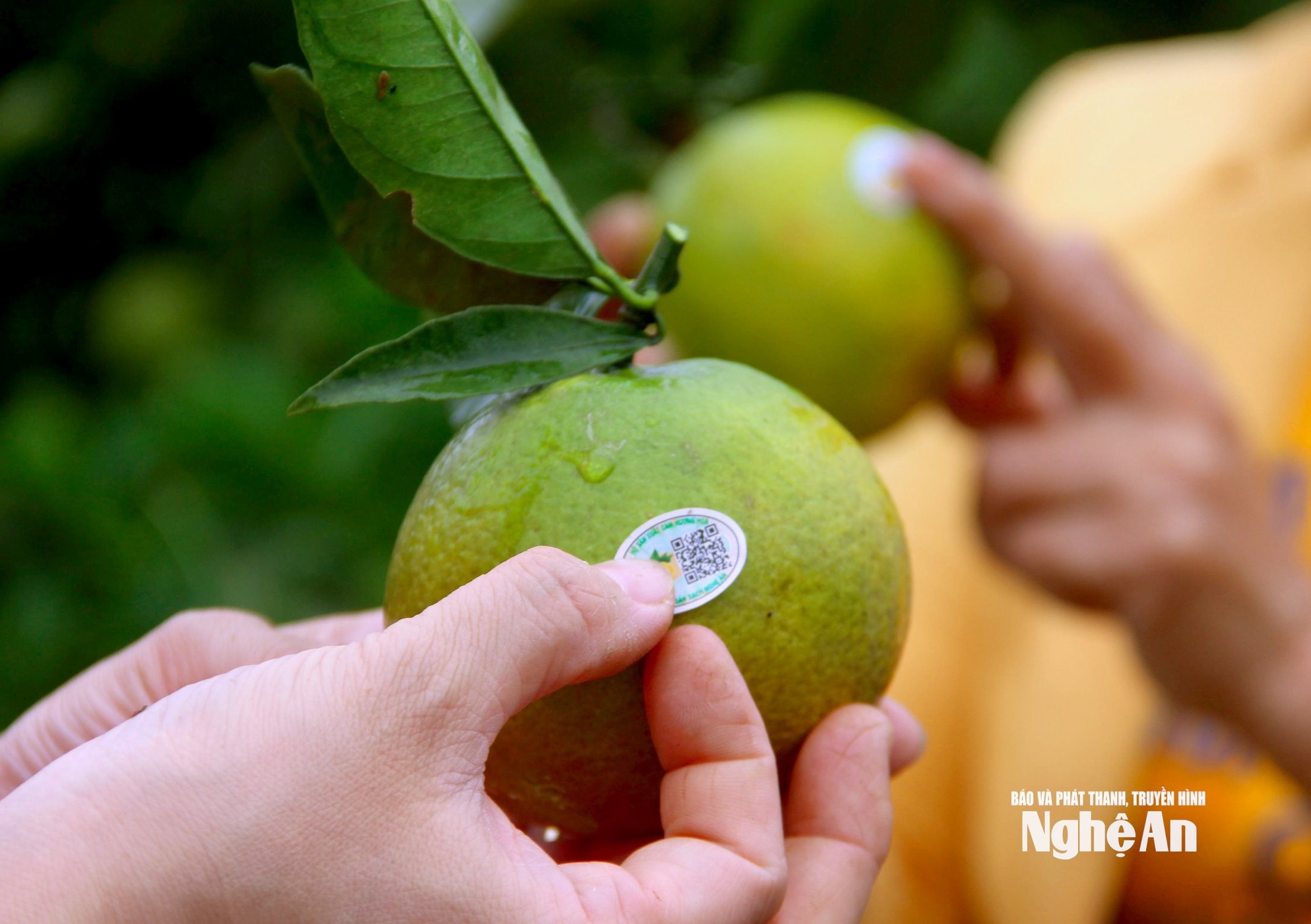
To be awarded 3 to 5 stars, each product must undergo a rigorous evaluation process regarding sourcing, production processes, food safety, traceability, packaging, labeling, and community value. According to the new criteria, in addition to technical quality, uniqueness, marketability, product storytelling, and market potential are also important factors.
.png)
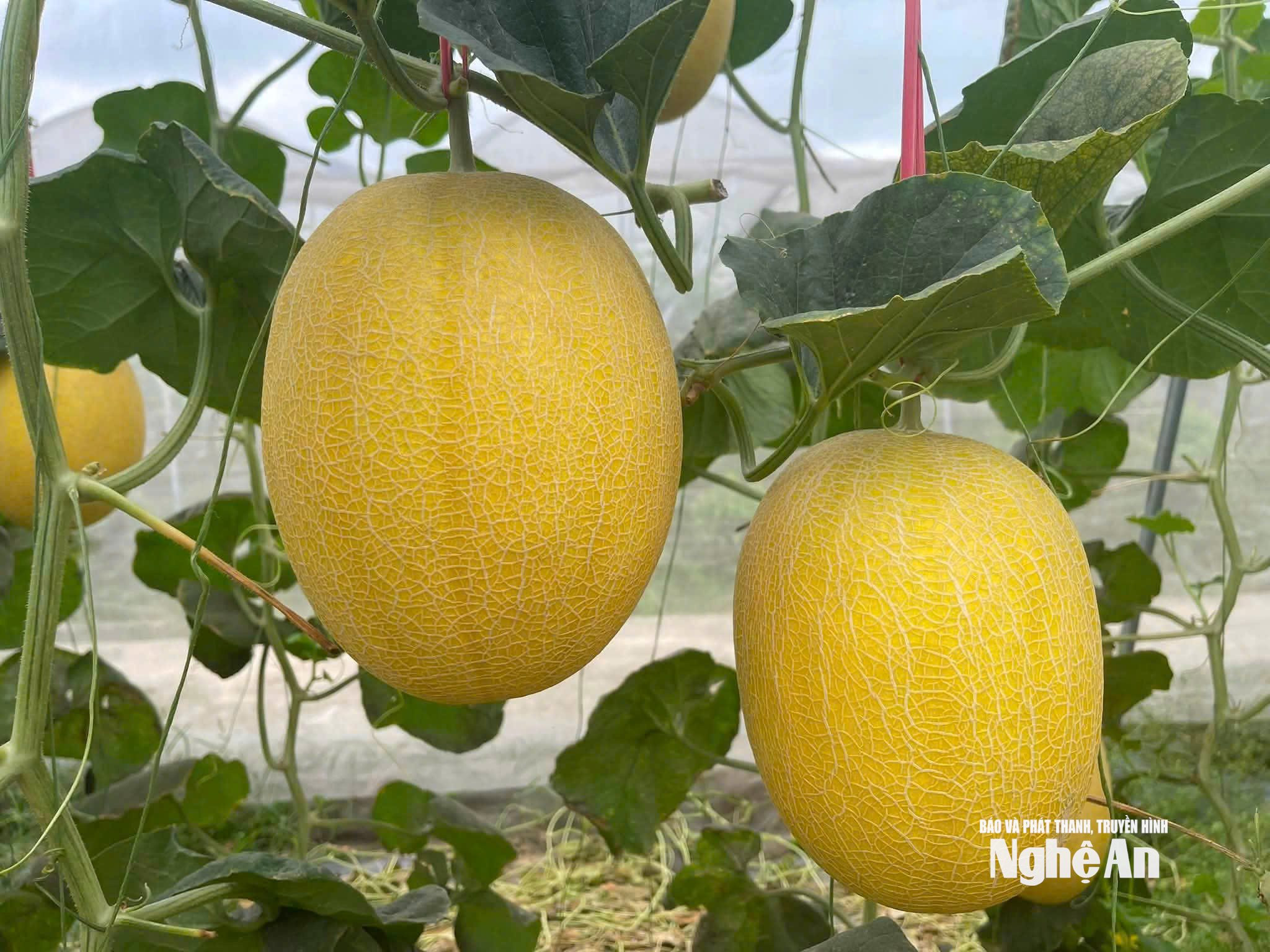
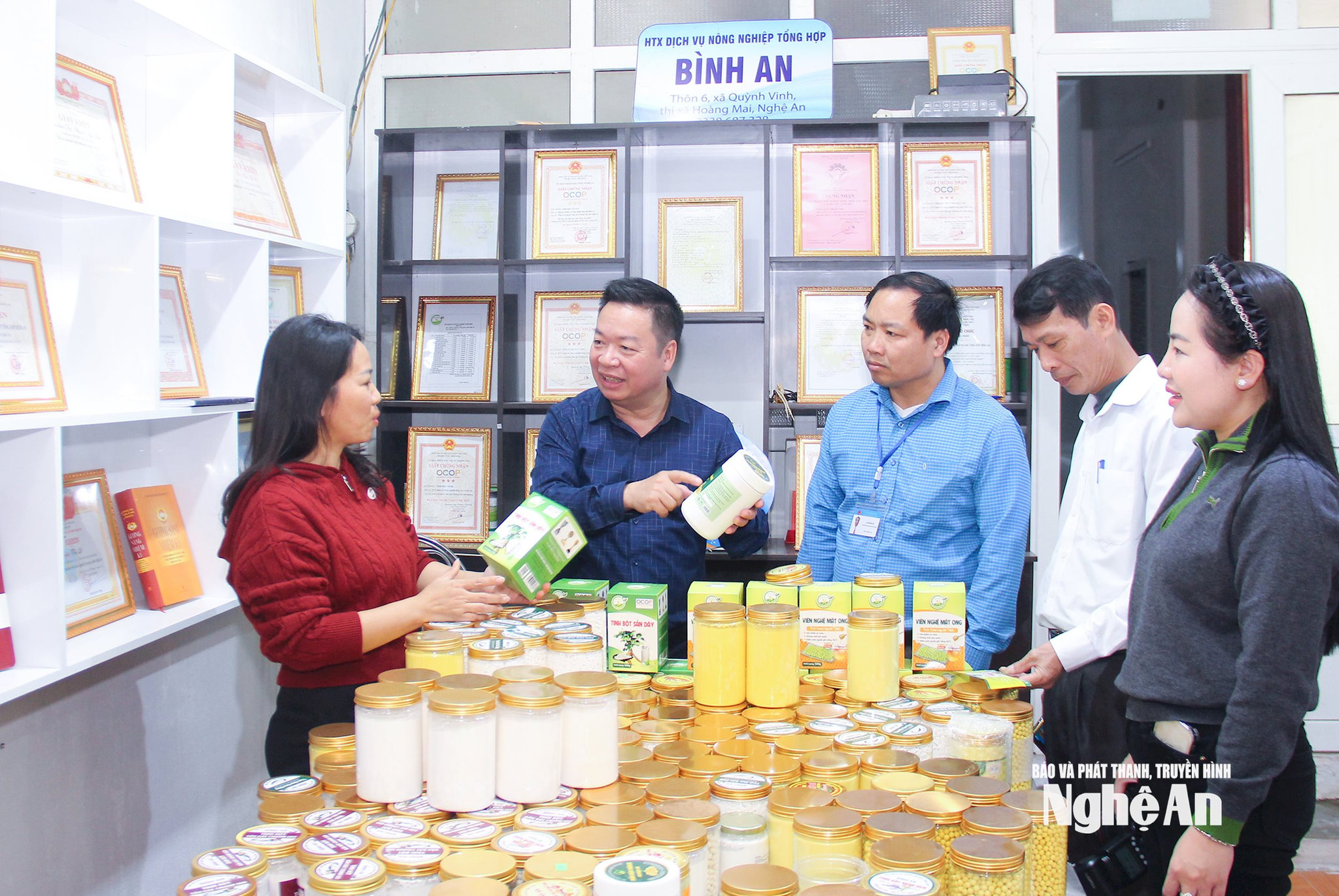
In reality, many businesses and cooperatives have boldly invested in modern processing lines, built concentrated raw material areas, and applied quality management systems such as VietGAP, HACCP, and GlobalGAP. Many products have attractive designs, fully meet the required standards, and are gradually establishing their reputation in the market. In terms of technical quality, many OCOP products from Nghe An are fully capable of competing with similar products sold in large supermarkets. So why do Nghe An's OCOP products still appear relatively modestly on modern store shelves?
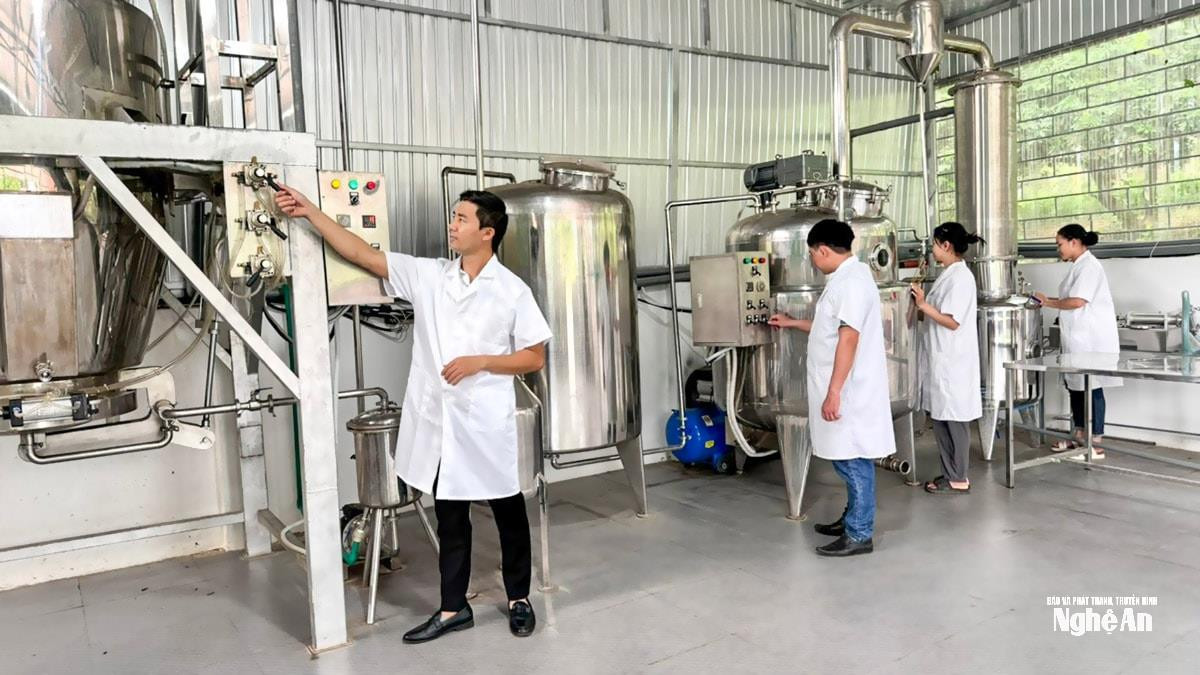
One of the key reasons lies in the scale of production. Of the province's 449 OCOP (One Commune One Product) entities, only 70 are enterprises, accounting for 15.6%; the rest are mainly cooperatives, cooperative groups, and household businesses. Household businesses alone account for more than 41% of the total number of entities.
This structure accurately reflects the current reality of OCOP production: The majority of establishments are small-scale, limited in capital, management capacity, technology, and the ability to expand. Many only produce seasonally or according to orders. When market demand increases, they lack the capacity to expand production; conversely, when purchasing power decreases, they lack the ability to stockpile and regulate goods. Meanwhile, modern retail chains always require a stable supply year-round, consistent quality across batches, and the ability to quickly respond to increased market demand.
Nghe An has many advantages for developing OCOP products and local specialties with diverse varieties, increasingly improved quality, and a strong regional cultural identity. However, the number of products present in modern retail systems is still quite modest compared to the existing potential.”
Ms. Tran Thi Phuong Lan - Director of External Relations for the Central Region, Central Retail Vietnam Group
Furthermore, access to capital for OCOP (One Commune One Product) entities remains limited. Expanding production scale, investing in factories, warehouses, processing lines, raw material areas, or quality control systems all require significant financial resources. However, many small businesses, cooperatives, and individual producers still face difficulties in accessing credit, hindering the upgrading of production capacity to meet market demands.

Another concerning reality is that many OCOP (One Commune One Product) businesses are still producing with a mindset of traditional craftspeople rather than marketers. Many are focusing their efforts on improving product quality but investing very little in market research, branding, marketing, and distribution system development. Numerous products are of good quality, but their packaging lacks distinctiveness, recognition, and differentiation from similar products.
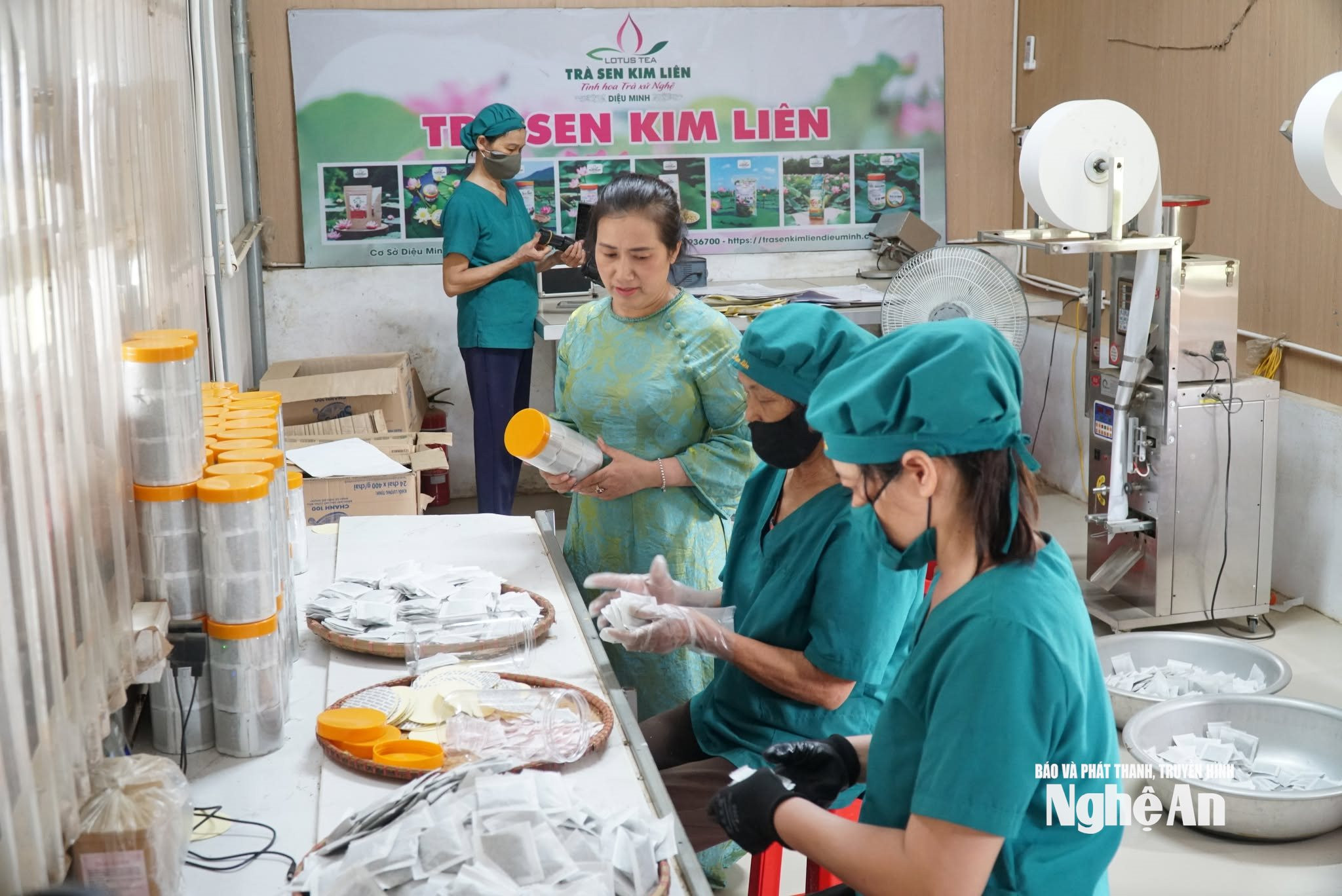
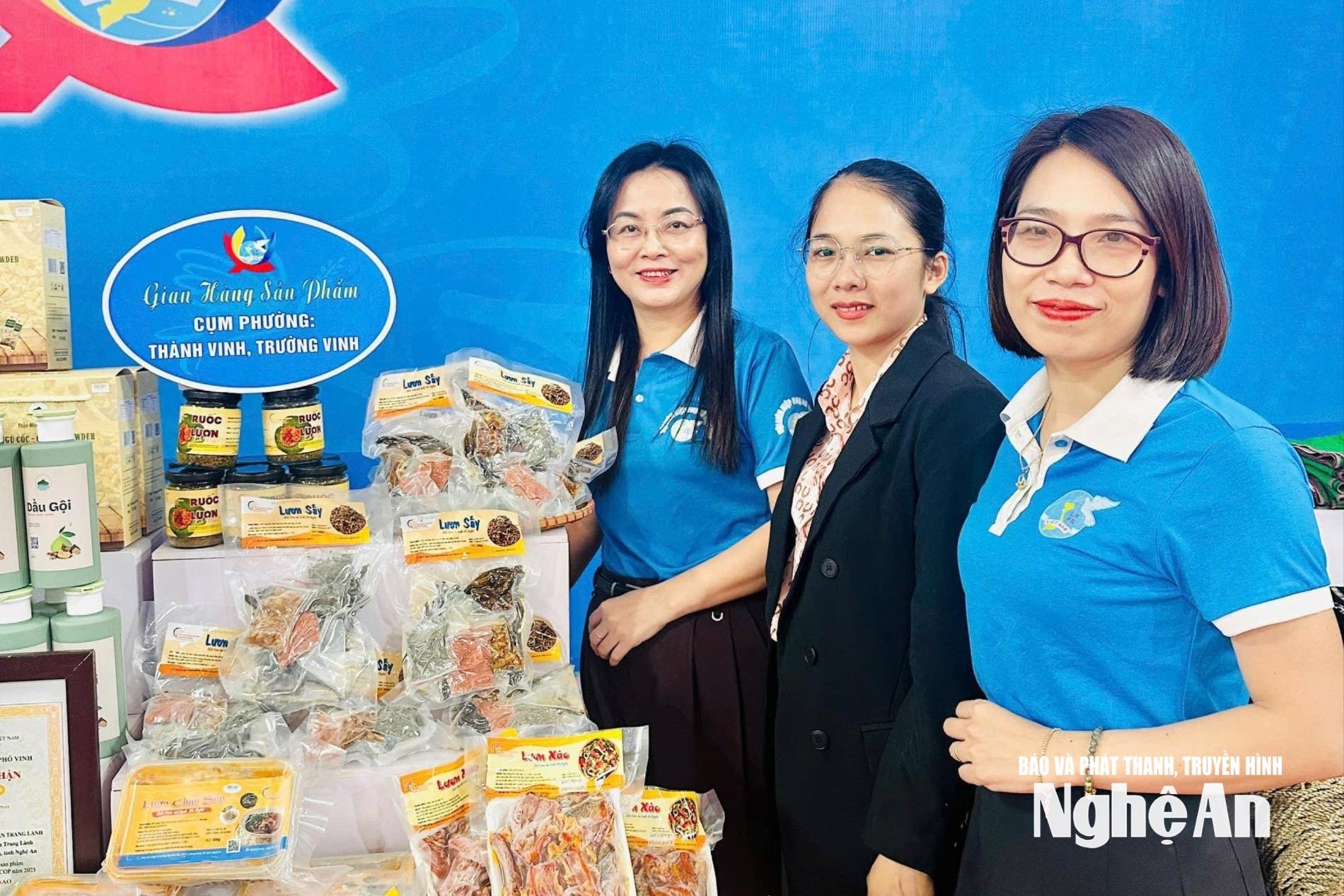
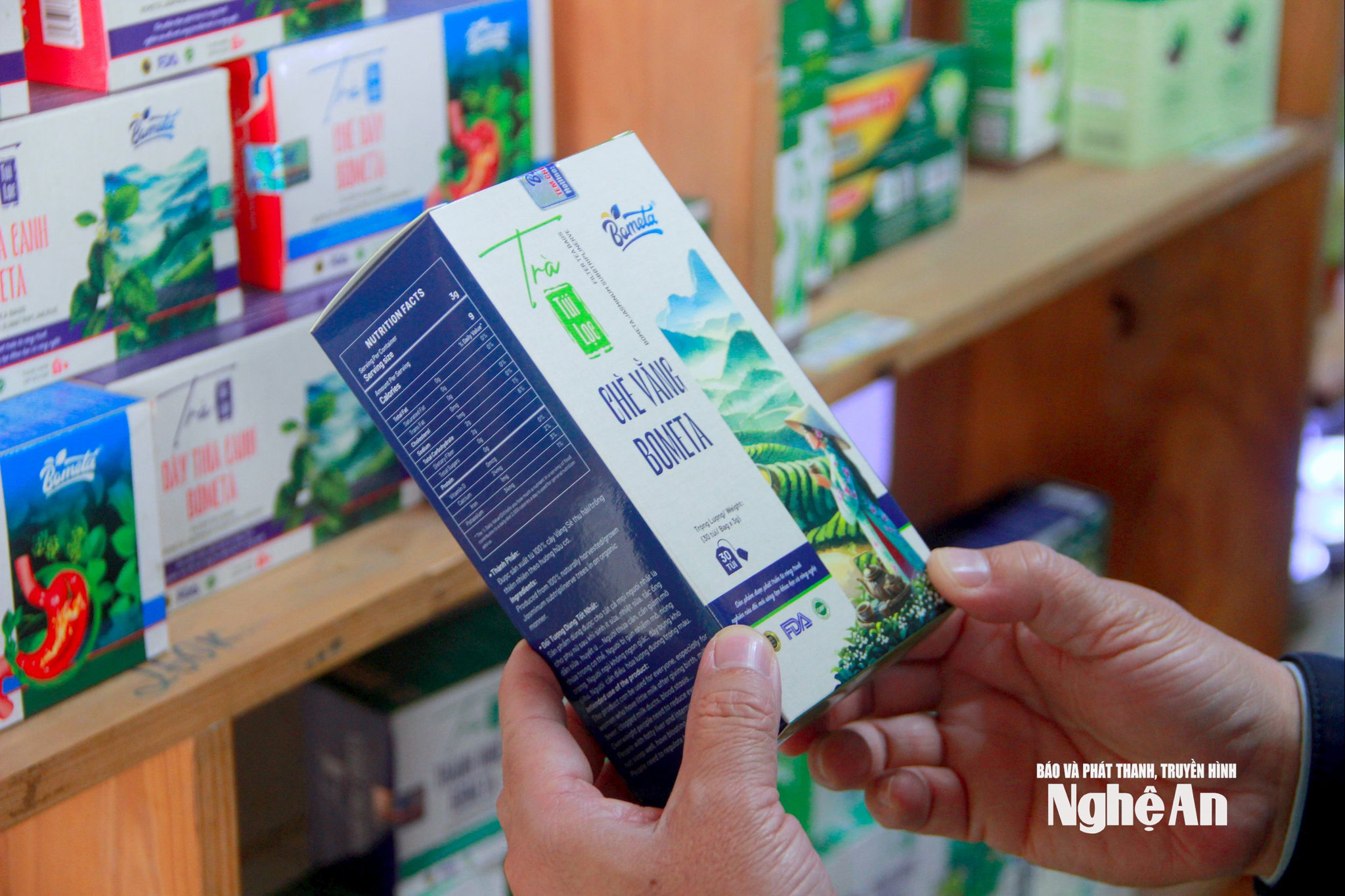
This also leads to another paradox: While the number of OCOP products in Nghe An is increasing rapidly, truly representative products with the potential to lead the market remain few. In many localities, OCOP development still primarily relies on existing products, while neglecting the development of large-scale raw material areas and the creation of distinctive products with long-term competitive advantages. This reality shows that it's time to re-evaluate the OCOP development process in a more substantive way. The success of the OCOP program cannot be measured solely by the number of recognized products, but must be affirmed by its competitiveness in the market, the vitality of the brand, and the trust of consumers.
Among the 588 existing OCOP products in Nghe An, the important thing is not just how many more products achieve 3, 4, or 5 stars, but how many will be strong enough to transcend the local boundaries, conquer modern retail systems and e-commerce platforms, and gradually establish their position in both domestic and international markets. That is the true measure of the "OCOP stars" in the market sky.