Lesson 2: The Journey from Product to Brand
While the initial phase of the OCOP program in Nghe An province focused on standardizing products and meeting the criteria for recognition, the current phase demands a crucial shift: from creating standardized products to building brands, developing markets, and enhancing value. The core issue is no longer how many more products achieve star ratings, but how to ensure those products can establish themselves firmly in the market.
Nguyen Mai Linh - Hoang Hoa| Design:Huu Quan
• August 8, 2026
While the initial phase of the OCOP program in Nghe An province focused on standardizing products and meeting the criteria for recognition, the current phase demands a crucial shift: from creating standardized products to building brands, developing markets, and enhancing value. The core issue is no longer how many more products achieve star ratings, but how to ensure those products can establish themselves firmly in the market.
.png)
Introducing a product into a modern retail system is not simply about meeting quality standards. Current supermarket chains have very strict control processes, from legal documentation, food safety certifications, barcodes, electronic invoices, and periodic testing to delivery, return, trade discounts, and system maintenance. This is in addition to requirements for stable production volume, on-time delivery, complaint handling, inventory management, and fulfilling the retailer's promotional programs.
These are all challenging requirements for the majority of OCOP entities in Nghe An, which are primarily small businesses, cooperatives, and household businesses.
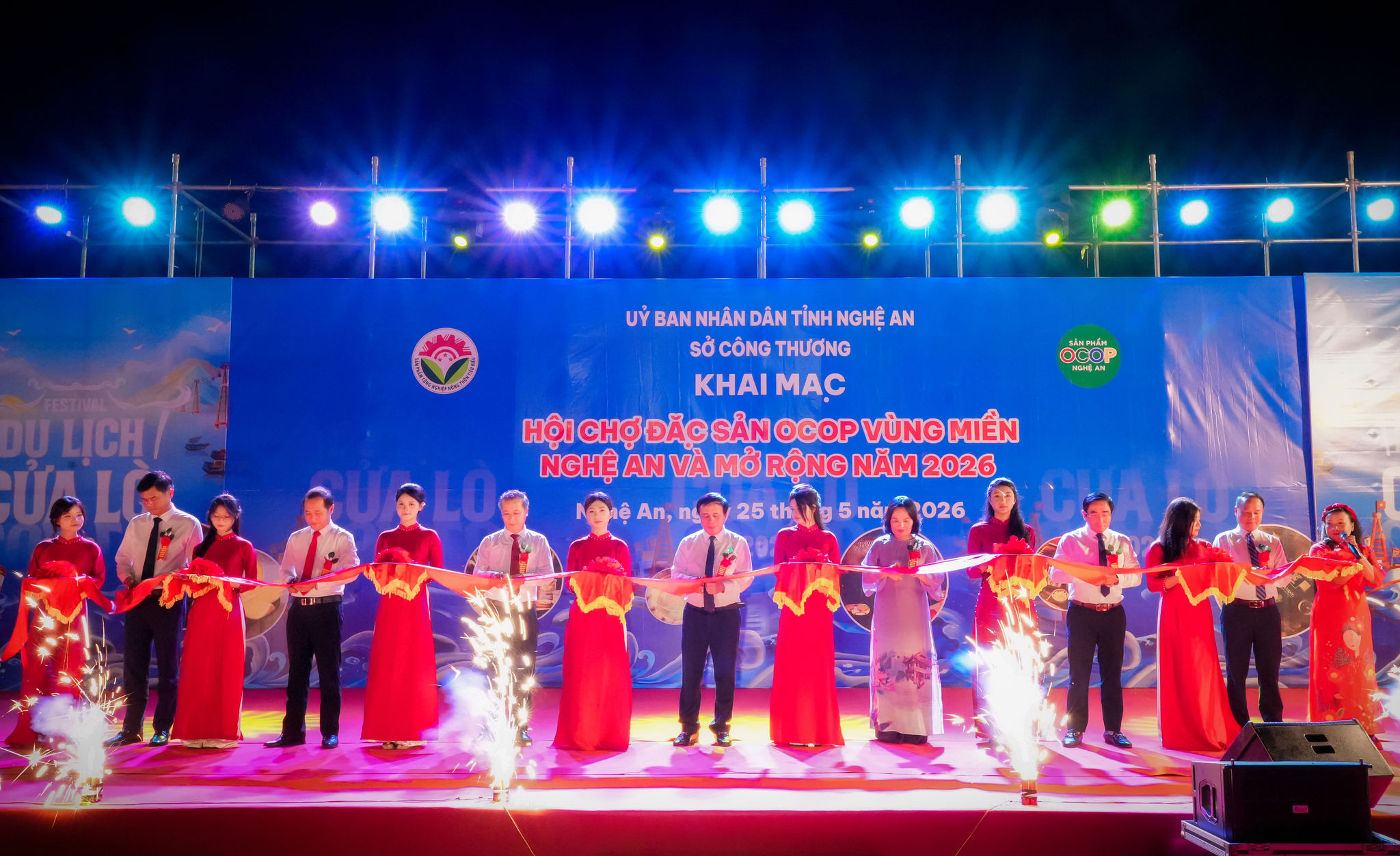
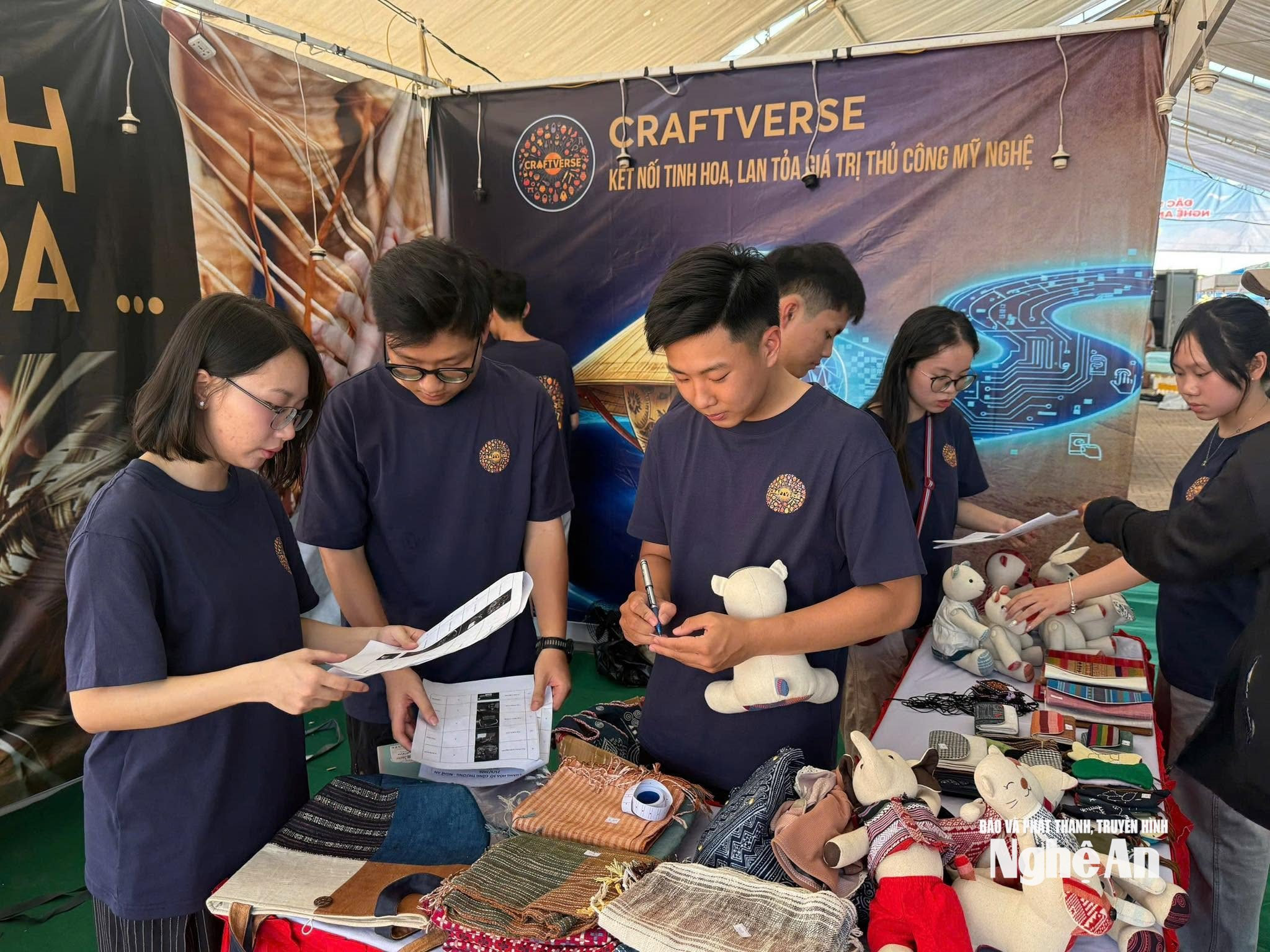
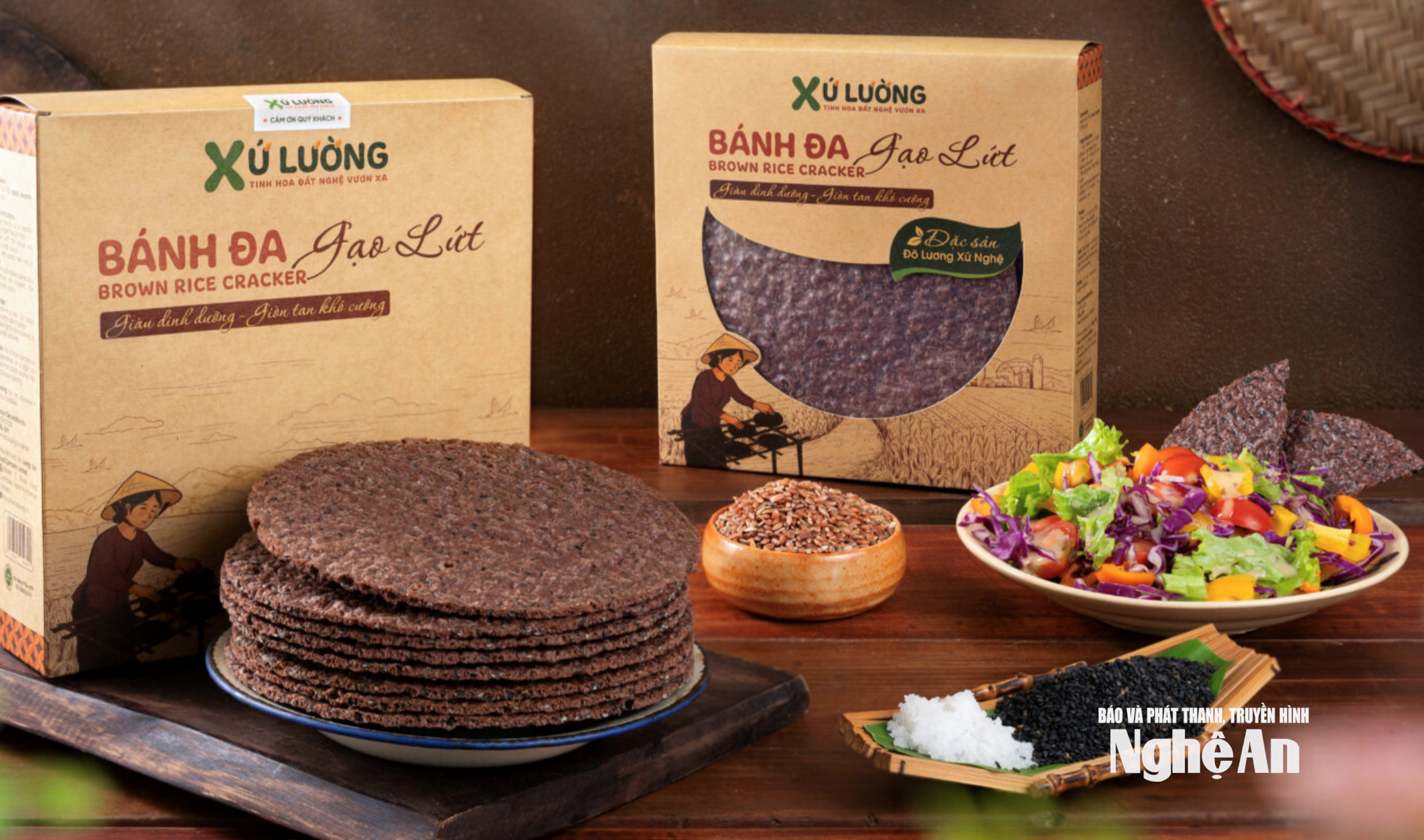
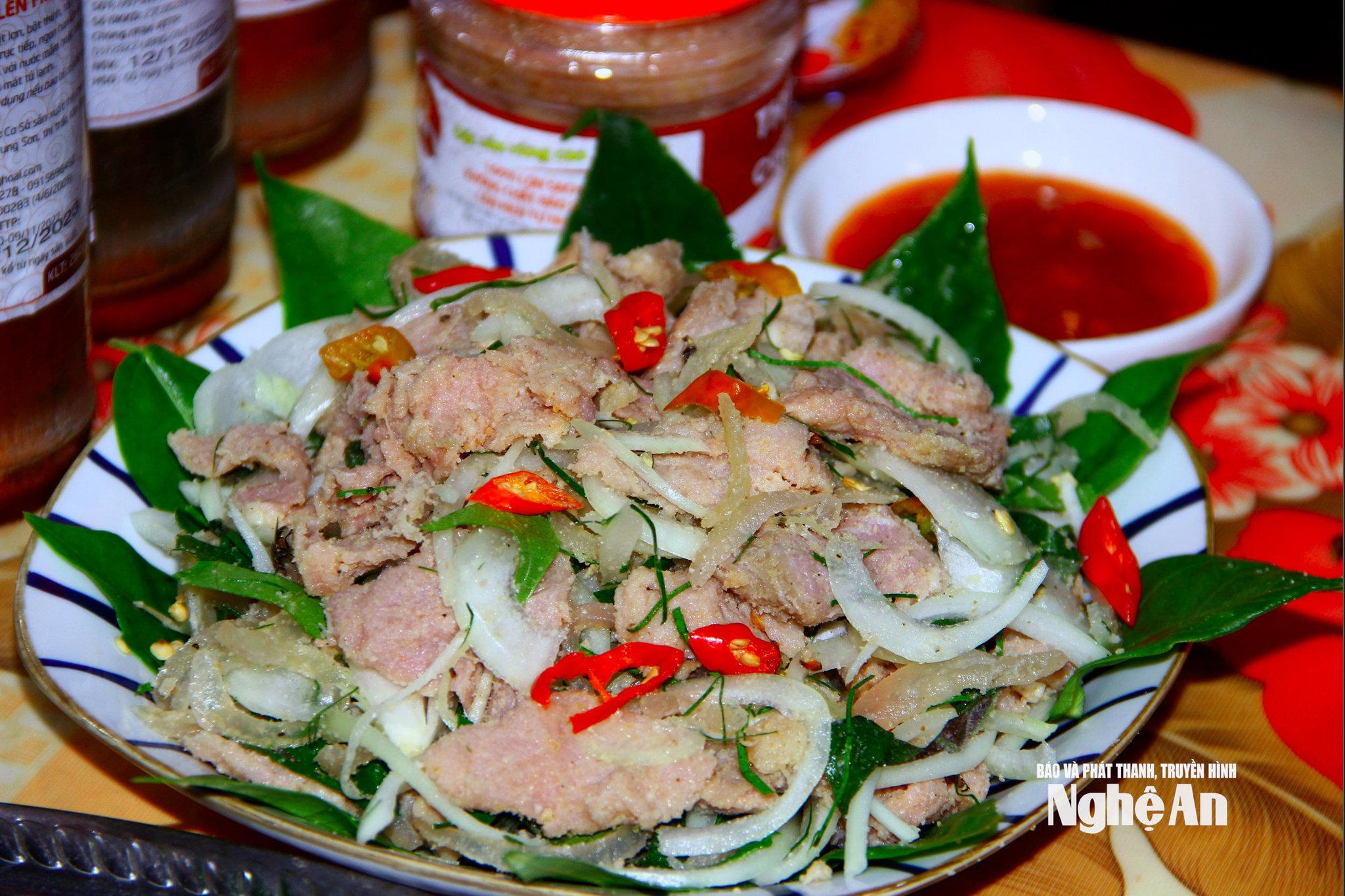
Another bottleneck that needs to be addressed is the lack of strong linkages in the value chain. Currently, most OCOP (One Commune One Product) entities still have to handle almost all stages themselves: from production, packaging design, branding, promotion, customer acquisition, to transportation and product distribution.
Mr. Tran Quoc Thanh, former Director of the Nghe An Department of Science and Technology and currently the owner of several OCOP products, proposed: "It's time to focus on in-depth development. We need to review and select products with cultural and unique elements to provide support in science and technology, standards, protection, and market access. Households, cooperatives, and small businesses should only focus on production. Businesses need to lead the promotion and consumption of products, starting with opening souvenir and specialty shopping centers in tourist destinations with large numbers of visitors such as Kim Lien, Cua Lo, and Vinh... From these locations, businesses will have the opportunity to promote their products on e-commerce platforms, smart tourism, and spread their brands."
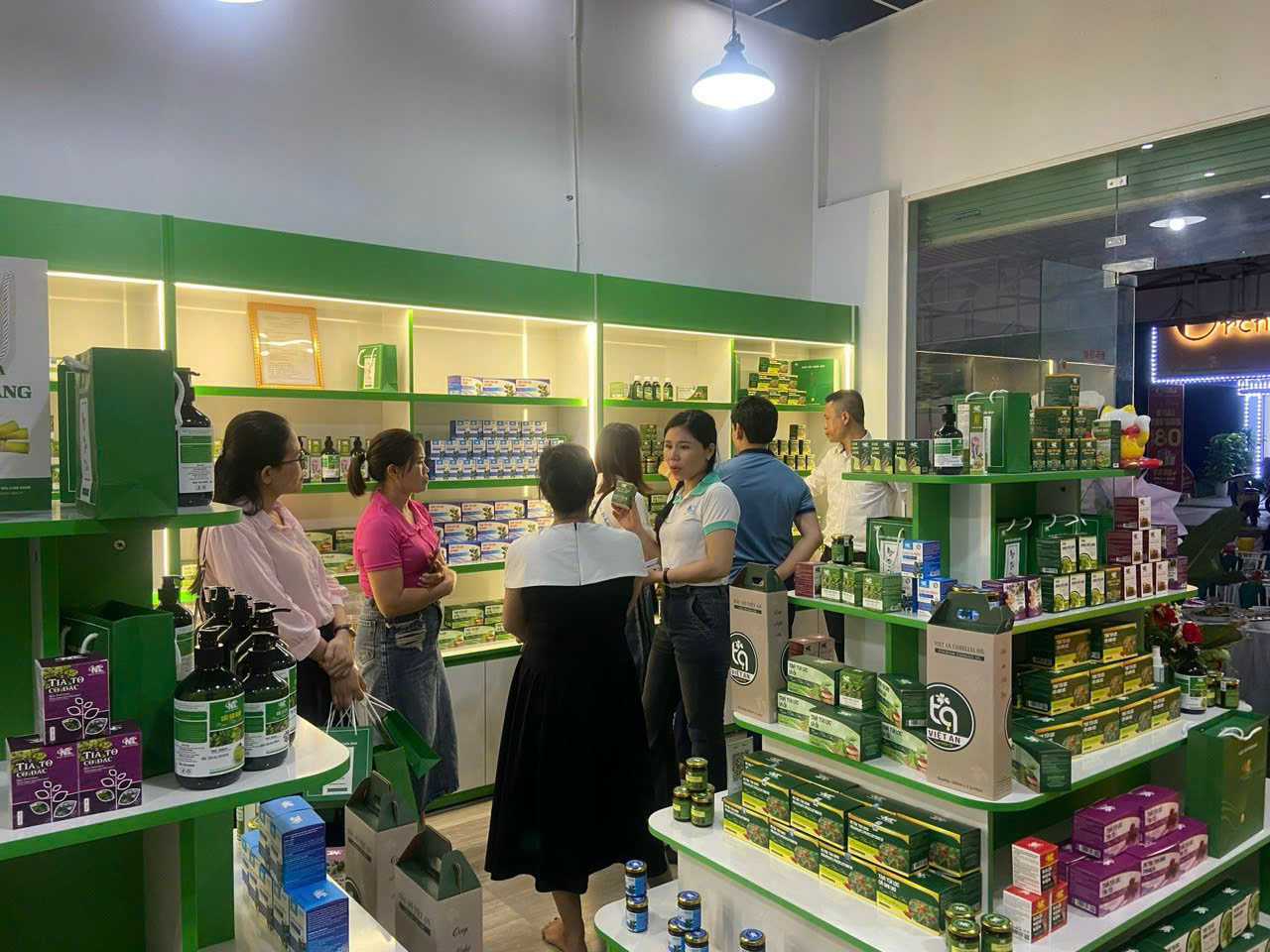
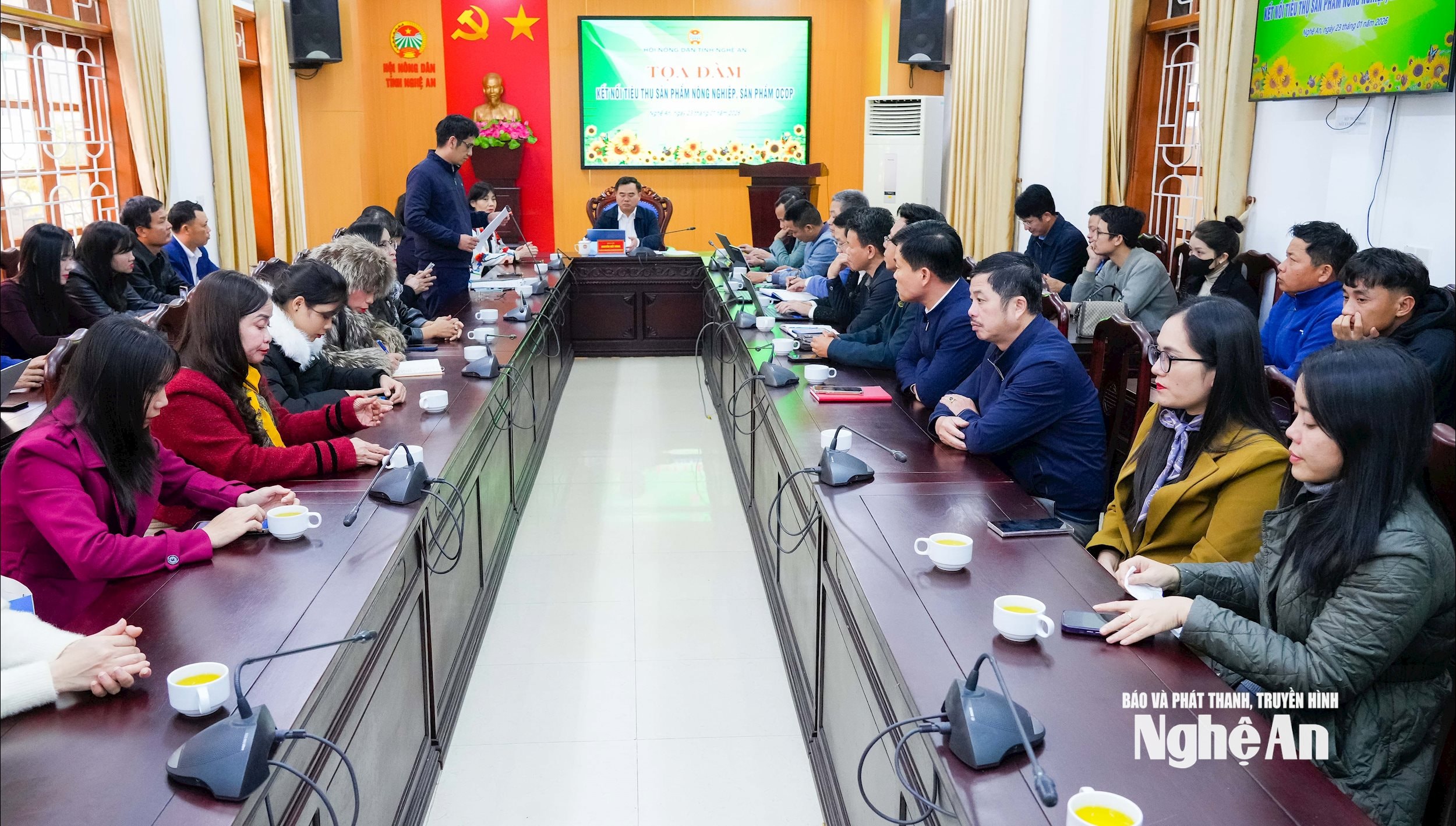
Sharing the same view as Mr. Tran Quoc Thanh, Mr. Nguyen Viet Hung - Chairman of the Provincial Farmers' Association - hopes that the competent authorities will agree in principle to allow the Provincial Farmers' Association to organize several points for introducing and selling OCOP products at locations convenient for tourism.
In the first six months of 2026 alone, Nghe An welcomed 6.75 million tourists, including 4.26 million overnight visitors and 55,000 international tourists. According to Mr. Hung, if only 30% of tourists visiting Nghe An had the opportunity to sample and purchase some of the products, the consumption and promotion of OCOP products would be significantly more effective and widespread.

In recent years, digital transformation has been considered a crucial direction for the OCOP program. To date, more than 300 OCOP products from Nghe An have been listed on the province's e-commerce platform and major platforms such as Shopee, Lazada, Tiki, TikTok Shop, Postmart, etc. 100% of these products are tagged with QR codes for traceability. This is a significant step forward. However, listing products on these platforms does not automatically guarantee sales.
Surveys of several e-commerce platforms reveal that many new products have only simple images, superficial descriptions, little investment in digital branding, and almost no promotional activities, livestreaming, or customer interaction. Many platforms have very few reviews, little post-sales feedback, and lack strategies for developing loyal customers.
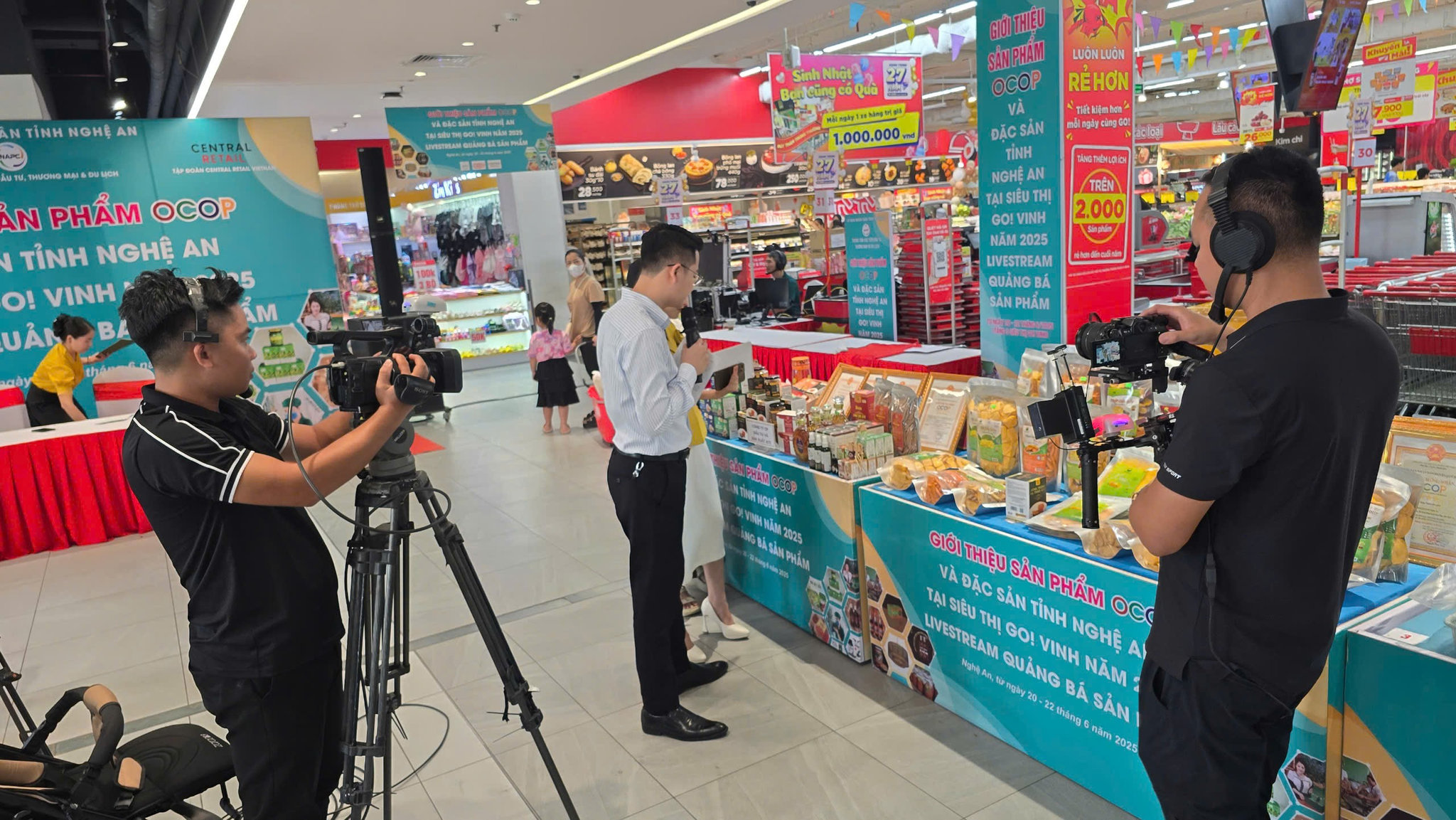
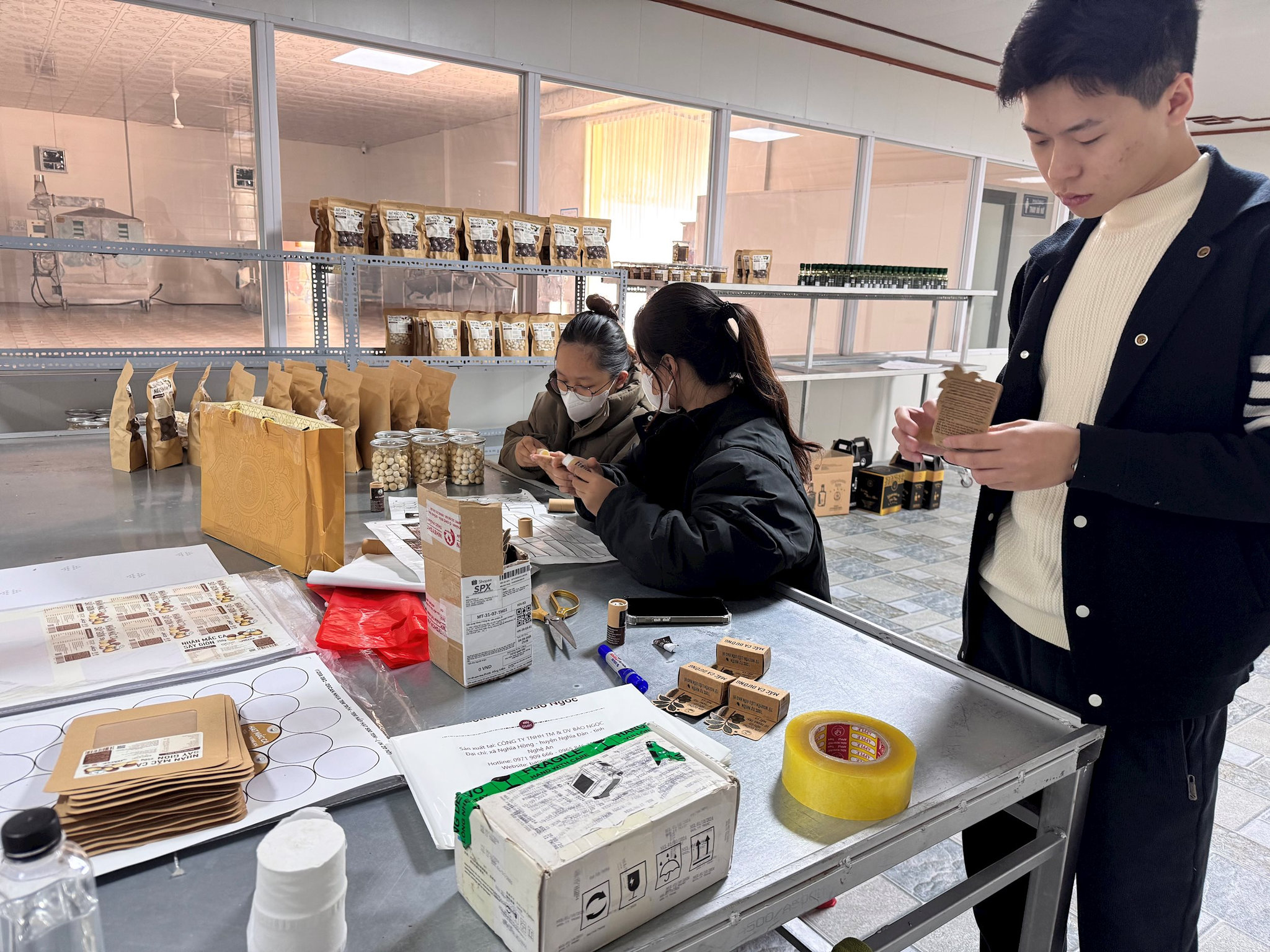
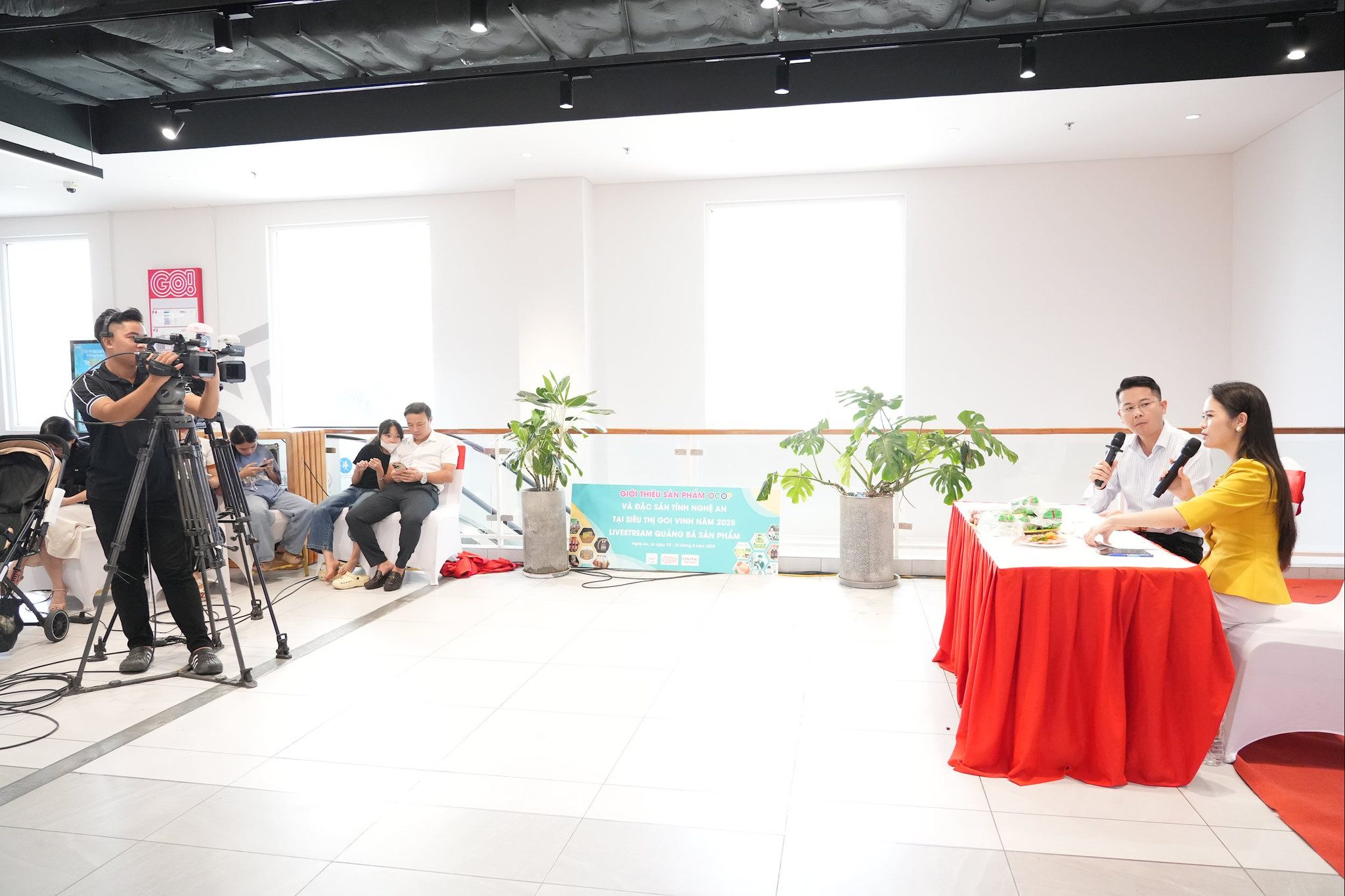
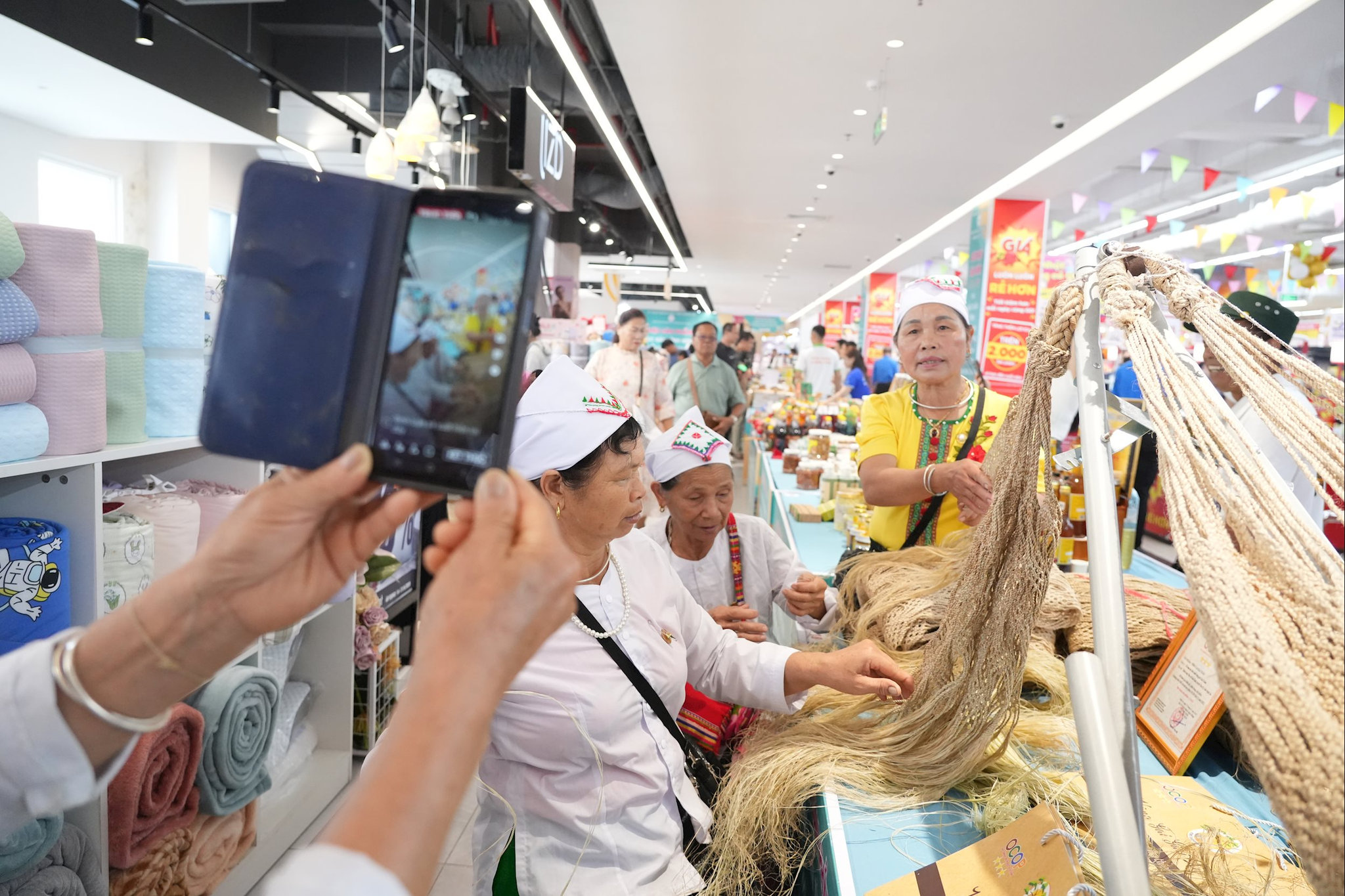
In the e-commerce environment, product quality is only one factor. The ability to tell a compelling product story, build customer trust, manage online stores, conduct digital advertising, provide customer service, and organize logistics are the decisive factors in sales. In other words, many OCOP (One Commune One Product) businesses in Nghe An have learned how to bring their products to the digital market, but they seem to lack the skills to truly do business in the digital environment.
Former Minister of Agriculture and Rural Development Le Minh Hoan shared an interesting perspective: If you only look at the number of stars, OCOP is simply a product; but if you look at it through the story, it's a slice of the land, the culture, and the community. When consumers understand where the product comes from, who made it, and what values it embodies, they will not only buy it because of the price but also because of trust. That trust is the most sustainable foundation for a brand.
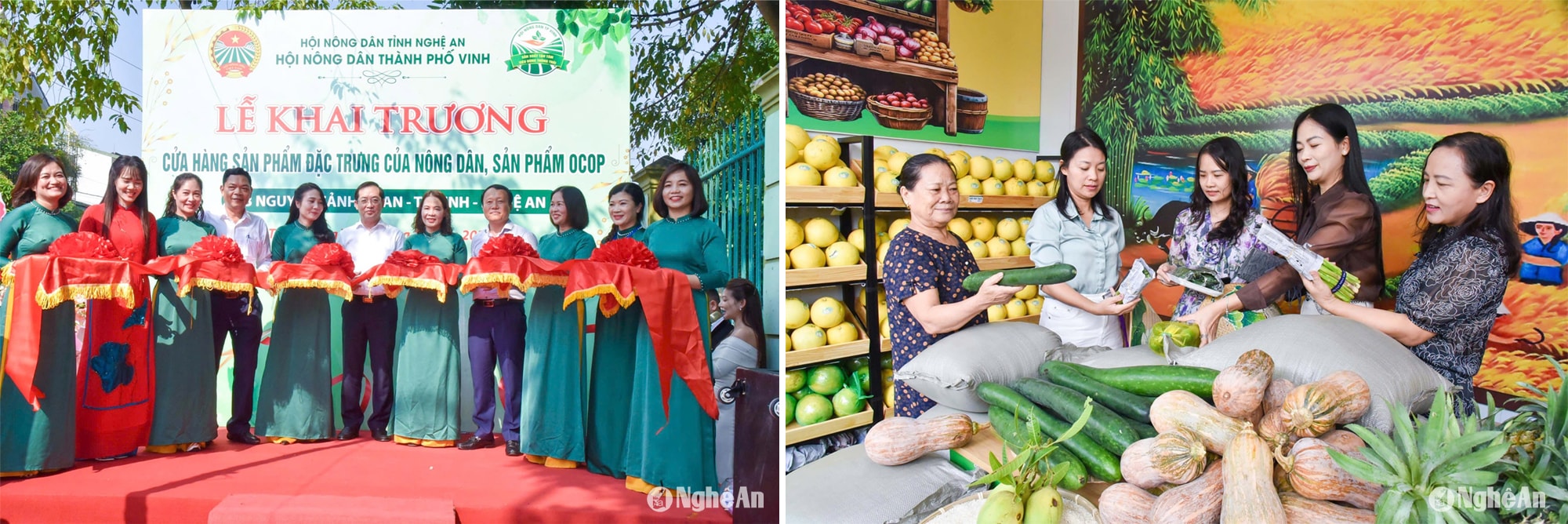

It can be seen that most of the limitations of OCOP in Nghe An stem from one core reason: the development mindset still leans more towards the goal of "being recognized" than "being accepted by the market," and more towards producing "what we have" rather than "what the market needs."
With OCOP, "what the market needs" should not be understood simply as chasing market trends while ignoring the inherent identity of the product. While ordinary goods can be adjusted to consumer demand, OCOP products must simultaneously address two requirements: meeting market needs while preserving the core values that create the unique characteristics and identity of the locality. This is the key difference in how OCOP products build their brand and develop their market.
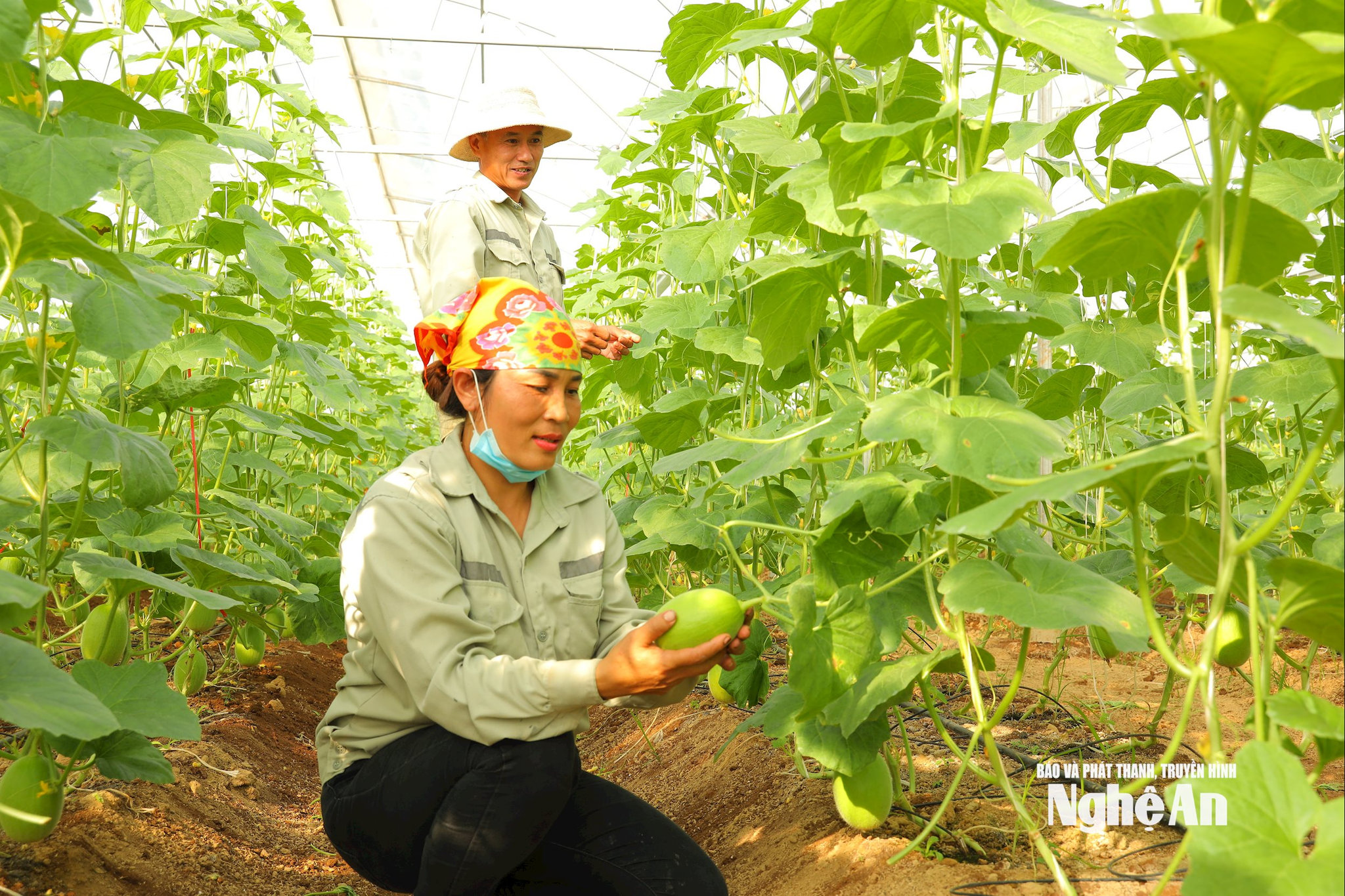
Over the years, resources from state support, business investments, cooperatives, and households have been heavily focused on standardizing products, completing documentation, developing packaging, and upgrading OCOP (One Commune One Product) ratings. This is a necessary stage and has yielded positive results, contributing to making Nghe An one of the leading localities nationwide in terms of the number of OCOP products. However, after being recognized, many businesses almost lack a long-term development strategy. Meanwhile, the OCOP certificate is merely an "entry ticket"; it is the market that determines the true value and long-term viability of the product.
To ensure the sustainable development of OCOP products in the market, the most important task currently is to focus on building and developing brands. Relevant departments and agencies, as well as the People's Committees at the commune level, need to pay attention to directing and mobilizing businesses and production facilities to invest in building and developing brands, and coordinate in selecting a number of potential products to support brand building. The Department of Industry and Trade will support branded products in developing their markets.”
Mr. Pham Van Hoa - Director of the Department of Industry and Trade

In practice, instead of spreading resources thinly to develop as many OCOP products as possible, priority should be given to supporting products with the potential to expand their markets; establishing stable raw material areas; improving management capacity for businesses and cooperatives; creating more favorable conditions for accessing credit; and encouraging investment in technological innovation, deep processing, and brand building.

In this process, brand building and development should be at the center. Each product needs to have its core value, target customer group, and suitable market clearly defined. For products with advantages in culture, history, traditional crafts, and local materials, priority should be given to developing them as cultural products, gifts, and tourism experiences; for products with advantages in scale, quality, and supply capacity, they can be further developed into modern distribution systems. There cannot be a single formula for all OCOP products; the value of each product must be built from its own unique characteristics.
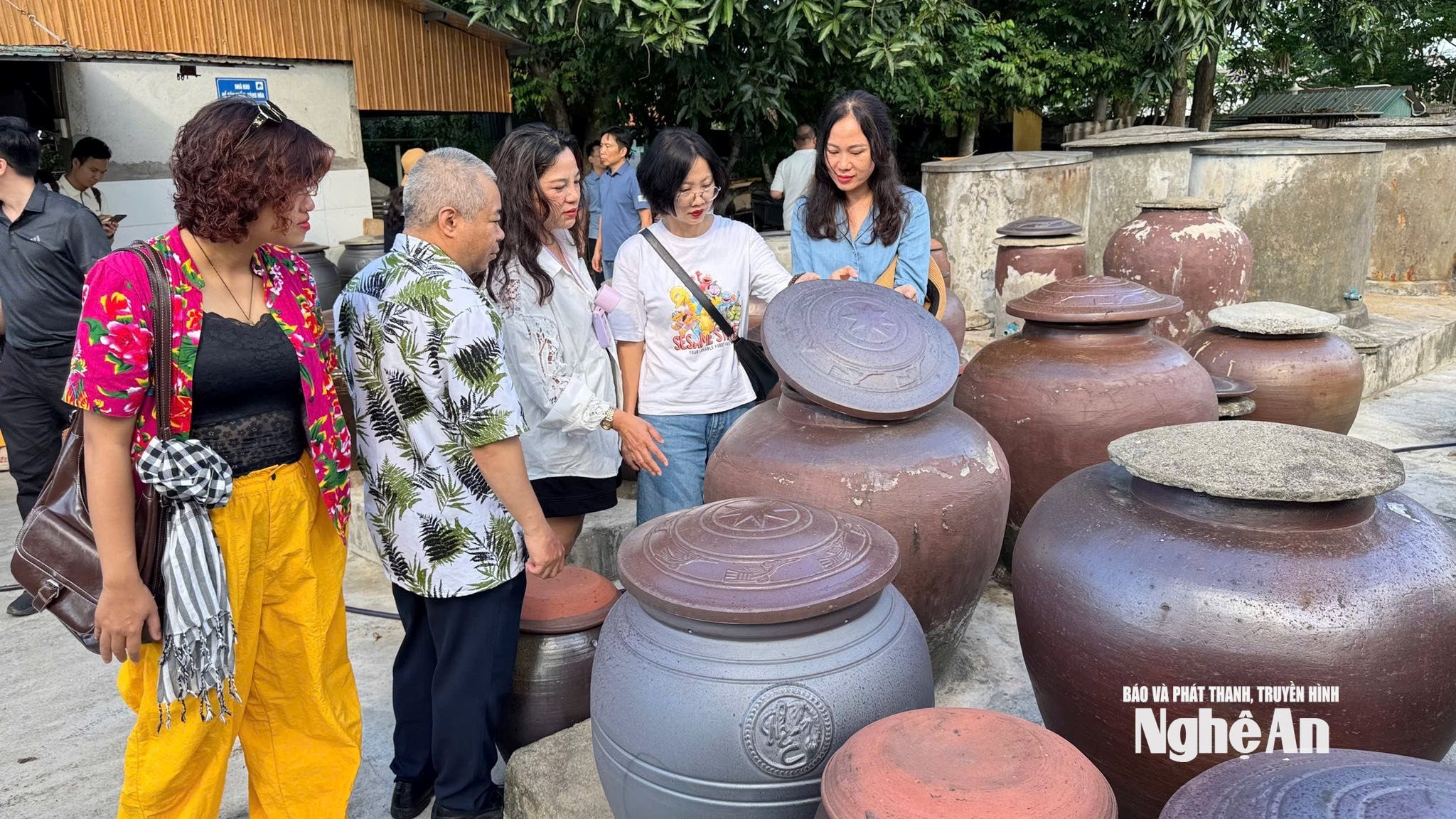
In particular, it is necessary to quickly establish an ecosystem to support the development of OCOP (One Commune One Product) with the participation of distribution businesses, logistics companies, brand consulting firms, and trade promotion organizations. Only with sufficiently strong "driving forces" will OCOP entities be able to focus on what they do best: creating quality products.
Ms. Tran Thi Phuong Lan, Director of External Relations for the Central Region of Central Retail Vietnam, proposed: A synchronized coordination is needed between the State, distributors, and producers. The State should play a facilitating role through mechanisms of collaboration, support, trade promotion, and capacity building for OCOP (One Commune One Product) producers. Distributors should proactively share market information, guide processes, standards, and system requirements; while businesses and cooperatives need to standardize products, ensure consistent quality, stable supply, and meet trade conditions. The goal of this coordination is not only to support local businesses in getting their products into supermarkets, but more importantly, to help products maintain their position on shelves, gradually expand their market within the modern retail system, and find opportunities to connect with foreign markets.
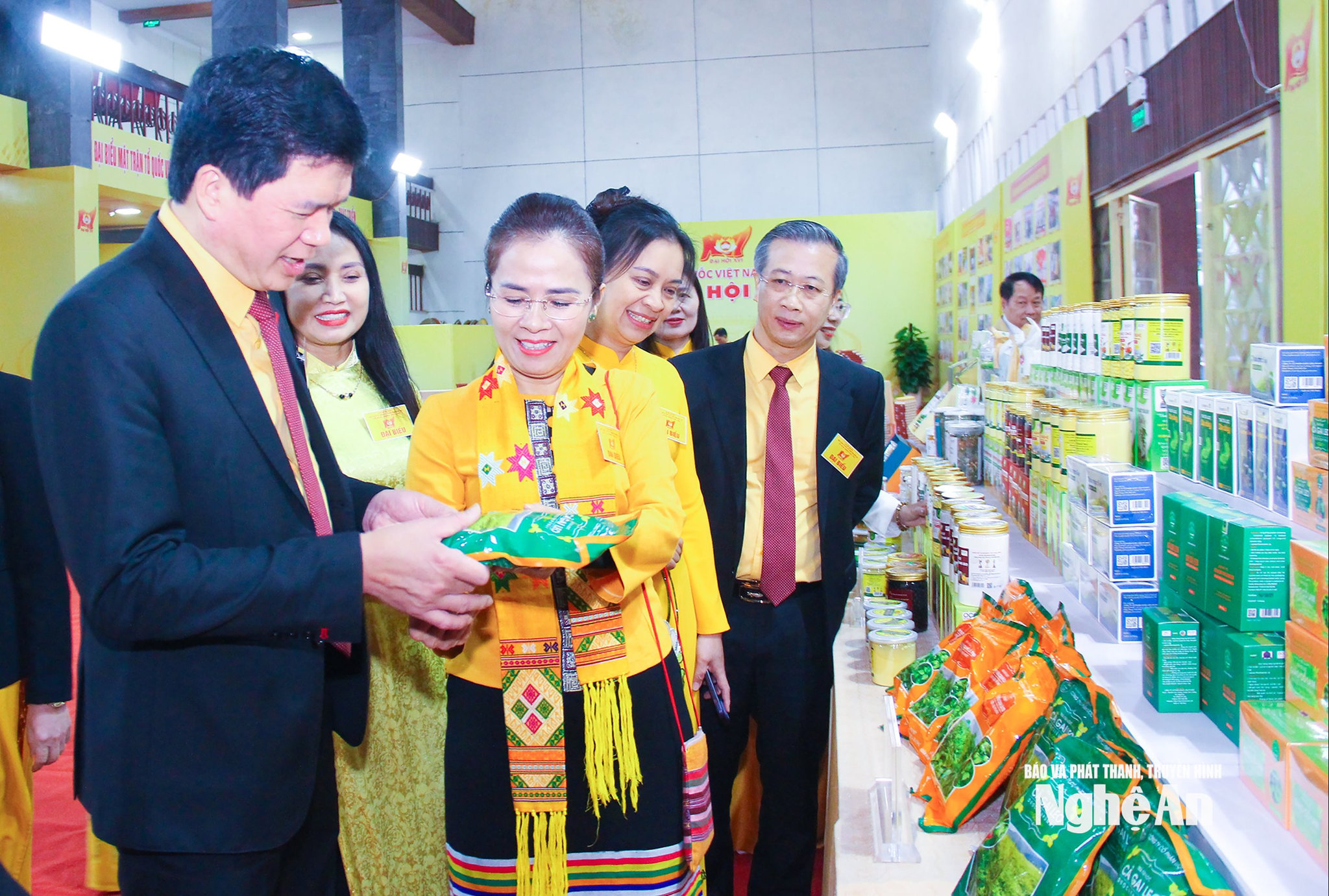
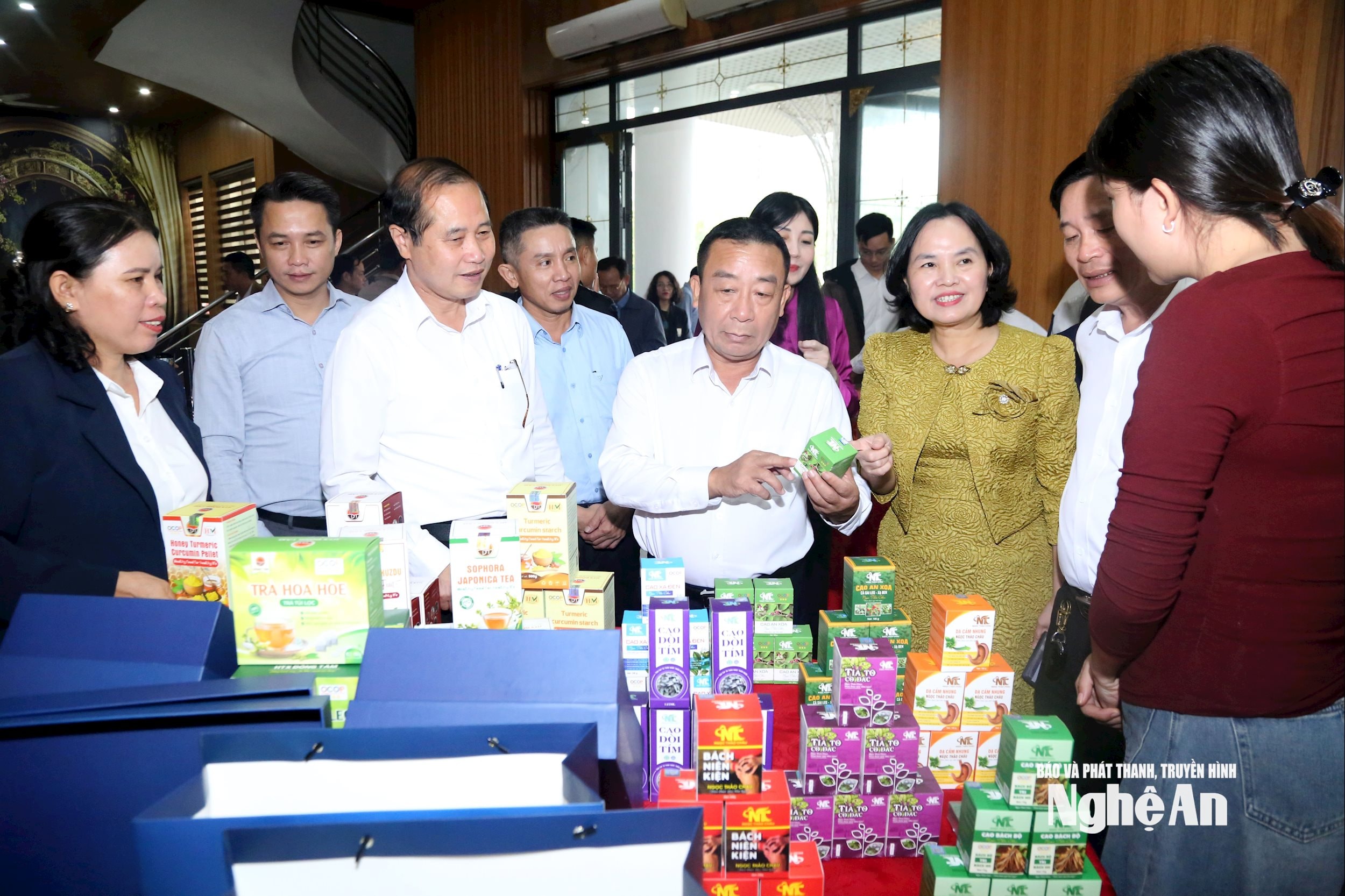
.jpg)
Responding to the question of what solutions the province needs to promote the development of OCOP products, Mr. Nguyen Van De, Member of the Provincial Party Standing Committee and Vice Chairman of the Provincial People's Committee, said: In the coming time, the province will focus on developing products linked to raw material areas, building a chain of linkages from production and processing to consumption; further tightening the evaluation and recognition process for OCOP-certified products and resolutely eliminating products that do not meet the requirements. The province will continue to review and adjust support policies, prioritizing increased support for modern machinery and equipment for businesses, strengthening trade promotion, digital transformation, and expanding consumption markets; striving to have 30 to 50 OCOP products and key products of the province promoted and consumed on international platforms by 2030.
The success of the OCOP program cannot be measured solely by the number of products achieving star ratings, but must be affirmed by the quality of goods, sales, market share, and the sustainable presence of the product brand in consumer life. When OCOP products are not only known to consumers within the commune and province but also regularly appear on the shelves of supermarkets and reputable e-commerce platforms, and gradually conquer domestic and international markets, then the OCOP "stars" of Nghe An will truly shine with their economic value, cultural identity, and brand.
It's not just a process from "achieving star status" to "reaching the market," but a journey to transform local products into brands representing the land and people of Nghe An; a sustainable path to improving all aspects of life for people and businesses in an integrated economy.