Lesson 1: Insufficient in Quantity, Weak in Quality
According to statistics from the Nghe An Department of Tourism, there are currently 21 tourism human resource training institutions in the province, including universities, colleges, vocational schools, and district-level vocational education centers. However, these training institutions still do not meet the recruitment needs of tourism businesses.
Cong Kien • September 21, 2024
According to statistics from the Nghe An Department of Tourism, there are currently 21 tourism human resource training institutions in the province, including universities, colleges, vocational schools, and district-level vocational education centers. However, these training institutions still do not meet the recruitment needs of tourism businesses.

Having studied Tourism at Vinh University, after graduation, Ms. Le Thi Mai tried her hand at various work environments to gain experience. Ms. Mai said: “Studying Tourism provided me with a solid foundation of knowledge and essential skills. Therefore, when I started working at companies, I quickly adapted and was able to meet job requirements.”
Having accumulated experience, Ms. Le Thi Mai decided to establish her own business. Currently, she is the Director of TM International Travel Company, headquartered in Vinh City. According to her, the knowledge and skills acquired from university, the experience gained during her work, and her passion for the profession have helped her stand firm over the years and ensure the company's effective operation.
Ms. Phan Thi Hue, originally from Do Luong district, graduated with a major in Hotel Management from Nghe An College of Tourism and Commerce nearly a year ago and is currently an employee at a hotel in Cua Lo town. According to Ms. Hue, during her vocational training, she was equipped with both basic knowledge and practical skills through internships at businesses. After graduation, she didn't have to wait; she was hired by the company and started working immediately.
According to statistics from the Department of Tourism, there are currently 21 such sites throughout the province.training facilityHowever, the tourism industry's workforce currently only meets 50% of the industry's needs. This is due to recent years of difficulties in student recruitment at training institutions, stemming from a decrease in the number of applicants. In response, some schools have implemented tuition fee reductions to attract students and trainees.
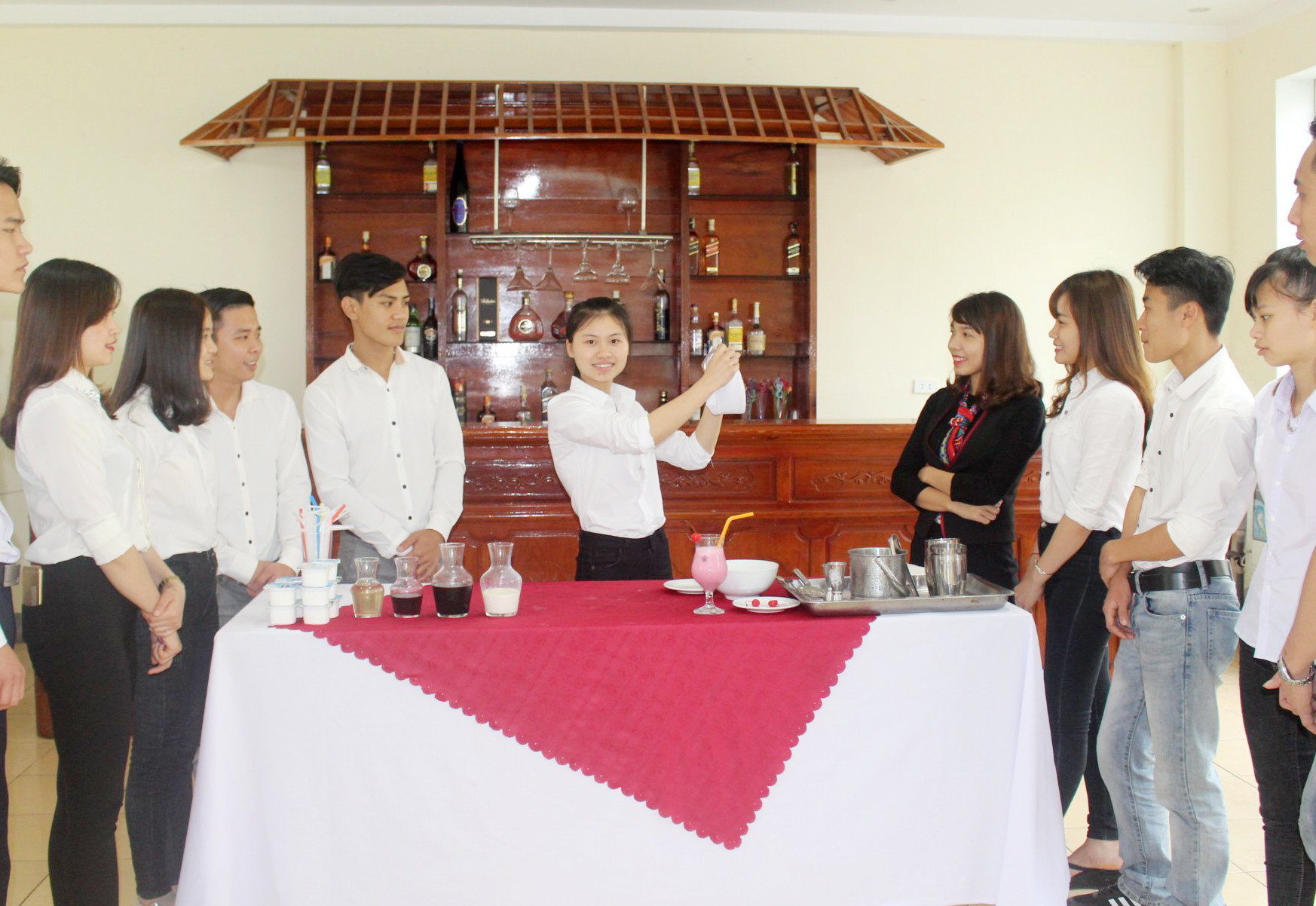
Among the province's tourism workforce training institutions, Nghe An College of Tourism and Commerce stands out, training nearly 1,000 students annually at the college and vocational levels. Its training programs include: Tourism Guiding, Restaurant Management, Hotel Management, Front Desk Management, Travel Management, and Culinary Arts. Of these, Culinary Arts has the highest number of students enrolled.
According to Mr. Phan Dang Truong, Deputy Head of the Training Department at Nghe An College of Tourism and Commerce: After graduation, about 80% of students are introduced to jobs at tourism businesses, mainly in Nghe An and some other provinces and cities such as Da Nang, Khanh Hoa, and Ho Chi Minh City… The remaining students find jobs on their own or go abroad (Germany, France, South Korea…) under special programs.labor export.
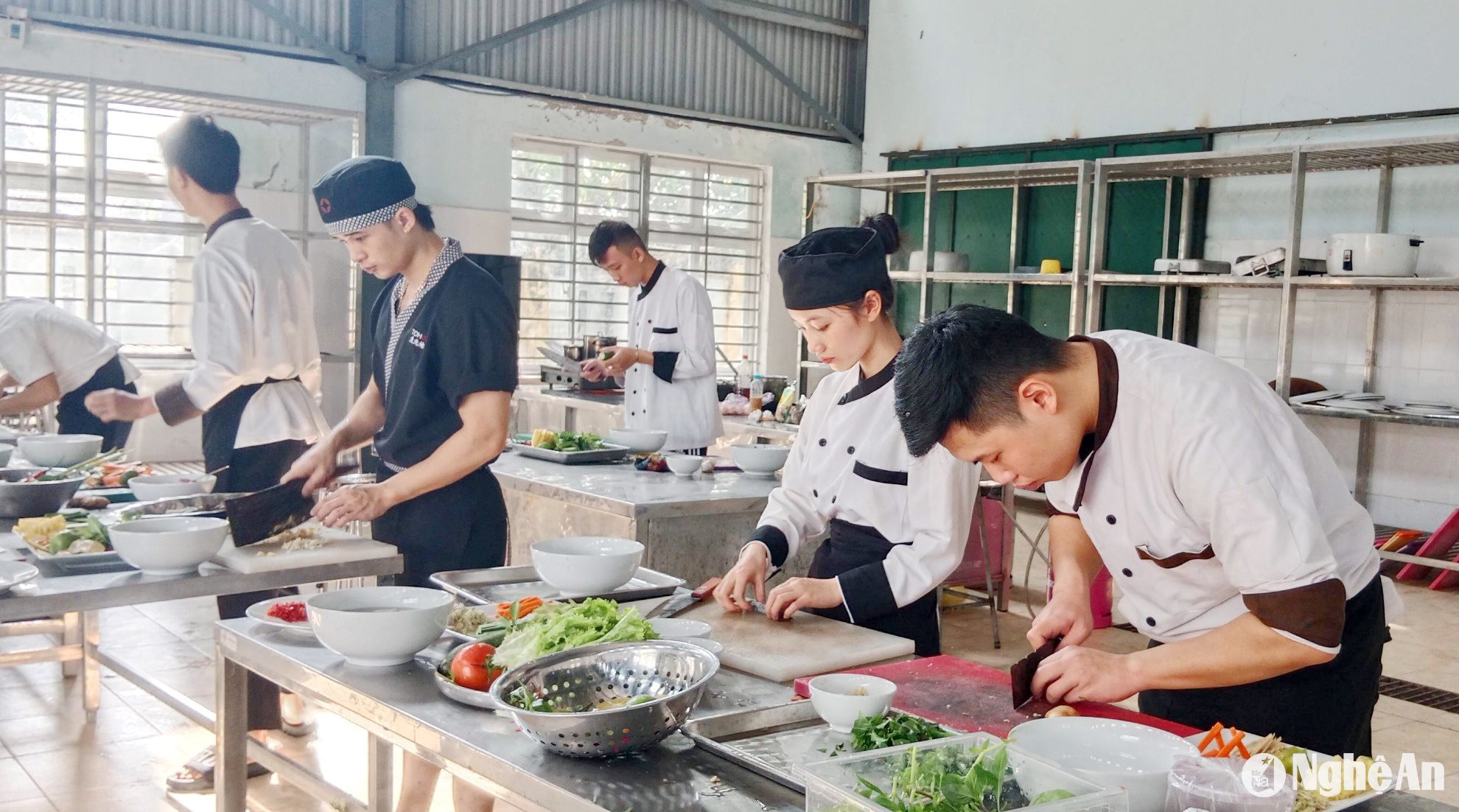
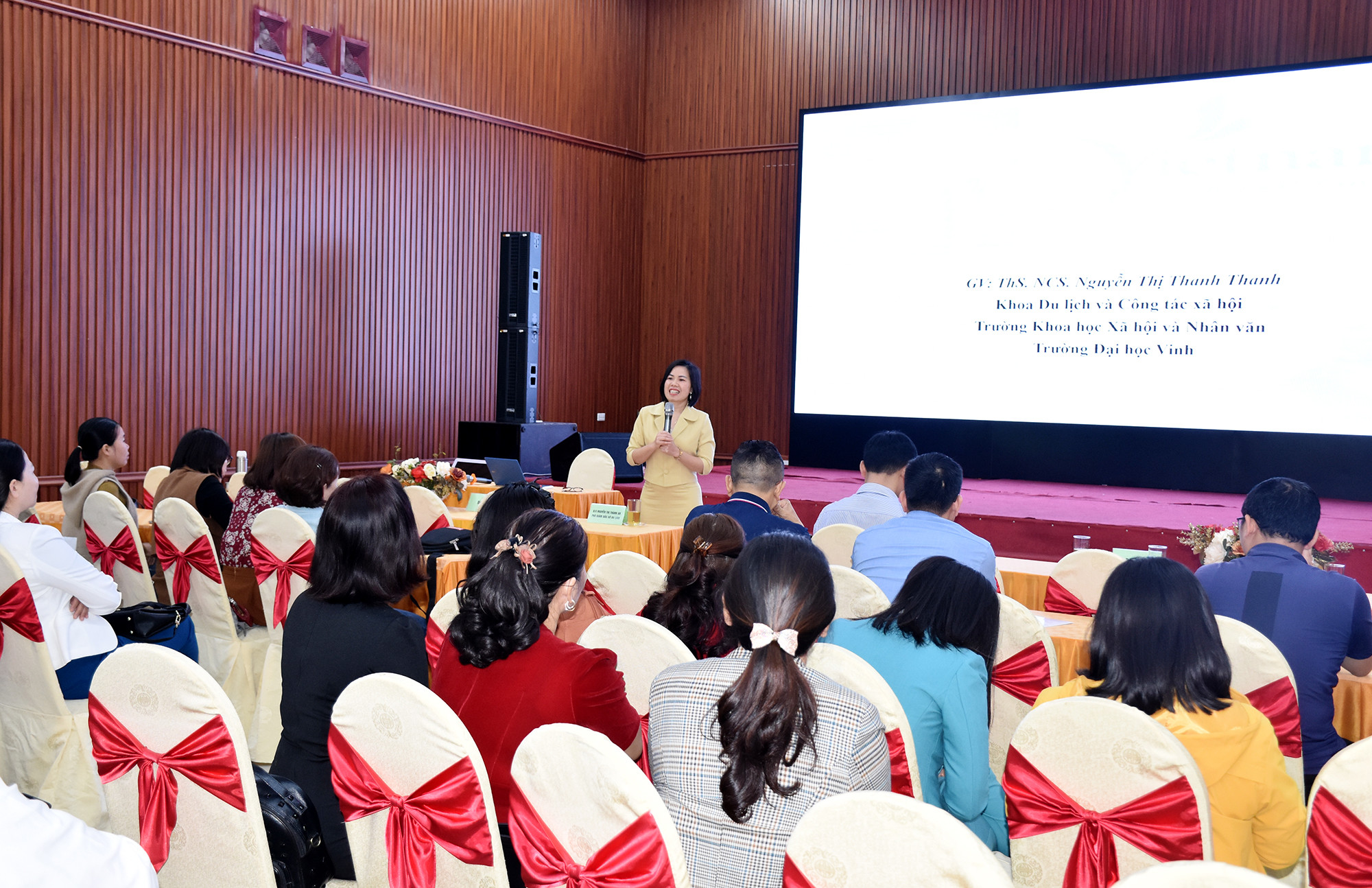
Along with Nghe An College of Tourism and Commerce, the Faculty of Tourism and Social Work of the School of Social Sciences and Humanities, Vinh University, is also a popular choice for many students. Currently, this faculty has nearly 200 students studying Tourism, of which about 70% are specializing in Hotel Management and 30% in Travel Agency Management.
With the CDIO-based training program, which not only provides knowledge but also focuses on developing professional skills, the quality of training has been enhanced, meeting both the output standards of tourism graduates and the requirements of recruiting agencies, organizations, and businesses.”
Dr. Nguyen Van Trung - Head of the Faculty of Tourism and Social Work
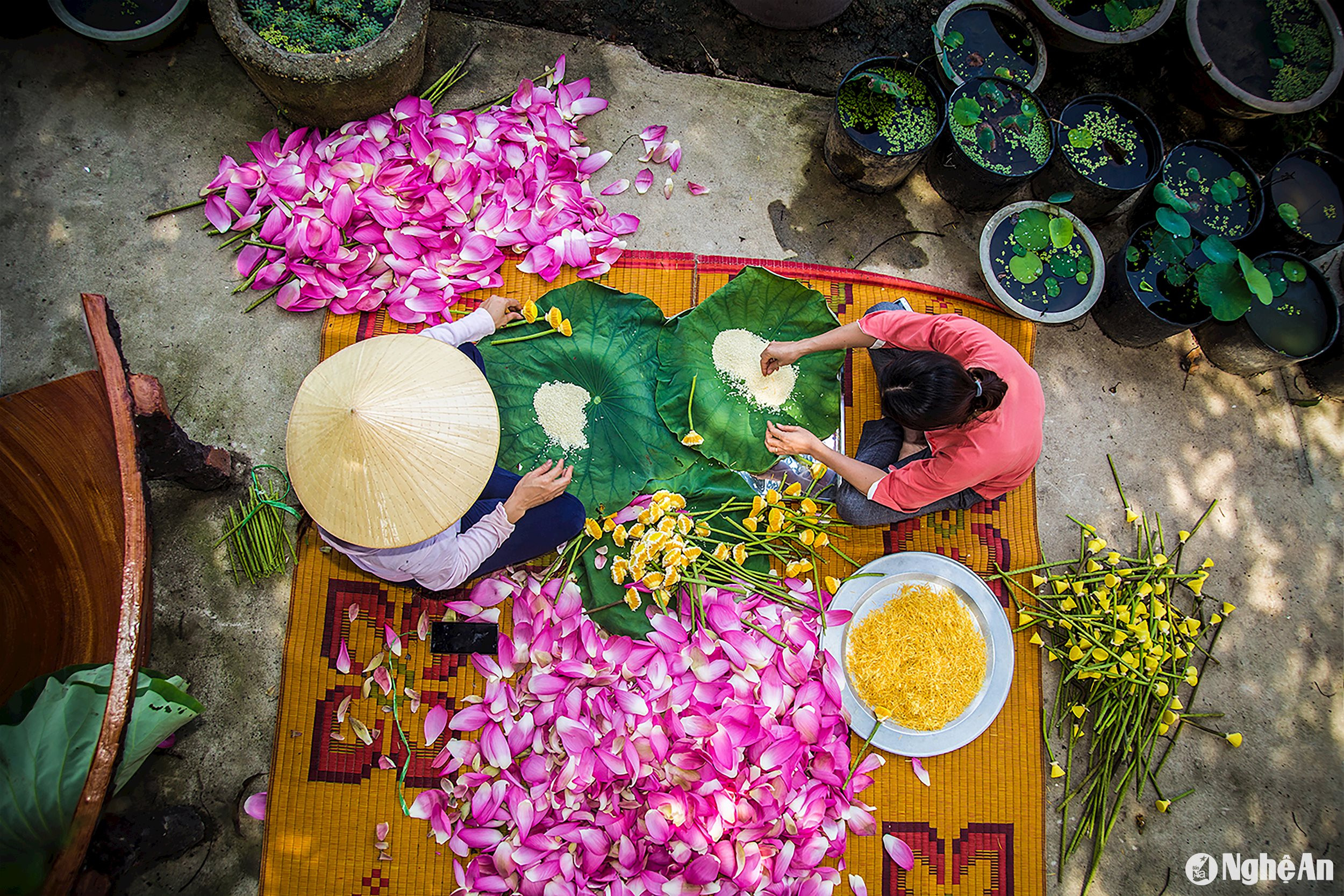
Apart from the Faculty of Tourism and Social Work - Vinh University and Nghe An College of Tourism and Commerce, which have met their enrollment targets and ensured training quality, most other institutions are operating at a reduced capacity due to a lack of students, especially district-level vocational education centers. For example, the Anh Son District Vocational Education and Continuing Education Center has only managed to open one course in Culinary Arts in the past 10 years, with just over 10 students enrolled. Explaining this situation, Mr. Bui Duc Tuan, the Center's Director, stated that the center lacks facilities and teachers, forcing it to collaborate with Nghe An College of Tourism and Commerce for training. When the partner no longer requires collaboration, the center also ceases training.
Similarly, the Vocational Education and Continuing Education Center of Tuong Duong district has also been unable to open training courses in tourism-related specialties in recent years due to a lack of applicants.
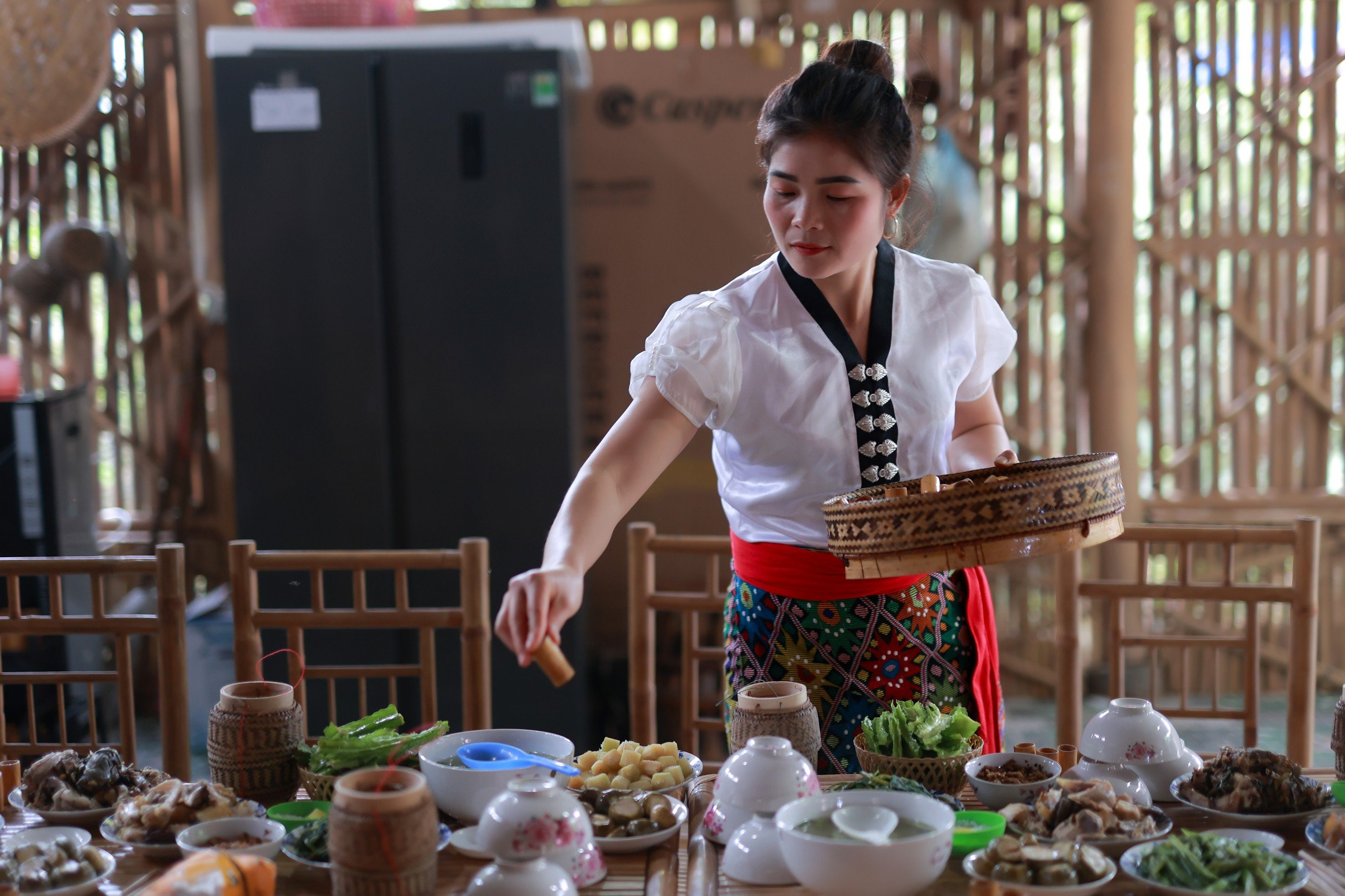
The Vocational Education and Continuing Education Center of Dien Chau District is showing more promise, enrolling approximately 50 students in a basic cooking course each year. These students simultaneously study the general education program and receive vocational training.
However, Ms. Vo Thu Hang, the center's director, stated that most students, after completing the course, either go abroad for work or find other jobs, with very few pursuing the profession they were trained in. This is partly due to the unsuitable training program, which fails to meet the requirements of businesses, forcing learners to change careers.

To date, the province has over 900 accommodation establishments with more than 22,000 rooms, including 4 five-star hotels, 10 four-star hotels, and 40 hotels ranging from one to three stars; nearly 70 travel companies and branches; and 29 tourist destinations recognized by the Provincial People's Committee as provincial-level tourist destinations. Along with these are restaurants, entertainment venues, and recreational facilities concentrated in coastal districts, towns, and Vinh City.
Looking at these statistics, it's clear that the demand for human resources in the tourism industry is enormous. However, according to incomplete statistics, currently, about 50% of tourism businesses are experiencing a shortage of human resources, especially high-quality personnel.
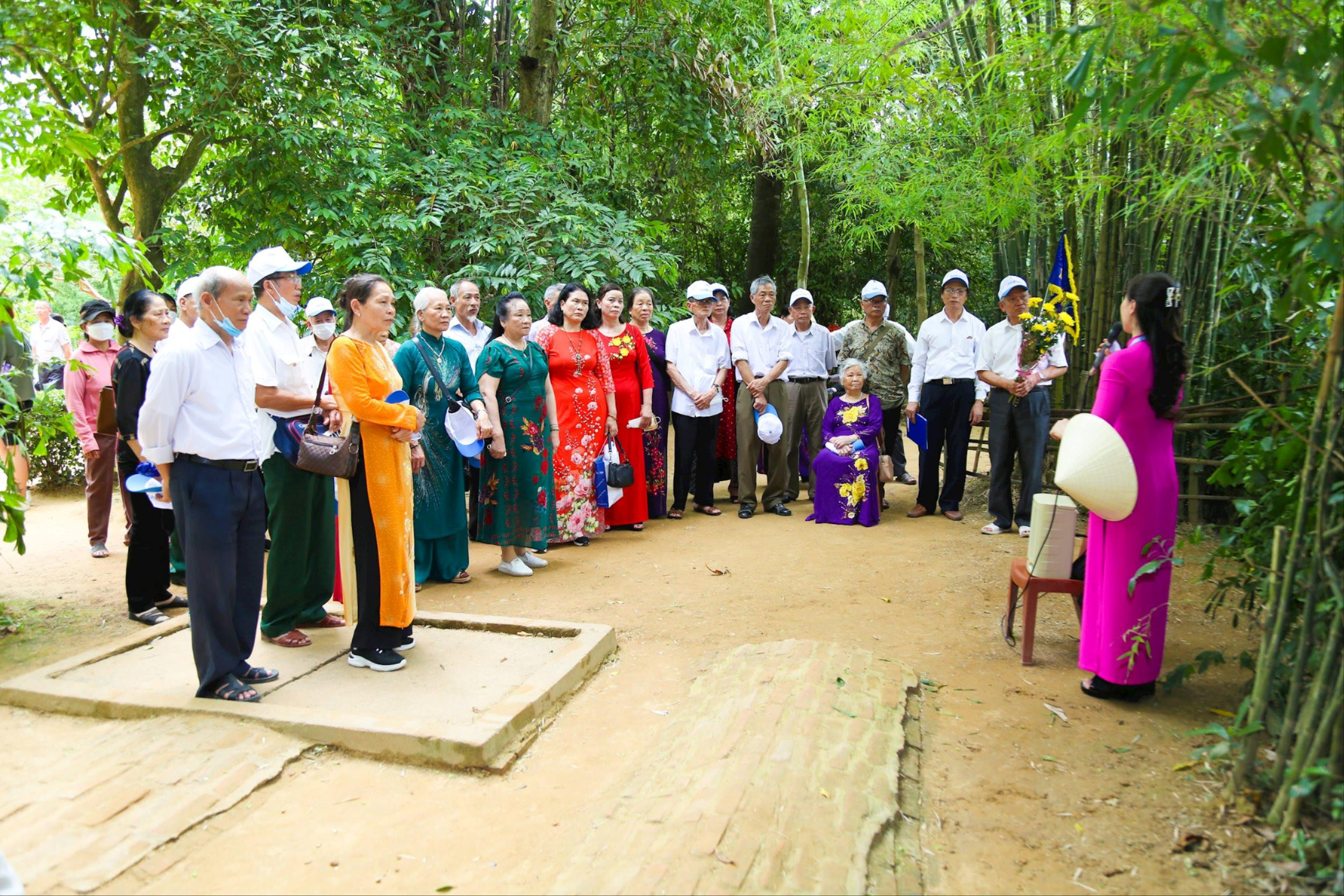
Established and operating for many years, Indochina Travel Company has a fairly stable customer base and operates effectively in Vinh City. However, the company is facing certain difficulties, particularly a shortage of high-quality human resources. Currently, the company is lacking approximately 40% of its workforce, especially tour guides.
According to Mr. Nguyen Huynh Suong, Director of Indochina Travel Company, recruiting tour guides, especially those with high professional qualifications, is very difficult and challenging, affecting business and the quality of service for customers.
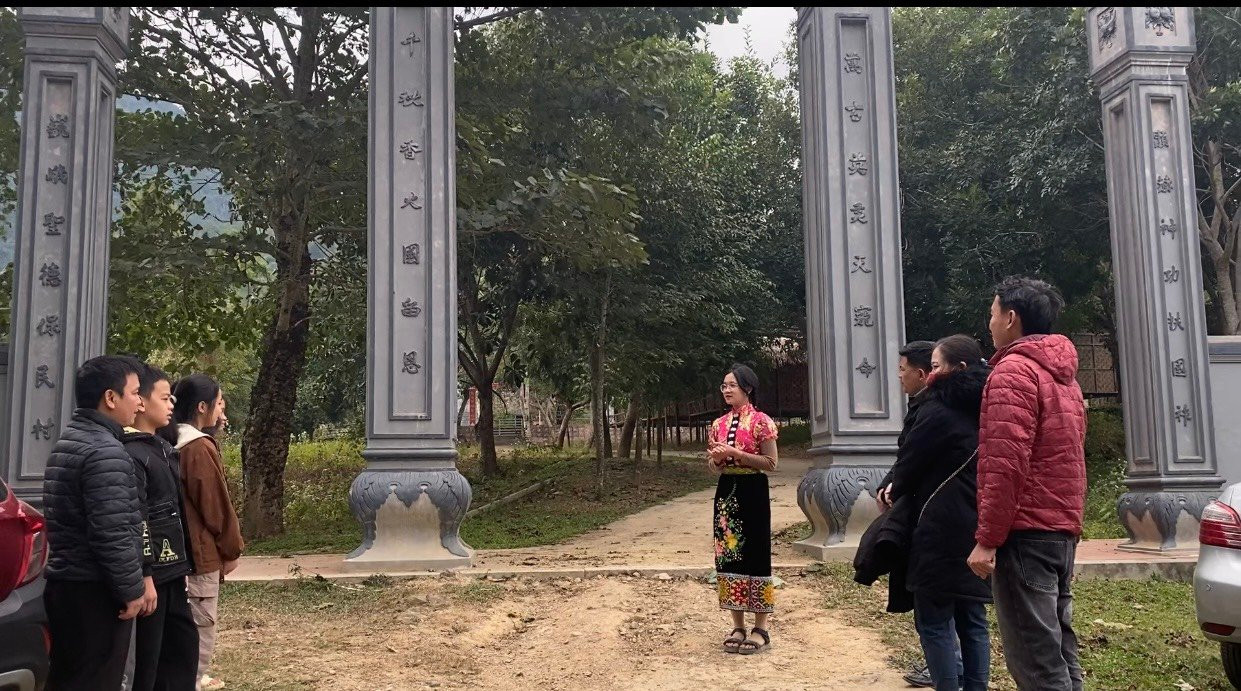
The most significant labor shortage is in accommodation establishments, due to the rapid increase in the number of hotels while the number of trained workers cannot meet the demand. Even Muong Thanh Song Lam, a 5-star hotel in Vinh City, regularly experiences a labor shortage of approximately 20%. The hotel director, Mr. Nguyen Duc, stated: “After the Covid-19 pandemic, Muong Thanh Song Lam Hotel suffered a labor shortage due to many employees quitting, changing jobs, and more recently, working abroad. Currently, the shortage of high-quality labor continues, significantly impacting service quality.”
According to Mr. Le Duc Hai, Director of Giao Te Hotel Joint Stock Company (Vinh City), the company is currently short of about 40% of its staff across all departments, including reception, housekeeping, food and beverage, and kitchen. The company regularly recruits students and graduates from tourism-related training institutions. However, the current training programs are inadequate; theory is not linked to practice, and the knowledge acquired is not aligned with reality.
After receiving and utilizing the personnel, the unit must invest in retraining by inviting lecturers from reputable training institutions to teach, conduct training, and share experiences, thereby supplementing their expertise and professional skills.
Mr. Le Duc Hai - Director of Giao Te Hotel Joint Stock Company
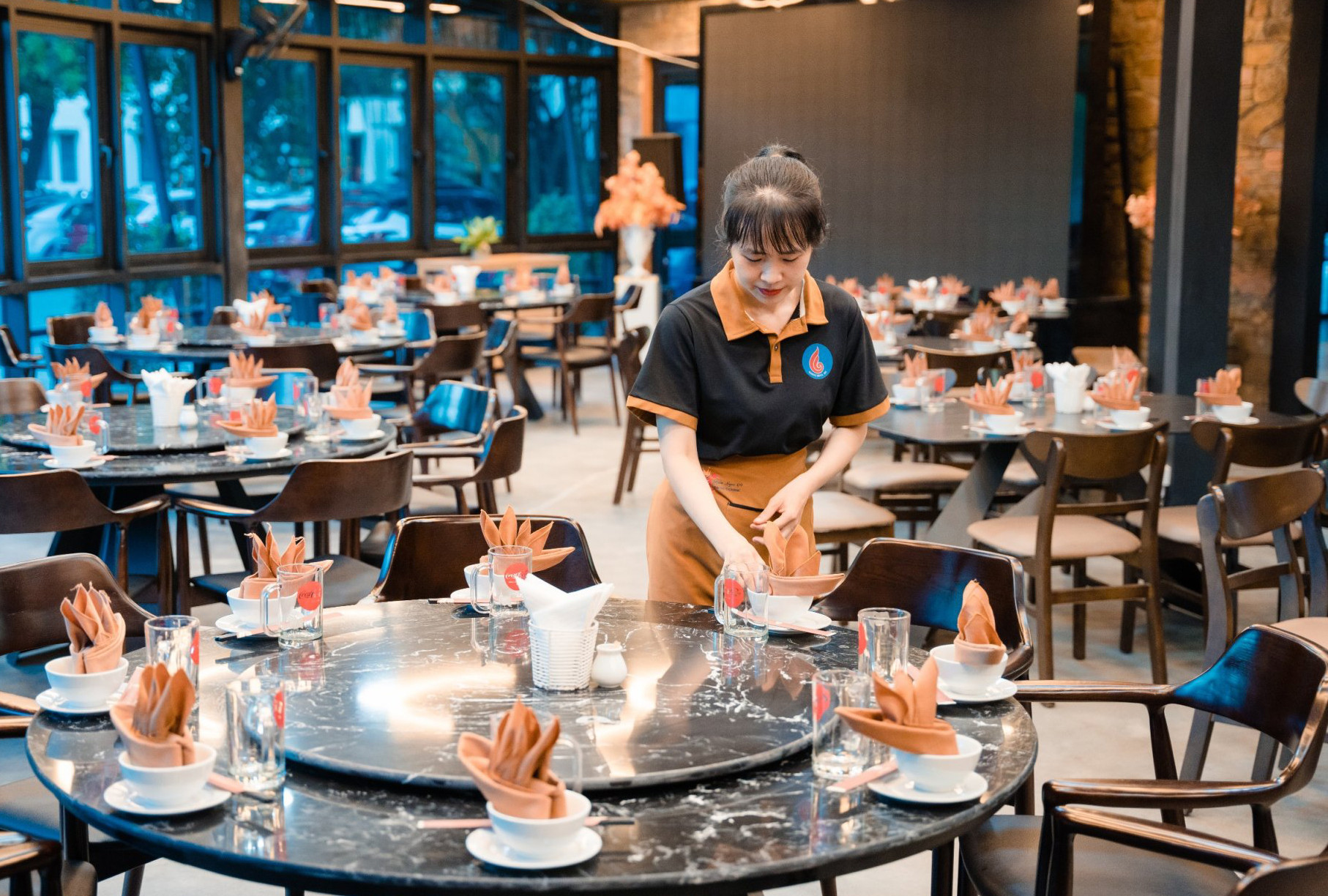
Regarding this issue, Mr. Nguyen Manh Cuong, Director of the Nghe An Department of Tourism, stated: The quality of human resources after graduation has not met the requirements of businesses. Graduates lack practical knowledge, soft skills, in-depth professional expertise, and foreign language proficiency. They also lack understanding of socio-cultural knowledge, history, and geography necessary to work in a comprehensive economic sector with high inter-sectoral, inter-regional, and international integration. Currently, tourism personnel not only need to be proficient in foreign languages but also need to possess other skills.make good use of technology, skills in building products to high quality standards.
In addition, the tourism staff in most localities have not received proper training in professional skills and expertise, leading to difficulties in their work.
Thus, the tourism workforce in Nghe An currently suffers from a shortage in both quantity and quality. This shortage is evident across all sectors, from tourist areas and attractions to accommodation establishments, restaurants, and local government agencies.
(To be continued)