
Lesson 3: Forming Digital Citizens and a Digital Society
In order to effectively implement Project 06 "Developing applications of population data, electronic identification and authentication to serve national digital transformation in the period 2022 - 2025, with a vision to 2030", the Nghe An Department of Justice has actively coordinated with other departments and localities to implement many solutions to promote online public services throughout the province. This has minimized administrative procedures, saved time for citizens and businesses, and gradually fostered the development of digital citizens and a digital society.

15/04/2025

Promoting online public services is one of the key tasks that the Nghe An Department of Justice is focusing on in its efforts to implement Project 06.
Mr. Vo Van Tam, Head of the Administrative and Judicial Affairs Department of the Nghe An Department of Justice, said: Recognizing that communication is a core element in implementing the project, the Department of Justice has directed the strengthening of this work in various forms, with a focus on applying digital transformation to create widespread dissemination and reach a wider audience.
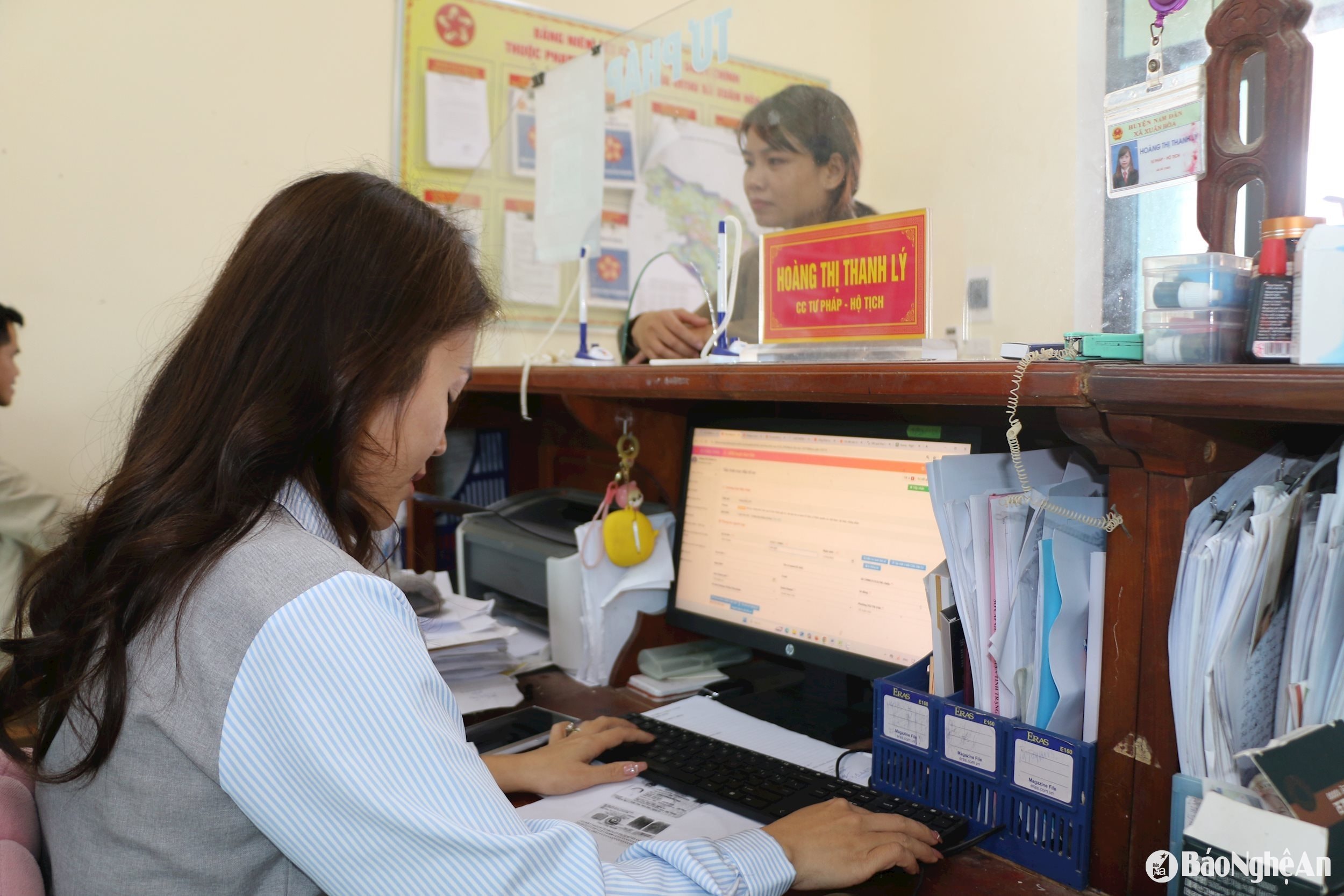
Based on this, many district-level units actively organized online competitions (Dien Chau, Hung Nguyen, Nghi Loc, Vinh City, Quynh Luu, Hoang Mai Town); many units built models of propaganda combined with support for people to access and use online public services effectively, with highlights such as the "Saturday for the People" model (Dien Chau, Nam Dan, Vinh City, Nghi Loc); the "Tuesday No Writing" model (Tan Lac town, Quy Chau district); the model of supporting people to perform public services at the citizen reception offices of units with the function of resolving administrative procedures and the Digital Literacy program in villages, hamlets, and neighborhoods.
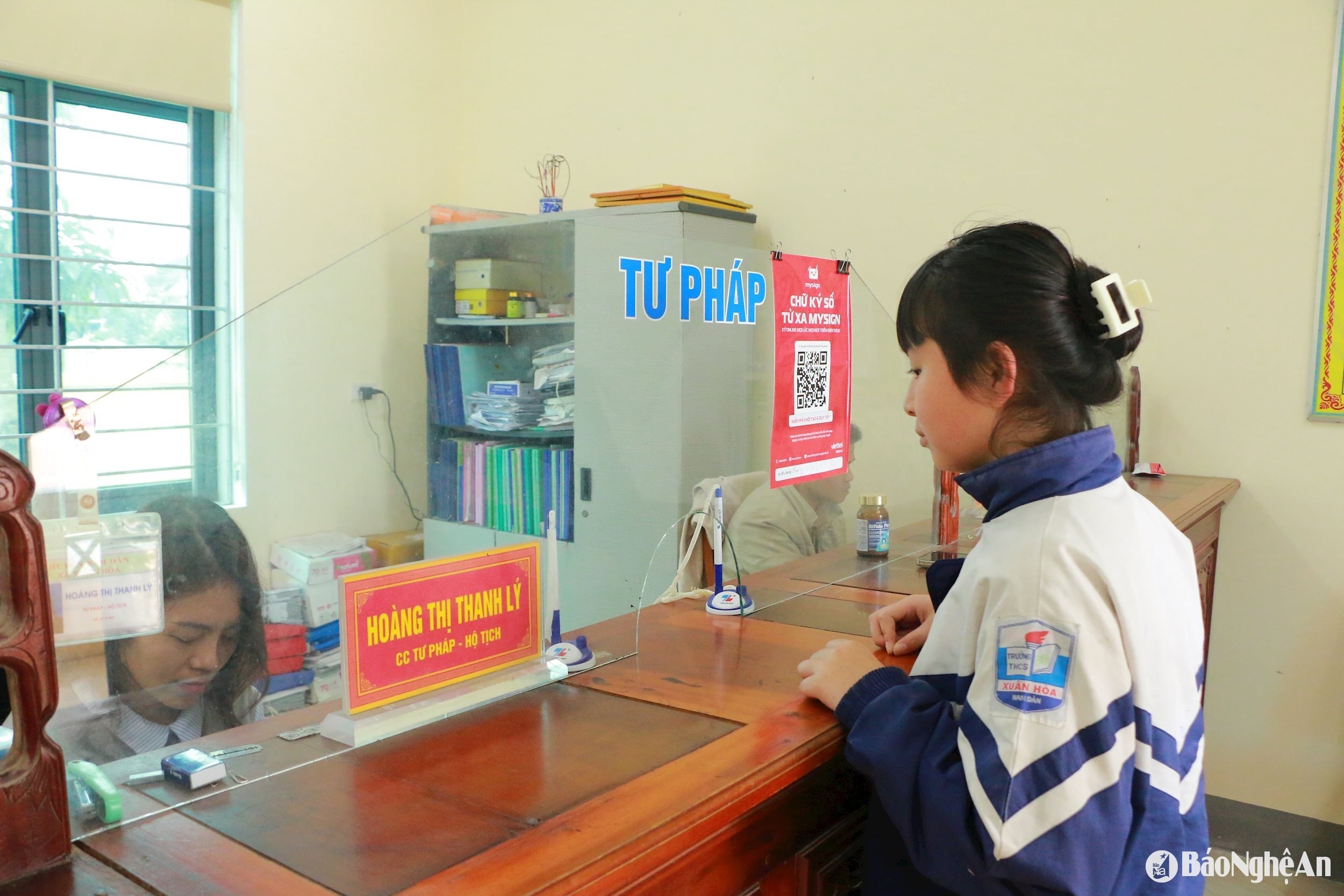
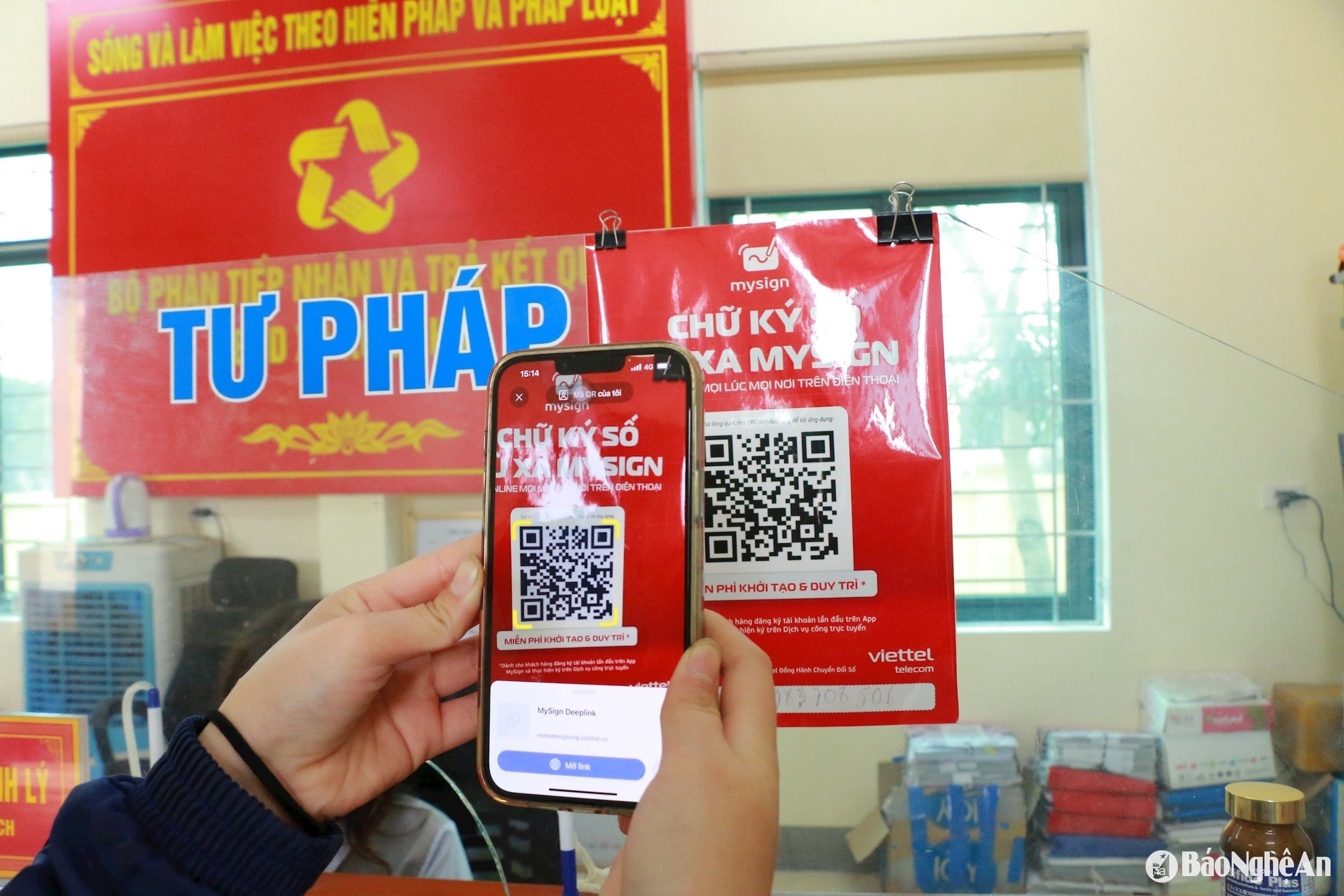
Some district-level localities have achieved high results in disseminating information on social media, attracting many likes, shares, and comments, such as the pages of Dien Chau Justice, Quy Hop Justice, Nghi Loc Justice, etc.
Some commune-level units have innovative and effective approaches. For example, Chau Kim commune (Que Phong district) has created instructional videos guiding people through the steps of online public service transactions, then uploaded them to various groups and distributed them to villages for distribution to residents during awareness campaigns.

Mr. Ha Chung Duc, a judicial officer in Chau Kim commune, said that noticing the difficulties local residents faced when conducting online transactions, he demonstrated the process step-by-step on his computer, then recorded a screen video and added his own voiceover to the video.
Although created using simple software, Mr. Duc's instructional video is easy for people to understand and follow. After being uploaded to social media groups in Chau Kim commune, this video was downloaded by judicial officials in neighboring areas such as Kim Son town and Tien Phong commune to be used for propaganda and guidance in their localities.
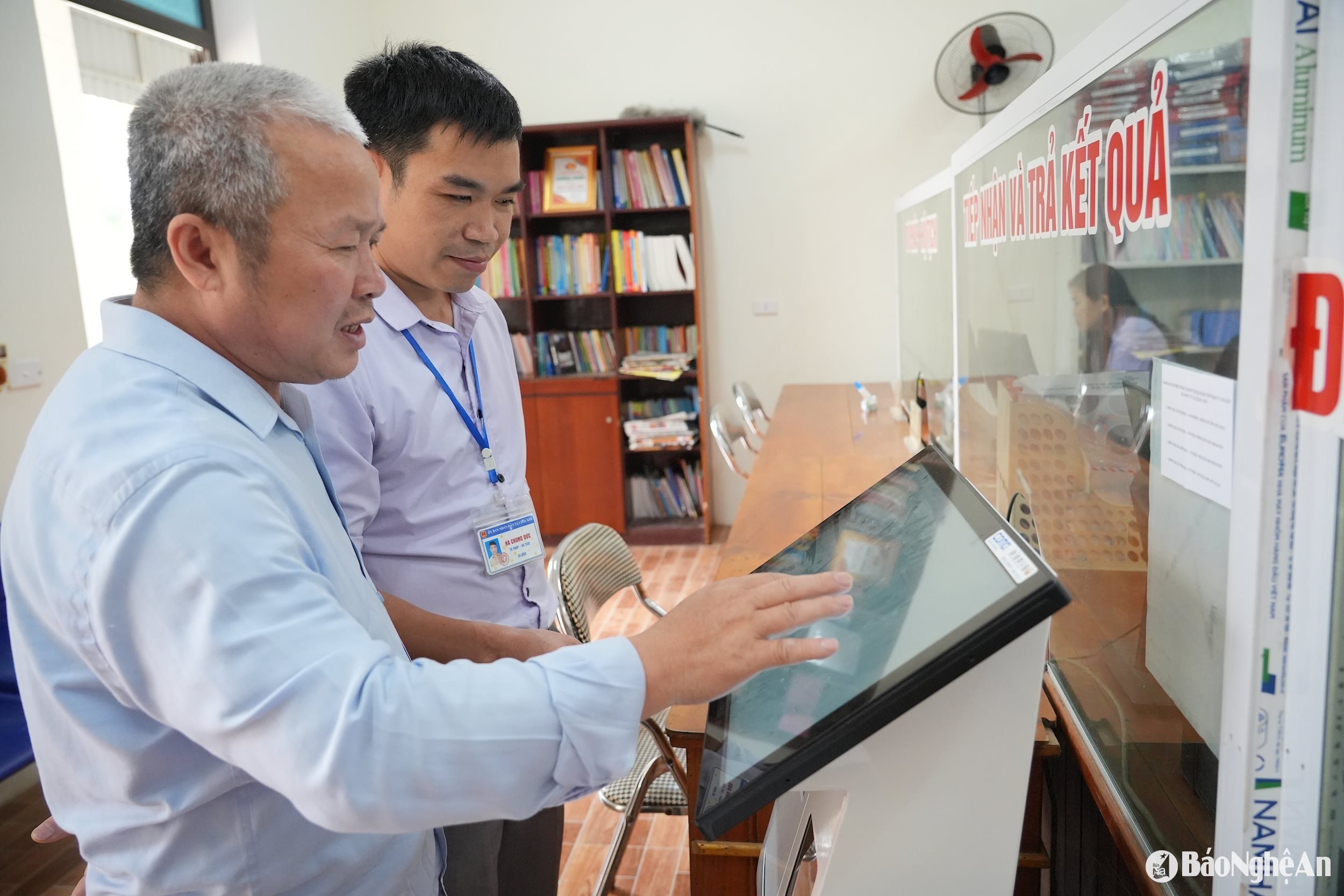
Mr. Ha Minh Tuan, Chairman of the Chau Kim Commune People's Committee, shared: "The commune has 954 households with 4,200 inhabitants, divided into 6 villages. Although the lives of the people still face many difficulties, thanks to the decisive involvement and high determination, online public service transactions are now being carried out proficiently."
At the One-Stop Service Center of Ngoc Lam commune (Thanh Chuong district), we met Mr. Luong Van Lieng (born in 1963), residing in Tan Sang village, Ngoc Lam commune, who was there to authorize his son, Luong Van Ha (born in 1993), to receive his monthly pension through Mr. Ha's account.
Mr. Lieng expressed: "Thanks to the information and guidance, I have clearly understood the benefits of online public services. Today, I am very pleased because the procedures are carried out quickly and conveniently through electronic transactions, instead of having to wait a long time like before."
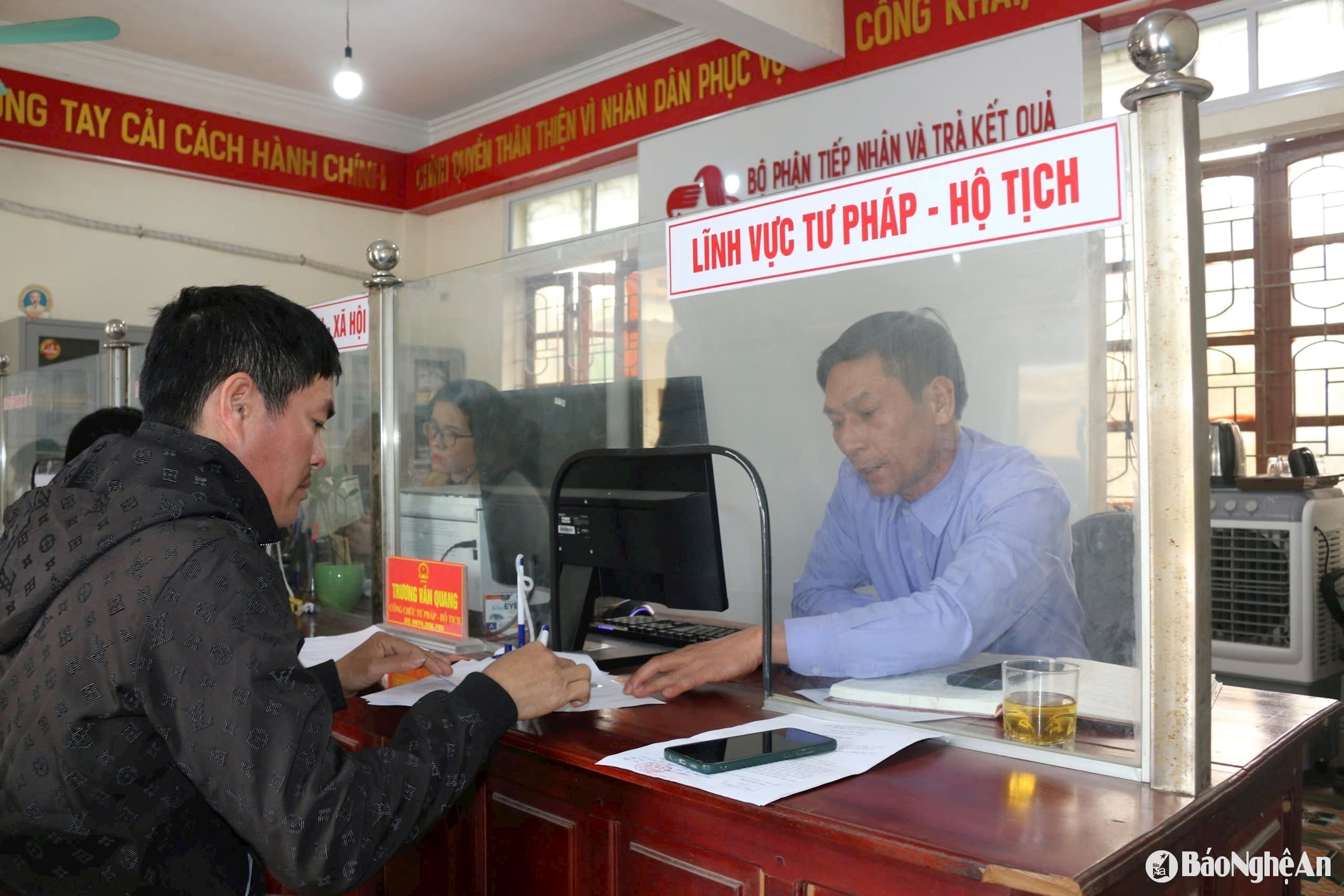
Ngoc Lam is a resettlement commune for people who moved from the Ban Ve hydroelectric reservoir area in Tuong Duong district to Thanh Chuong district nearly 20 years ago. Currently, the commune has 6 villages, with 140 households and nearly 6,000 inhabitants.
Mr. Lu Van Duong, Chairman of the People's Committee of Ngoc Lam commune, said: After 3 years of implementing Project 06, the utility groups have now been skillfully implemented by the relevant departments, ensuring that 100% of interconnected administrative procedures are received through online public services and 100% of the dossier components are digitized as prescribed.
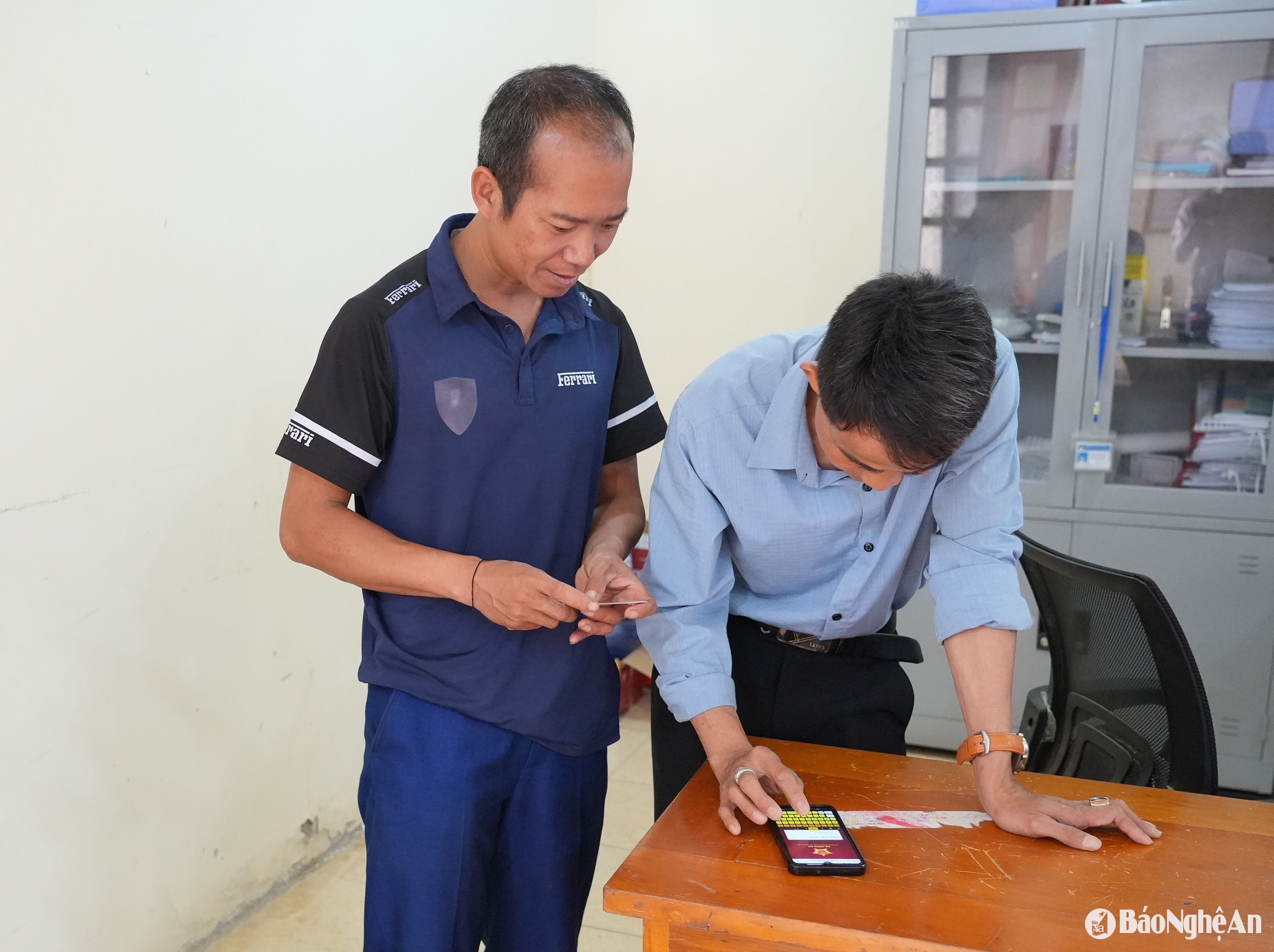
In Hanh Quang commune (Dien Chau district), after the merger, the population was 14,950, while the number of people in other communes was 2,100. Consequently, the demand for document processing among residents has increased significantly. Therefore, according to Mr. Nguyen Manh Ho, Chairman of the People's Committee of Hanh Quang commune: To effectively implement Project 06 in general, and to promote public services in the field of Justice in particular, the People's Committee of the commune has established a Steering Committee and working groups comprising specialized and technologically proficient officials. Tasks have been clearly assigned to each member, ensuring they both carry out their assigned duties and promote awareness among the people about digital transformation.
At the same time, the commune also focused on investing in basic equipment to ensure smooth operation. As a result, the processing of administrative procedures has been carried out 100% electronically. From 2024 to the present, the entire commune has received 3041 applications (including those in the fields of authentication and justice), and the digitization of civil registration has reached 100%.
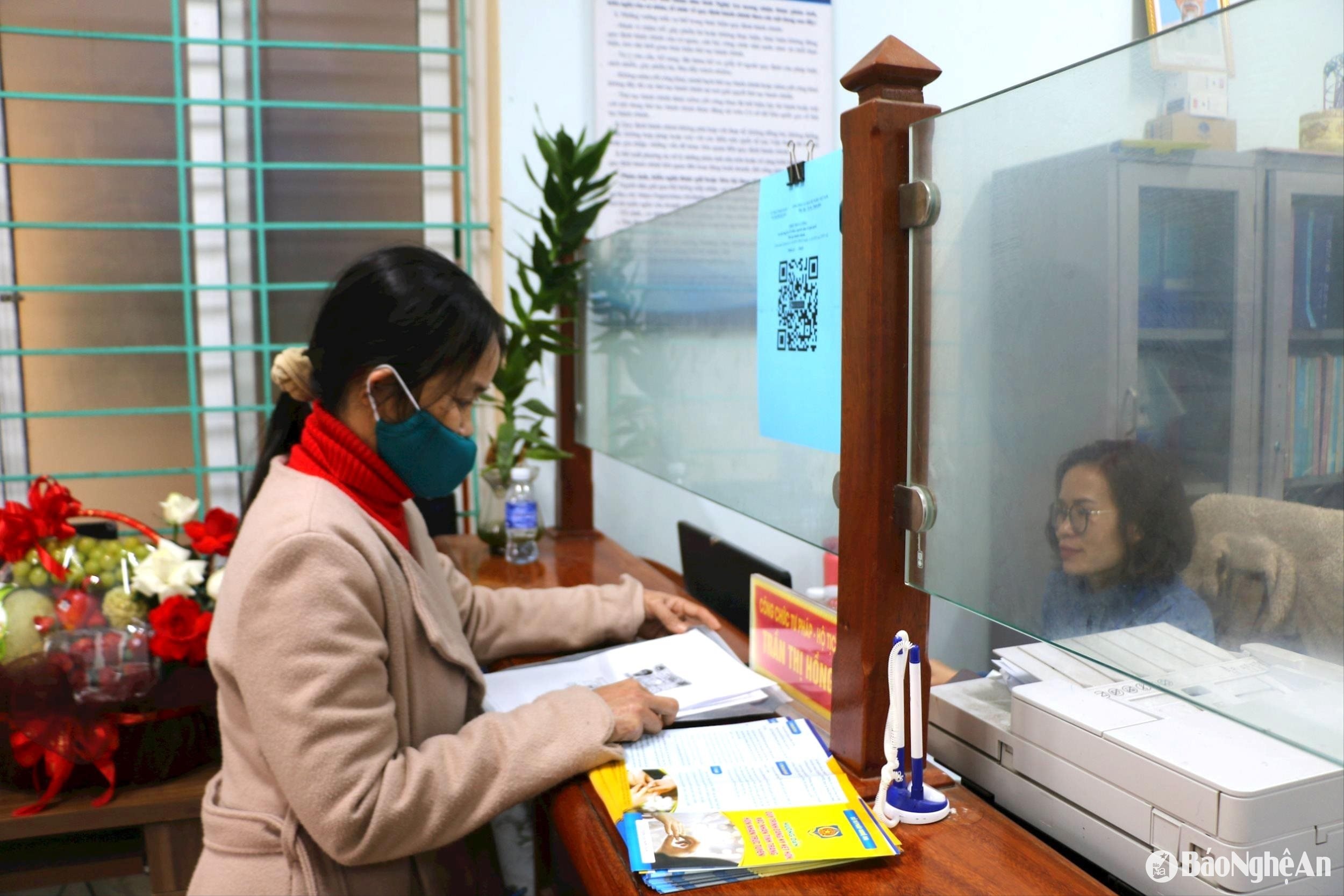
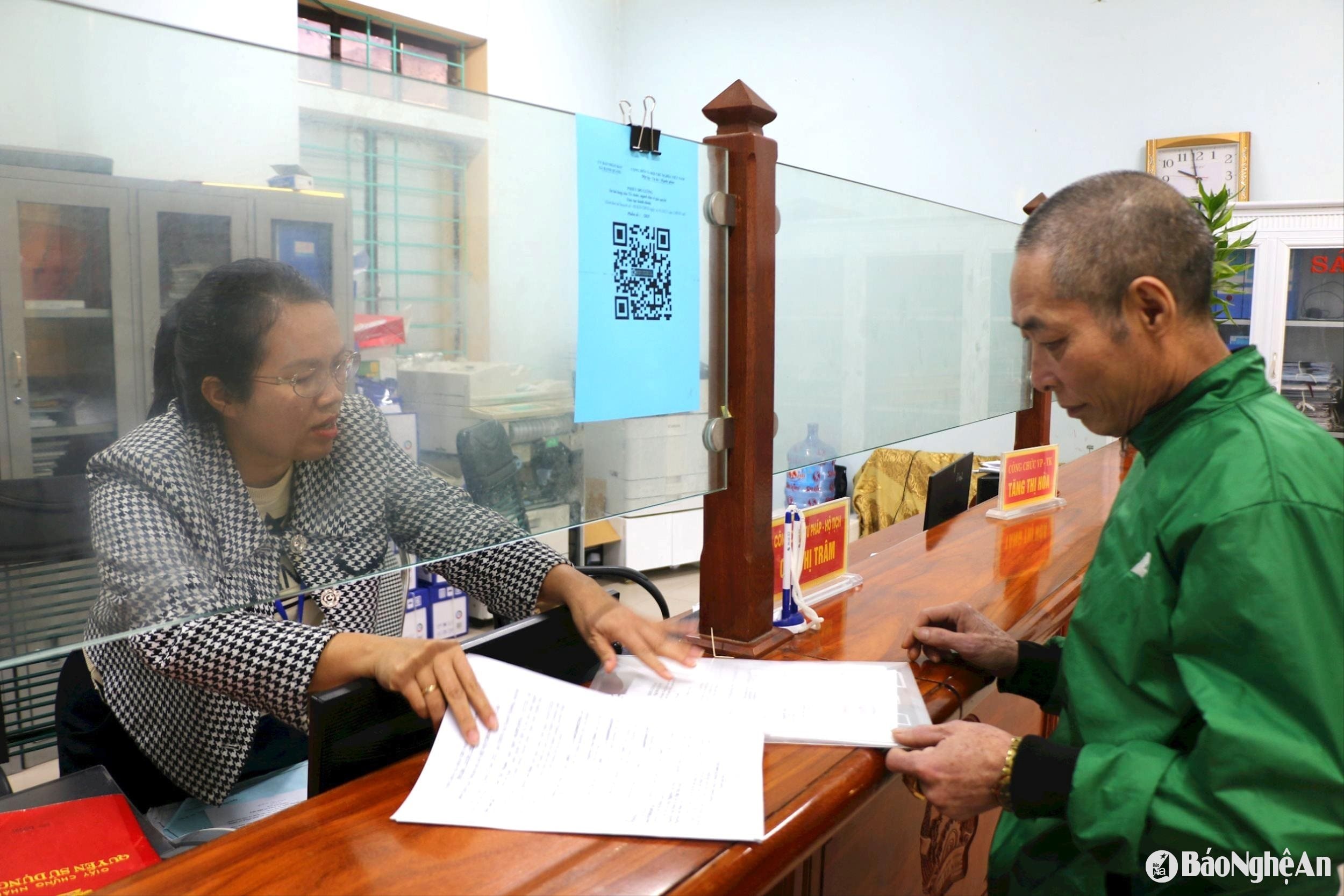
Along with coordinating with localities to promote propaganda work, the Nghe An Department of Justice also closely follows the direction of the Ministry of Justice and the Task Force of Project 06/CP of Nghe An province to implement tasks under Project 06/CP in the field of justice, ensuring the principle of "clear person, clear task, clear time".
Guidance on professional matters and resolution of difficulties and obstacles for establishments are carried out regularly, and inspection and supervision work is given due attention.
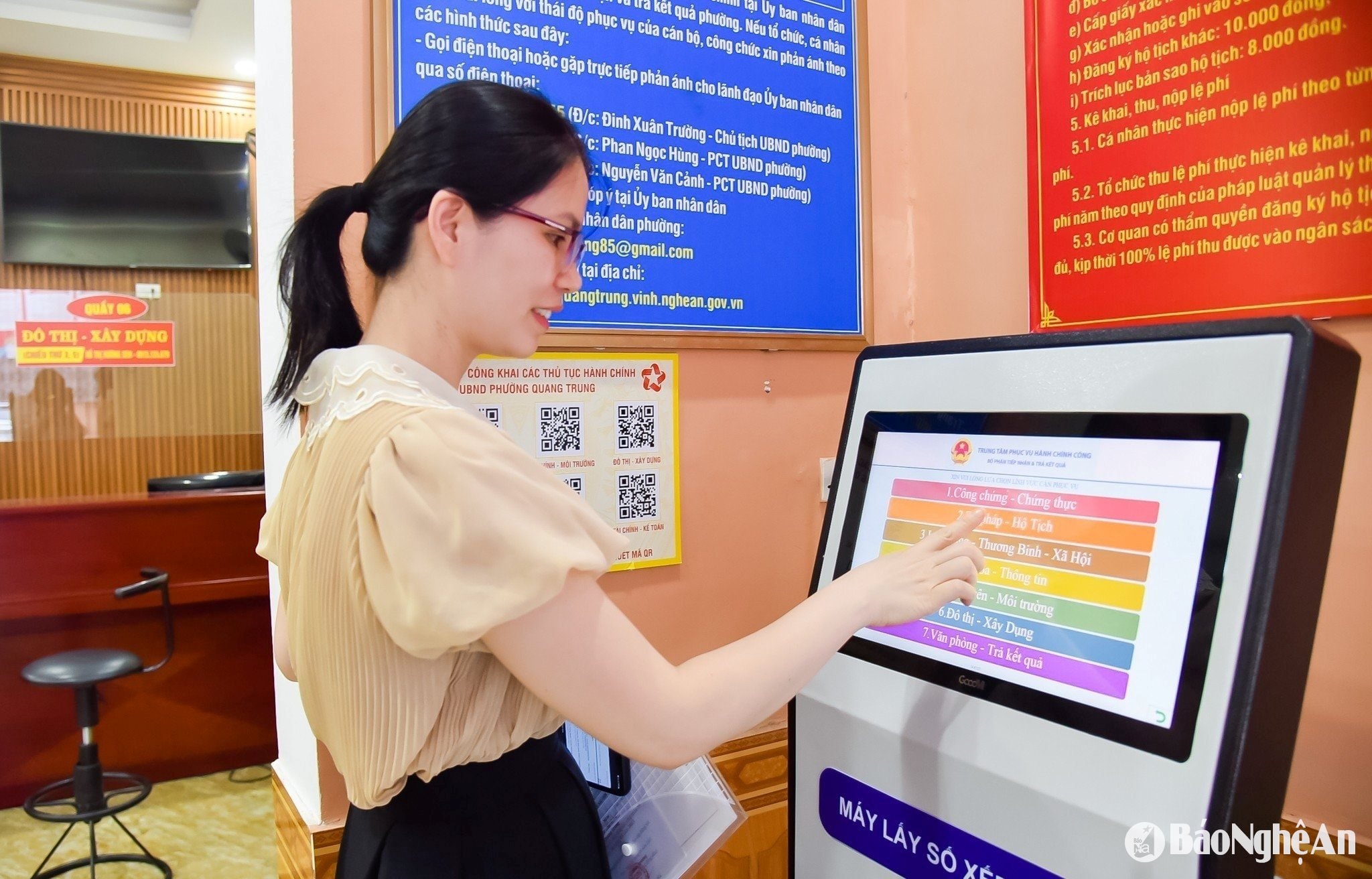
In many localities, district-level Justice Departments and commune-level People's Committees regularly organize mobile teams to go to villages, hamlets, and neighborhoods to guide and support people in registering for online public services. As a result, the rate of registration for public services in the field of justice is increasing.
According to statistics, in 2024, Nghe An province received 270,974 out of 307,177 online public services in the Justice sector, achieving a rate of 88.24%, exceeding the target set by the Provincial Task Force for Project 06 by 18.24%. In particular, civil registration services achieved a high rate of 97.56%, corresponding to 233,961 out of 239,793 cases, exceeding the target by 27.53%; 11 units achieved a high rate of public services exceeding 99%.

One of the objectives of Project 06 is to minimize the time taken to process administrative procedures for citizens, saving the State costs in archiving and preserving records. Therefore, the Nghe An Department of Justice has actively implemented the digitization of records and results of administrative procedure processing.
To date, 100% of agencies and units at all three levels (provincial, district, and commune) have digitized administrative procedure records and results on the province's Administrative Procedure Information System.
.jpg)
At the Department of Justice, in 2024, the complete digitization of dossier components reached 99.93%; the digitization of administrative procedure resolution results reached 99.86%.
At the Justice Department of the commune-level People's Committee, 100% of records and results of administrative procedures in the field of civil registration have been digitized; and 99.57% of records and results of administrative procedures in the field of notarization have been digitized.
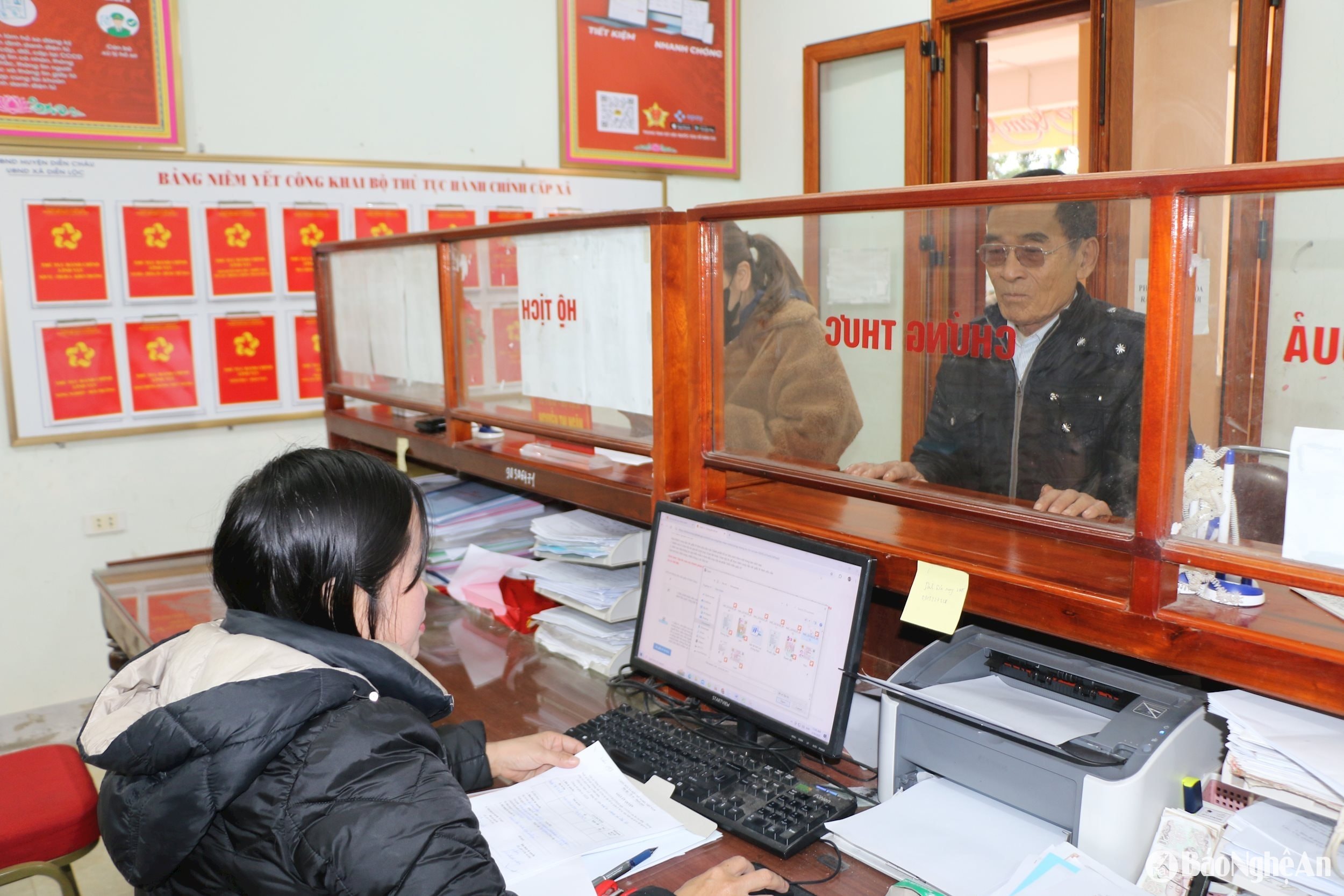
The process of receiving and handling administrative procedures electronically has been comprehensively strengthened across all areas of the Justice sector. 100% of administrative procedures under the authority of the Department of Justice at the Provincial Public Administrative Service Center are received electronically.
Specifically for the field of authentication, although it is an administrative procedure with a very large volume of documents, the civil registration agencies have implemented many solutions to increase the rate of acceptance of this field in the electronic environment.
Accordingly, by the end of 2024, the entire province had received 280,397 out of 510,654 authentication requests, reaching a rate of 54.91%, with many units achieving exceptionally high rates, such as Quy Hop at 99.58%; Quynh Luu at 95.12%; Dien Chau at 90.69%...
It should be added that the database for the field of notarization and authentication has been implemented by the Department of Justice since January 2023 at civil registration offices and notarization organizations in the province and is now stable.
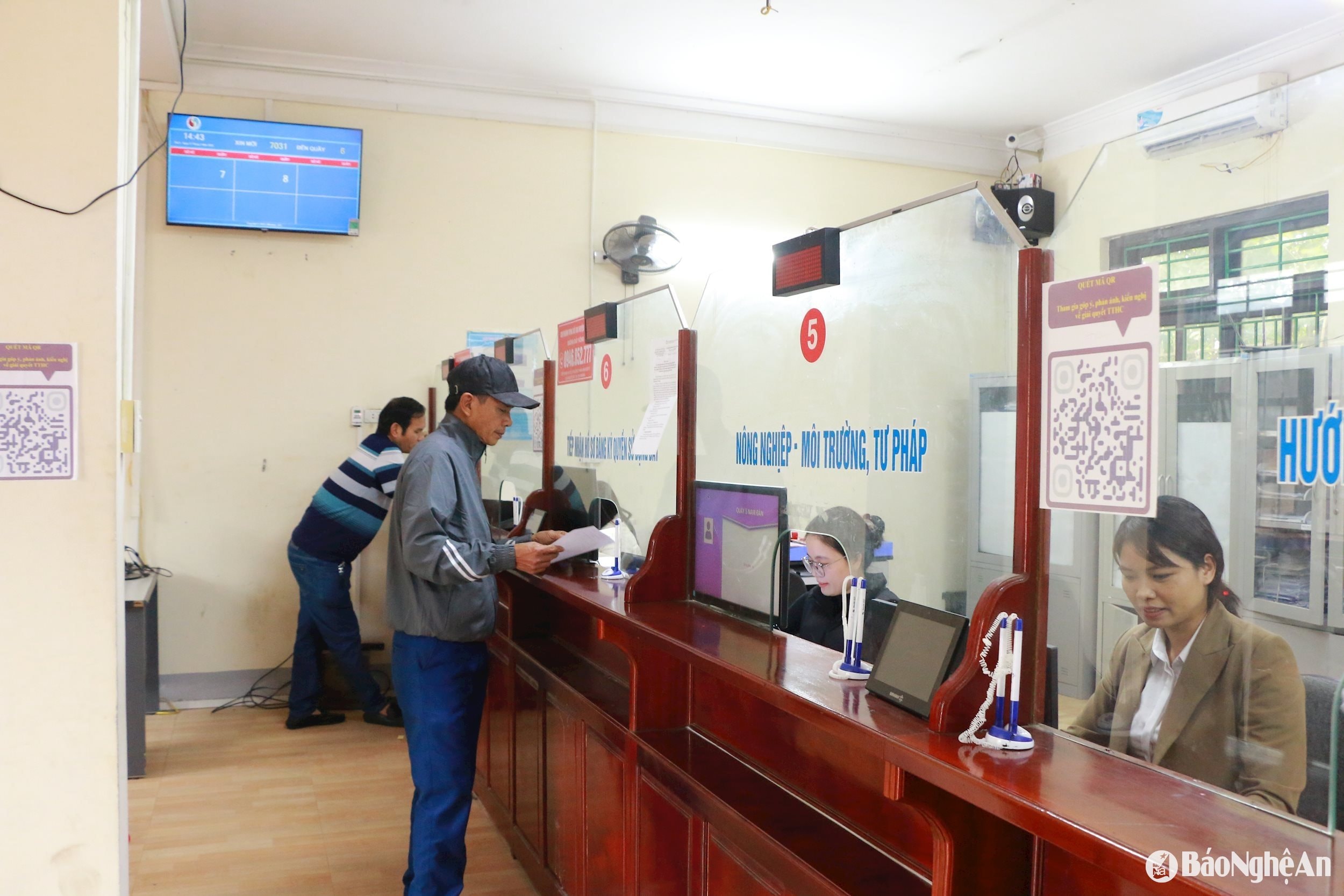
The use of notarization and authentication databases helps users easily perform accurate and efficient operations, facilitating effective state management and contributing to the completion of notarization and authentication databases.
By the end of 2024, the civil registry had updated 21,733 certified copies; 9,073 certified signatures on documents; and 7,308 contract and transaction records. Notary offices had updated 6,202 contracts and transactions involving 40 participating organizations.

Alongside promoting the effective implementation of general models such as the 6 essential public services and piloting paperless public services at the district and commune levels with 6 administrative procedures, the Nghe An Department of Justice also focuses on implementing models assigned to it by the provincial Project 06 task force.
Specifically, Model 26 on policy dissemination and legal support through VNeID and CallCenter applications has been completed; Model 4 on storing and authenticating electronic documents to serve citizens and businesses participating in the digital environment has been effectively implemented, with 481 out of 481 units now authenticating electronic copies; the entire province has authenticated 679,163 electronic copies, and many units have implemented the storage of electronic authentication results in the data warehouse.
Regarding model 8 on the use of authentication devices in notarization activities, to date, 4 notarization organizations have signed contracts with service providers to utilize the population database, facial authentication, and subject identification for notarization activities, including: Notary Office No. 1, Notary Office No. 2, Hung Nguyen Notary Office; and Nguyen Thanh Tung Notary Office.
During the discussion, Mr. Nguyen Canh Toan - Head of Notary Office No. 1, also Chairman of the Association of Notaries of Nghe An Province, said: To implement "Model 8", Notary Office No. 1 has signed a contract with VNPT Nghe An to provide citizen identity card reader equipment, along with accompanying service packages such as: authentication of chip-embedded citizen identity cards; facial authentication; fingerprint authentication; data exploitation services…

“Using the authentication device is not difficult; simply connect the reader to the computer, then place the citizen ID card in the correct position. The system will automatically display information such as full name, date of birth, place of residence, and old ID card number. This feature helps notaries quickly create documents, ensuring accuracy from scanned information, while saving data entry time and optimizing the notarization process,” Mr. Toan said.
In fact, the use of chip readers on citizen identity cards at Notary Offices has received much positive feedback from citizens coming to complete procedures.
Mr. Nguyen Xuan Dung, residing in Dien Ky commune (Dien Chau district), shared: "Previously, when doing notarization procedures, I had to bring a lot of documents. But now, I only need to bring my citizen ID card and scan the code, and all the information appears in full. This process is quick, taking only a few seconds, saving me time and reducing the complexity of administrative procedures."
The timely and effective deployment of online public services by the Ministry of Justice has contributed to changing the mindset from "doing things for people" to supporting, guiding, and promoting digital skills among citizens. This has led to a shift in the habit of using paper documents to using electronic documents, gradually fostering digital citizens and a digital society.


