
Final article: Emphasizing shopping tourism and leveraging natural advantages.
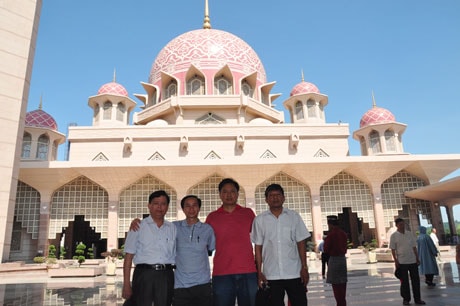
Ancient Hindu temple - Malaysia
Many students come to Singapore to study and conduct research.
Malaysia and Singapore have created shopping paradises for themselves, with thousands of supermarkets and shopping malls offering a wide variety of goods. For example, in Kuala Lumpur, there are hundreds of supermarkets catering to "shopping tourism," the most famous being in the Bukit Bintang area. In Singapore, Orchard Road – a bustling shopping street – is similar, boasting dozens of supermarkets.
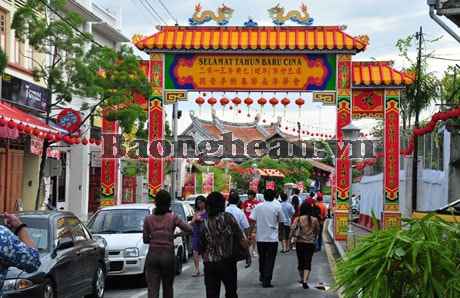
The ancient city of Malacca is a giant museum, a repository of many historical artifacts of the Islamic country of Malaysia.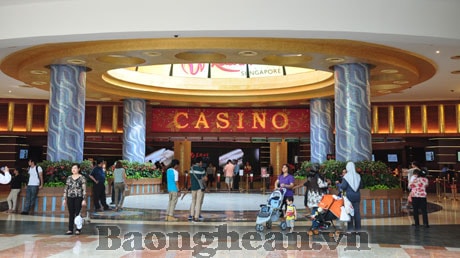
Casino inside a supermarket on the island.Sentosa – Singapore
These shopping areas boast tens of thousands of stalls offering a wide variety of goods, both local and imported, including clothing, jewelry, sporting goods, electronics, pharmaceuticals, computers, and furniture. The great thing is that the same item is priced the same in any supermarket; secondly, customers can always buy genuine products because the government strictly controls counterfeit goods; and thirdly, the stalls are beautifully arranged, and the service is enthusiastic and polite, making tourists feel guilty if they don't buy anything. Finally, many items are tax-free. To boost shopping tourism, the governments of both countries have organized numerous cultural festivals combined with massive sales events during the summer and at the end of the year. Throughout these festivals, from imported to domestic goods, from designer brands to everyday items, everything is discounted from 20% to 80%, even up to 95%. In Singapore, there are shops and items on sale every single day.
With their natural advantages, ecotourism in these two countries is also fully utilized: Malaysia's advantage for ecotourism lies in its highest mountains in Southeast Asia. Malaysian forests are almost entirely untouched by deforestation for agriculture, with the entire country stretching out in a lush green. Ancient tropical forests have been developed for tourism. A prime example is the million-year-old Mulu Forest – a "World Heritage Site"; a forest with over 3,500 plant species and thousands of animal, reptile, and insect species. Here, visitors can explore the pristine Melinau River and the largest and longest limestone cave system in Asia.
In addition, there is the 520-hectare Afamosa Resort with lions and tigers roaming freely; and Kinabalu National Park with a mountain reaching 4,095 meters above sea level. Malaysia also has a strong advantage in beach tourism because the country is surrounded by sea and is rarely affected by major storms. With Singapore, which doesn't have many natural advantages for ecotourism, the country has continuously "innovated" by building artificial landscapes and ecotourism attractions such as Jurong Bird Park, the night zoo, and botanical gardens. For example, Pulau Ubin Island has been developed into a nature park and marine life conservation area.
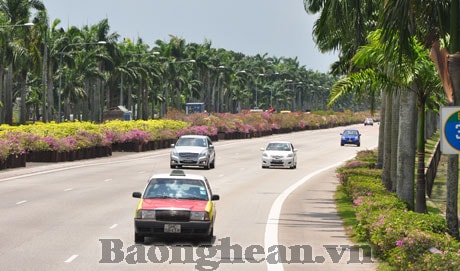
The highway leads to Singapore City International Airport.
Photo in the article: Minh Thông.
Upon arriving in Singapore, it's easy for tourists to notice that the country's tourism industry thrives on a green and clean environment. Over 90% of the population lives in apartments, and half uses public transportation. Along the streets of the "Venice of the East," you'll always see lush greenery and colorful flowers, and interspersed among urban areas are cleverly preserved patches of pristine forest. And that alone demonstrates how eco-friendly tourism truly is.
Thanh Chung


