
Journalism in the era of national development
General Secretary To Lam's vision and messages are inspiring strong development at all levels, in all sectors, among every Party member, voter, and citizen nationwide. The press needs to join the fight, be creative, guide public opinion, do a good job of ideological work, and create a favorable environment for the country to thrive.
Assoc. Prof. Dr. Do Chi Nghia
(Permanent Member of the National Assembly's Committee on Culture and Education)
Publication date: November 8, 2024
General Secretary To Lam's vision and messages are inspiring strong development at all levels, in all sectors, among every Party member, voter, and citizen nationwide. The press needs to join the fight, be creative, guide public opinion, do a good job of ideological work, and create a favorable environment for the country to thrive.
With just over a year remaining, the 14th National Congress of the Communist Party of Vietnam will take place. Major orientations in the vision for national development have been and are being shaped in the documents prepared for the Congress. In particular, the articles and speeches of General Secretary To Lam – the highest leader of the Party – have clearly outlined the fundamental ideas on the path forward. The destination is for the country to enter a new era, an era of national progress for Vietnam. The aspiration for a strong nation, a civilized society, and a prosperous and happy people, looking towards the 100th anniversary of the Party's founding and the nation's founding, is gradually becoming a reality.
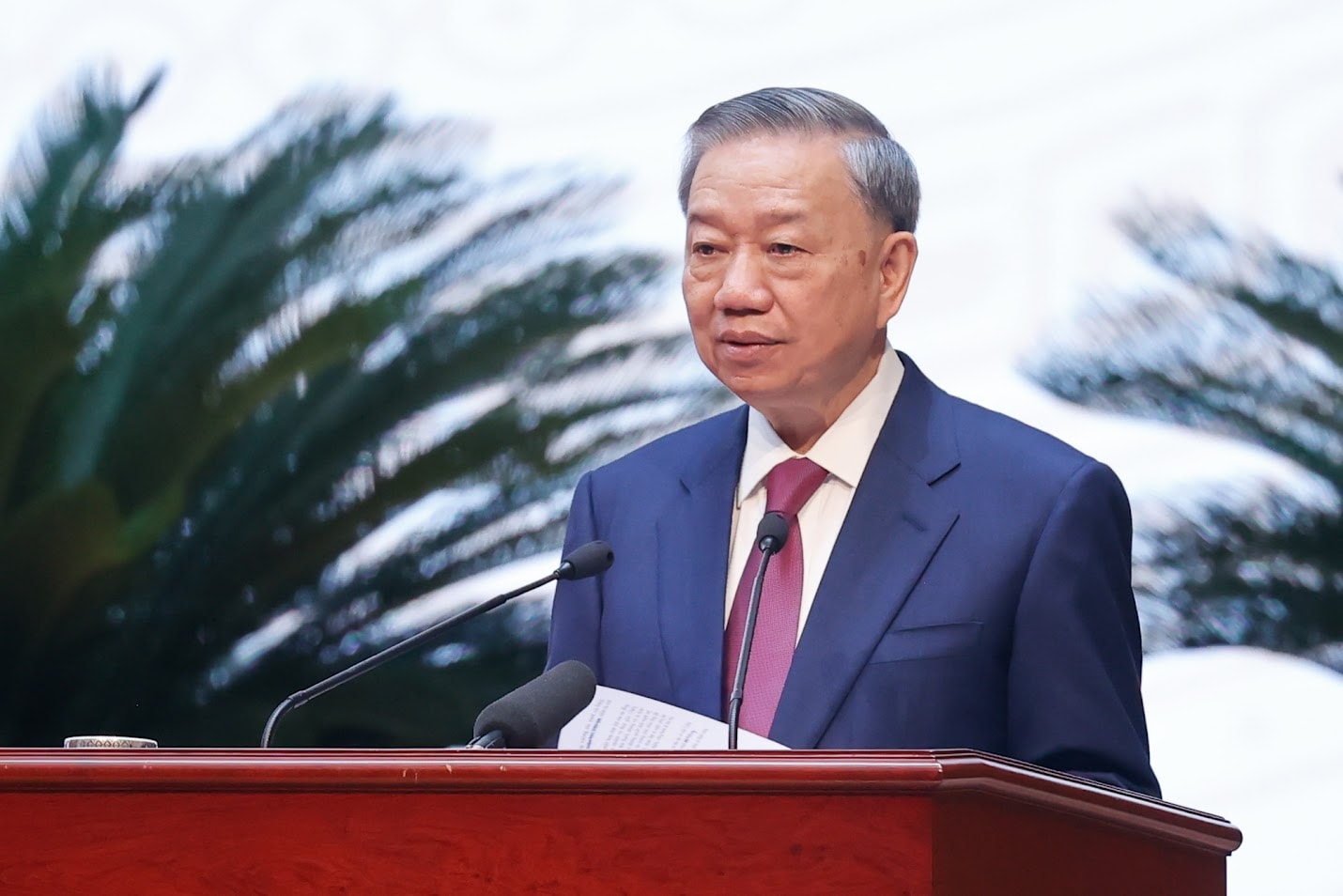
However, as the General Secretary has pointed out, to achieve that goal, we must strive to overcome bottlenecks, streamline the apparatus in a substantive, effective, and efficient manner. We must intensify the fight against waste alongside the fight against corruption and negative practices, creating truly strong and synchronized changes…
The press, with its pioneering mission on the ideological front, must also rise to prominence in the era of national progress. The revolutionary press's baggage includes a rich history, close ties with the people, and unwavering dedication to the country.Party, StateWe have always valued the role of the press, paying attention to directing and promoting it to fulfill its mission well. However, standing firm in the practical reality of Vietnam, the press must be creative, proactive, and strongly innovative to meet the public's expectations. No one can replace journalists in this self-driven effort when faced with the daily flow of information. Who to write for, what to write about, and why to write are questions that motivate every journalist as life moves very quickly, the public's need for information is ever-increasing, and information competition becomes increasingly fierce.
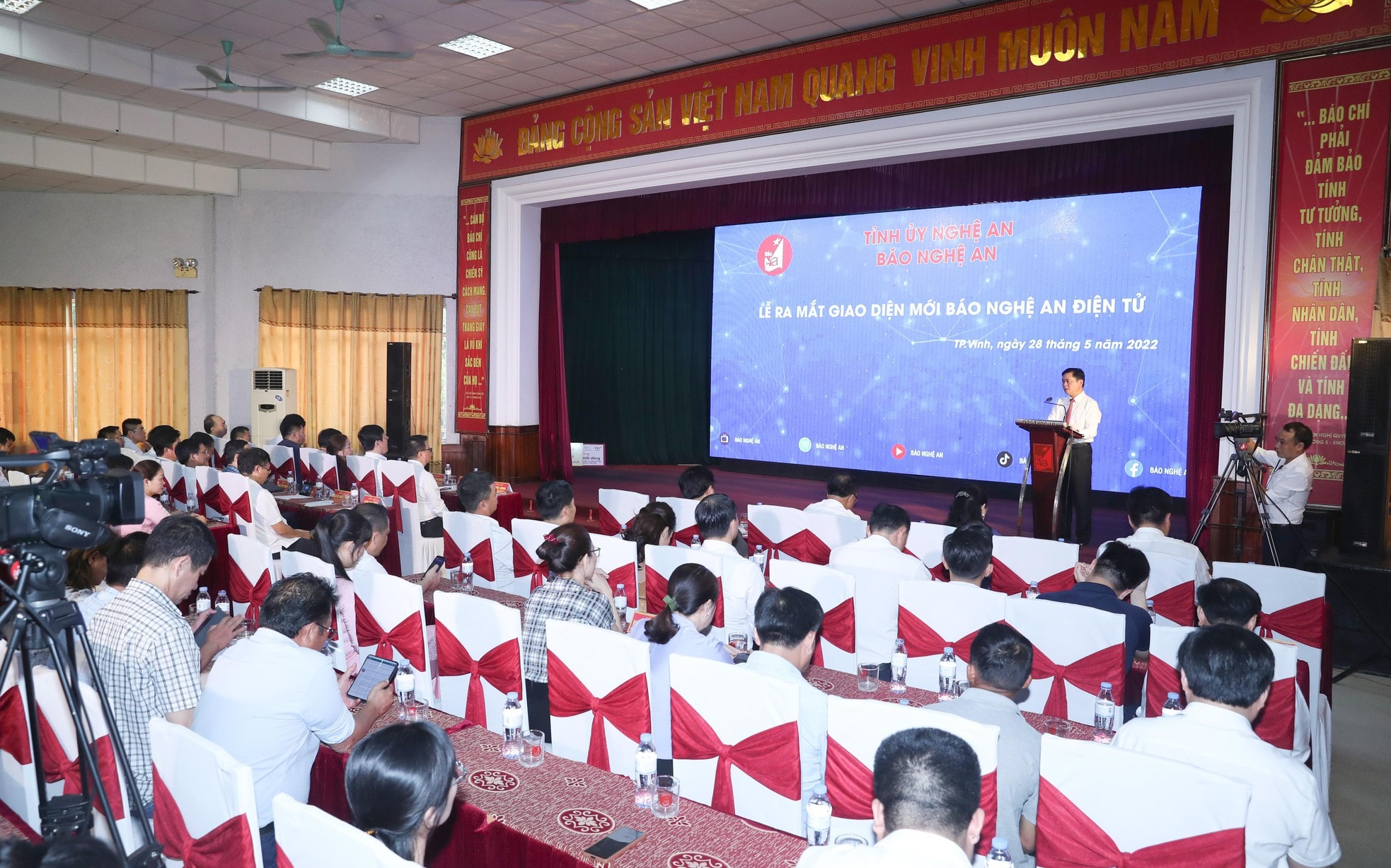
The power of journalism lies in speaking the truth. Accurately identifying the essence of an issue is a journalist's talent. Presenting that truth in the most persuasive and timely way is the task that motivates journalism. The journalistic profession always needs journalists with strong character, clear political responsibility, and a heart devoted to the interests of the country and the nation. But the individual talent of a journalist plays a very significant role. A journalist with vision, a unique identity, and a captivating charm that wins the public's trust is a great asset to the organization. They must work hard, meticulously understand the issues, think deeply about each message, and be careful with every detail. Journalist Huu Tho once pointed out that journalism is 1% talent and 99% personal effort, but without that 1%, one cannot become a professional. Valuing talent and journalistic qualities, and emphasizing training and practice, is crucial.journalismIt has never been easy, but it has never ceased to be fascinating.
The economic challenges facing journalism are immense. Social media platforms have taken away over 50% of traditional newspaper revenue. Print circulation has plummeted, and advertising on radio, television, and even online newspapers is no longer what it used to be. This loss of revenue makes investment and development much more difficult, while the need for technological innovation is urgent.
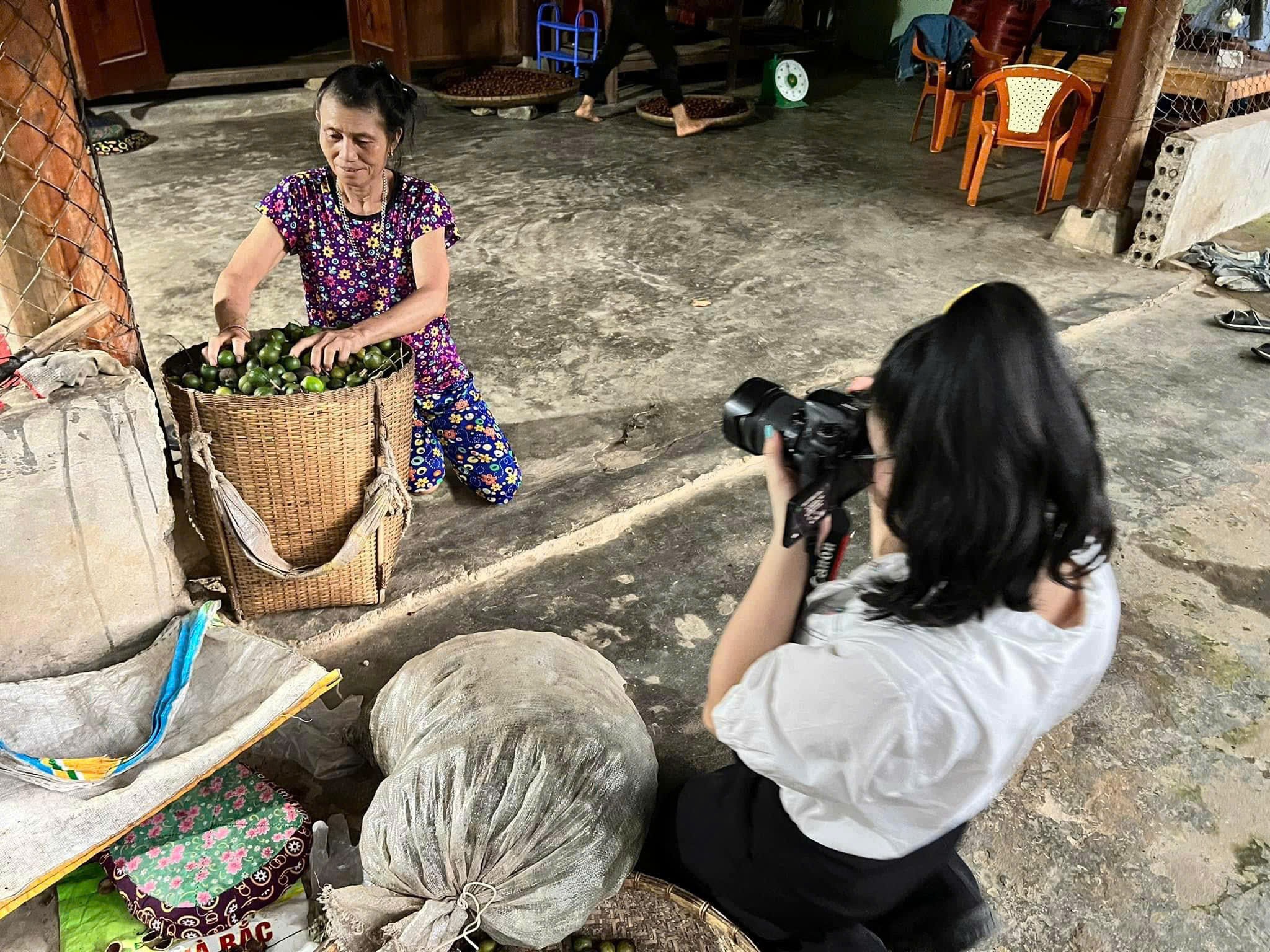

More than ever, the press must strive to improve, reinvent itself, and keep pace with the flow of life and the times. We cannot allow the pace of time to lag behind; we cannot expect the public to wait for belated news or monotonous, report-like articles. We must produce unique content and deliver timely, impactful information that resonates with the public.
Journalists are happy because they always receive attention from the Party and the State, and encouragement and recognition from the public. President Ho Chi Minh wrote thousands of articles, and even directly served as editor-in-chief of the French-language newspaper "The Suffering People" and the newspaper "Youth" published in Guangxi (China) to propagate the revolution. Amidst the countless busy schedules of the Party and the country's leader, he still maintained the column "Speaking and Listening" in the Nhan Dan newspaper. When the national leader directly took up the pen to write articles and engage in dialogue with readers in the Party's newspaper, the flow of life seemed to become even closer between the Party and the people, sharing a common cause.
General Secretary Nguyen Van Linh, with his column "Things That Need to Be Done Immediately," defined a leadership style of "Speaking and Doing," as he explained the famous pen name NVL during the early days of the Doi Moi (Renovation) period. So many anxieties, concerns, obstacles, and barriers needed to be removed. The Party leader expressed these in concise articles on the front page of the Nhan Dan newspaper. This message resonated with the press through articles "Responding to Things That Need to Be Done Immediately." The strong and decisive changes of the Doi Moi (Renovation) process necessitated the irreplaceable role of the press during this period.
In this era of national resurgence, journalism must breathe the spirit of the nation, connecting with the thoughts and concerns of the people. Vietnamese culture is a great resource, an invaluable asset that must be preserved. While technology is innovative and modern, the Vietnamese spirit and identity must permeate every article, every page, every journalistic product published daily and hourly.
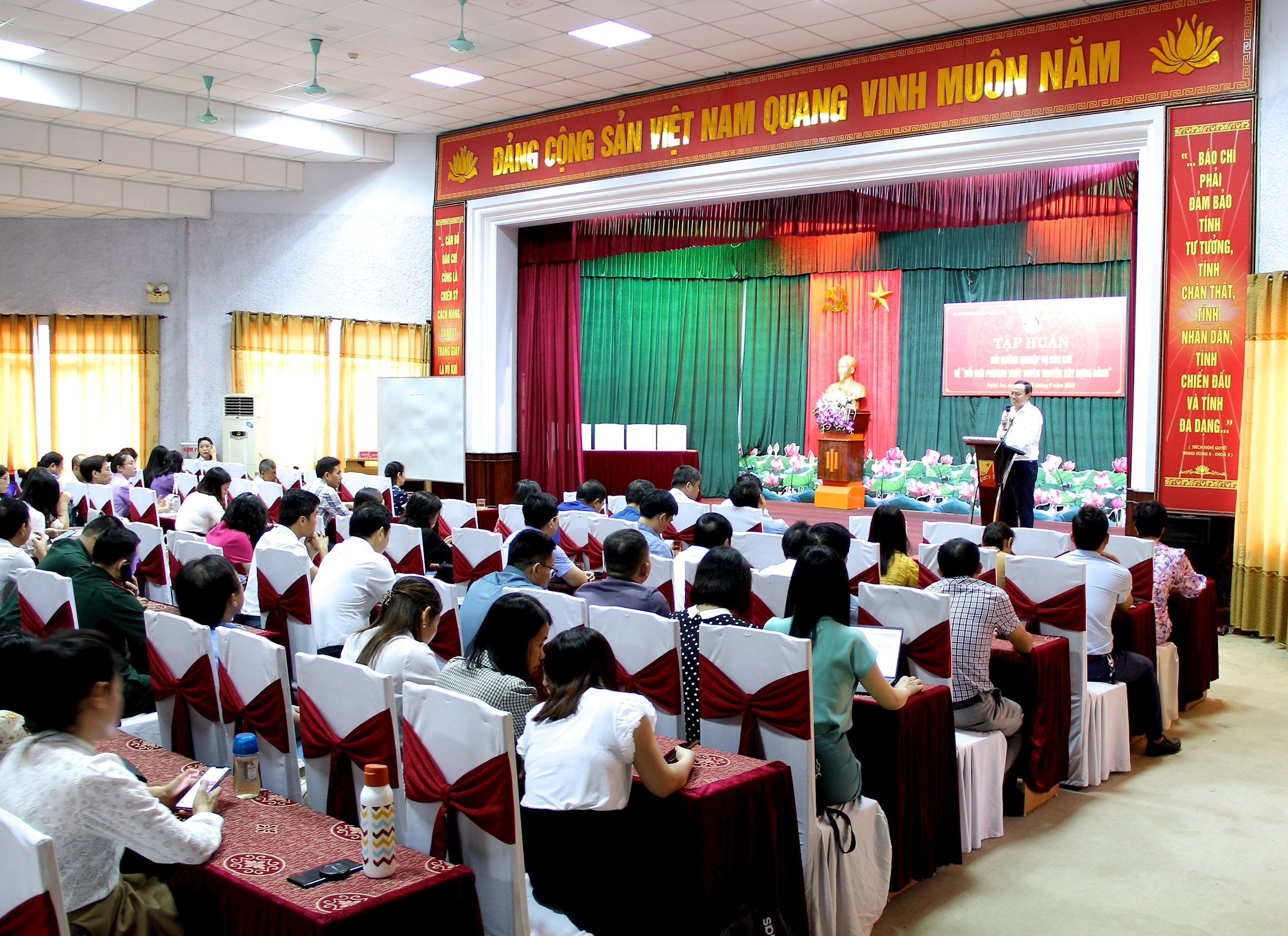

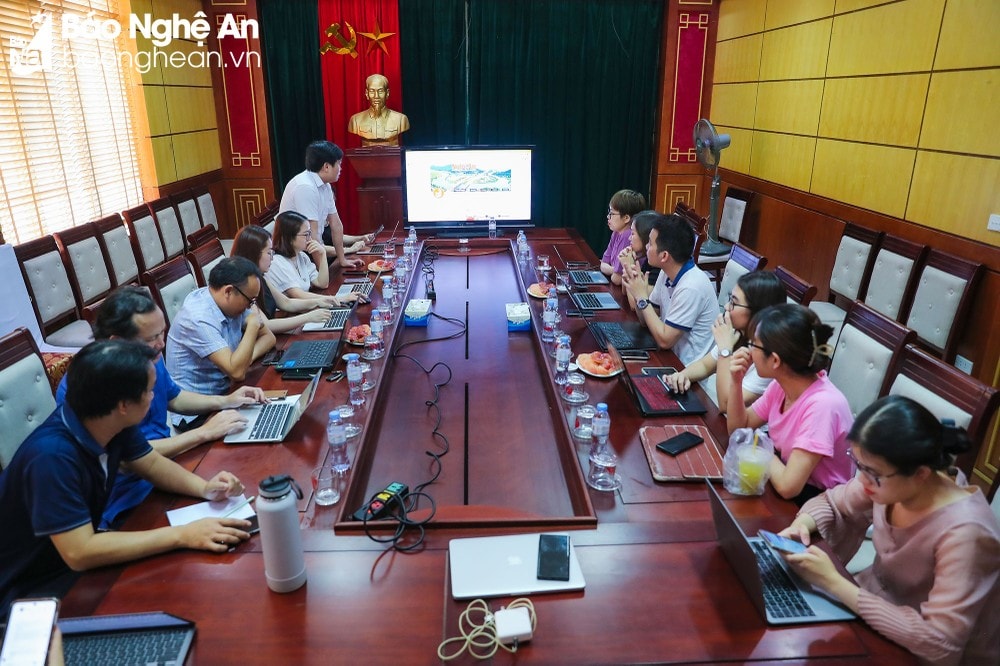
Journalism in the new era must have a new vision. The world is changing unpredictably. The guiding principle is to resolutely do what benefits the country and resolutely avoid what harms it. Carefully considering the advantages and disadvantages, sharpening thinking, and promoting more appropriate channels of communication, journalism only thrives when it can persuade the public. We must resolutely combat harmful and toxic information, stop hostile rhetoric, and encourage a spirit of innovation. Journalism in the new era must be the mainstream, building trust and fostering vitality.
Innovation is not easy. Press agencies, already heavily reliant on staff and bureaucracy, struggle to navigate the flow of information, and even internal shifts and aspirations for improvement face difficulties. Choosing the right people to lead is crucial. Removing obstacles to journalistic development, streamlining the ordering process, establishing reasonable pricing, and setting clear standards are essential for effective implementation. Most importantly, the attention and support of governing and managing agencies are needed to provide and guide information so that the press can fulfill its leading and pioneering role on the ideological front, as envisioned by the Party.
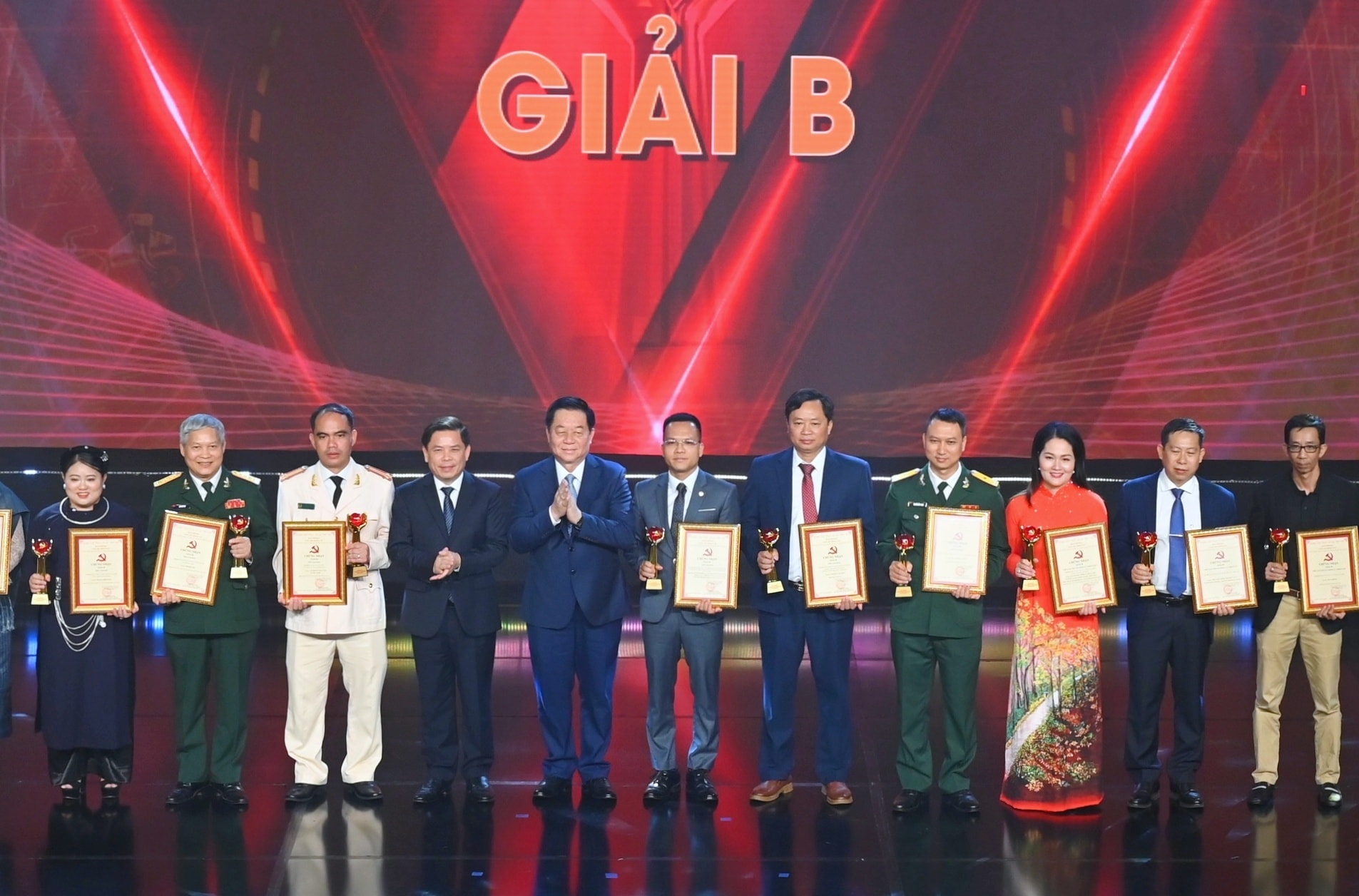
Journalism in the new era must integrate strongly. In today's flat world, media power often lies not in having a lot of money, but in ideas and creativity. By mastering technology, investing wisely and securely, training and utilizing talented people, journalism will be able to grow alongside the nation's progress. Furthermore, journalism must be pioneering, leading the way, and proactively engaging in battles—a core value of journalism.revolutionary pressAlways show it.
Major changes are taking place globally. The country faces a historic opportunity to break through and rise to prominence. Combating corruption, waste, and negative practices, reforming the political system towards a substantive, streamlined, effective, and efficient direction, removing three bottlenecks, and creating three breakthroughs in institutions, infrastructure, and human resources… These tasks are urgent and difficult, but they are indispensable for development. The vision and messages of General Secretary To Lam are inspiring strong development at all levels, in all sectors, among every Party member, voter, and citizen nationwide. The press needs to be proactive, creative, guide public opinion, do a good job of ideological work, and create a favorable environment for the country to rise. Each media agency and each journalist must also strive harder, make greater efforts, and improve their professional qualities and capabilities to contribute better to the revolutionary cause of the nation. Only by doing so can the press truly live up to its revolutionary journalistic tradition, uphold its core values, and act as a vanguard in the nation's development in the new era unfolding before us!


