
A deadlock in the once-famous tile-making village.
Since hundreds of traditional tile kilns ceased operation in 2017, members of the Cua Tile Production and Service Cooperative (Hoan Long commune, Tan Ky district) have also begun suing each other. Unable to reach a consensus, the high-tech tile production line, which had received an investment of over 20 billion VND, has been abandoned ever since, causing regret for a long-established traditional craft village.
Waste of over 20 billion VND in production lines.
In mid-April, we visited the high-tech tile production line workshop of the Cừa Tile Production and Service Cooperative (Hoàn Long commune, Tân Kỳ district). This is a traditional craft village."A glorious past"This was the largest tile-making area in Central Vietnam decades ago. The craft village formerly belonged to Nghia Hoan commune, but Nghia Hoan later merged with Tan Long commune, and is now renamed Hoan Long.
“It’s such a pity, sir! It’s all because of internal disunity that things have come to this point, wasting so many years,” said Mr. Nguyen Huu Nga (60 years old), Deputy Director of the Cua Tile Production and Business Service Cooperative. Mr. Nga was someone we met by chance when we entered the craft village, where he was looking dejectedly at the old tile kiln foundations that were once bustling.
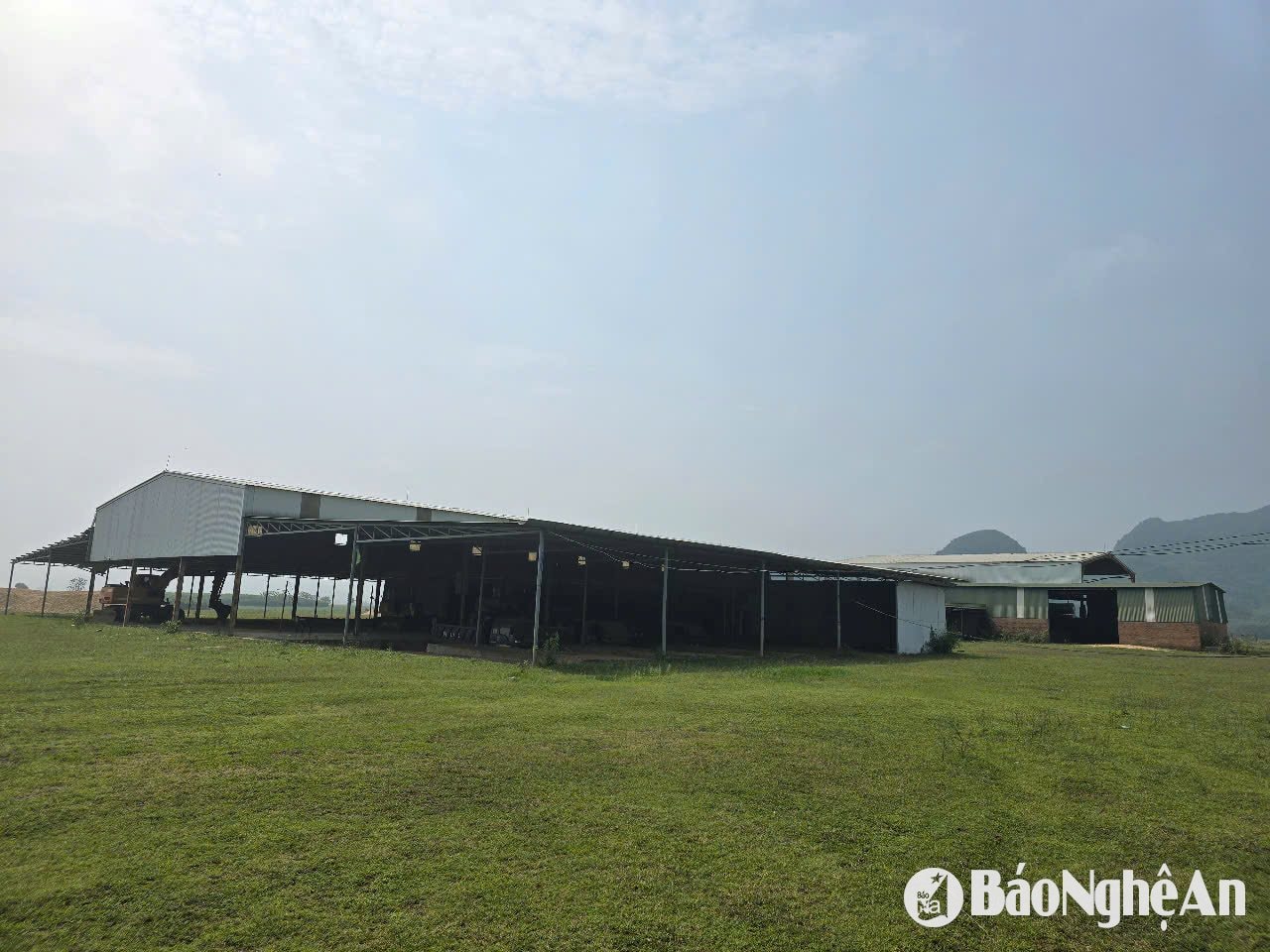
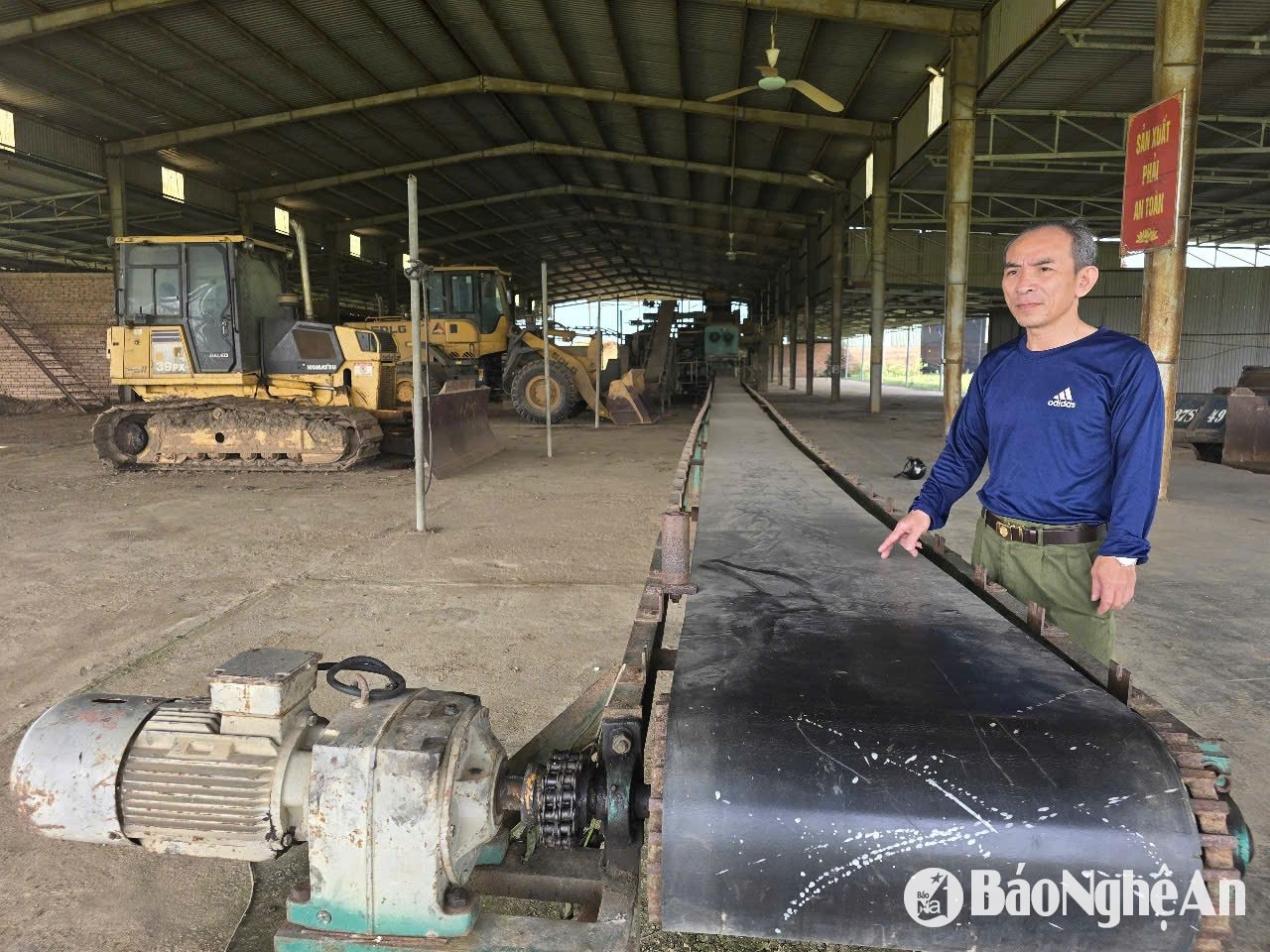
He led us into the factory complex, which spanned thousands of square meters.2Mr. Nga said that this was a high-tech brick-making line, which the cooperative invested over 20 billion VND in to build starting in 2012. After operating for a few years, in 2017, when the manual brick kilns were forced to cease operations according to policy, and the high-tech tunnel kiln brick factory project faced opposition, this line had to be abandoned.
Outside the factory complex lies a vast, empty plot of land, once bustling with buyers and sellers, now used only for grazing cattle. Inside, many parts of the machinery have rusted after years of inactivity. Trucks, excavators, and other equipment have sat idle for the past eight years, covered in dust. In previous years, the area was guarded, but now, due to a lack of funds to hire security, the guardhouse is abandoned, and many parts of the factory have been dismantled and stolen for scrap metal.
"Because of the regret, I occasionally visit. Every time I go, I discover that something is missing from the factory. At this rate, it won't be long before this multi-billion dollar tile production line is completely gone," Mr. Nga said, sighing.
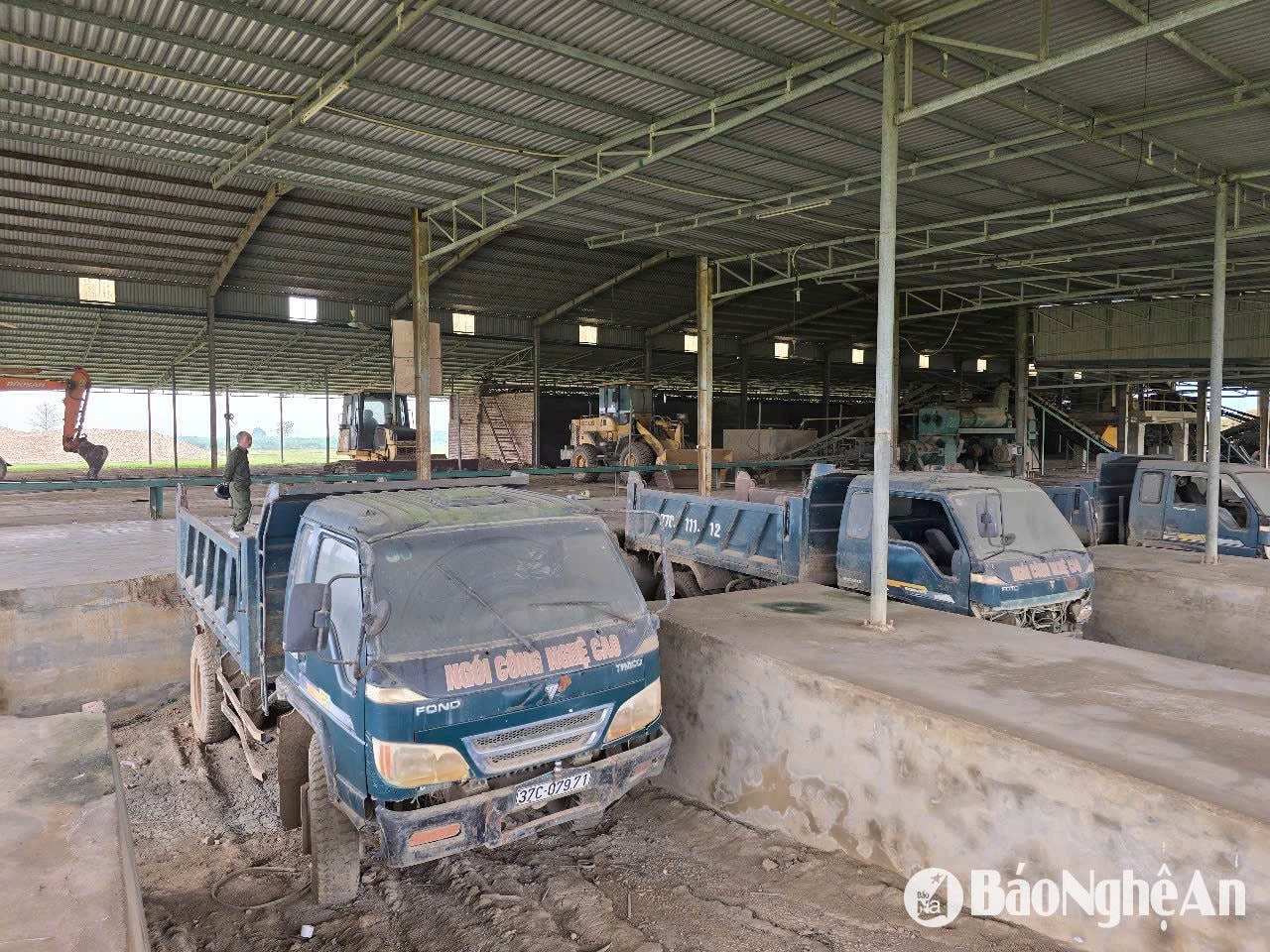
Not far from this factory, there used to be hundreds of towering, handcrafted tile kilns. Not long ago, after years of inactivity, the local authorities had to allocate funds and hire machinery to demolish them. Now, only the old foundations remain, the only trace to remember the once glorious craft village.
“The high-tech tile factory is just one production line for making roof tiles. To produce a finished tile, we need to invest in many more items, including a tunnel kiln tile factory. But because we couldn't find common ground to continue investing, this production line has become useless. Now we just want all parties to unite so we can sell this factory to someone who is passionate about investing and restoring the traditional craft village,” Mr. Nguyen Huu Nga added.
A solution is needed soon.
Not long after the country was reunified, a family from the North came to live in the former Nghia Hoan area, bringing with them their family's traditional tile-making craft. In 1976, the first tile kiln was built there. Seeing that this family had made a living from tile making, many others also began to learn the trade. The famous Cua tile-making village was born from that.
In 2006, after decades of independent production, the Cừa Tile Production and Service Cooperative was established with 125 members. During its heyday, there were nearly 200 tile kilns, providing employment for thousands of workers. In some years, the village produced nearly 100 million tiles, enough to supply tens of thousands of houses. Tax declarations showed profits from tile production reaching 120 billion VND in some years. Many households earned billions of VND annually. During those years, Cừa village tiles almost monopolized the market in the six provinces of North Central Vietnam, and were even exported to Laos. Cừa village was also the largest tile-producing village in Central Vietnam.
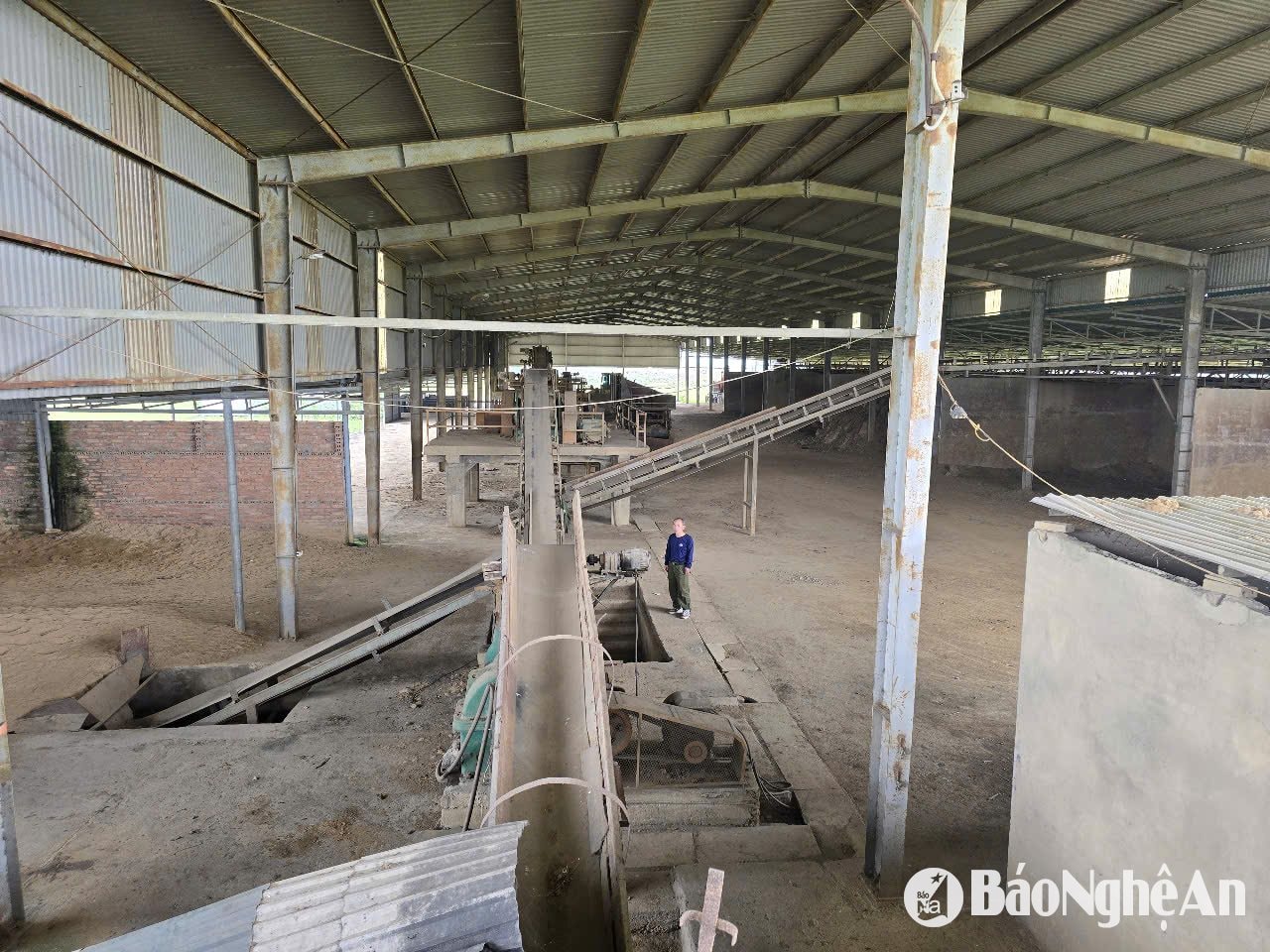
Mr. Nguyen Huu Nga recounted that in 2012, 53 households out of the cooperative's 125 members contributed additional capital to build a high-tech tile production line, with an initial investment of over 20 billion VND. "That was the right decision, aimed at modernizing tile production technology. Especially after the government's policy of eliminating manual tile kilns," Mr. Nga said.
By 2017, the policy of eliminating traditional brick kilns in Nghia Hoan was implemented. To keep the craft village running, the cooperative applied for permission to invest in a high-tech tunnel kiln brick factory, with an investment of over 75 billion VND. “I served two terms as deputy director of the cooperative, so I remember it very clearly. I was also the one who directly applied for the investment license for this factory,” Mr. Nga recounted, adding that at that time, the cooperative also held a general meeting and unanimously passed a resolution stating that, in addition to the 53 households that had already contributed capital to build the brick-making line since 2012, the remaining member households had to contribute an additional 200 million VND per member to fund the factory construction. Although the resolution was passed, no members subsequently contributed additional capital.
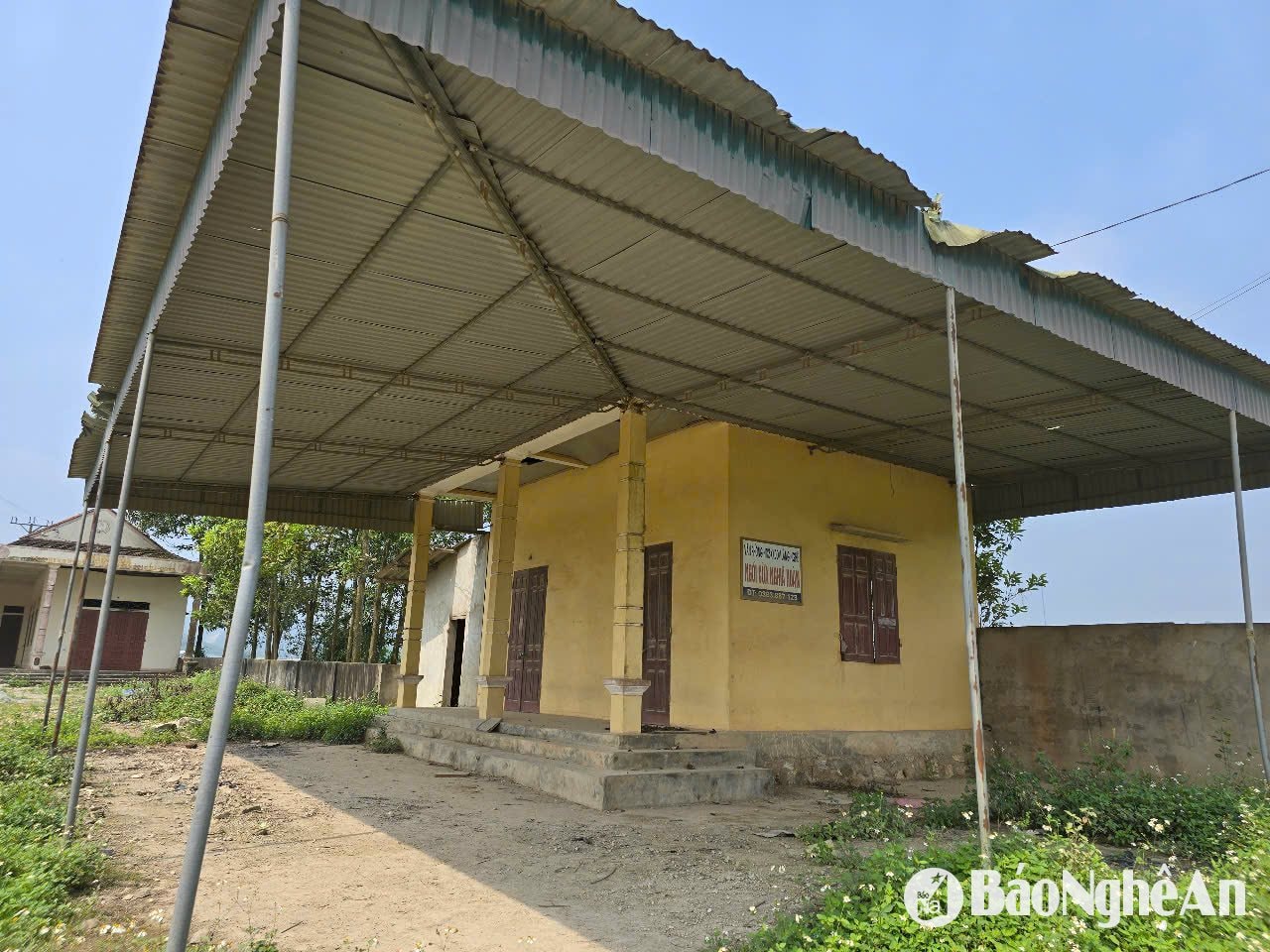
However, in 2019, the tunnel kiln tile factory construction project was still launched. But during the groundbreaking ceremony, dozens of cooperative members came to protest. “They said that too much money had been invested, they didn't want to continue, and they didn't agree to the factory construction. Therefore, the project wasn't implemented. From a united and strong cooperative, it later split into factions, and many people started suing,” Mr. Nga recounted.
After dozens of dialogues that failed to reach a consensus, in 2020, the local authorities and the cooperative decided to appraise the high-tech mold making line for sale, then distribute the proceeds to all members and dissolve the cooperative.
“I still remember that time; all the cooperative members unanimously agreed on that solution. They had calculated and valued the production line at 16 billion VND. Several outside investors had also come and offered to buy it. But when it came time to complete the procedures, some cooperative leaders changed their minds and refused to sign. They didn't want to sell, but they also didn't want to buy back the capital contributions of other members. That's why the matter has dragged on until now, causing the multi-billion VND production line to be wasted for many years,” said Mr. Nguyen Van Sam, Chairman of the Hoan Long Commune People's Committee, adding that due to internal conflicts, the high-tech tile production project has not yet been implemented. As a result, the traditional kilns are gone, the high-tech kilns are still missing, and thousands of workers are unemployed. Many kiln owners who had invested billions of VND are now bankrupt.
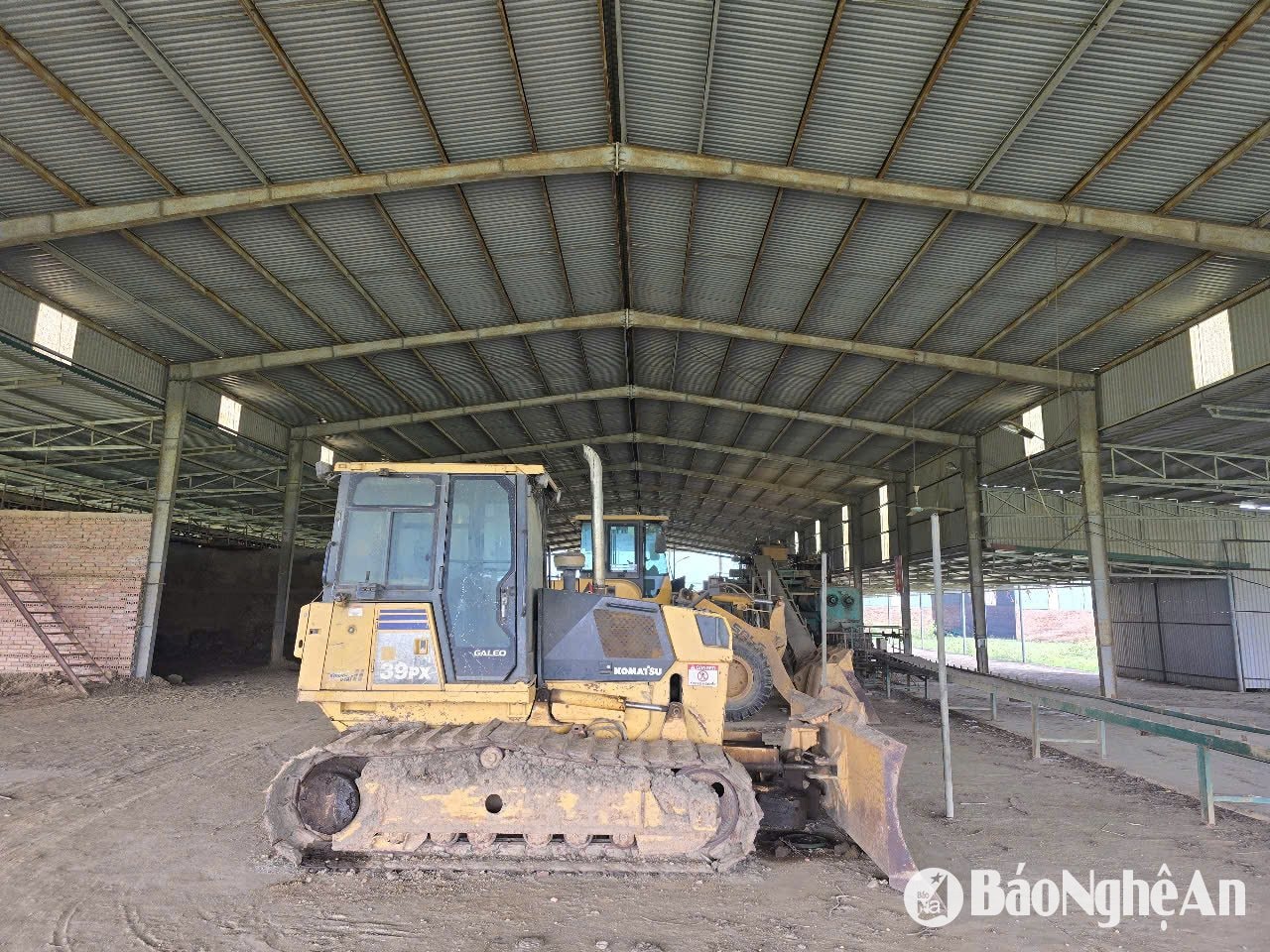
The Chairman of the People's Committee of Hoan Long commune believes that the only solution currently is for the cooperative members, especially the leaders, to find common ground to agree on selling the high-tech tile production line. "Leaving it as it is now is a waste of the cooperative members' money. We want the cooperative to sell it to investors so that this area can be planned as an industrial cluster, utilizing available resources to restore the once-famous Cua tile brand," Mr. Sam added.


