
The disease is more common in the elderly, and here's how to prevent it.
The prolonged hot weather over the past few days, with temperatures reaching 38-39°C on some days, has increased the incidence of digestive, respiratory, blood pressure, and cardiovascular diseases, especially among the elderly. This is particularly concerning given the current risk of dengue fever outbreaks. How can we prevent these risks?
Some illnesses that elderly people are prone to due to hot weather.
Dehydration and electrolyte imbalance: In hot weather, the elderly, who sweat profusely, are very susceptible to dehydration and electrolyte loss, which can significantly affect the cardiovascular system (faster heartbeat, potentially low blood pressure). For middle-aged and elderly people who are still able to work, especially those engaged in strenuous labor or swimming in the sea during hot weather, heatstroke is a serious risk. For the elderly, when the body loses water and electrolytes, the ability to self-regulate is very difficult. Therefore, mild cases may result in constant fatigue, weakness, forgetfulness, and irritability; more severe cases can lead to cardiovascular collapse.
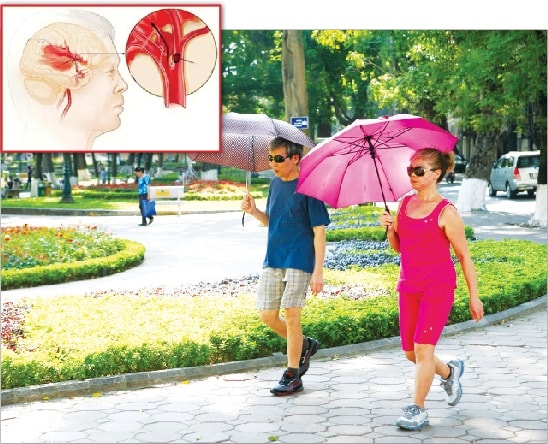 |
| Hot weather can easily cause high blood pressure and stroke in the elderly, so when going out in the sun, it's necessary to use an umbrella and wear a hat to prevent these diseases... Photo: TM |
Dengue fever and malaria: Currently, in some localities, especially in the southern provinces and cities, there is an outbreak of dengue fever. Elderly people who sleep without mosquito nets or are bitten by mosquitoes at any time (due to wearing short clothing that exposes skin) are at high risk of contracting dengue fever. Those living in areas where malaria is endemic also face the risk of contracting the disease through mosquito bites. If elderly people contract these diseases, their health will be negatively affected due to high fever causing dehydration and electrolyte imbalance, bleeding which can easily lead to cardiovascular collapse (dengue fever), anemia, liver damage, and potentially cirrhosis later on (malaria).
Respiratory illnesses: Elderly people can catch colds due to unhealthy daily habits (like showering immediately after being in the sun). Mild cases may cause upper respiratory tract infections, while severe cases can lead to bronchitis or pneumonia. Some conditions such as chronic bronchitis, bronchiectasis, or asthma may also recur with sudden changes in temperature, especially severe asthma which is life-threatening.
Hypertension and cardiovascular disease: Elderly people with hypertension who experience sudden cold (taking a cold shower, sleeping in an air-conditioned room at a very low temperature) are at high risk of dangerous complications. Mild cases may result in increased blood pressure causing dizziness, nausea, vomiting, headache, and irregular heartbeat; severe cases may lead to cerebral hemorrhage or stroke. It should be noted that strokes in the elderly occur significantly more frequently during the hot season due to temperature changes, changes in lifestyle and diet, and especially in those with cardiovascular disease or hypertension.
Digestive disorders: During hot weather, the elderly are also very susceptible to digestive disorders due to unhygienic food and drinks (eating raw vegetables, drinking contaminated ice water, eating raw blood dishes or food contaminated with microorganisms and chemicals), causing diarrhea, dehydration, and electrolyte loss. Meanwhile, they are reluctant to drink water or drink very little, leading to consequences such as rapid pulse, low blood pressure, and even cardiovascular collapse. Furthermore, insufficient water intake combined with dehydration from sweating, especially for some elderly people who eat very few vegetables and fruits or are reluctant to drink milk, causes hard stools, leading to constipation.
Due to the hot weather, beverages, especially cold beer and draft beer, are always a concern, as they can trigger or worsen existing illnesses (stomach problems, cardiovascular diseases, asthma, sore throat, bronchitis). If elderly people have cardiovascular diseases or hypertension, excessive beer consumption also significantly increases the risk of stroke.
What can be done to prevent it?
Elderly people with poor health or those suffering from infectious diseases such as respiratory infections, skin infections, or cardiovascular diseases should be very careful not to take cold showers or use air conditioners at low temperatures, especially when going into an air-conditioned room suddenly after sweating profusely. They should take warm showers and use an electric or hand fan; if in an air-conditioned room, the temperature should be set to 26-28 degrees Celsius. When going out in the sun, they should wear a wide-brimmed hat and avoid swimming in the sea during hot weather, especially at noon and in the afternoon. When working in hot conditions, drinking water mixed with a little salt is very beneficial.
When sleeping, use a mosquito net to avoid mosquito bites. In areas experiencing dengue fever outbreaks, avoiding mosquito bites and eliminating mosquitoes and larvae by all means is the best way to prevent the disease.
Avoid consuming excessively cold foods (iced tea, iced drinks, or fruit taken directly from the refrigerator). Avoid excessively cold beer, especially for those with cardiovascular disease, hypertension, or asthma. Engage in physical activities suitable for the elderly (such as Tai Chi, walking, badminton, or swimming) or walk as appropriate to your health condition. Drink enough water daily to avoid dehydration. Eat plenty of fruits and vegetables, especially easily digestible ones, to provide hydration, micronutrients, and prevent constipation. Wear loose, thin, and breathable clothing in the summer. Ensure your home is well-ventilated and brightly lit. Those with chronic illnesses should take medication as prescribed by their doctor to prevent relapse or worsening of their condition.
According to Health and Life


