
What foods should be avoided if you have gallbladder problems?
People with gallbladder disease should eat a diet rich in carbohydrates such as sugary drinks, fruit juices, vegetable juices, and supplemented with cereal flour and mashed potatoes, and should avoid drinking tea.
Gallbladder diseases include acute cholecystitis, chronic cholecystitis, bile duct stones, and gallbladder stones. Adopting a proper diet will contribute to more effective treatment.
The gallbladder is a small, pear-shaped organ located on the right side of the abdomen, just below the liver. Its function is to store bile. When food enters the digestive tract, the bile is released in bursts through the common bile duct into the intestines to aid digestion. Bile exits the gallbladder through a small duct called the cystic duct, then to another duct called the bile duct, and finally into the small intestine. Although a small organ, gallbladder disease can significantly impact health.
Biliary tract diseases include acute cholecystitis, chronic cholecystitis, bile duct stones, and gallstones.
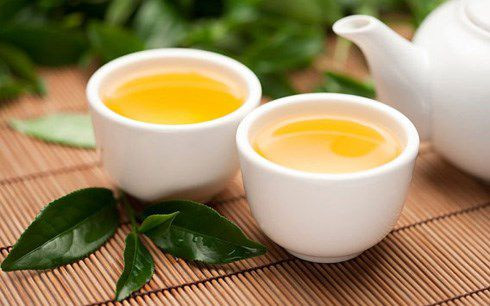 |
People with bile duct problems should avoid drinking tea (because it contains a lot of tannins) to prevent bile stasis and bile duct infections. |
In cases of acute cholecystitis, the gallbladder needs to rest by eliminating or reducing fats and proteins in the diet, as these can cause increased gallbladder contractions.
The diet should consist only of carbohydrates such as sugary drinks, fruit juices, vegetable juices, and supplemented with cereal flour and mashed potatoes. It should be bland and high in fiber to prevent constipation; skim milk can also be given.
In cases of chronic cholecystitis or cholangitis, patients often experience digestive disorders and require a diet that is gentle on bile function, similar to a diet that is gentle on liver function, specifically by limiting fat intake.
Fats affect not only liver and gallbladder function but also the stomach. They slow down pyloric opening and cause bloating as they accumulate in the stomach. Fat hinders the secretion of HCl (necessary for protein digestion) and causes irregular bile flow into the intestines, increasing toxins in the blood and affecting the liver.
People with chronic cholecystitis and biliary tract inflammation should only eat one meat meal a day, using lean, white meat without fat. Use fresh meat, cooked simply such as steamed or boiled. Plant-based proteins (beans, legumes) should be consumed in mashed or stewed form.
People with bile duct problems should avoid drinking tea (because it contains a lot of tannins) to prevent bile stasis and bile duct infections.
For foods rich in carbohydrates, it's advisable to consume plenty of sugar because it's easily digestible and doesn't negatively affect the gallbladder. Avoid chocolate, cocoa, and foods containing added eggs and flour (like cakes) as these can cause indigestion.
Gallstones are divided into two main groups depending on their location: gallbladder stones and bile duct stones. In tropical and poor countries, bile duct stones are the most common because they are associated with biliary tract infections, mainly caused by worms and their eggs. The nature of the stones is also divided into two types: pigment stones and cholesterol stones. Cholesterol stones are often associated with obesity, a high-fat diet, and high blood cholesterol.
To avoid bile stasis and biliary tract infections, it is necessary to limit foods that cause constipation (foods and drinks high in tannins), because constipation creates an opportunity for intestinal bacteria to grow, leading to duodenal inflammation, cholecystitis, and cholangitis, making bile more likely to deposit and form stones.
To avoid the formation of cholesterol gallstones, it is necessary to limit foods high in fat and cholesterol such as animal organs, egg yolks, etc.
According to the Journal of Pharmacy


