
The shift from proactive 'cure' to 'prevention'
With its unprecedented scale and the decisive involvement of the entire political system, the 2026 nationwide health check-up and disease screening campaign in Nghe An is not just a simple medical activity, but also a revolution in healthcare thinking, shifting from "treating disease" to proactively "preventing disease".
The strategic vision is "prevention is better than cure".
On May 16th, in Minh Chau commune, the Ministry of Health, in coordination with Nghe An province, launched the 2026 health check-up and screening campaign for the people. This event aims to realize Resolution No. 72-NQ/TW of the Politburo on breakthrough solutions for protecting and caring for the people's health. Simultaneously with the launch ceremony in Minh Chau commune, 22 centralized examination points and 457 examination points at commune and ward health stations were also implemented throughout the province.
During her working visit to Nghe An province, Minister of Health Dao Hong Lan stated: "Nghe An is one of the pioneering localities nationwide in implementing this program proactively, systematically, and comprehensively, with a clear objective of focusing on the grassroots level and carrying profound humanitarian significance."
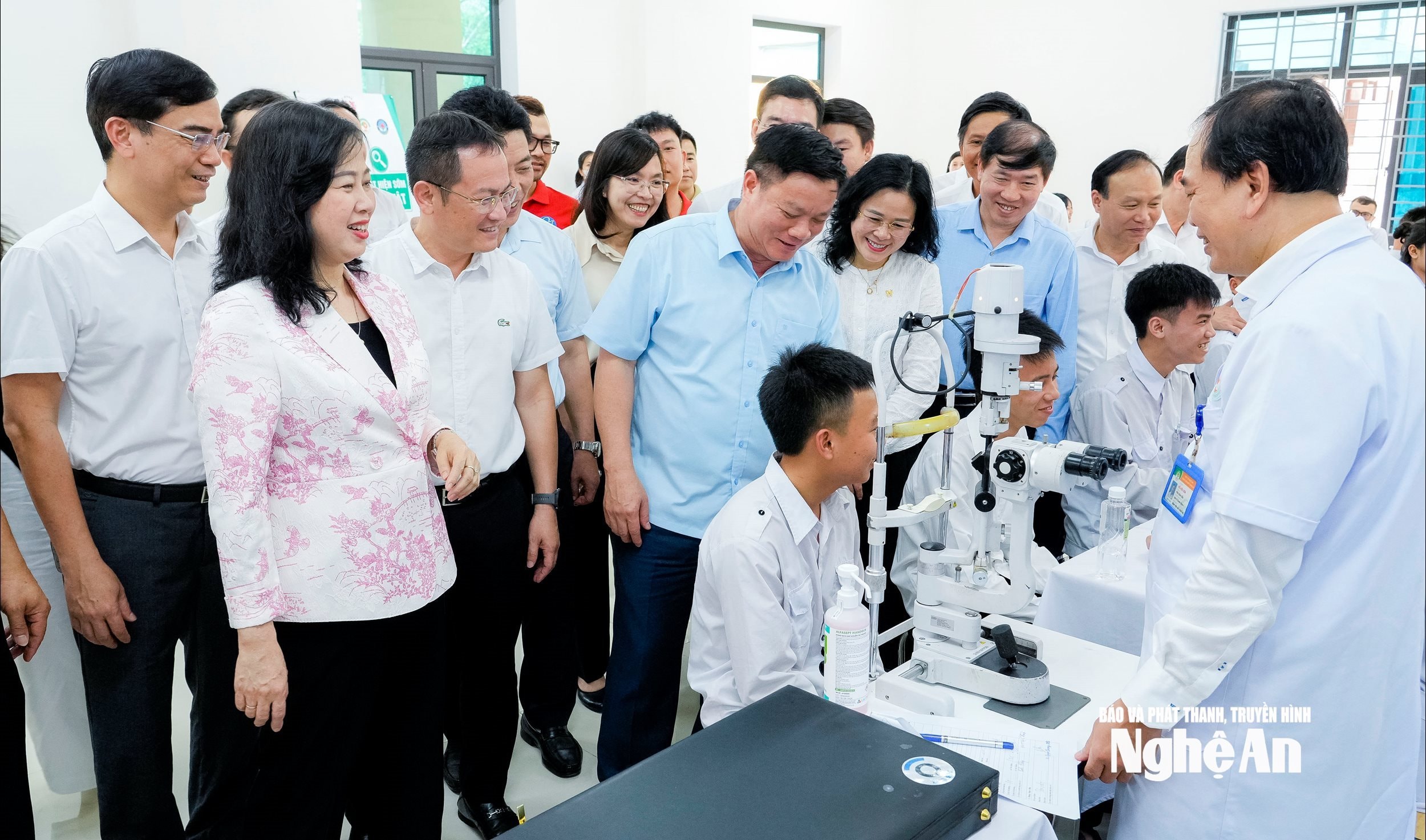
Minister of Health Dao Hong Lan also stated: Currently, non-communicable diseases such as hypertension, diabetes, cardiovascular disease, and cancer are increasing rapidly and becoming the leading causes affecting people's health and quality of life. Meanwhile, many risk factors from lifestyle are not well controlled, and the habit of regular health check-ups among the population has not been fully established.
Without strengthening preventive measures, early screening, and community-based health management, the healthcare system will face increasing pressure, rising treatment costs, and the desired level of universal healthcare effectiveness will be difficult to achieve.
At this time, the health sector is shifting strongly from a mindset focused on "treating and curing diseases" to one focused on "proactive disease prevention," managing the health of the entire population throughout their life cycle to reduce the burden of costs and pressure on the healthcare system... Nghe An's implementation of the campaign is a vivid example of this correct approach.
The campaign's noteworthy aspects lie not only in its widespread deployment but also in its synchronized organization and close integration of screening with long-term health management and monitoring for the population. In particular, the integration and updating of data into the electronic health record system is a significant step forward, aligning with the current trend of digital transformation in the healthcare sector, contributing to the formation of a data foundation for future healthcare management, forecasting, and policy planning.
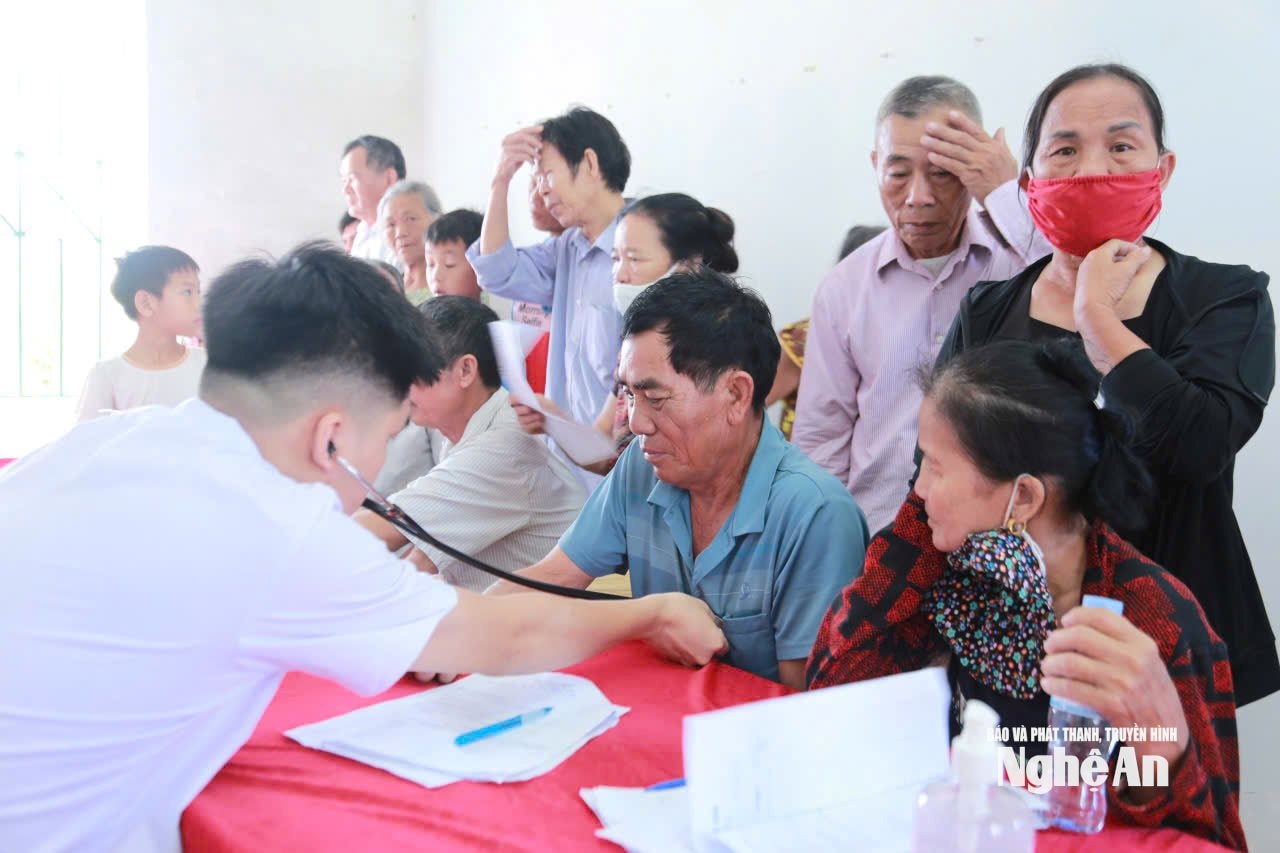
Sharing the same view, Mr. Thai Van Thanh, Vice Chairman of the People's Committee of Nghe An province, affirmed that the campaign was organized to create a strong shift in healthcare mindset, from a passive to an active approach. The Vice Chairman of the People's Committee stated: "In daily life, due to busy work schedules or complacency, many people still have the habit of only seeking medical attention when they are sick. This campaign aims to help each citizen develop the habit of regular check-ups to live longer, healthier, and happier lives." ... The Vice Chairman of the People's Committee also requested that all levels of government implement the motto "going to every alley, knocking on every door" to ensure no one is left out, especially vulnerable people.
Deeply moved by the concern shown by the Party and the State, Ms. Truong Thi Duyen (a resident of Minh Chau commune) expressed: “This program is extremely practical because it helps poor laborers have the opportunity to get free and timely disease screenings, reducing their financial burden. We pledge to spread this information to everyone around us.”
According to information from the Nghe An Department of Health: In just the first two days of the campaign (May 16-17), more than 28,000 people across the province received medical examinations at 457 health stations and 22 centralized examination points. This number clearly demonstrates the great demand for healthcare among the people.
Towards sustainable goals
Prior to the launch ceremony, Nghe An province actively implemented Resolution No. 72-NQ/TW by organizing numerous free health check-up sessions for the people. Medical staff actively went to the grassroots level to support, supervise, and carry out the program; health units utilized Saturdays and Sundays to conduct check-ups for the people... From the beginning of 2026 to May 25th, 2026, Nghe An had 1,468,204 people who received health check-ups and screenings, reaching a rate of 41.91% of the province's total population.
The groups that accessed health check-up services included: students (623,474 visits); children under 6 years old (335,713 visits); workers (109,841 visits); screening for non-communicable diseases (hypertension, diabetes) (48,407 visits); drivers and train operators (272,190 visits)... In addition, the number of people receiving medical treatment through health insurance was 1,091,210 visits, accounting for 31.2% of the population.
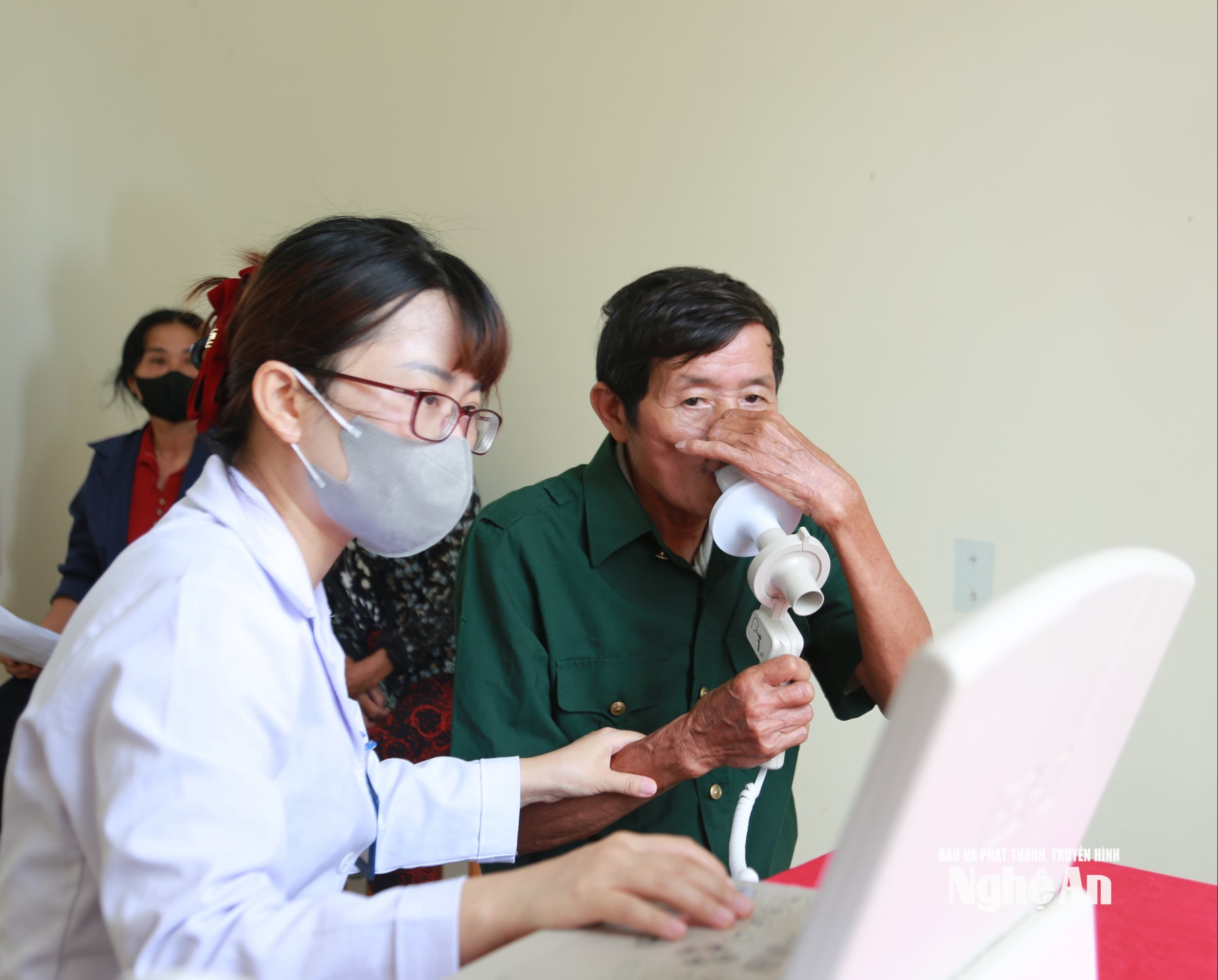
Despite achieving positive results, the Nghe An Health Department faces many challenges in maintaining sustainability. Ms. Le Thi Hoai Chung, Director of the Nghe An Department of Health, stated: Currently, there is no official budget allocation and no regulations on using health insurance funds for this screening program (new guidelines for its use are expected from July 1st). Funding primarily relies on social contributions, healthcare units providing supplies in advance, and the volunteer efforts of medical staff.
To achieve the specific goal set forth in Resolution No. 72-NQ/TW, which is "From 2026, people will receive at least one free periodic health check-up or screening per year," it would take 18 months (if only using the public health system) to examine the remaining 2 million people in Nghe An province, with an estimated cost of over 500 billion VND according to the Ministry of Health's basic examination package (excluding travel expenses and the efforts of medical staff). If the province mobilizes the private sector to participate, the time to examine the remaining 2 million people could be shortened to 13-14 months. With the goal of "leaving no one behind," in the coming period, the campaign will focus on prioritizing examinations for those who have not received a health check-up in the past 3 years (a review identified 196,000 people, accounting for 4.77% of the province's population). In addition, the campaign will prioritize groups such as war veterans, families entitled to preferential policies, and people in disadvantaged areas.
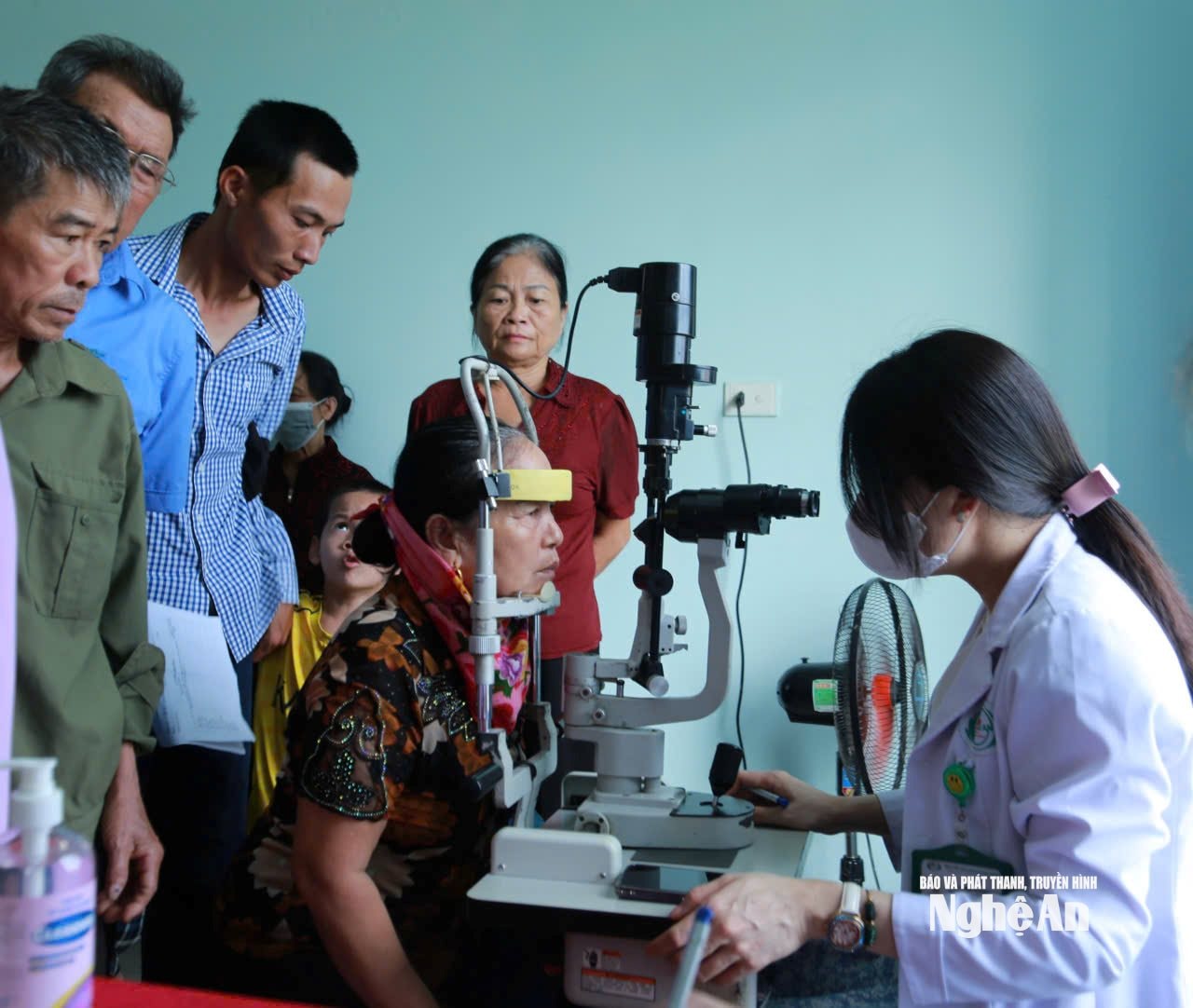
To ensure the sustainability of the campaign and the successful implementation of Resolution No. 72-NQ/TW, the Nghe An Department of Health has submitted a report and recommendations to the Ministry of Health, requesting the early issuance of comprehensive professional guidelines and the organization of monitoring, inspection, and supervision of free screening for target groups; the issuance of guidelines on pricing and funding for periodic health check-ups and screenings from state budget, aid, programs, and projects; and the clear definition of job positions and staffing levels at health stations in accordance with regulations, especially the addition of personnel for new areas such as periodic health check-ups for the people.
Furthermore, it is necessary to focus on improving the capacity of primary healthcare, developing a network of family doctors, and strengthening mobile medical equipment in disadvantaged areas; mobilizing diverse resources (budget, health insurance, social contributions, public-private partnerships) to ensure sustainability, prioritizing support for vulnerable groups; and urgently issuing professional guidelines and closely monitoring community-based screening.


