
A breakthrough in policy credit in Nghe An
(Baonghean) - After nearly 5 years of implementing Directive No. 40 on "Strengthening the Party's leadership over social policy credit," loan capital from the social policy bank in Nghe An has made a positive contribution to poverty reduction, helping hundreds of thousands of poor households and policy beneficiary families to develop economically.
"NURTURING" WITH POLICY FUNDING
As scheduled, today, the Social Policy Bank (NHCSXH) of Thanh Chuong district came to the People's Committee of Thanh Thuy commune for transactions. From early morning, Ms. Tran Thi Xuyen from Hamlet 3, Thanh Thuy, arrived at the meeting room of the People's Committee to receive a loan from the preferential credit program for forest-planting households under the WB3 program.
 |
| To date, after more than 15 years of operation and with the results achieved, the Vietnam Bank for Social Policies (VBSP) has been affirming its important role in implementing credit solutions to achieve socio-economic development goals. (Photo: Thu Huyen) |
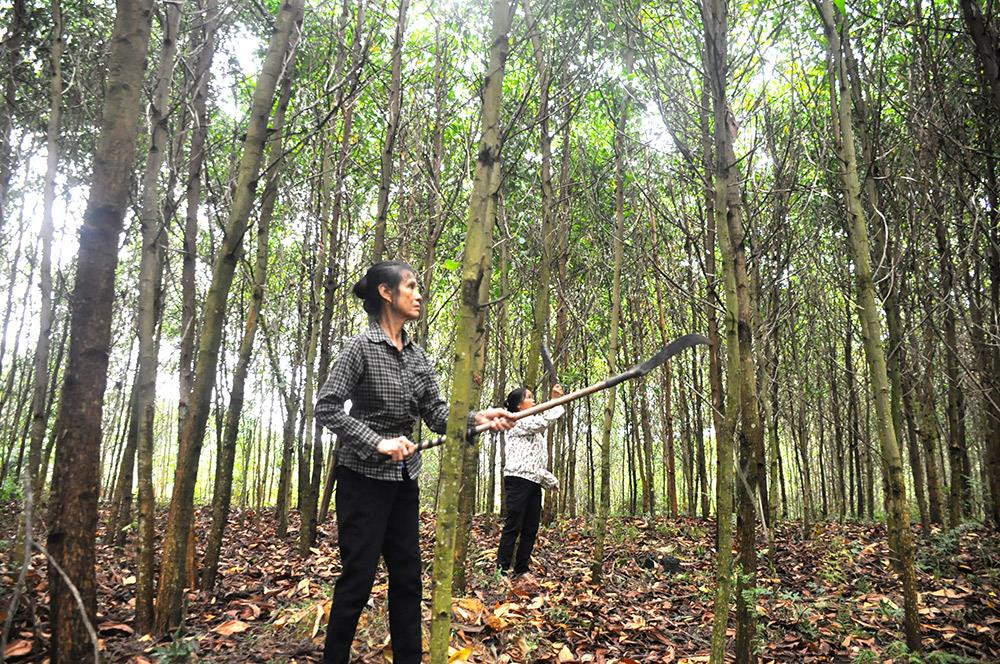 |
| Ms. Tran Thi Xuyen, residing in Hamlet 3, Thanh Thuy Commune, Thanh Chuong District, borrowed capital from the WT3 program of the Vietnam Bank for Social Policies to cultivate and protect 13 hectares of forest, thereby developing her economy. Photo: Thu Huyen |
Ms. Nguyen Thi Lan, head of the Savings and Loan Group where Ms. Xuyen is a member, said: "Hamlet 3, Thanh Thuy commune, borders the border area and used to be mostly barren hills. To develop the forest economy and protect the border region, we were given loans by the policy bank to plant trees."
The group has 46 members, most of whom have received loans to develop their forest-based economy. Since receiving loans from the policy bank, the forest has become dense; the entire village has several hundred hectares of acacia trees, and the lives of the members are improving.
Not only in Ms. Xuyen's family in Thanh Thuy, Thanh Chuong, but also in many mountainous districts, policy-based capital for ethnic minority economic development has truly proven effective.
In Quy Hop, we visited the family of Ms. Vi Thi Dao in Thai Quang hamlet, Chau Thai commune. Previously, she was classified as a near-poor household. After being approved for a loan and using the funds effectively, her family has now escaped near-poverty.
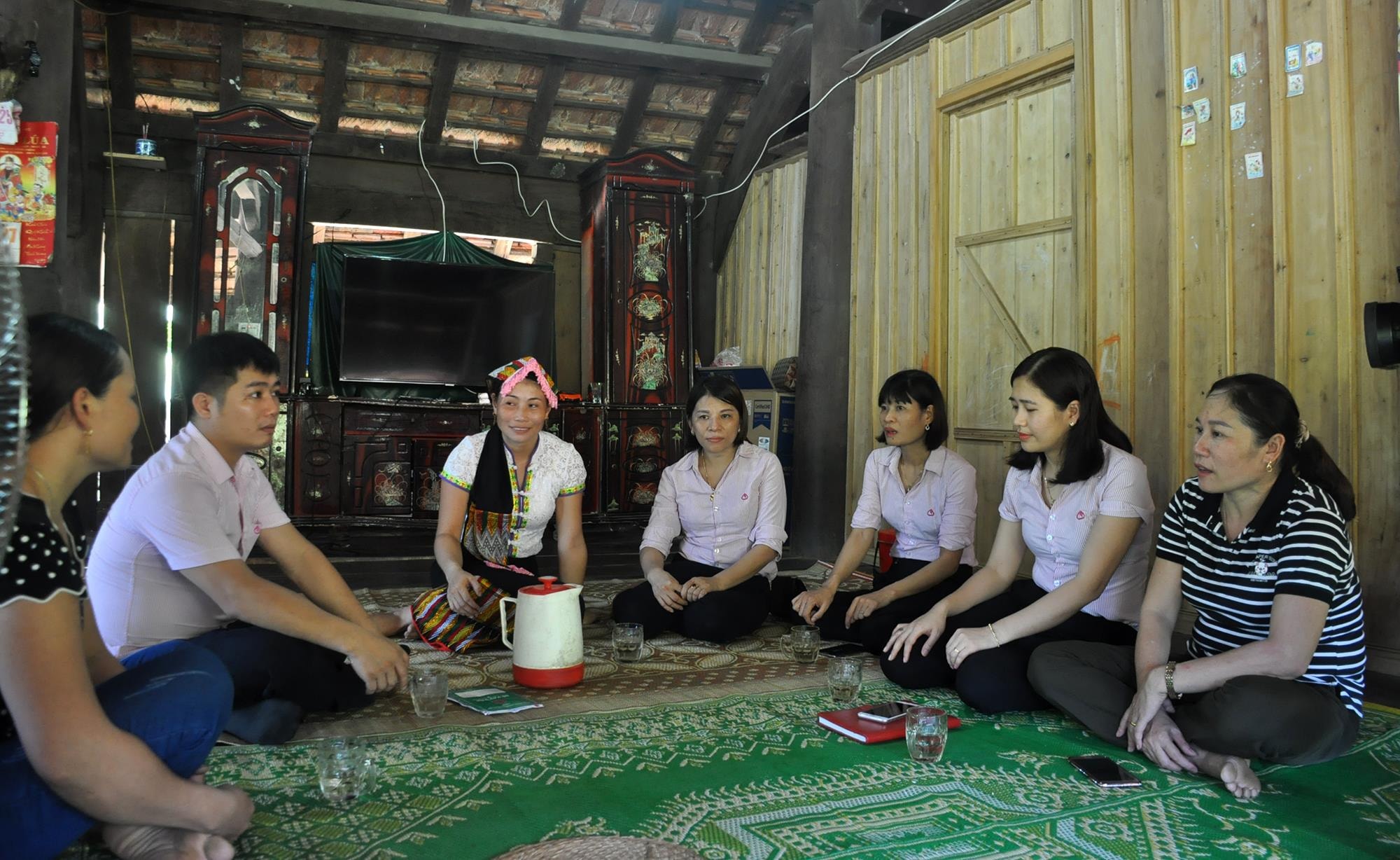 |
| Officials from the Quy Hop branch of the Vietnam Bank for Social Policies (NHCS) visit the family of Ms. Vi Thi Dao in Thai Quang hamlet, Chau Thai commune, Quy Hop district - a household that has successfully borrowed capital in the area. Photo: Thu Huyen. |
Ms. Dao said: "I have borrowed capital from the policy bank twice. In 2014, I borrowed 30 million VND to invest in 4 hectares of acacia trees; in 2017, I repaid the debt and continued the cycle, borrowing another 40 million VND to develop my farm economy, digging ponds for fish farming, raising buffaloes and cows..."
Along with lending to poor and near-poor households, and in implementing Directive 40, the Social Policy Bank of Nghe An has recently provided loans for job creation programs, which have created jobs for thousands of workers, facilitated overseas employment, and brought about a better life for them.
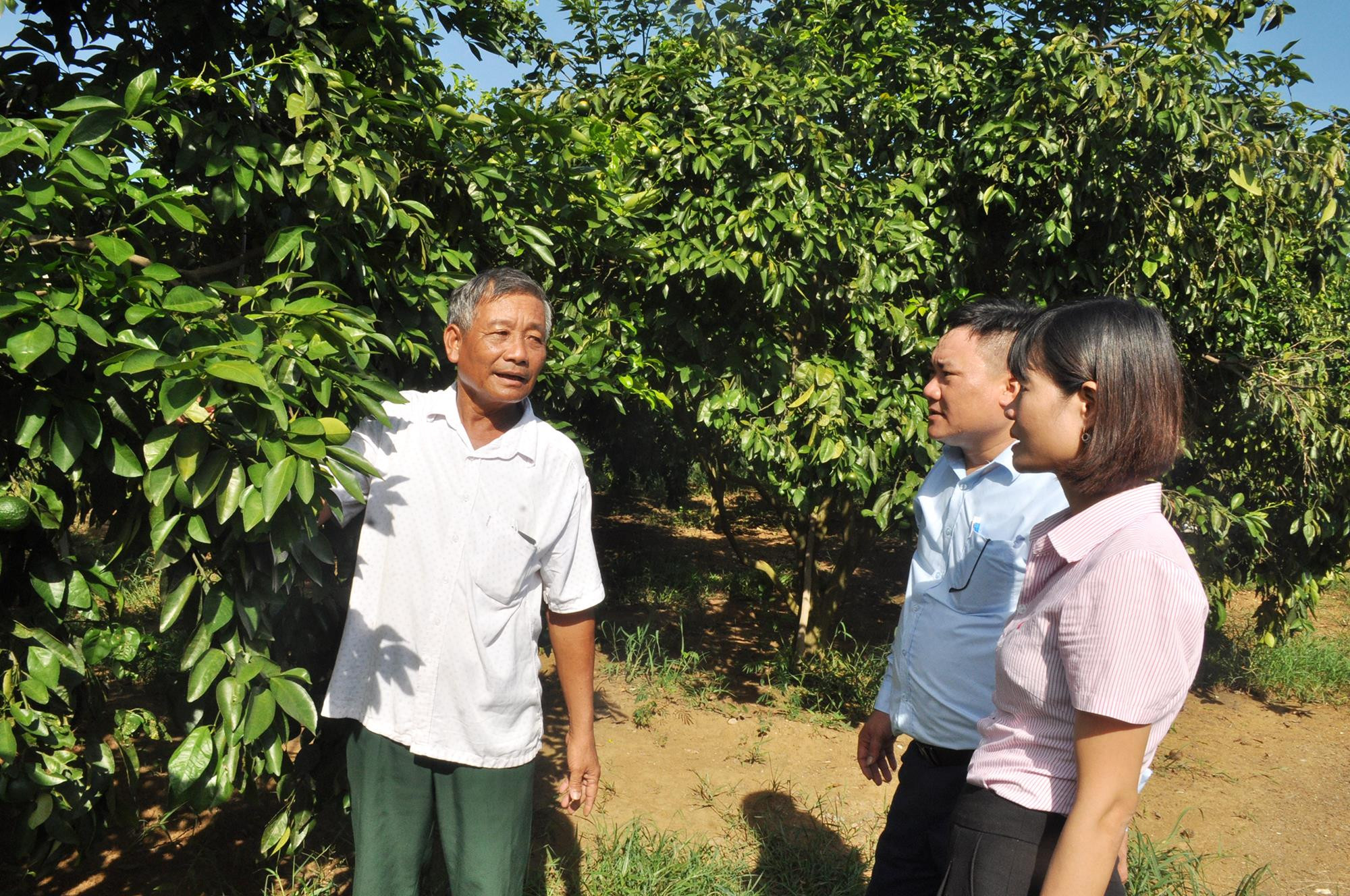 |
| Officials from the Social Policy Bank of Quy Hop district inspect the farm economic development loan model of Mr. Chu Quoc Tru's family in My Dinh hamlet, Chau Dinh commune (Quy Hop). Photo: Thu Huyen. |
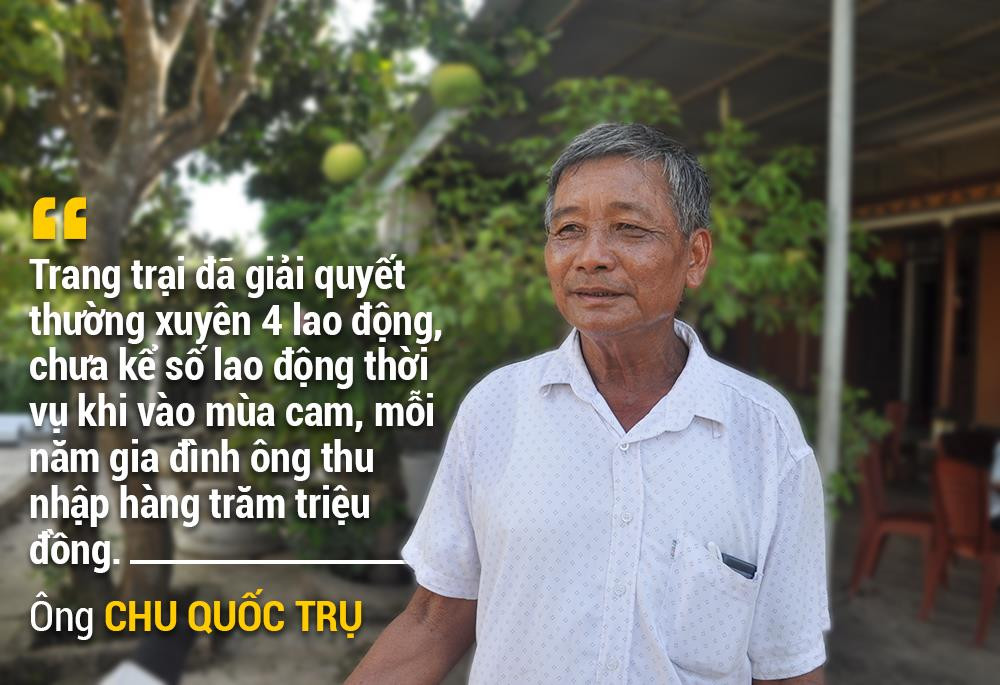
In Chau Dinh commune, Quy Hop district, if you ask about Mr. Chu Quoc Tru's family in My Dinh hamlet, everyone knows him because he is a role model for economic development in the area. After retiring from his government job, Mr. Tru returned to Quy Hop to develop his farm business.
Initially, when he started building his farm with his meager savings, plus over 1 billion VND in employment-creating loans from the District Social Bank, he invested in 6 hectares of orange trees, built barns for raising cattle, and dug ponds for fish farming. As his business developed, he invested in a pickup truck to facilitate transportation and product sales.
 |
"We propose that the Vietnam Social Policy Bank pay more attention to increasing the loan capital for job creation in Nghe An. This is a loan program under Government Decree 61, but the scale of capital is still too small and does not meet the actual needs," Mr. Tru suggested.
With the implementation of Directive 40 at the commune level, policy capital has increased significantly, better meeting the capital needs of the people. The entire political system has become involved, and the effectiveness of local policy credit has increased noticeably.
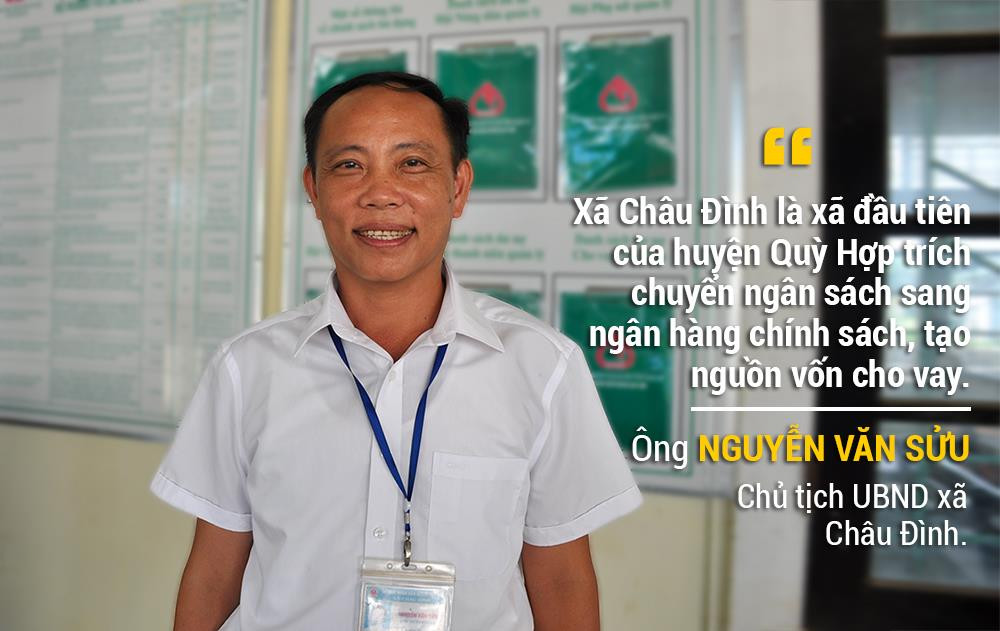 |
Mr. Nguyen Van Suu, Chairman of the Chau Dinh Commune People's Committee, said: "Since the implementation of Directive 40, policy capital has increased significantly, better meeting the capital needs of the people. Outstanding credit in the area has reached over 37 billion VND, thereby helping to alleviate poverty and develop the economy. As members of the board of directors, we have developed a plan, allocated budget funds, and contributed 20 million VND annually to increase the reserve for loan recipients."
CREATE POSITIVE CHANGE
Directive No. 40 is seen as a breath of fresh air, positively transforming social policy credit. During our visits to disadvantaged areas that have borrowed capital from the Social Policy Bank's programs, we clearly felt that the long-dormant potential of land and human resources had been awakened. Policy capital has made a significant contribution to building new rural areas, changing the face of entire countryside regions.
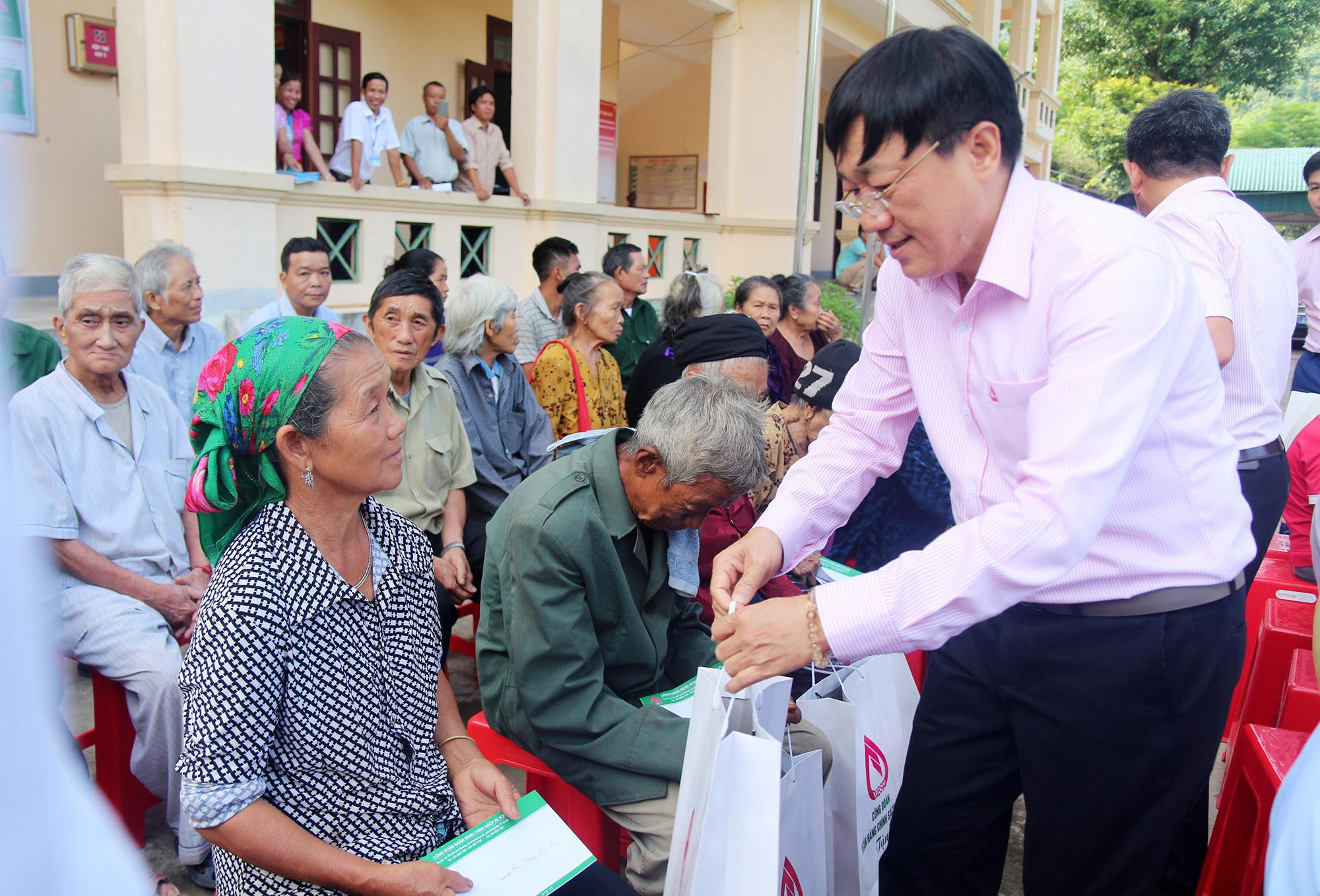 |
| General Director of the Vietnam Bank for Social Policies, Duong Quyet Thang, presents gifts to families receiving preferential treatment in Ky Son. Photo: Thu Huyen. |
Mr. Tran Khac Hung, Director of the Social Policy Bank of the province, shared: In implementing Directive 40, the Provincial Party Standing Committee issued Directive No. 29 to strengthen the Party's leadership over social policy credit.
Accordingly, Party committees and authorities at all levels have paid more attention to leading, directing, and creating favorable conditions in all aspects for policy credit activities in improving the quality of social policy credit; allocating budget funds entrusted through the Social Policy Bank for lending; consolidating credit quality; appointing the Chairman of the People's Committee at the commune level to participate in the Board of Representatives of the Social Policy Bank at the district level; and paying attention to arranging the location, time, security, and safety for the Social Policy Bank's working sessions at commune transaction points.
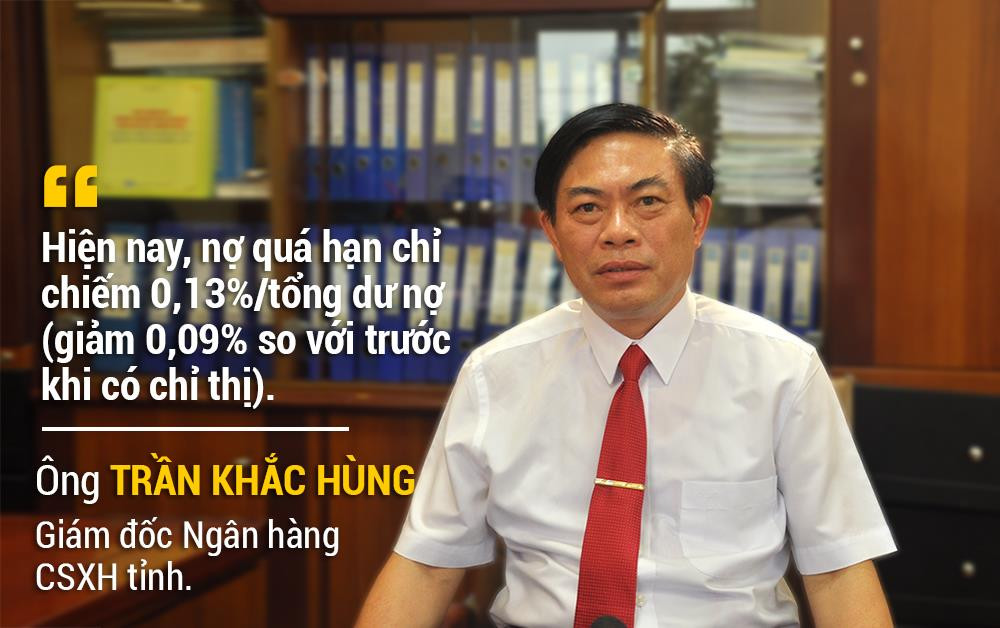 |
Alongside credit growth, the quality of policy credit has been continuously improved; it is regularly monitored closely by all levels, sectors, socio-political organizations, and the Social Policy Bank, which oversees the use of capital by borrowers. This is combined with training and guidance for borrowers to improve the efficiency of capital utilization; and active efforts are made to recover debts and handle debts for customers facing risks due to objective reasons. As a result, borrowers use capital for the right purposes, effectively, and fulfill their repayment responsibilities well.
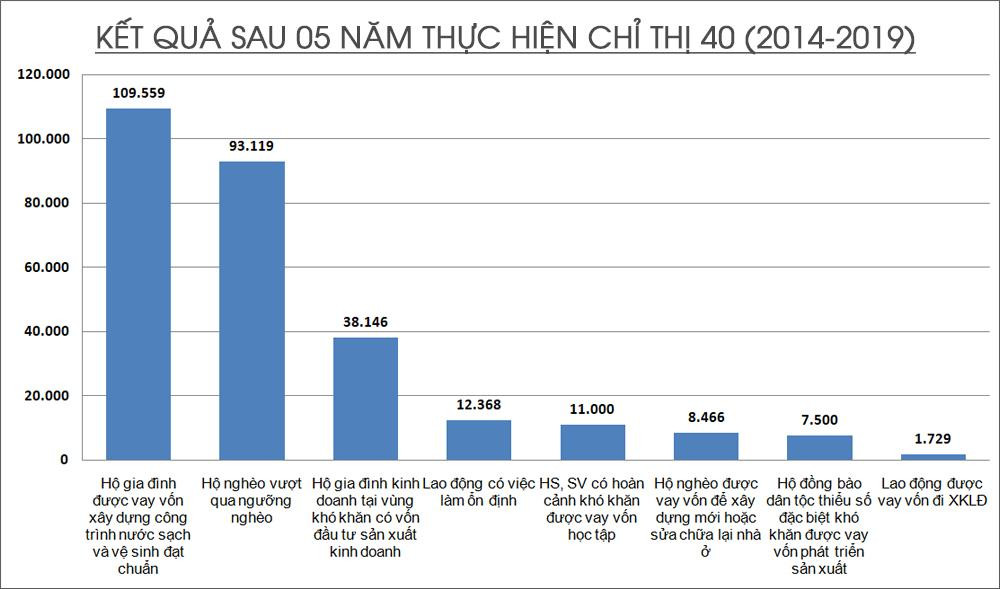
As of June 30, 2019, the Nghe An Provincial Branch of the Vietnam Bank for Social Policies was implementing 19 government policy credit programs (an increase of 6 programs compared to before the Directive) with a total capital of VND 8,237 billion (an increase of VND 1,996 billion compared to before the Directive).
Over the five years (2014-2019), the Vietnam Bank for Social Policies (VBSP) in Nghe An province disbursed 12,719 billion VND to 461,250 poor households and other eligible policy beneficiaries. The total outstanding loan balance for policy credit programs in the province reached 8,222 billion VND, an increase of 1,991 billion VND compared to the period before Directive 40-CT/TW (an average annual growth rate of 7.1%), with 241,000 customers currently having outstanding loans.
 |
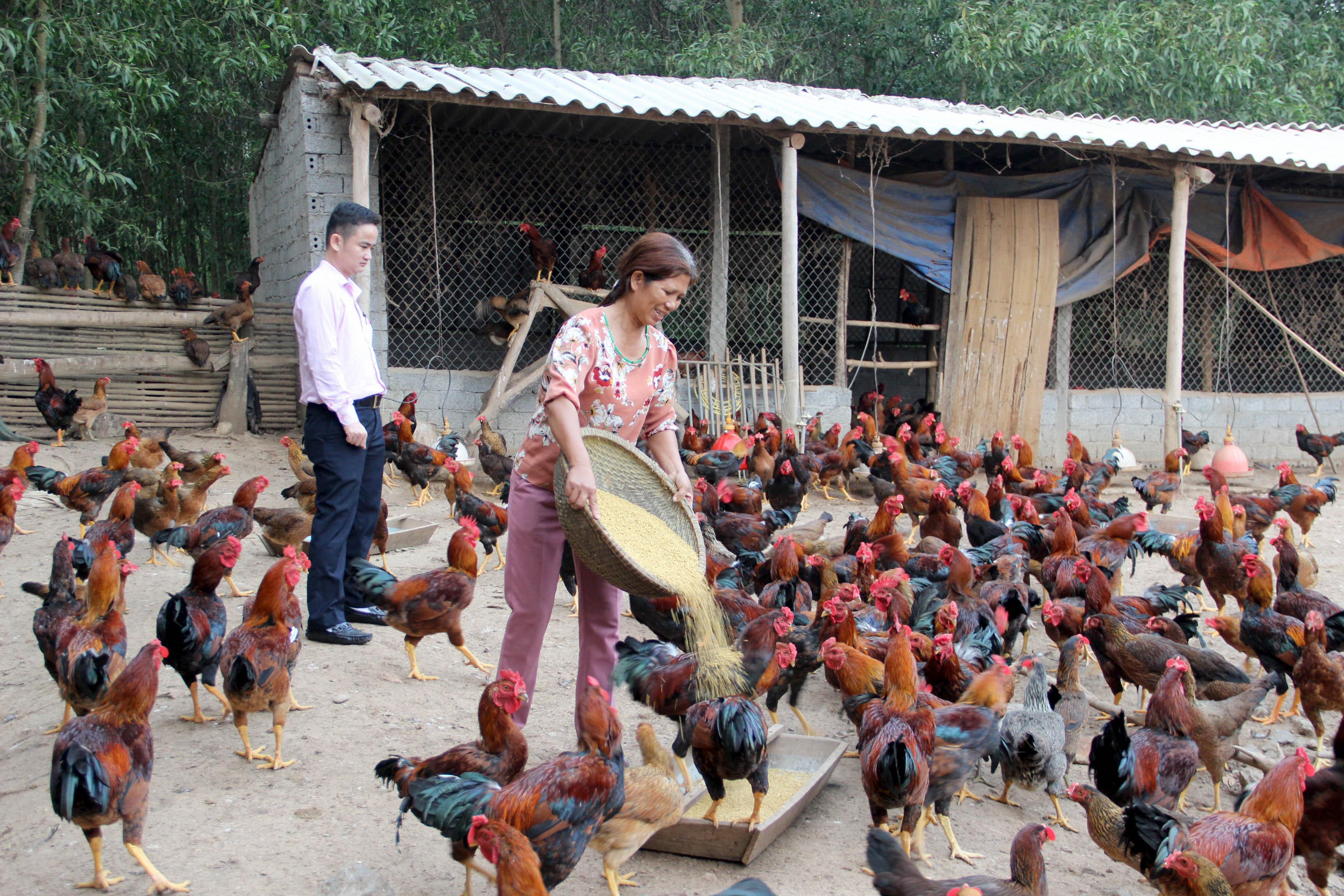 |
| The integrated livestock farm of Ms. Nguyen Thi Thao and her husband in Giang Son Dong commune (Do Luong district). Thanks to a loan from the Bank for Social Policies, their farm generates over 1 billion VND in revenue per year, a dream for many farmers in the district. Photo: Thu Huyen |
The current issue is to focus on securing funding for policy-based credit, meeting the borrowing needs of eligible beneficiaries. Vice Chairman of the Provincial People's Committee Le Hong Vinh emphasized: After five years of implementing Directive 40 of the Central Party Secretariat, Nghe An province has achieved significant progress.
During the period 2015-2019, policy credit implemented by the Provincial Social Policy Bank was truly a bright spot in achieving poverty reduction goals, contributing to ensuring social security, economic development, and building new rural areas in the province.
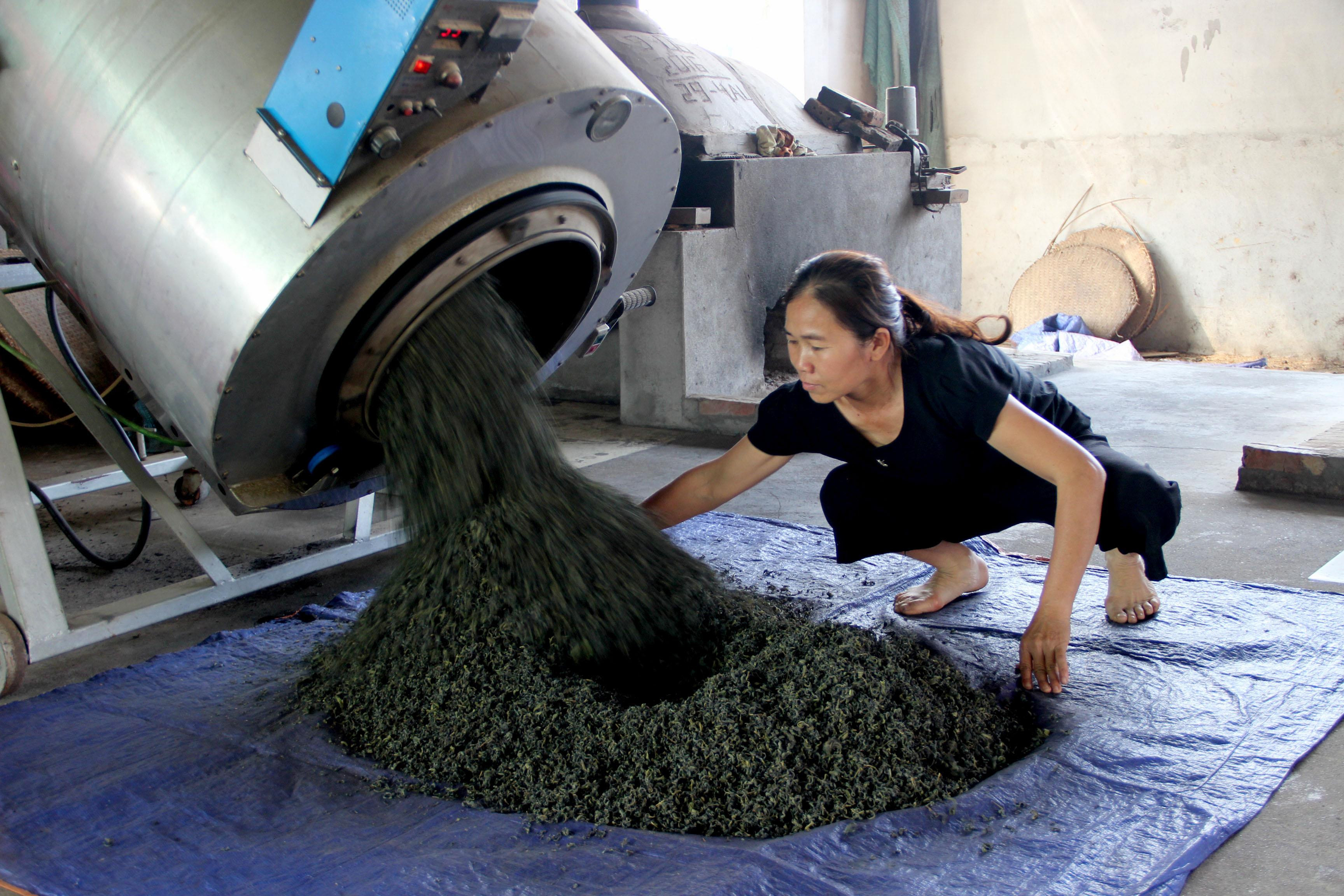 |
| People in Anh Son borrow capital from the program for production and business development in disadvantaged areas to improve household economies. Photo: Thu Huyen. |
To effectively implement policy credit programs, in the coming period, it is requested that localities continue to allocate entrusted budget funds and direct relevant departments to advise on lending to specific target groups. Maximize the mobilization of resources for social policy credit, concentrating policy credit funds originating from the state budget under a single entity, the Social Policy Bank, for effective management and lending…


