
Eggplant has a cooling and heat-reducing effect.
Eggplant is a plant grown in many places, used in the preparation of delicious dishes or pickled, eaten raw, etc., and is very effective in cooling and relieving heat.
According to traditional Chinese medicine, eggplant has a sweet taste and a cooling nature, with effects such as clearing heat, detoxifying, promoting blood circulation, reducing inflammation, and eliminating tumors. Therefore, it is used in treating conditions such as boils, ulcers, and skin sores. The calyx of the eggplant is boiled to make a decoction for drinking to treat boils and ulcers.
Eggplant also has diuretic and cholagogic effects, promotes liver function, and prevents atherosclerosis due to its cholesterol-lowering properties. A decoction made from the roots and fruit stalks of eggplant can treat hematuria (blood in urine), bloody stools, or dysentery with blood. Eggplant seeds also have diuretic effects.
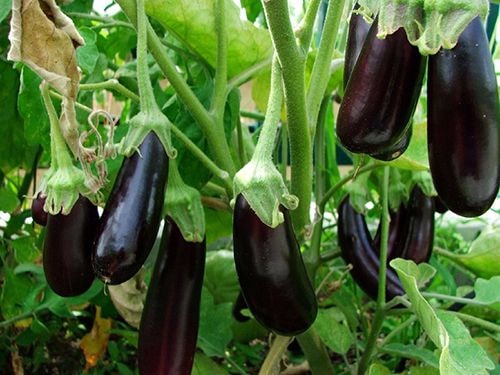 |
| Long eggplant. |
Eggplant contains a relatively high amount of vitamin PP (72g of vitamin P per 1,000g of eggplant), which helps strengthen the connective tissue between cells in the body, protect blood vessels, and prevent bleeding.
Eggplant contains nightshadesoda (an alkaloid) which has shown anti-cancer effects in experimental studies, inhibiting the proliferation of cells in digestive system tumors. Therefore, it is used as an adjunct treatment for cancer and tumor patients. According to some research by Japanese scientists, eggplant can prevent cancer because it contains many antioxidants that destroy free radicals harmful to the body.
In addition, eggplant is also found to help lower blood cholesterol because it contains a lot of water and fiber. On the other hand, it helps prevent weight gain because it contains very few calories.
Eggplant is rich in vitamins and minerals, helping to prevent anemia. Additionally, its high water content and potassium stimulate healthy heart function. Furthermore, magnesium and calcium, along with vitamins A and C, improve bone structure and boost the immune system. The magnesium in eggplant also combats restlessness, anxiety, and insomnia.
 |
Here are some of the most common uses of eggplant in therapy:
For people with large abdominal lumps, malaria, and high fever due to their heat-clearing and detoxifying effects: Take 100g - 250g of eggplant, cook it, and eat it throughout the day. This should be done daily.
Cancer prevention: 100-250g of fresh eggplant, sliced; 150g of sliced pork belly; chopped perilla leaves, coriander, betel leaves; chopped shallots; sliced garlic; fish sauce, salt, MSG... to taste. The sliced garlic should be left exposed to the air for about 15 minutes so that the garlic's essence combines with the air to create a substance with anti-cancer properties. Therefore, after cooking the eggplant and pork until tender, add the seasonings (fish sauce, salt), and finally add the shallots, garlic, coriander, perilla leaves, and MSG. Stir well and remove from the heat immediately. Do not let it sit for too long, as this will reduce the effectiveness of the garlic and herbs.
Treatment for skin ulcers: Take a fresh eggplant, wash it, dry it, slice it, and mash it. Apply the paste to the ulcerated area and bandage it. This helps to improve blood circulation and reduce inflammation.
It should be noted that in late autumn and early winter, eggplant has a slightly astringent and bitter taste, making it more cooling in nature. Therefore, people with a weak constitution, especially those suffering from diarrhea, should not eat too much of it.
According to Health & Life
| RELATED NEWS |
|---|


