
The fastest way to treat styes in pregnant women.
Environmental pollution has made styes more common, and they can recur and spread from one eyelid to another, causing very dangerous complications, especially for pregnant women.
A stye is an acute inflammation caused by a type of staphylococcus bacteria that invades the eyelash hair follicle or other bacteria such as Staphylococcus. Styes can have an acute or insidious onset and usually resolve on their own after several weeks. However, if you experience swelling, pain, difficulty seeing, bleeding, etc., do not ignore it; consult an ophthalmologist for examination and treatment.
Although it may seem like a simple condition, not understanding the symptoms and proper treatment of styes can easily lead to dangerous complications, especially for pregnant women.
Symptoms of a stye
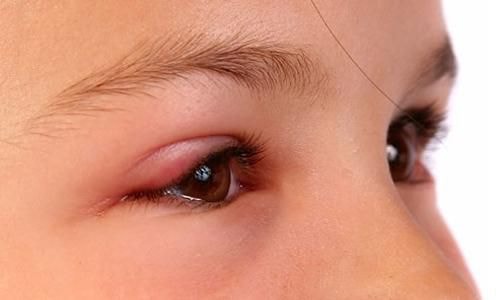 |
| Symptoms of a stye. (Illustrative image.) |
The initial symptoms of a stye include slight swelling of the eyelid, redness, itching, and pain in the eye.
Constant tearing, a gritty feeling in the eyes.
Then, a firm lump, about the size of a grain of rice, appeared at the painful spot.
A stye usually grows right on the edge of the eyelid, firmly attached to the eyelid skin. After 3-4 days, the stye becomes filled with pus and ruptures on its own.
The quickest way to treat styes in pregnant women.
When using eye ointment or eye drops, be sure to wash your hands thoroughly beforehand. Make sure the medication is clean and try to avoid contact with your eyes, eyelids, or any surface of the bottle/tube.
If you absolutely must use antibiotic ointment for your eye, apply a thin layer to the stye on your eyelid before going to bed.
When applying eye drops, gently pull down the lower eyelid with two fingers to create a small pocket between the eyeball and the eyeball. Instill the eye drops and then close your eyes slightly for about 30-60 seconds after applying them.
If you want to treat a stye on your eyelid at home, you can see a doctor. The doctor can prescribe an antibiotic ointment or eye drops for your stye.
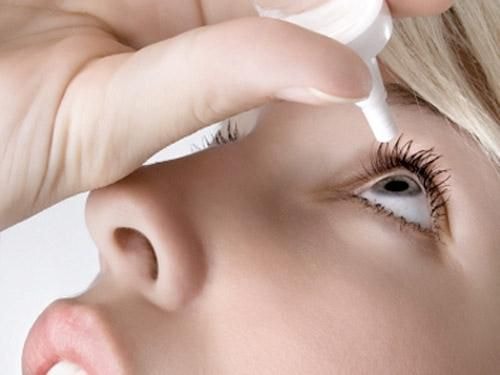 |
| Use specialized eye drops for styes. (Illustrative image.) |
Things to keep in mind to protect your eyes when you have a stye.
You should not treat styes or chalazions by squeezing out the pus or applying medication without proper guidance, as these methods can easily cause the lesion to spread or recur, leaving unsightly scars that can lead to eyelid retraction. These lesions are often persistent and difficult to treat.
Stop wearing makeup and using eye cosmetics until the stye heals. Avoid sharing towels and washcloths. Do not rub your eye, as this can irritate the eye and spread infection.
Wash your hands thoroughly before applying a warm compress to your eyes. Use a clean cloth or gauze pad moistened with very warm water. Do not heat the compress in the microwave as it can become too hot and may damage your eyelids.
When using ointment to treat a stye, make sure it's an ointment specifically designed for eye use.
Wash your hands frequently and always keep them out of sight of your eyes, especially when caring for someone with a stye on their eyelid or any other type of infection.
Protect your eyes from dust and air pollution by wearing safety glasses whenever you're outside, especially when doing household chores like cleaning or mowing the lawn.
Avoid going to dusty places or places with heavy air pollution.
According to Law Life


