
How to check your car's alternator.
(Baonghean.vn) - The alternator in a car is responsible for charging the battery and generating electricity to power all electrical devices, ensuring stable and continuous operation of the vehicle. If the alternator is inefficient, it will affect other parts of the car. To remedy this, you should regularly check the alternator using the following steps.
1. Locate the battery.
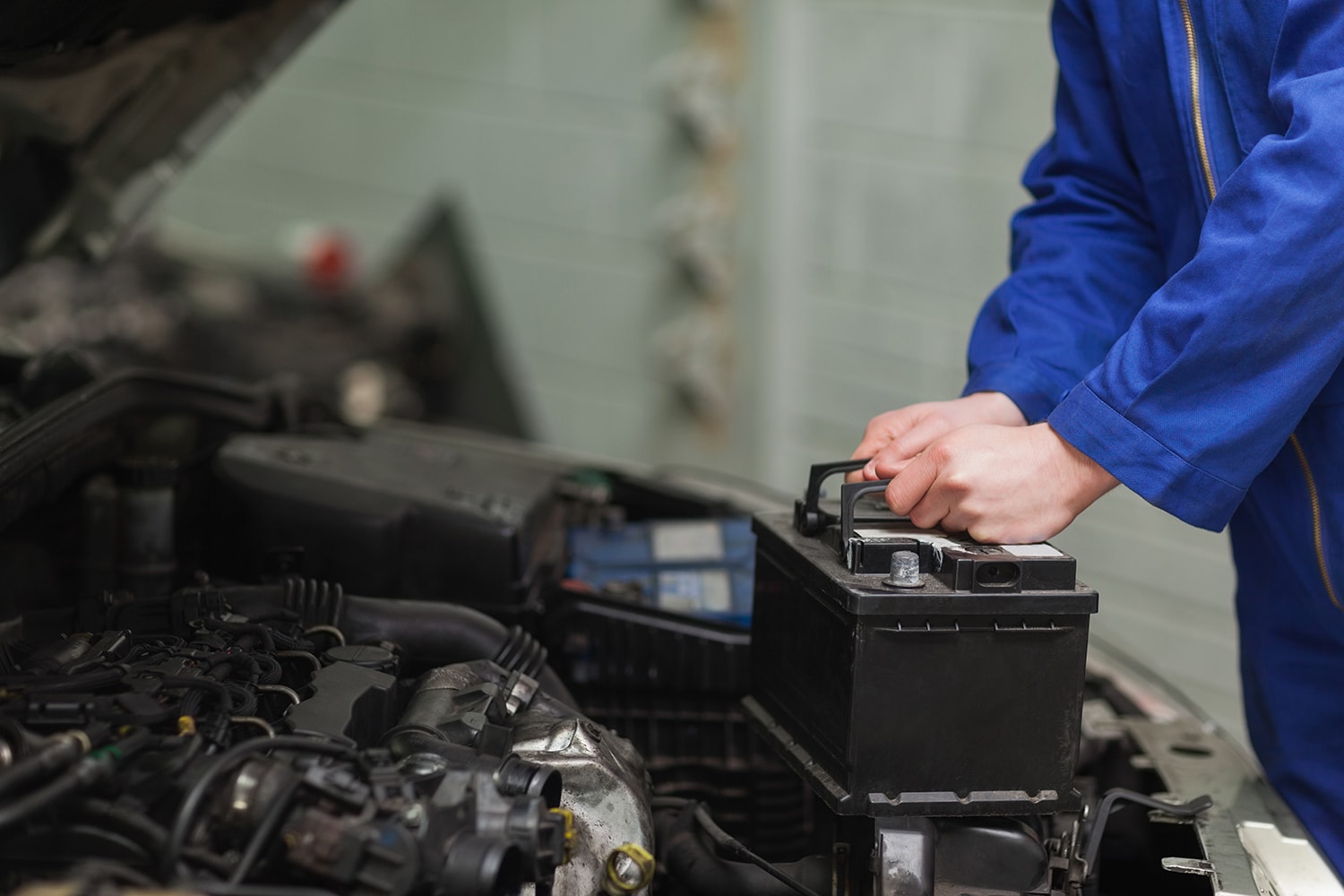 |
| When you notice any suspicious signs in your vehicle's operation, you should open the hood and check the battery's location. Typically, the battery is located on the left or right side of the engine compartment, although some models place it under the middle seat. |
2. Measure the battery voltage when the engine is off and when it starts.
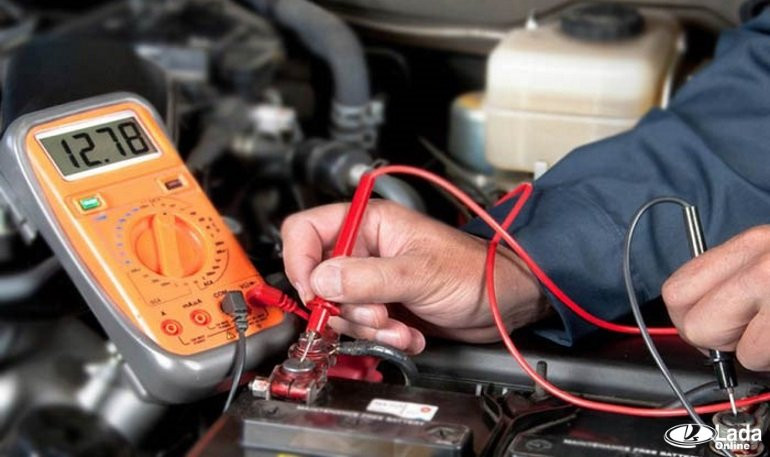 |
| After accurately locating the battery, use a specialized tool to measure the battery voltage with the engine off or while the vehicle is starting. Note that you must measure the battery polarity correctly to determine if the alternator is still functioning properly; if you are unsure, you can seek assistance from experienced personnel. |
3. Compare voltages
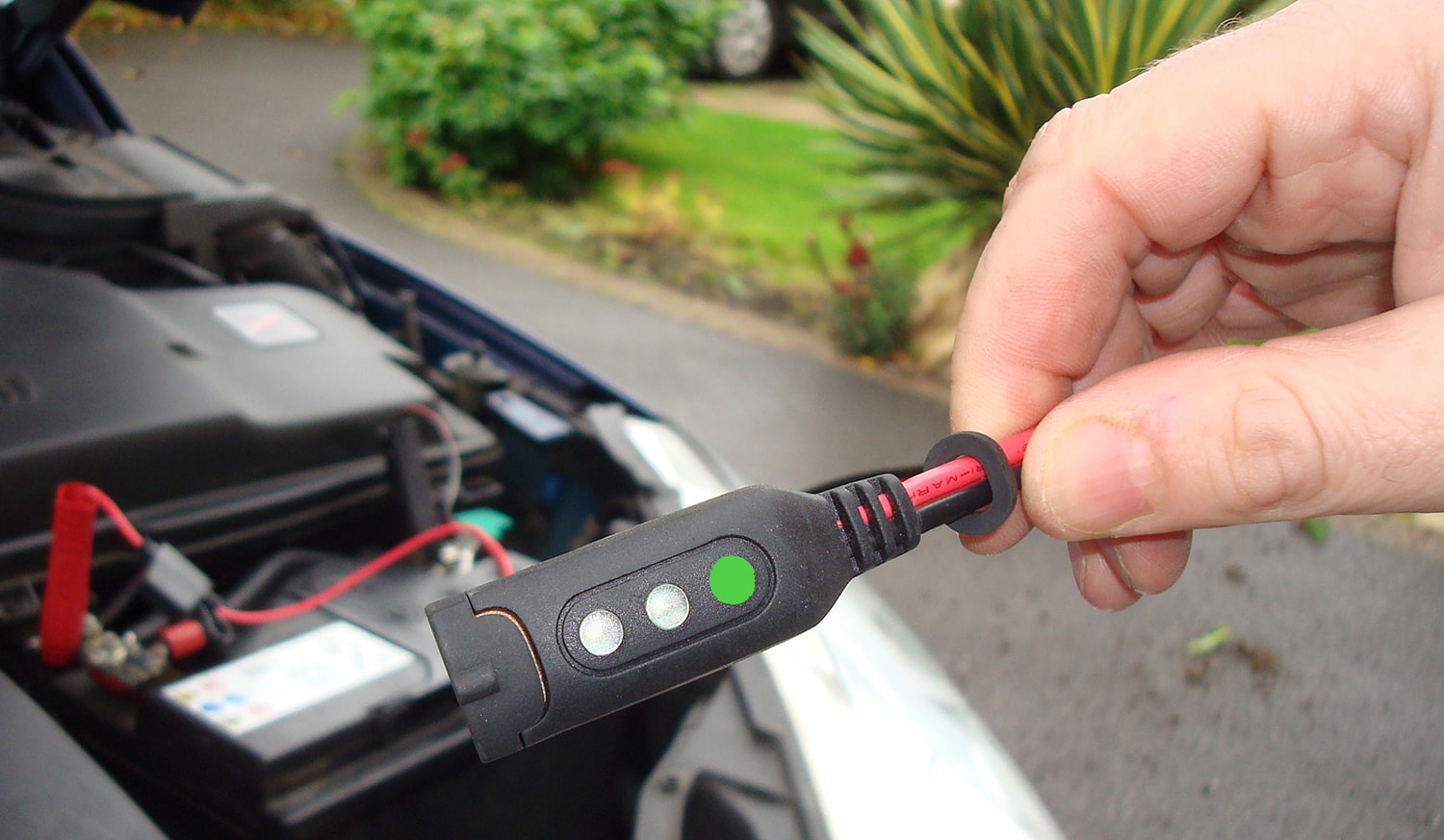 |
| If the voltage while the engine is running is higher than the voltage when it's off, the alternator is still working properly. Otherwise, the alternator is definitely broken and needs repair or replacement. |
* Signs of a malfunctioning car alternator:
- Indicator light is on:The indicator light monitors the generator's output voltage; when the output voltage is lower or higher than the permissible limit, the light will illuminate to warn the driver.
- The headlights are dim, not as bright as they were initially:This means the alternator isn't providing enough power for the vehicle, causing the headlights to dim or stop working, along with other symptoms like hot seats and slow-operating power windows. At this point, you should immediately suspect a problem with your alternator.
- Pay close attention to any unusual noises or smells that appear in the car:For example, a missing drive belt or misalignment of the cylinder block, engine compartment, etc. If the belt is excessively broken or cracked, this could be a sign of malfunction.


