How to identify clean vegetables: A guide to distinguishing between water spinach, cabbage, bean sprouts, various types of beans, and bitter melon - 5 common vegetables that are easily contaminated with pesticide and plant protection chemicals.
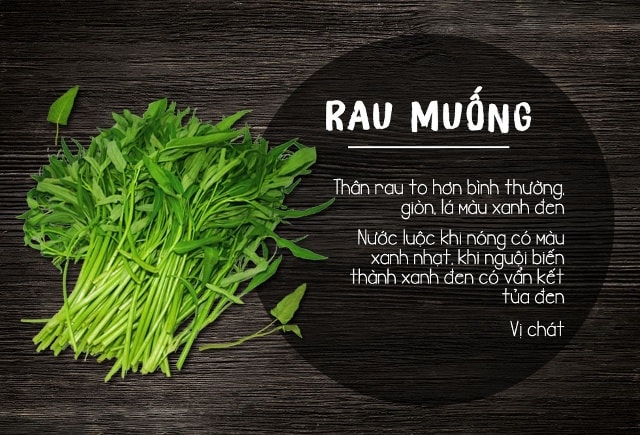 |
| According to Dr. Nguyen Thi Huynh Mai, Deputy Head of the Food Safety and Hygiene Department of the Ho Chi Minh City Department of Health, water spinach often exhibits the above characteristics when excessive amounts of nitrogen or foliar fertilizers are used. Therefore, people should choose bunches of water spinach with small, slightly firm-looking shoots, but which are actually very crispy, delicious, and safe to eat. Additionally, water spinach free of chemicals will have a thin, watery sap at the stem. |
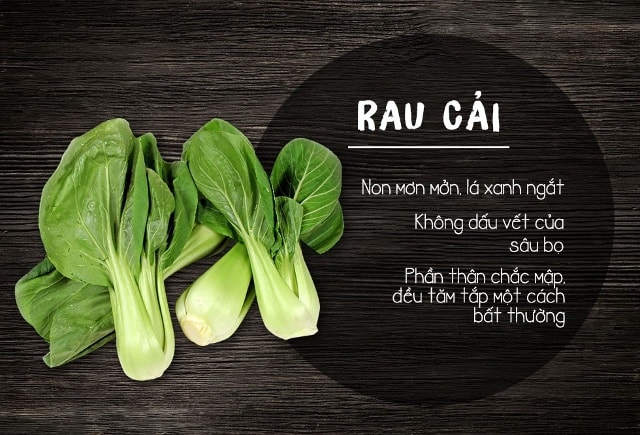 |
| Vegetables with these characteristics are often fertilized with high levels of nitrate fertilizer. You should avoid consuming this type of vegetable, especially raw. |
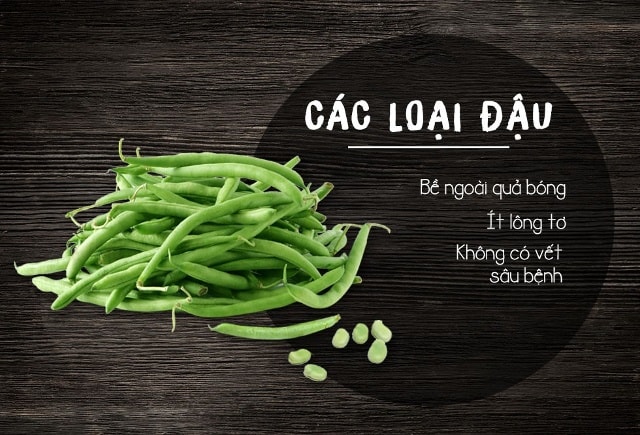 |
| The shiny, less fuzzy appearance of the beans indicates that the grower has applied too much nitrogen fertilizer or sprayed too much foliar fertilizer. If the beans show no signs of pests or diseases, it means the grower has sprayed too much pesticide and did not observe the required waiting period before harvesting. Therefore, you should choose beans with fresh green stems, soft bodies, and medium-sized seeds—not too large or too small. |
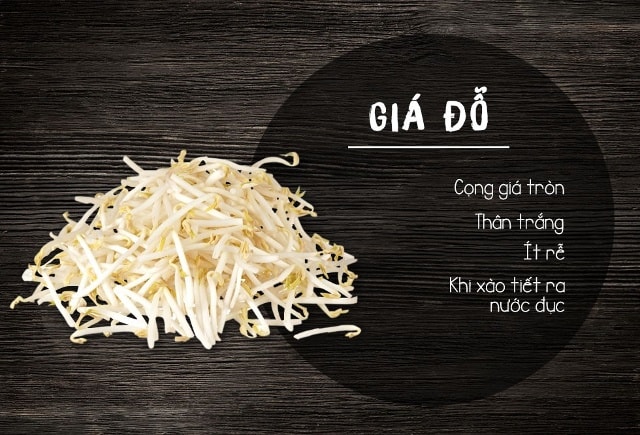 |
| These characteristics indicate that when the bean seeds germinated, the producers used a mixture of foliar fertilizer and diluted pesticides, watering the sprouts before sealing them tightly. This mixture helps the bean sprouts germinate and grow quickly. |
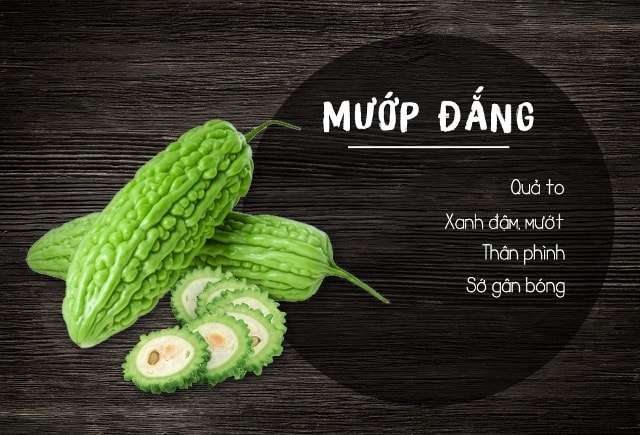 |
| These fruits have been treated with chemicals to keep them fresh. |
According to zing.vn



