
How to distinguish 9 types of Chinese fruits that are often mistakenly labeled as Vietnamese products.
(Baonghean.vn) - With cheap prices and attractive designs, many types of Chinese fruits disguised as Vietnamese products are flooding the market, causing consumer confusion...; below are tips to easily distinguish Chinese fruits to ensure the health of your whole family.
1. Tangerines

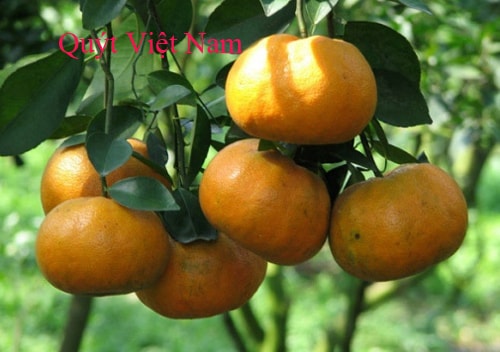
*Chinese tangerines:The fruit is flattened, uniformly sized, and undamaged; it has a smooth, glossy skin and an attractive bright yellow color. When peeled, the ends of the segments are often dry, spongy, and not juicy; it is intensely sweet, sometimes even bitter, and has a pungent smell from chemicals...* Vietnamese tangerinesSmall, irregularly shaped fruit; thin peel, often blemished, with faint spots, yellowish-orange in color, not as visually appealing as Chinese tangerines; light, mildly sour taste, natural aroma...
2. Labels
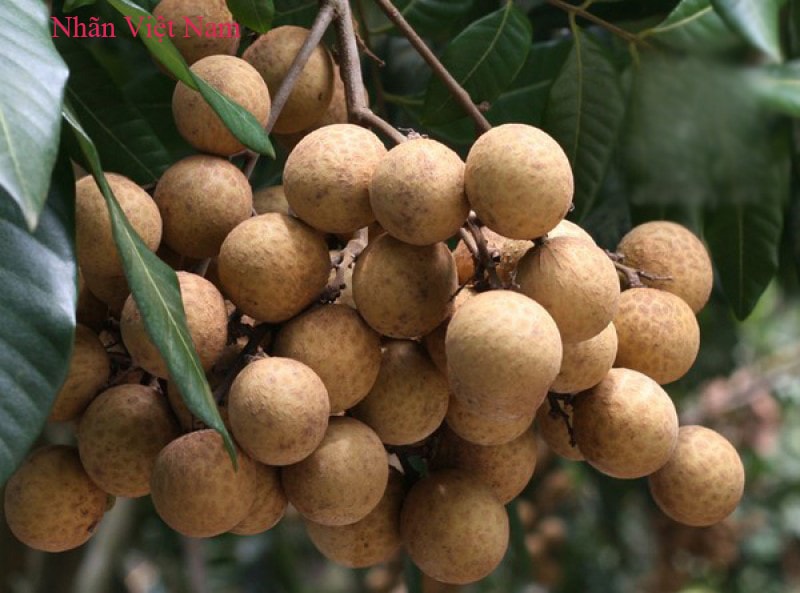
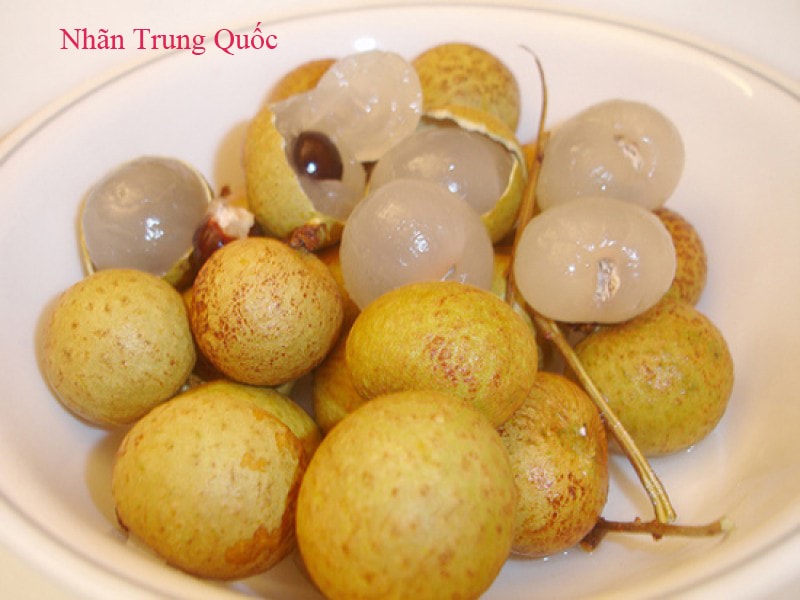
* Chinese label: qHuh?The lychee tree has a larger, thinner peel, and its leaves are also larger and thicker than those of Hung Yen lychee.The flesh is thick, the seeds are large, the taste is mildly sweet, and it lacks aroma.Chinese longan often uses preservatives, so the peel is clean, pale in color, thinner, and rots quickly...Hung Yen longan: qThe fruit is large, with a spiny, thick rind; the rind is darker yellow, and it stays fresh longer because it is harvested, transported, and consumed immediately.The flesh of this longan is thick and dry, the seed is small but juicy. It has a sweet, fragrant taste like rock sugar. The bottom of the fruit has two tightly packed segments of flesh (unlike other longans)...
3. Pomegranate
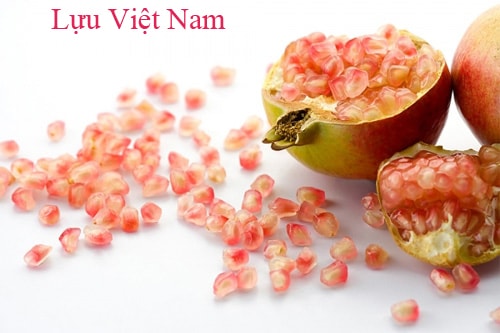
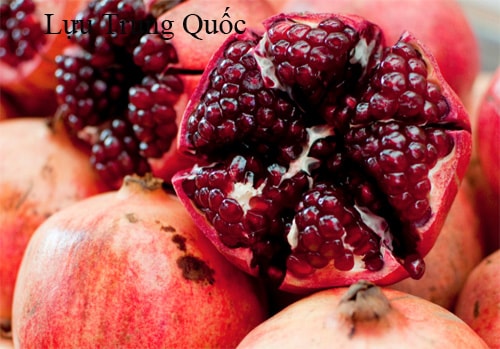
* Chinese pomegranates:The fruit is large, with a smooth, plump, pinkish-white skin. When cut open, it usually reveals bright red, eye-catching seeds that are uniform in size, soft, and watery; they are often odorless or have a chemical smell. They don't last long after purchase and spoil very quickly...Vietnamese pomegranates:The fruit is usually smaller, with rough or blemished skin, and the peel is typically green, turning red as it ripens. Although small, it contains many seeds, which are lighter in color, juicy, and have a cool, refreshing taste. The seeds inside have a delicate aroma.
4. Grapes

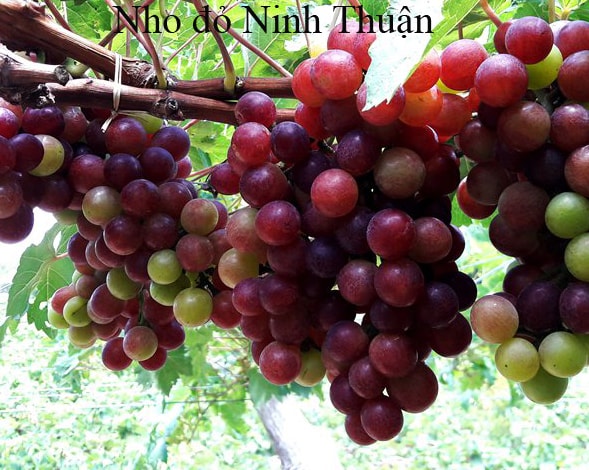
*Chinese red grapes:These grapes are twice the size of Ninh Thuan grapes. Ripe grapes are light red with white spots on the skin and have a very sweet taste. The grapes on a bunch are loosely spaced, with each bunch weighing about 500g-700g. When purchased, they look very fresh and firm, but if stored in the refrigerator, the flesh will become soft and mushy after being taken out...Ninh Thuan red grapes:The grapes are about the size of a thumb, with very thin skin. Ripe grapes are bright red to dark red, with a sweet taste balanced by a slight sourness. The bunches are long and slender, with the grapes almost tightly packed together, not scattered; Ninh Thuan grapes are easily recognizable because the grapes are only about half the size of Chinese grapes...*
5. Cantaloupe


* Chinese cantaloupe:The melons are large, usually weighing 3-4 kg each, oval-shaped, and have interwoven white net-like patterns clearly visible on the rind; the flesh is slightly soft and very sweet. If the melons are injected with artificial sweeteners or chemicals to prolong freshness, the flesh will quickly become mushy after a few hours of being cut open. The long shelf life is due to the use of chemical preservatives...* Vietnamese cantaloupe:The fruit is usually small and round, with an average weight of about 1 kg per fruit, the largest only 1.5 kg per fruit; when ripe, the netting becomes more intricate; the rind is thick, the flesh is orange, with a sweet and refreshing taste and a crisp texture. It has a short shelf life...
6. Plum
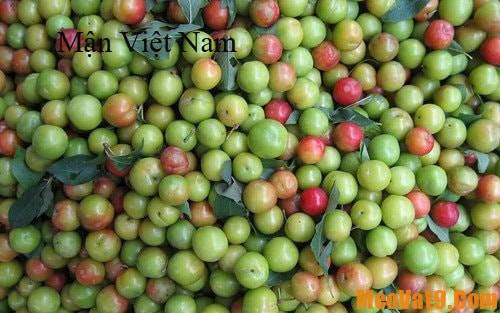
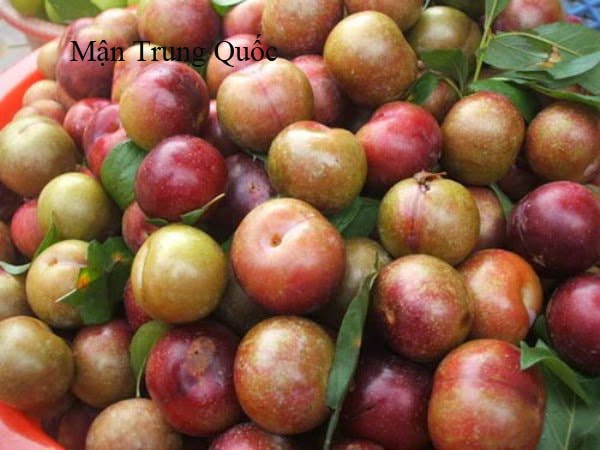
* Chinese plums:The fruit is pale yellow or purplish-black (hybrid plum), large, beautiful, sweet, with a soft, mushy flesh. When refrigerated, it often becomes mushy, bland, and unappetizing. Domestic plums bloom at the beginning of the year, bear fruit around May-June, and the season ends around the end of July; therefore, any plums on the market after that time are likely from China...* Vietnamese Plums:They usually have a white powdery coating on the outside, especially when freshly picked; they are small and irregular in size; when ripe, they are dark red. The "Mận Hậu" variety has a green, soft skin, yellow flesh, and a sour taste. Another type of plum harvested in Bắc Hà district has a light purple color, red flesh, is the size of an apple, and tastes sour...
7. Pink


* Chinese egg yolk (left):The skin is glossy, beautiful, bright orange-red, deep in color, and usually free of scratches; the size is uniform but larger than Da Lat persimmons. This type of persimmon is sweet but not fragrant, slightly dry, and not juicy...* Dalat egg-shaped persimmons (on the right):It is orange-yellow in color, round, flat, and smooth like a chicken egg. The stem has many black spots, no grooves, dark patches, and uneven color. When peeled, the inner part near the stem is slightly hard. When eaten, it has a sweet, creamy taste, is very chewy, and fragrant...
8. Lê
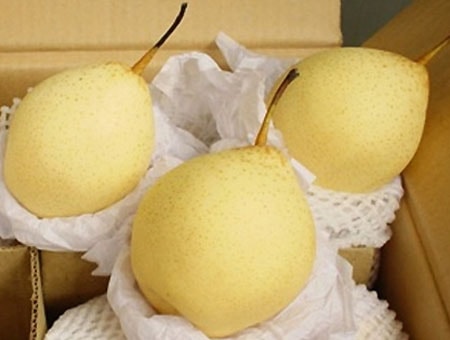
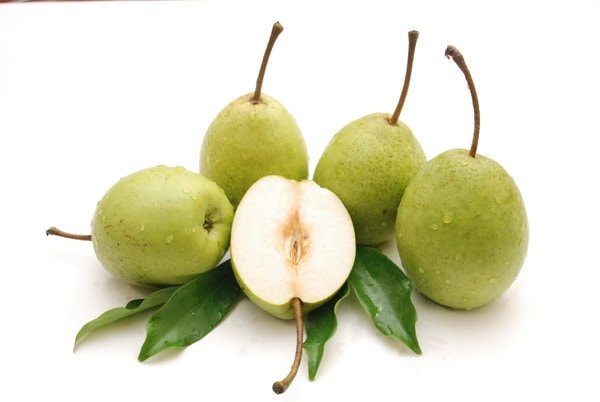
* Le Trung Quoc (on the left):Available year-round, the fruit is round and uniform, wrapped in foam netting, with a smooth, shiny outer skin, bright green or yellow in color; it has a rich, sweet taste but lacks a distinctive aroma; the flesh may be dark or have many dark cracks and pinprick-like holes. It contains preservatives, allowing it to remain shiny for 15-20 days; if refrigerated, it can be preserved for 3-4 months...* Le Viet Nam (on the right):Available only in August and September, the fruit is elongated, firm to the touch, with a rough, dark yellow skin that is not glossy or eye-catching; it has a sweet, slightly sour taste and a mild aroma; the flesh is white and not dry or spongy...
9. Strawberries
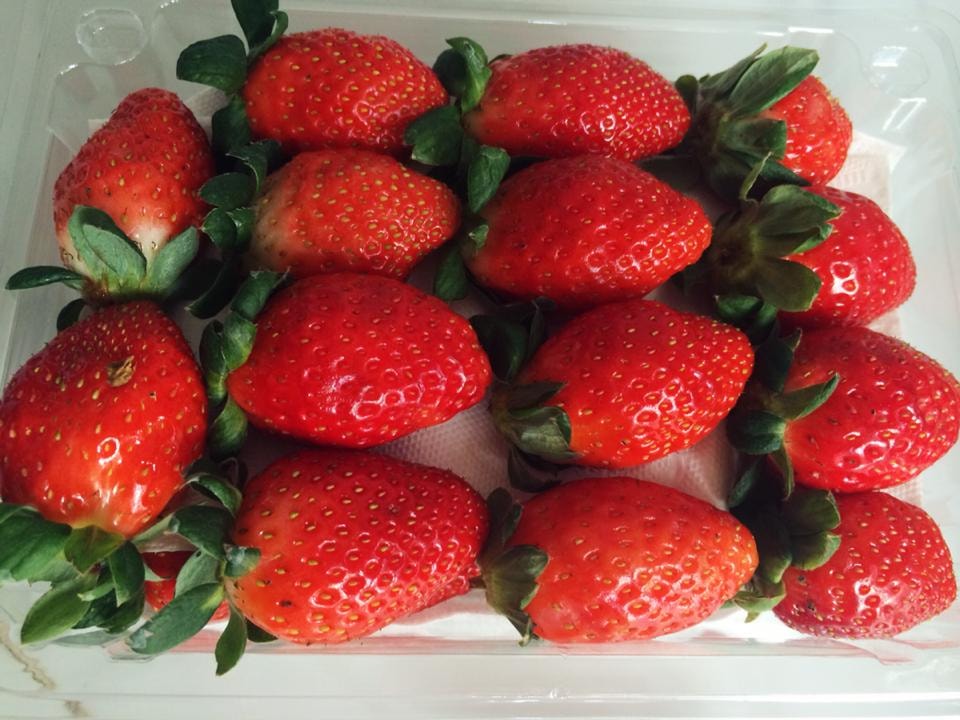
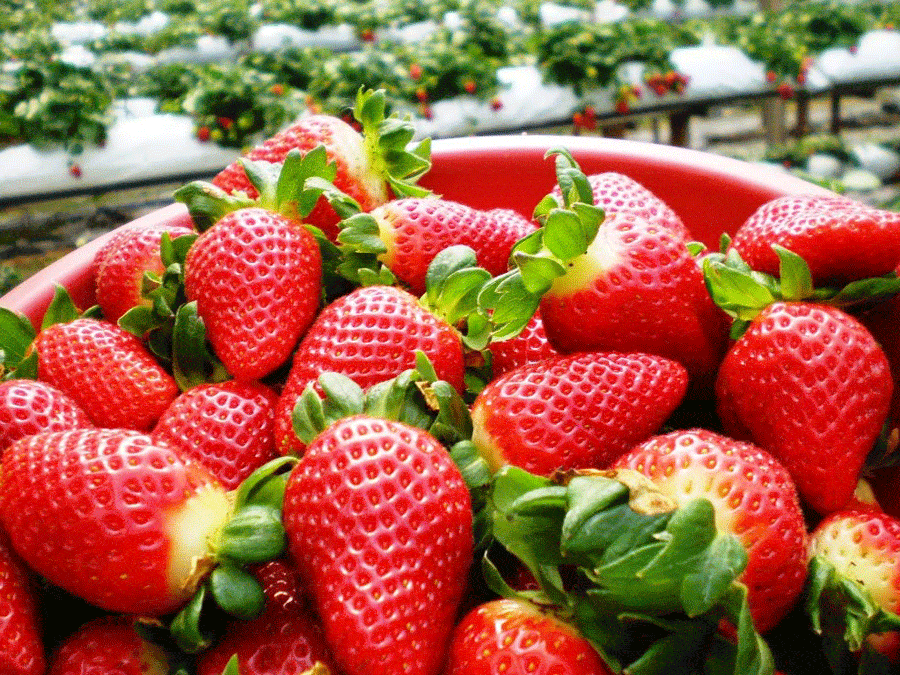
* Chinese strawberries (on the left):The leaves covering the long stems are highly uniform, darker red in color, and smooth and glossy, without any interspersed white; they have no aroma, a crumbly texture when eaten, and lack a refreshing sour taste; they can be stored for 7-10 days at a temperature of 25-32 degrees Celsius without wilting or rotting.* Da Lat strawberries (on the right):The leaves covering the stem are short; the fruit is uneven, not too large, soft, and not smooth; dark in color on the body, slightly white at the stem; thin and short, partially covering the strawberry, light green in color; has a distinctive aroma, soft and chewy when eaten, with a refreshing sour taste; Da Lat strawberries can only be kept for a maximum of 2 days...


