
How to add color to dishes using natural ingredients.
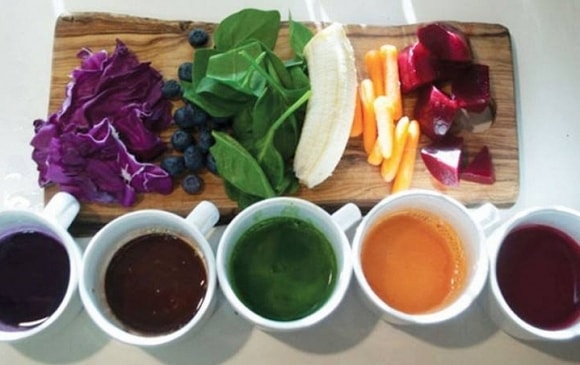
A delicious dish is not only about flavor but also about visual appeal. Using natural food coloring is both safe and attractive to diners.
 |
1. Create the red color.
There are three common ingredients used to create red color: gac fruit, beetroot, and cashew nuts.
Gac fruit is a very common fruit; everyone knows it's used to give sticky rice its red color during ancestral worship ceremonies and Tet (Lunar New Year). The most commonly used parts of the gac fruit are the fresh pulp and seeds, which are mixed into glutinous rice. Nowadays, gac pulp is also processed into dried pieces, powder, gac oil, etc., for easier preservation and use.
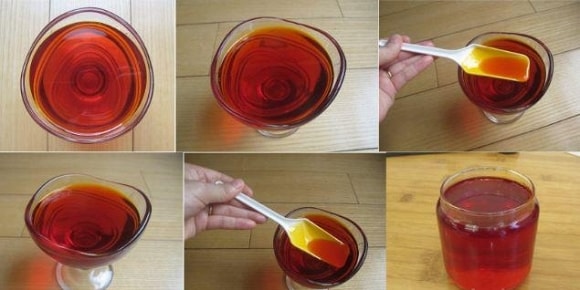 |
| Create red color |
Beetroot is mainly used in soups, but it can also be used to color cakes, candies, jellies, etc., red. The red color of beetroot comes from betalains, which are easily soluble in water, have a high and beautiful color intensity, but are less heat-stable, making them suitable for coloring food at home.
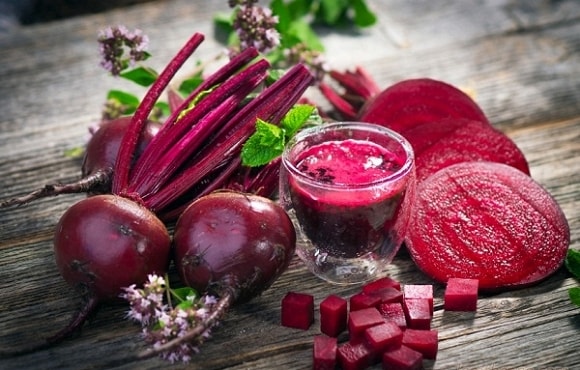 |
| Coloring with beetroot |
Cashew nuts are red in color and can be used in their whole, dried form, ground into powder, or extracted into cashew oil, which is commonly sold in markets. They are often used as a spice. The red pigment in cashew nuts is fat-soluble, insoluble in water, non-toxic, and has a chemical structure that is a precursor to vitamin A.
2. Create a green color.
This is the most common natural color, perhaps because the raw materials for creating this natural dye are so abundant. Green is derived primarily from plant leaves such as pandan leaves, bamboo leaves, rattan, knotweed, and spinach, and is used to color various types of cakes. However, this color is not stable at high temperatures.
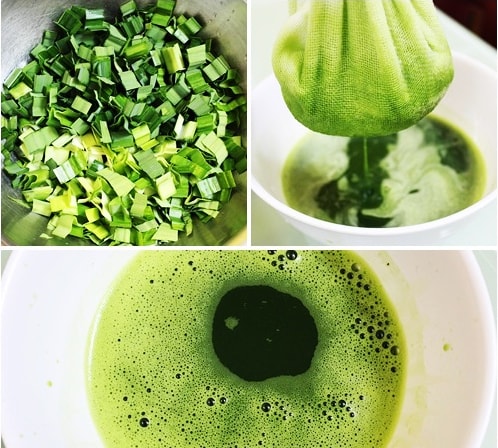 |
| Create green |
– Pandan leaves
This type of leaf is very easy to grow and is widely cultivated in many places. Pandan leaves (called "lá nếp" in Northern Vietnam) produce a vibrant green color, their extract is easily soluble in water, has good colorfastness at high temperatures and for extended periods, and possesses a very pleasant, distinctive aroma. Pandan leaves are used to color cakes, jellies, and some beverages. They can be steamed directly from fresh leaves or ground and squeezed to extract the juice for coloring.
– Sweet potato leaves (also known as Malabar spinach or Malabar spinach)
The color of these leaves is quite heat-resistant, easily soluble in water, and is often used fresh, crushed and squeezed to extract the juice for dyeing various types of cakes.
– Bamboo leaves, rattan
People use the green color of bamboo and rattan leaves, combined with the color of banana leaves, to dye banh chung (Vietnamese rice cakes), or to color some types of cakes, drinks, tea, jelly, etc., to make the food look more beautiful, without strange flavors and with fewer impurities.
- Mugwort leaves
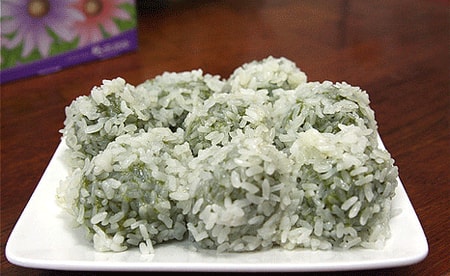 |
People often take young, fresh leaves, crush them, squeeze out the juice, and mix it with glutinous rice to cook sticky rice or make "banh khuc" (a type of Vietnamese cake). It has a beautiful light green color, a distinctive aroma, and is non-toxic.
3. Create a yellow color.
Turmeric or saffron is used to extract its juice. Fresh turmeric is used by crushing it to extract the juice, which is then used to color cakes, pancakes, curry powder, soups, and other dishes, creating a visually appealing effect.
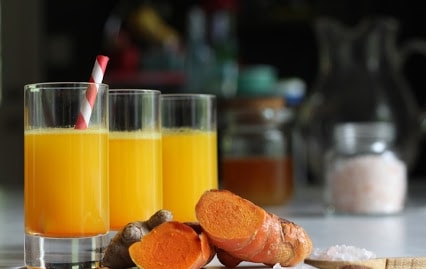 |
| Create a yellow color using turmeric. |
Another way is to squeeze the oranges and then strain the juice through a sieve to remove the pulp and seeds. You can also use passion fruit juice to create an orange color, which is also very delicious. However, you need to choose the appropriate coloring ingredient depending on the dish.
4. Create the orange color.
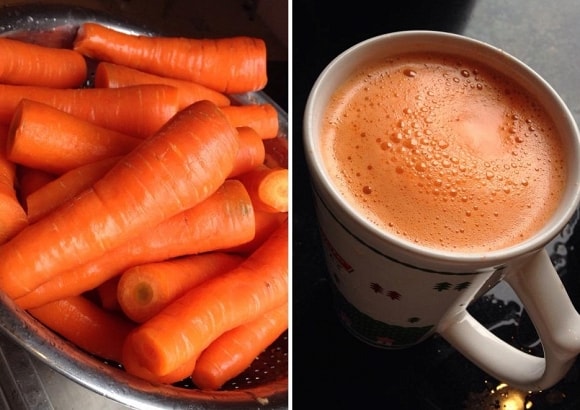 |
| Coloring with carrots |
Carrot juice mixed with dissolved sugar will give you a fragrant, subtly orange color.
5. Create purple color.
The leaves of the *Cynara scolymus* plant are often trusted to produce a beautiful purplish-purple color that is odorless, non-toxic, and retains its color well even at high temperatures for extended periods. Typically, fresh *Cynara scolymus* leaves are used, ground into a powder, and the juice is extracted, often with added alcohol and salt, to color sticky rice and other cakes. While dried, the leaves still produce a purple color, but it's not as vibrant as the fresh form. These leaves are odorless and tasteless; they are harvested, crushed, and then mixed with water, salt, and alcohol before the juice is extracted.
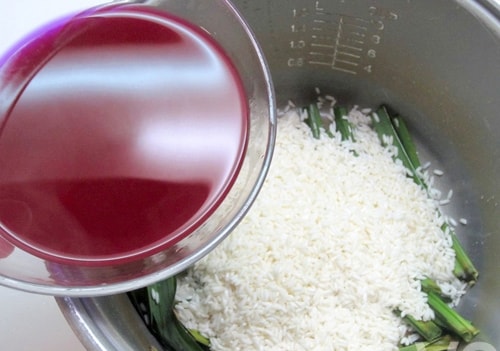 |
| Create purple color using perilla leaves. |
6. Create a brown color.
When you think of brown foods, you probably immediately think of caramel, a brown liquid also known as sugar syrup, which is formed when we caramelize sugar and is commonly used in households for braising, cooking, and baking.
Depending on the concentration of the caramel solution, you can create various shades of brown, from light to dark brown. Your food will have the delicious flavor of this caramel combined with a sweet brown color that your family will love.
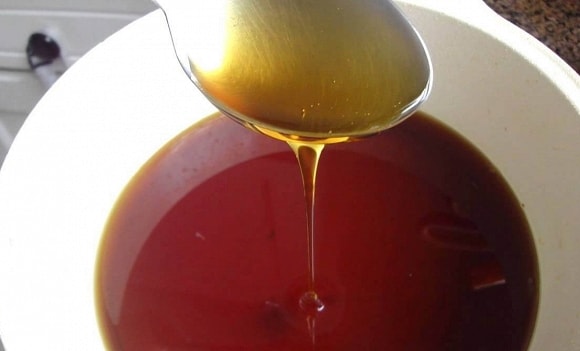 |
| Create brown color using caramel syrup. |
Additionally, the color brown can also be derived from coffee, cocoa, chocolate, etc.
7. Create black color.
This type of dye isn't very appealing, so it's rarely used; however, "rare" doesn't mean "not delicious." The plant is used for its fibers, but its leaves are used to dye jelly and a special type of cake, the "thorn leaf cake," a deep black color like tar.
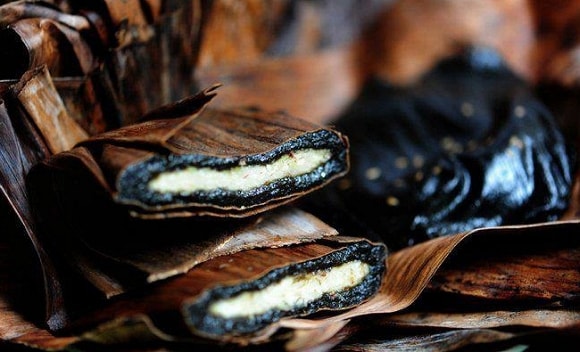 |
| Create black color using nettle leaves. |
According to Ngoisao.vn
| RELATED NEWS |
|---|


