
Cách tính lương mới của giáo viên như thế nào?
Representatives from the Ministry of Education and Training shared information on how the new salary scale for teachers will be developed, effective from the date the Law on Teachers officially comes into force on January 1, 2026.
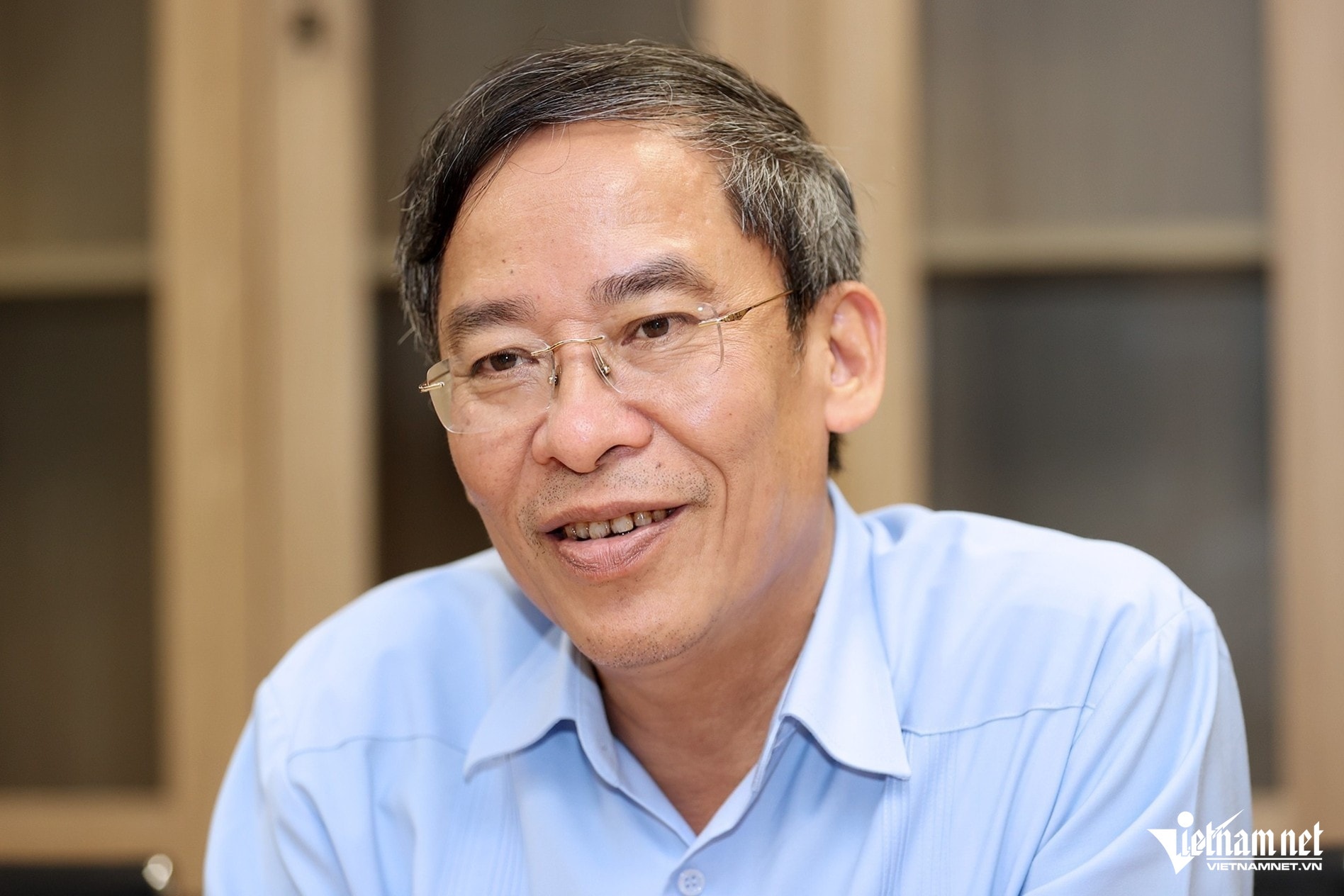
According to Dr. Vu Minh Duc, Director of the Department of Teachers and Educational Management Staff (Ministry of Education and Training), the Law on Teachers stipulates that the Government regulates the implementation of salary policies for teachers. The Ministry of Education and Training is the lead agency in drafting the decree, after which relevant ministries and agencies provide feedback and submit it to the Government.
According to Mr. Duc, the Ministry of Education and Training has been and is currently drafting a decree regulating salary policies for teachers. “The drafting process is urgent because the Law on Teachers will officially come into effect on January 1, 2026. During the preparation of the draft Law on Teachers, we have also had to prepare the content of the guiding documents for its implementation,” Mr. Duc said.
In general, representatives from the Ministry of Education and Training stated that the new salary scale for teachers will be based on the general administrative and public service salary scale, and then separate salary coefficients will be calculated for teachers (according to each level) to ensure that teachers' salaries are "ranked highest".
Mr. Duc stated: "This new salary coefficient is adjusted to prioritize preschool teachers and young teachers who are just starting their careers. This also aims to ensure a stable life for young teachers, preschool teachers, and teachers working in remote, disadvantaged, and particularly difficult areas."
According to Mr. Duc, teachers' salaries will still be calculated using the formula: Salary = Salary coefficient x Base salary.
"However, it is necessary to ensure consistency with the policy of paying salaries based on job positions. When switching to the new salary scale, it must be ensured that the new salary is not lower than the current salary of teachers," Mr. Duc said.
"With the job-based salary calculation method, similar jobs will be paid the same. However, those with longer seniority and more years of service will receive a higher salary. This means that the teacher's contributions are still recognized by assigning them to a higher salary level. Therefore, instead of teachers' income being supplemented with allowances, all those amounts are now included in the salary and paid as a specific sum; when they hold the same job position, their salaries are the same," Mr. Duc further explained.
According to the Director of the Department of Teachers and Educational Management, teachers' salaries are expected to be divided into three groups based on job positions within schools.
"The seniority allowance has been abolished according to Resolution 27, but it will be calculated within the salary grades of the job position; therefore, 'seniority' is already included in the established difference between the grades, so teachers are not disadvantaged. In principle, teachers' new salaries will not be lower than their current salaries," Mr. Duc shared.
According to Mr. Duc, the Ministry of Education and Training is expected to have the first draft of the salary policy for teachers around the beginning of July 2025. "After that, we will post it on the system to solicit feedback and incorporate suggestions for improvement," Mr. Duc said.
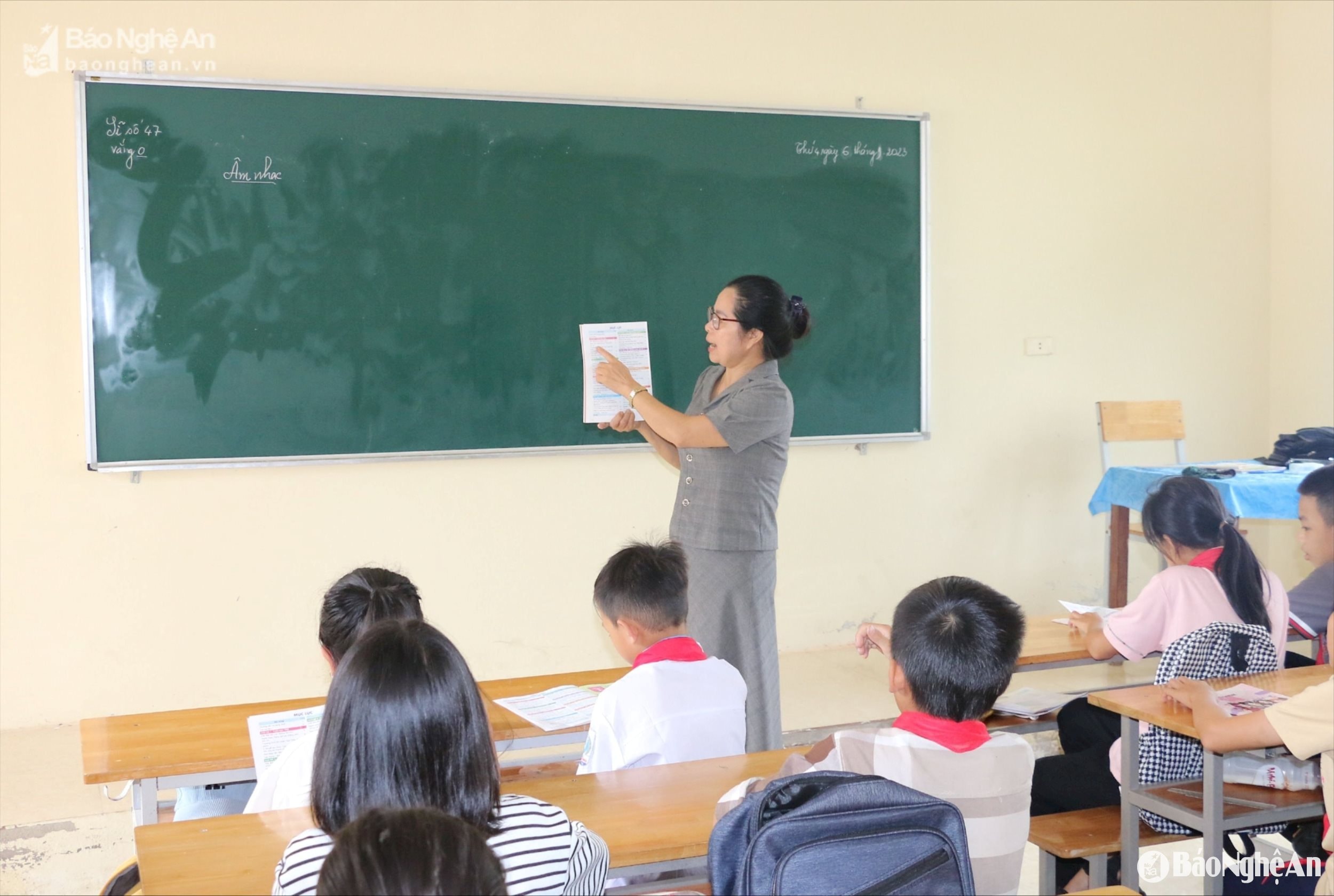
Representatives from the Ministry of Education and Training stated that the draft Decree regulating salary and allowance policies for teachers ensures uniformity within the salary system applied to civil servants in other sectors and fields; at the same time, it guarantees the living standards of teachers, helping them to work with peace of mind and dedicate themselves to the cause of education. In addition, according to the Law on Teachers, teachers are also entitled to additional special allowances, responsibility allowances, preferential allowances, allowances for disadvantaged areas, allowances for inclusive education, seniority allowances, mobility allowances, etc., contributing to a comprehensive increase in income.


