
Warning about 5 common illnesses during the monsoon season and how to prevent them.
(Baonghean.vn) - When the monsoon arrives, the weather changes from hot to cold, and the air humidity drops suddenly. At this time, the body cannot adapt quickly, creating a favorable environment for viruses and bacteria to cause disease.
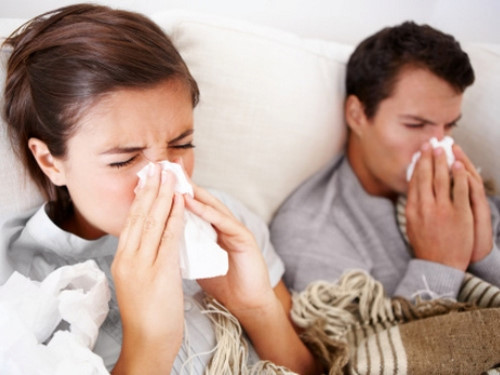 |
| 1. The common cold: Symptoms include: Fever, sore throat; runny nose/nasal congestion; sneezing, watery eyes; fever may reach 39 degrees Celsius. (Image: Internet) |
 |
| Prevention methods: Increase consumption of green vegetables and fruits; Supplement with garlic and garlic products; Drink plenty of water; Wash hands frequently with soap; Rinse mouth with salt water several times a day. (Image: Internet) |
 |
| 2. Pneumonia: Symptoms include: Dry cough; Coughing up thick, white/green/yellow phlegm; Coughing up blood; Chest pain, fever, shortness of breath, rapid heartbeat. (Image: Internet) |
 |
| Prevention methods: Dress warmly; eat a balanced diet and supplement with vitamin C; maintain good oral hygiene; and thoroughly treat any infections in the ears, nose, and throat. (Image: Internet) |
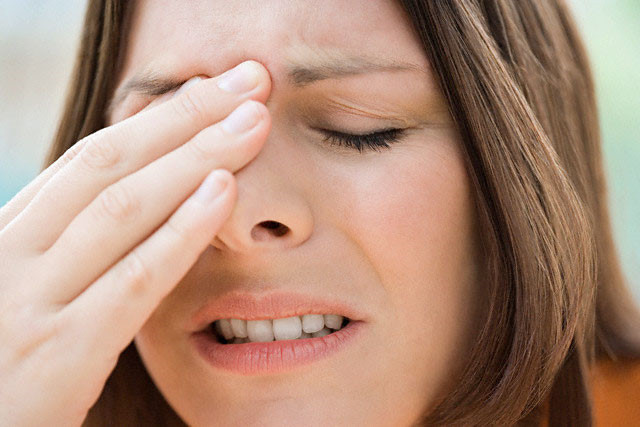 |
| 3. Sinusitis: Symptoms include sneezing, runny nose; nasal pain followed by headache/earache/sore throat. (Image: Internet) |
 |
| Prevention methods: Keep the chest, neck, and nose warm; Rub your palms together and gently apply the mixture to your nostrils and mouth; Avoid cold showers; Do not shower early in the morning or late at night; Maintain nasal and throat hygiene; Supplement with minerals, Omega 3, and vitamins A and C. (Image: Internet) |
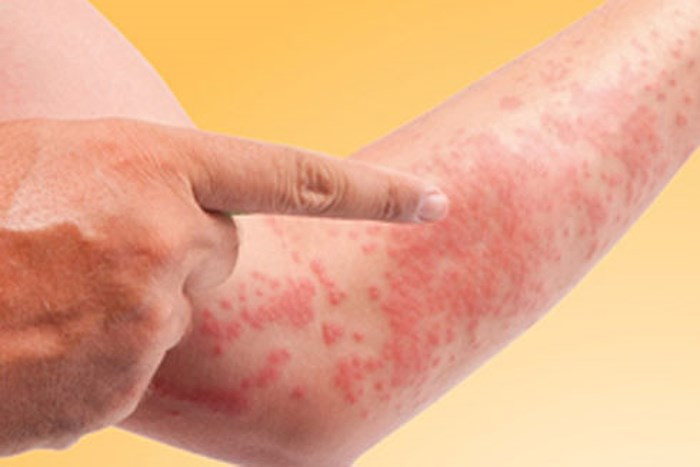 |
| 4. Hives: Symptoms include: Red bumps on the skin (only a few millimeters/centimeters) accompanied by itching; White, opaque coating on the tongue; Cloudy urine; Worsening rash when exposed to cold. Image: Internet |
 |
| Prevention methods: Dress warmly; bathe with lukewarm water; maintain good oral, nasal, and throat hygiene. (Image: Internet) |
 |
| 5. Heart failure: Symptoms include: Increased blood pressure; Headache in the back of the neck/forehead (in the morning); Dizziness, fainting; Chest tightness and slight shortness of breath; A feeling of pressure behind the sternum radiating to the neck, jaw, left shoulder, and left arm; Weakness or paralysis of the limbs for a few seconds to a few minutes; Frequent nosebleeds. Image: Internet |
 |
| Prevention methods: Take cardiovascular medication regularly; Monitor blood pressure at home twice a day; Keep your body warm; Engage in appropriate exercise and sports; Avoid smoking and excessive alcohol consumption. (Image: Internet) |


