
Warning about various types of online scams and how to recognize them.
(Baonghean.vn) - Although authorities regularly disseminate information about the methods and tactics used in online fraud and property theft, the situation regarding this type of crime remains complex. Of particular note is the online romance scam conducted via social media...
Unbelievable scams
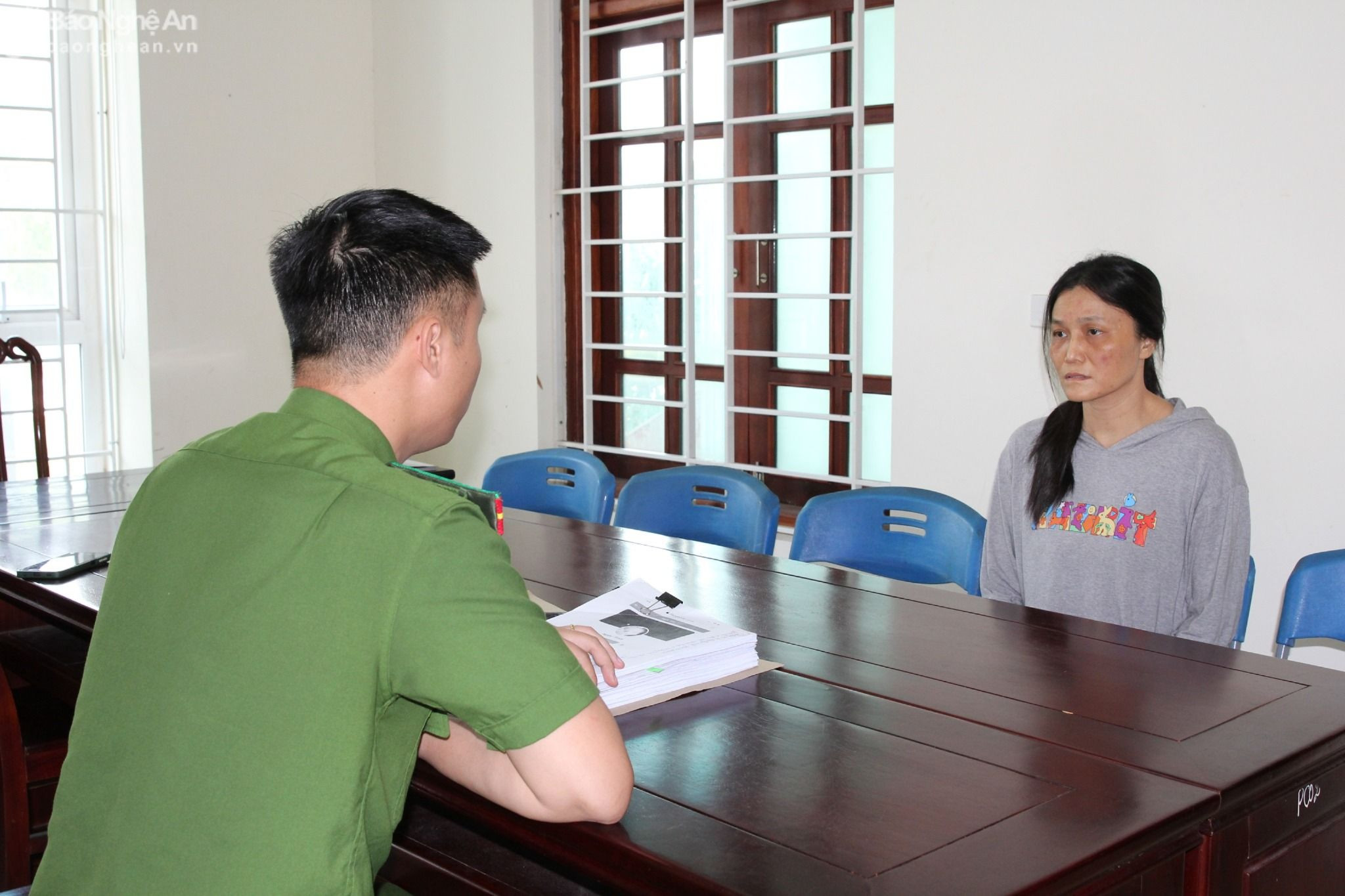
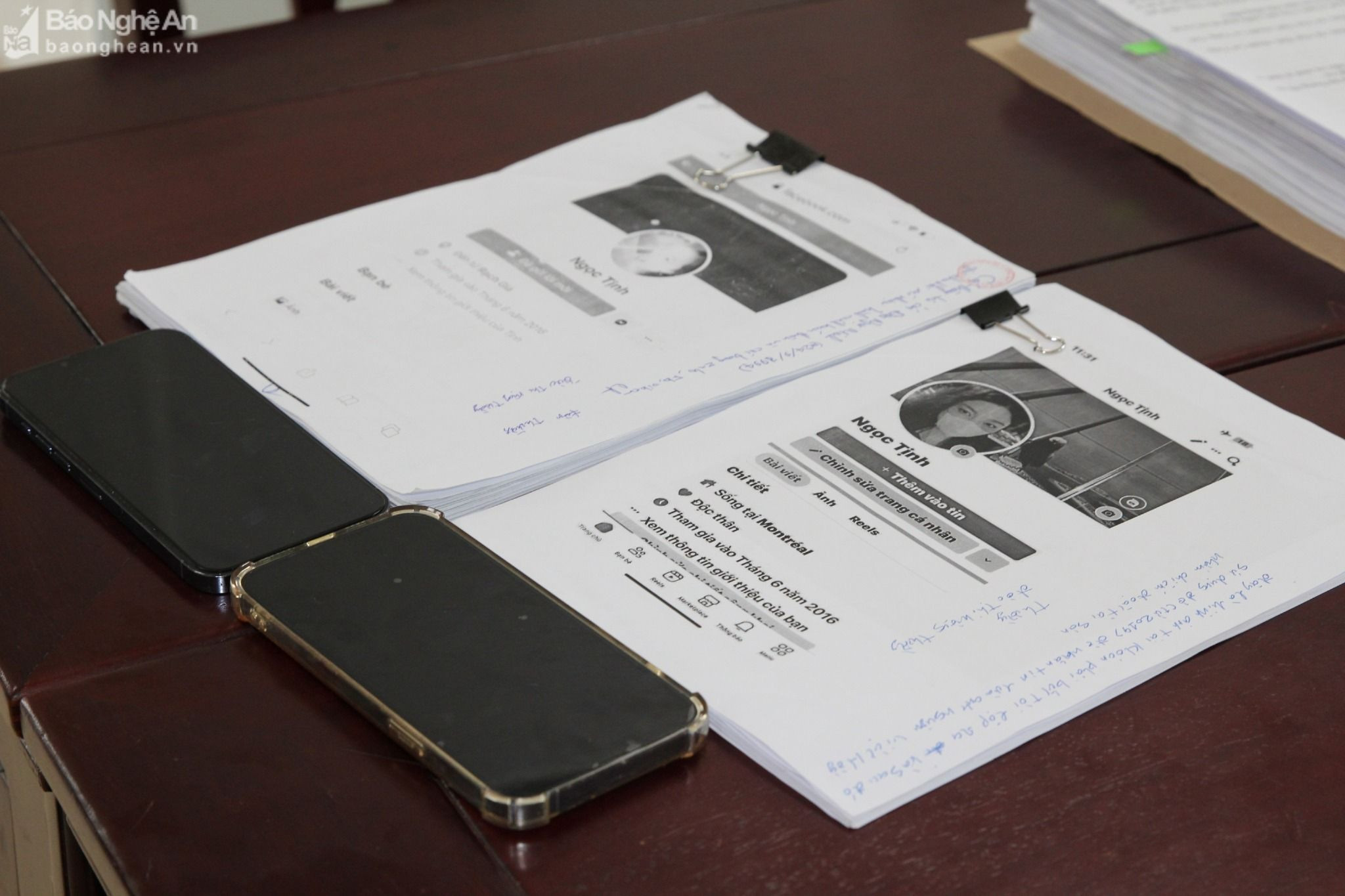
Recently, public opinion was stirred by the news that a man in Vinh City lost a large sum of money (12 billion VND) due to being scammed by his online lover. According to the investigation by the authorities, in August 2019, Dao Thi Mong Thuong (born in 1978), residing in Dong Thap province (with a previous conviction for gambling), created and used the Facebook account "Dao Ngoc Minh" to post pictures of young, beautiful women. She then befriended and messaged a man residing in Vinh City. During their conversations, seeing that the victim was wealthy, Thuong conceived the idea of defrauding him of his assets through a romantic scam.
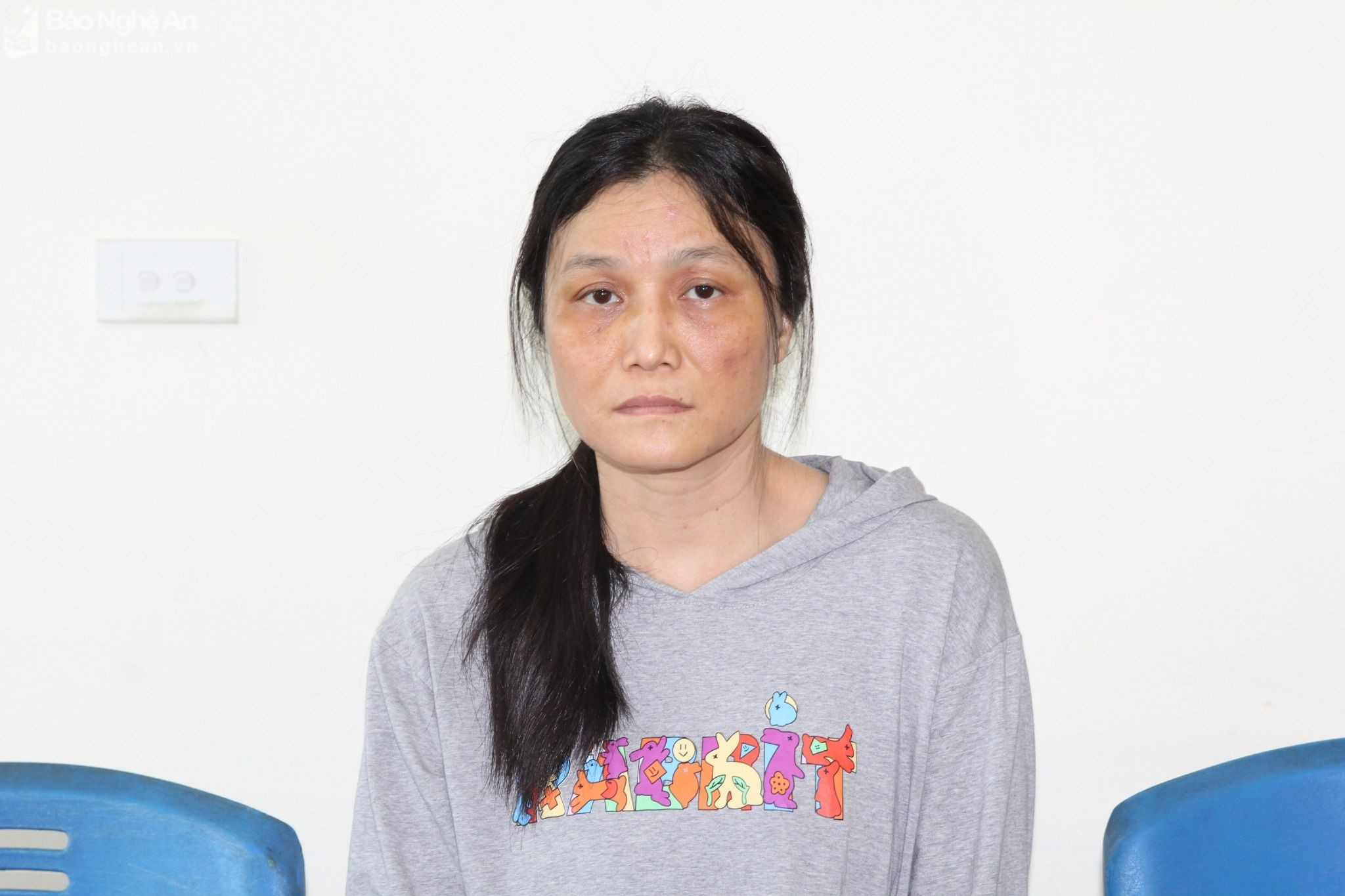
Thuong introduced himself as Dao Ngoc Minh (born in 1994), whose parents are Vietnamese expatriates currently running a shipping business in Canada. Due to the nature of his work, Ngoc Minh frequently travels between Canada and Vietnam. To gain trust, Thuong created multiple social media accounts posing as relatives of Dao Ngoc Minh to communicate and interact with the victims. Once the victims trusted and developed romantic feelings for the person he created, Thuong provided false information about Ngoc Minh needing money for business matters, inheritance procedures, personal documents, etc., and subsequently defrauded the victims of over 12 billion VND.

On September 2nd, the Criminal Police Department of Nghe An Provincial Police, in coordination with relevant units, successfully cracked a case involving the arrest and urgent search of the residence of Dao Thi Mong Thuong for the crime of fraud and appropriation of property. They seized two mobile phones and froze one bond investment contract worth 4 billion VND.
In reality, this tactic is not new, and authorities have repeatedly warned people to be vigilant when chatting and exchanging information on social media with newly acquainted individuals. They should carefully check and verify information before taking any action related to finances or sending personal information. However, many people still fall victim to these scammers.
For example, in September 2023, the Nghe An Provincial Police received a report from a 59-year-old woman residing in Tan Ky district about being scammed out of more than 3.3 billion VND by a "boyfriend" she met online.
According to the woman's report, in early July, she met a man named Nam, the same age as her, residing in Hanoi, through social media. After a short period of exchanging messages, Nam persuaded the woman, originally from Tan Ky district, to invest in the stock market. Trusting her "boyfriend," and despite knowing nothing about stocks, the nearly 60-year-old woman sent Nam her national identity card to open an account for a trial investment of 10 million VND.
Initially, seeing that she invested little money but her bank account continuously showed interest payments, especially after her boyfriend committed to buying back the shares at 10 times the original price, the woman sold all her assets, mortgaged her relatives' land deeds, and borrowed 3.3 billion VND from friends to give to the man named Nam for investment.
After waiting a long time without receiving the money as previously announced, the woman inquired and was informed by a man named Nam that the total profit from the investment had reached 19 billion VND. However, all communication through the Facebook account under the name Nguyen Hoang Nam was subsequently blocked. The woman checked her stock exchange account and found no money left, so she filed a report with the provincial police investigation agency.
Identifying signs
According to the Information Security Department of the Ministry of Information and Communications, in the case of romance scams, fraudsters often find and approach targets through online channels such as social media and dating websites. They create a fake profile or use stolen images of others with attractive and appealing appearances, then establish a fake romantic relationship with the victim using tactics such as flirting, sharing touching stories, or making promises. They then trick the victim into sending sensitive images and videos, using these to threaten and extort money from the victim.
For example, Bui Duy Hoa (born in 2002), residing in Tan Son commune (Quynh Luu district), used a Zalo account named "White Horse Prince" to befriend female users. After a few days, Hoa would video call on Zalo, recording himself naked for his partners to watch. He also recorded the call screen and blackmailed the women by forcing them to record nude videos for him, using those images to blackmail and extort money. Bui Duy Hoa was subsequently sentenced to 12 months in prison by the Tan Ky District People's Court for the crime of "Extortion".
More sophisticatedly, after understanding the victim's psychology and financial situation, some perpetrators use various methods to persuade victims to invest in the Forex market through a fake trading platform controlled by the scammer. Victims are lured into winning a few times to build trust and greed. Then, when they win a large sum of money, they are prevented from withdrawing it, forced to pay transaction fees, taxes, or told that their account information is incorrect and they must pay money to verify it...
This continues until the victim runs out of money and goes bankrupt. Some scammers even send valuable packages and force victims to pay taxes by transferring money to the scammer's account. In Nghe An, there was a case where a victim named VTH, residing in Na Cay village, Tien Phong commune (Que Phong district), was scammed by a scammer who used a profile picture of a Western man to befriend her online and showered her with sweet words. After nearly a month of exchanging romantic messages, her "online lover" expressed his intention to send her a gift. To receive the "huge" gift, she had to pay 12 million VND in customs declaration fees. Believing her online lover, VTH transferred 12 million VND to the beneficiary account under the name Le Van Thanh, account number 1018913492, SAB Bank, Ho Chi Minh City.
Subsequently, the scammers demanded that T. deposit an additional 105 million VND before receiving the goods, claiming the package contained a large amount of cash and therefore had high fees. Lacking the funds, the victim borrowed money from the bank to transfer. Seeing signs of fraud and misappropriation of assets, the bank urged the victim to report the incident to the police for investigation and prosecution.
Recommendations from relevant authorities
The Information Security Department of the Ministry of Information and Communications advises people to be vigilant. When meeting new people on social media or online platforms, verify their identity by researching them, requesting their address, contact phone number, or even meeting them in person if possible. Furthermore, avoid sharing personal information too quickly. Be especially cautious of requests to send money, invest in Forex, or participate in financial transactions from unknown sources.
Before accepting a package from someone you don't know, check and verify the address, name, and other details. Authorities also advise caution if you receive a call announcing you've won a large prize, and verify the information from a reliable source.
At the same time, avoid sharing sensitive images or videos of yourself with people whose identity and background you don't know or trust, to prevent scammers from using these sensitive images and videos to blackmail you.
In addition, everyone needs to learn and understand common forms of fraud and how to identify suspicious signs, so that they can recognize potential scams and warn others in a timely manner.
In addition, everyone should protect their personal information by not sharing too much on social media or online platforms. In particular, be cautious about providing your phone number, home address, bank account details, or any other sensitive information to people you don't know well, to avoid falling into a situation where you lose money and suffer harm.


