
Bac Ha 'White Plateau' - an attractive destination in the Northwest region.
Bac Ha, the "White Plateau," is home to 14 ethnic groups, with ethnic minorities accounting for 84% of the population. Boasting majestic and captivating mountain scenery, a clean climate, and unique cultural features, Bac Ha is becoming a popular tourist destination.
Bac Ha (Lao Cai) possesses cultural tourism resources associated with ranked and listed cultural heritage sites, including 4 sites that have been classified as national-level relics by the Ministry of Culture, Sports and Tourism: Hoang A Tuong Mansion, Bac Ha Temple, Trung Do Temple, Thien Long Cave, and 1 site classified as provincial-level relic: Bac Ha Fort.
Bac Ha boasts 11 national intangible cultural heritage sites of various ethnic groups, including the "Tug-of-War Ritual of the Tay and Giay Ethnic Groups" and the "Then Ritual Practice of the Tay, Nung, and Thai Ethnic Groups," which have been inscribed by UNESCO on the Representative List of the Intangible Cultural Heritage of Humanity.
Following the Covid-19 pandemic, tourism in Bac Ha (Lao Cai) has revived with many attractive cultural and tourism activities and events. In 2023, the total number of visitors to Bac Ha reached 650,000 (more than double the number in 2020), and in the first nine months of 2024, it reached 609,000.
Over the years, Bac Ha district has made efforts and focused on preserving and effectively promoting the traditional cultural values of ethnic minorities. The district is currently developing 10 unique tourism product groups associated with the "White Plateau" brand and creating distinctive cultural spaces for the Mong, Dao, Tay, and Nung ethnic groups.
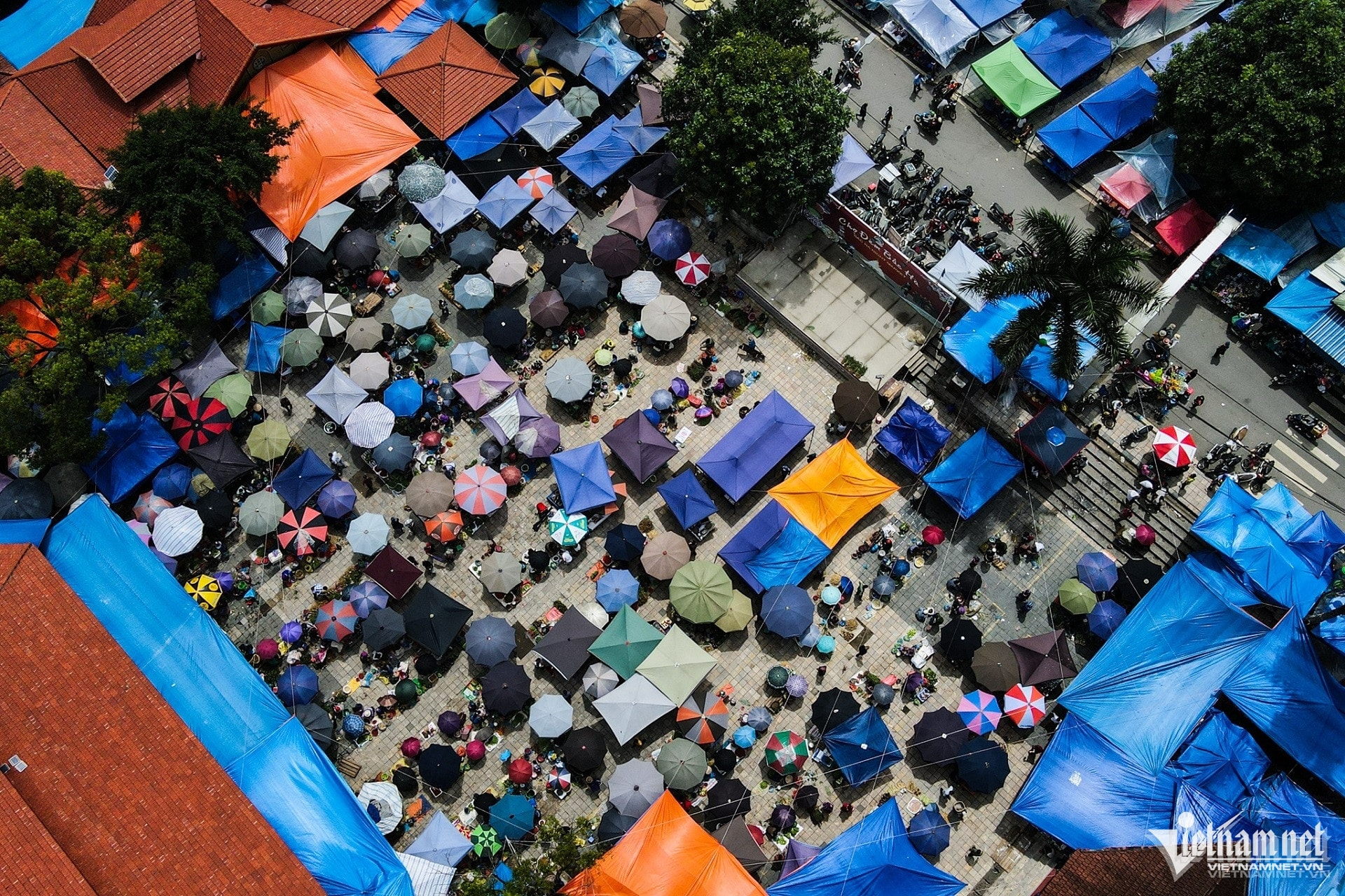
Cultural tourism products such as the Bac Ha night market, horse racing festival, and the Bac Ha White Plateau Festival, associated with all four seasons of the year, are loved and highly appreciated by tourists. Traditional cultural values, folk songs, folk dances, and festivals are preserved, restored, and regularly organized, creating unique cultural products to serve tourism development.
Traditional craft villages are preserved and promoted to attract tourists for experiences and create additional livelihoods, such as the blacksmithing of agricultural tools in Na Hoi and Ban Pho communes; silver carving in Na Hoi commune; tailoring of Tay ethnic costumes in Ta Chai and Na Hoi communes; weaving conical hats in Ban Lien commune; making black sticky rice cakes in Ta Chai commune; crafting Mong ethnic musical instruments in Ban Pho commune; making saddles for the Phu La ethnic group in Lung Phinh commune;…
The People's Committee of Bac Ha district is striving to make tourism a key economic sector and a breakthrough for the district. During the period 2018-2023, the average annual growth rate of tourists in Bac Ha reached 10.2%.
However, the tourism sector of Lao Cai province has determined that Bac Ha has not yet effectively exploited its potential to affirm its position as a tourism destination in socio-economic development. Developing Bac Ha district into a unique destination of Lao Cai province and the Northwest region in the period 2024-2030 is the goal of the project that the Department of Tourism has submitted to the Provincial People's Committee for implementation in the near future.
Bac Ha needs comprehensive orientations and solutions to achieve breakthroughs in sustainable tourism development, contributing to the effective implementation of the goals and tasks of "developing new tourism spaces in Bac Ha, forming unique and distinctive tourism products" according to Resolution 11 dated August 27, 2021, of the Standing Committee of the Provincial Party Committee on the development of tourism in Lao Cai province until 2030, with a vision to 2050.
From now until 2030, in order to become a distinctive destination in the Northwest region, Bac Ha must develop high-quality and unique tourism products based on promoting the core values of Bac Ha tourism; build a brand identity for Bac Ha as a destination associated with tourist attractions, resources, and tourism products that are representative, unique, and impressive to Bac Ha tourism; and focus on upgrading and developing a synchronized system of tourism service businesses according to ASEAN tourism standards.
In addition, the district needs to invest in upgrading the transportation infrastructure connecting to tourist destinations and develop specific and attractive policies for tourism. The goal is to welcome 1 million tourists to Bac Ha by 2025; and 2.5 million tourists by 2030, with total tourism revenue reaching nearly 5,200 billion VND.


