
Naturalized players as seen from the China-Indonesia match.
Hoping to qualify for the 2026 World Cup with a squad of naturalized players, the Indonesian national team suffered a humiliating defeat against China.
Indonesia, the only Southeast Asian team to reach the third round of the 2026 World Cup qualifiers in the Asian region for the first time, and with their dream-like three-point wins in their opening three matches under Shin Tae Yong, are now making the entire continent and region look in awe. The Indonesian team's consecutive draws against Australia and Saudi Arabia, and even a near-win against Bahrain, are no accident; they are not a team of mediocre quality.
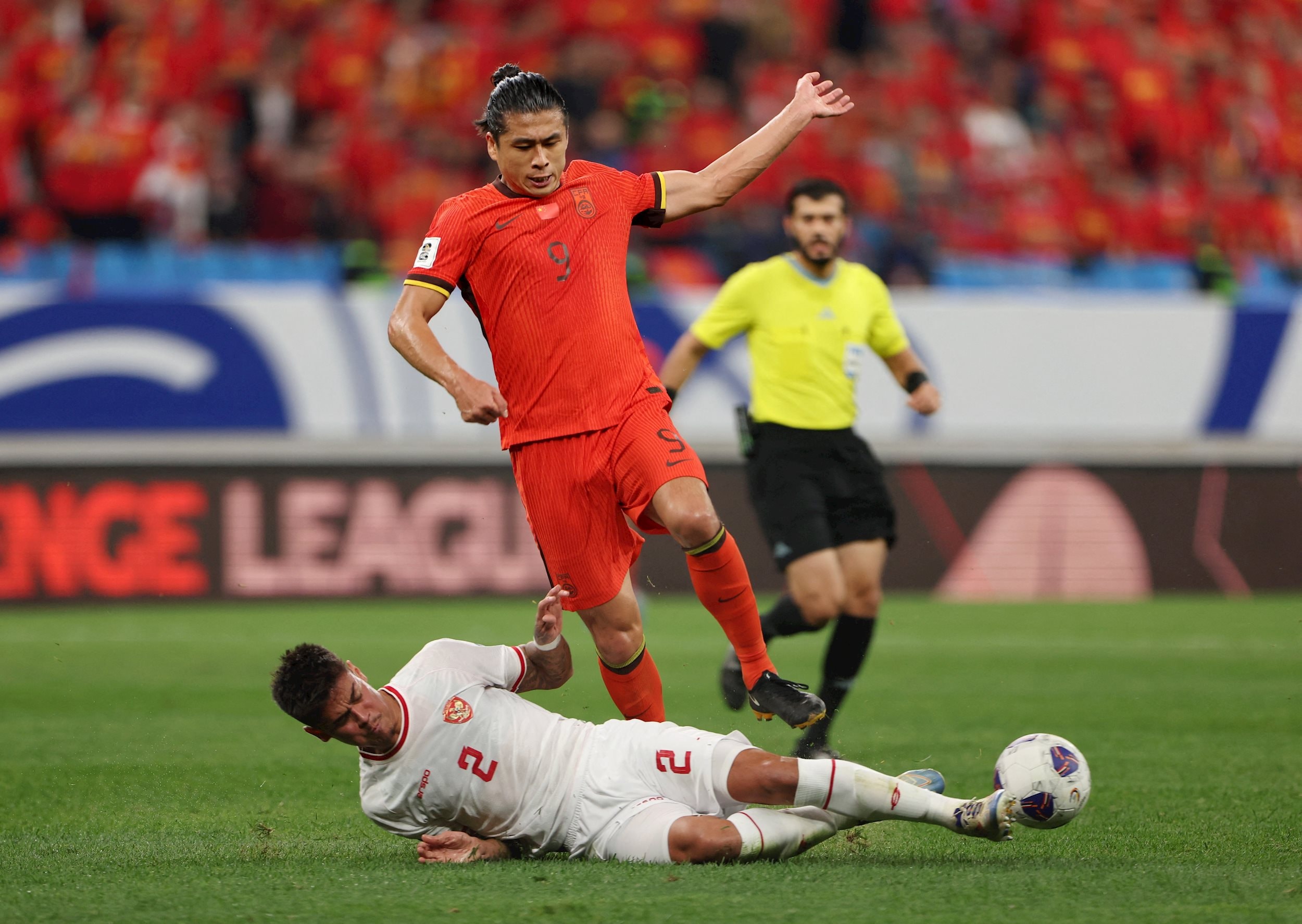
However, in the fourth match against China – a team that had lost all three previous matches – the debate over whether Indonesia would become "Netherlands 2" is becoming more heated and noteworthy than ever after what happened in the 50,000-capacity Qingdao stadium.
In this match, coach Shin Tae Yong continued to use 9 out of 11 naturalized Dutch players in the first half, and similarly, only 2 Indonesian-born players were named in the second half, meaning the team consistently had 9 naturalized players on the field. The Southeast Asian team held possession for 76% of the time, passing the ball continuously and persistently, but could not penetrate the home team's well-organized and deep-lying defense.
After the match, coach Shin Tae Yong suggested that the Chinese players were more motivated than the home team, leading to a better result, especially scoring two goals in the first half. However, the story isn't simply about motivation; the key was the home team's strategy of "knowing themselves and their opponent," enabling them to effectively block the opposition from all angles, while simultaneously capitalizing on the smallest, most unexpected moments to create fluid passing sequences and score quickly, all while defending solidly to protect their lead.
Of course, the naturalized squad in particular, and the Indonesian team in general, played with great effort, displaying full strength across all lines against the home team. It's not difficult to understand why they suffered a bitter defeat, conceding two goals in the first half, primarily due to overconfidence on their part after the previous three matches. It seems that Shin Tae Yong's team underestimated the Chinese team, succumbing to public opinion and acting carelessly, leading to disastrous consequences.
The situation where a player failed to chase down the ball at the end line in the 22nd minute, leading to the opening goal, was the first "deadly example." The fact that a brand-new naturalized center-back (Mees Hilgers), whose transfer value was greater than the entire Vietnamese national team, neglected to mark his man, allowing the opponent to get past him and shoot into his own net, is a fitting lesson for everyone involved. Using naturalized center-back Calvin Verdronk as a left-sided center-back instead of domestic player Rizky Ridho was undoubtedly a personnel mistake by the head coach. Furthermore, after the match, the lowest professional rating of the game for another naturalized defender (Shayne Pattynama) was a painful blow to the Indonesian Football Federation, the Indonesian national team, and the vast majority of Indonesian fans, following initial triumphs followed by humiliating defeats.
To be clear, the third round of the World Cup in the Asian region is not an easy game for anyone, especially for teams making their debut like Vietnam, Indonesia, and even the powerhouse Thailand. It's not just top-tier teams like Iran, South Korea, or Japan; even second-tier teams like China and Bahrain are not as easy opponents as some might have thought or assessed.
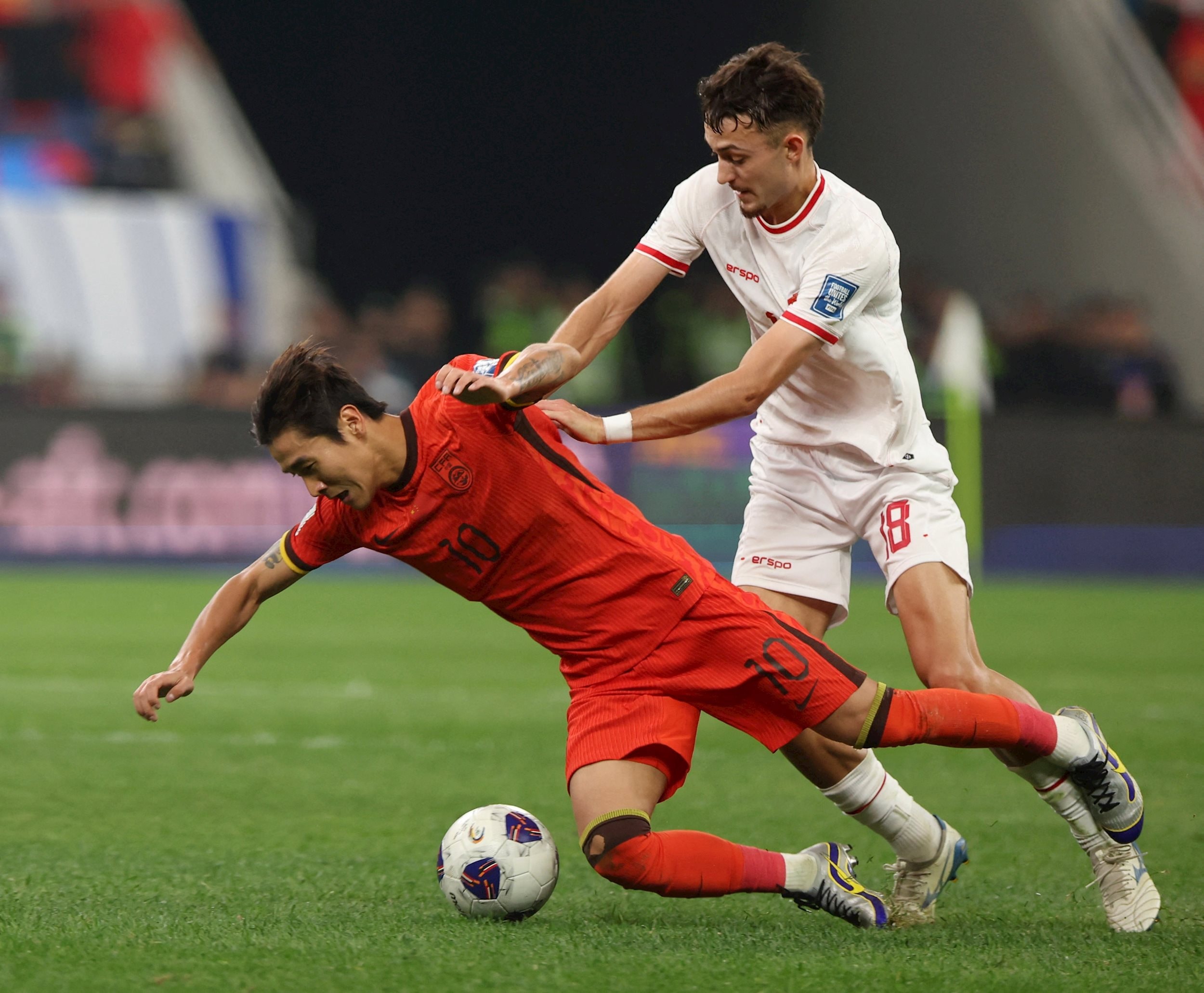
In the fourth matchday, Indonesia, after a three-game unbeaten streak and nearly securing three points to the admiration of the entire continent, ultimately had to face a bitter defeat. They couldn't complain about the referee or the organizers, nor could they file a lawsuit, despite their frustration at the unexpected result. The head coach made mistakes in his approach to the game, in his personnel selection, and failed to turn the tide, allowing the opponent to anticipate their moves. Meanwhile, his players, despite their efforts, remained inexperienced in crucial moments and pivotal situations…
In summary, it was a lack of courage, insufficient strength, and a failure to multiply individual and collective fighting power, making it clearly impossible to achieve the desired goals, as initially envisioned in theory.
It also shows that the story of naturalizing players to improve the quality of the national team is something that needs to be done and done well, but with Indonesia after the loss to China (1-2) mentioned above, things are starting to show that it's not all rosy. The upcoming matches against high-level opponents will reveal a more specific and vivid picture of this issue, of the Indonesian team (some call it the Netherlands 2), of what should be done, and what should absolutely be avoided…
Of course, every experience and lesson in football is valuable for many teams, including Vietnam. Coach Kim Sang Sik of the Vietnamese national team will certainly have to worry about how to utilize Nguyen Xuan Son, Jason Quang Vinh… and a number of other Vietnamese-born players in the Vietnamese national team at the AFF Cup later this year, considering their potential advantages and disadvantages in the short and long term, and countless other things that reality will clearly reveal.


