
What diseases can the serrated dogwood plant treat?
The serrated dogwood plant grows wild everywhere and is harvested by people for medicinal purposes, so what diseases does the dogwood plant treat?
What are the uses of the serrated dogwood plant?
According to an article by MSc. Dr. Pham Duc Thang - Ho Chi Minh City University of Medicine and Pharmacy, in many places, serrated dogwood is used to treat boils, carbuncles, snake bites, etc., either by applying it externally or by boiling it in water for drinking.
In addition, this typeherbsThis is also used to reduce fever, act as a diuretic, and support the treatment of diabetes, vaginitis, and colitis.
In particular, the serrated dogwood plant is also used in the supportive treatment of fatty liver disease and has shown good results. This medicinal herb helps detoxify, protect the liver, and stimulate digestion thanks to the effects of active ingredients such as flavonoids, the alkaloid phyllanthin, and compounds such as hypophyllanthin, niranthin, and phylteralin.
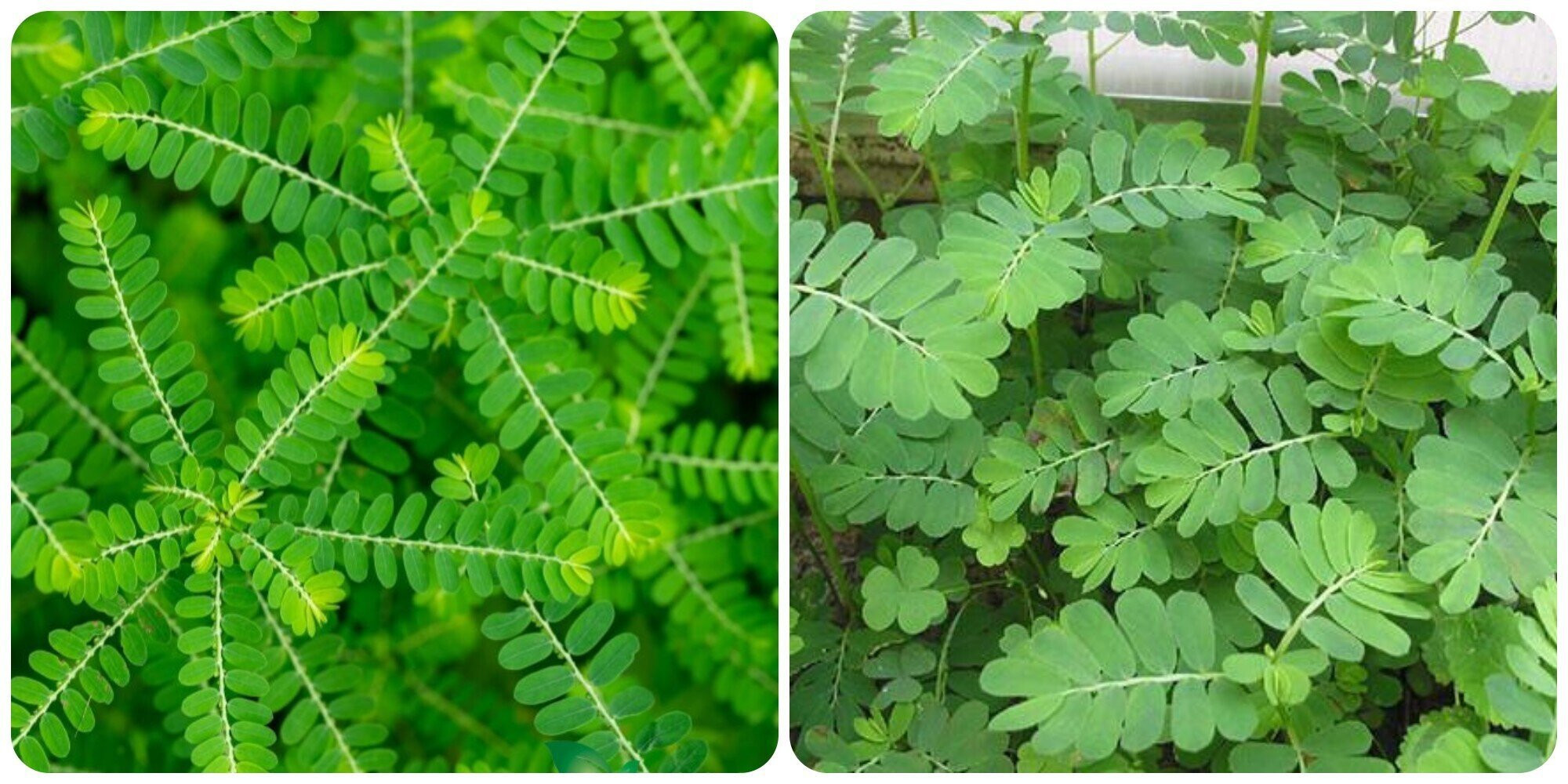
What diseases can the serrated dogwood plant treat?
Speaking with a VTC News reporter, Dr. Bui Dac Sang, a general practitioner from the Vietnam Academy of Science and Technology and the Hanoi Traditional Medicine Association, said that the serrated dogwood plant (also known as Phyllanthus niruri) has long been used by people as an effective medicine. Below are some medicinal recipes using the dogwood plant:
Detoxification
Lesson 1: Treating painful, swollen boils
Phyllanthus niruri: 1 handful
A little salt
Instructions: Crush or grind the herbs with a little salt, squeeze out the juice to drink, and apply the remaining pulp to the painful area.
Lesson 2: Treating non-healing ulcers.
Phyllanthus niruri: 1 handful
Cloves: 1 handful
A handful of wild betel leaves
Instructions: Crush all ingredients together and apply to the affected area.
Clears liver and promotes bile flow.
Phyllanthus niruri: 24g
Artemisia capillaris: 12g
Prunella vulgaris: 12g
Gardenia fruit: 8g
Bupleurum: 12g
Instructions: Brew the mixture and drink continuously for 3 months.
Treats jaundice, enteritis, and diarrhea.
Phyllanthus niruri: 32g
Plantain (Plantago major): 24g
Gardenia fruit: 12g
Method: Brew and drink.
Treating viral hepatitis
Phyllanthus niruri: 16g
Bồ Bồ: 16g
Poria cocos: 12g
Dried grapefruit peel: 0.6g
Magnolia bark: 0.8g
Gardenia fruit: 12g
Snowdrop herb: 12g
Ginseng root: 12g
Magnolia bark: 0.8g
Method: Brew and drink.
Improves blood circulation, promotes blood flow.
Lesson 1: Blood clots in wounds
Phyllanthus niruri leaves: 1 handful
Rhubarb powder: 8g
a handful of water spinach
Instructions: Grind all ingredients into a fine powder, add urine, squeeze out the juice and drink it; apply the remaining pulp to the wound.
Lesson 2: Wounds when injured or bleeding
Crush a handful of *Phyllanthus niruri* leaves, add some slaked lime, and apply to the wound when injured or bleeding.
Treating malaria
Lesson 1: Treating Malaria
Leaf of the *Cissus quadrangularis* plant: 8g
Commonly used: 12g
Cardamom: 10g
Areca nut: 4g
Preserved plums: 4g
Tendon: 10g
Toad vine: 4g
Fresh soursop leaves: 4g
Nighttime greetings: 10 AM
Instructions: Prepare the decoction and drink it 2 hours before a malaria attack.
Lesson 2: Treating malaria and heat-induced rashes and boils caused by poisoning.
Phyllanthus niruri: 12g
Licorice root: 12g
Instructions: Brew and drink daily.
Lesson 3: Treating Malaria
Phyllanthus niruri: 10g
Andrographis paniculata: 10g
Bidens pilosa: 20g
Instructions: Grind the ingredients into a powder. Take 4-6g per dose, 3 times a day, for the treatment of malaria.
How to use Phyllanthus niruri (Chlorophytum)
Dosage: 20-40g of the herb daily, in fresh or dried form, brewed into a strong decoction for drinking.
When used topically, there is no limit to the dosage.
It is advisable to consult with medical professionals or healthcare experts to ensure safety and effectiveness.


