Can the goldenrod plant cure cancer?
Recently, there has been a lot of information circulating about the goldenrod plant being able to cure many diseases, including cancer. What is the truth about the effects of goldenrod?
The goldenrod plant (LV) is used in traditional folk medicine. Some authors have noted (through observation and feedback from users) that drinking goldenrod helps improve digestion, relieves stomach pain, reduces muscle and joint pain, and stabilizes blood pressure; goldenrod is also used topically to reduce discharge, itching, swelling, and pain in some skin diseases, injuries, and sprains.
Most chronic non-communicable diseases such as hypertension, diabetes, atherosclerosis, gout, rheumatoid arthritis, gastroenteritis, atopic dermatitis, and cancer often share some common manifestations during their progression.
Based on the effects of the ecdysteroid compounds found in the LV plant and the practical experience of many patients, it has been shown that the LV plant is toxic to cancer cells, has anti-inflammatory, antibiotic, antioxidant, free radical neutralizing, hypoglycemic, immune-boosting, and alkalizing properties in the body...
Therefore, the LV plant certainly has some effect on the aforementioned diseases. However, the effectiveness of the LV plant in treating diseases depends on the severity of the disease, the body's response, and the dosage used.
Each year, Vietnam sees 70,000 deaths from cancer and 200,000 new cancer cases; these numbers are steadily increasing. There are over 200 different types of cancer. The majority of cancers manifest as malignant tumors.
The most frightening aspect of malignant tumors is their ability to invade surrounding tissues or spread to lymph nodes and distant organs, forming new tumors that continue to invade and destroy cells and tissues in the body. This is the phenomenon of cancer cell metastasis.
Reiterating the insidious and dangerous nature of cancer shows that treating this disease is far from simple, requiring a combination of Western and Eastern medicine approaches. It is certainly impossible to cure cancer solely by relying on a few medicinal plants.
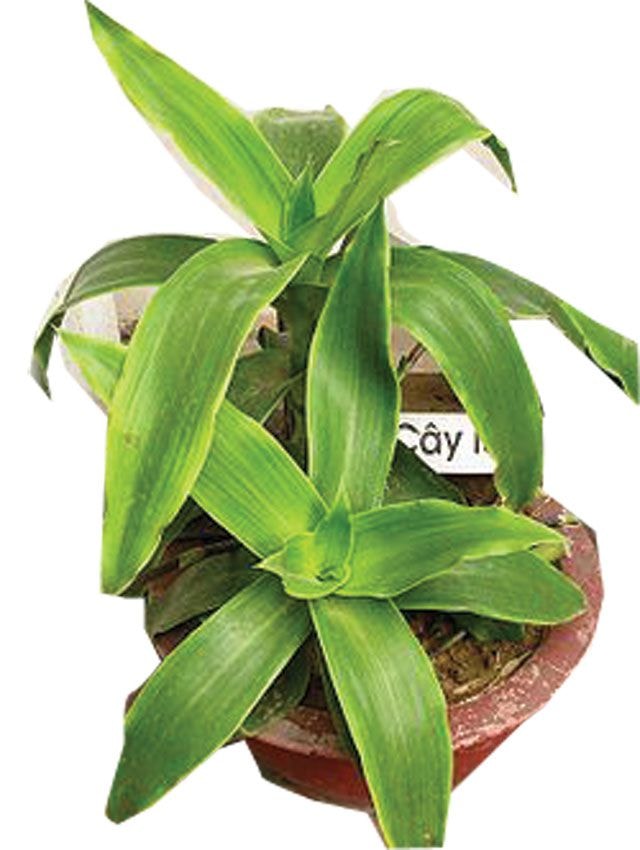 |
When using the LV plant as medicine, choose plants with at least 9-10 nodes or more (not shorter than 20cm) and a dark purple color to maximize the active ingredients. Here are some ways to use it:
For oral use:
Wash the fresh leaves thoroughly, then crush or chew them with a little salt. The usual dose is about 5-10 leaves per day, depending on age and weight.
Finely chop the entire LV plant, dry it in the sun or in a dryer (note that even when dry, the leaves should still retain their green color; do not dry it too much, as the plant will turn yellow and lose its medicinal properties), then boil it to make a decoction with a dose of 15-20g/day.
For topical application in cases of skin diseases, joint inflammation and swelling, sprains, bruises, etc.
The entire plant is sliced thinly, soaked in alcohol or 70% ethanol for several weeks, and the resulting liquid is extracted and used externally.
Cut the LV plant into small pieces, put them all into a pot and mix with enough vegetable oil (coconut oil, peanut oil, olive oil), heat at about 400°C for several hours. Then, filter through a sieve to remove the residue and pour the mixture into a dark glass jar, store in a cool place.
Topical ointments:
Chop the entire LV plant into small pieces, grind it thoroughly, then mix it with petroleum jelly or paste to form a mixture in a 2:3 ratio. Put the mixture in a dark glass jar and keep it in a cool place.
Note that you should not consume LV (Lysium japonicum) at the same time as other medications, especially Western medicine. LV in alcoholic form should not be used by people with liver inflammation or cirrhosis, hypertension or poorly controlled hyperglycemia, or those who cannot tolerate alcohol. LV has a cooling effect, so people with a cold constitution (sensitive to cold, prone to diarrhea) should not drink LV juice in the evening.
For children under five years old, topical application should only be used for certain skin conditions such as prickly heat, allergic dermatitis, etc.
Importantly, patients should consult their doctor before using LV.
According to Alobacsi.vn