
Deep processing: The "key" to increasing the value of seafood in Nghe An.
As seafood harvesting becomes increasingly difficult, dependent on market conditions and weather, many fishermen and businesses in Nghe An have shifted towards investing in advanced processing technology. This approach not only helps increase the value of products but also opens up export opportunities and stabilizes the market for seafood.
Cost pressure on each fishing trip.
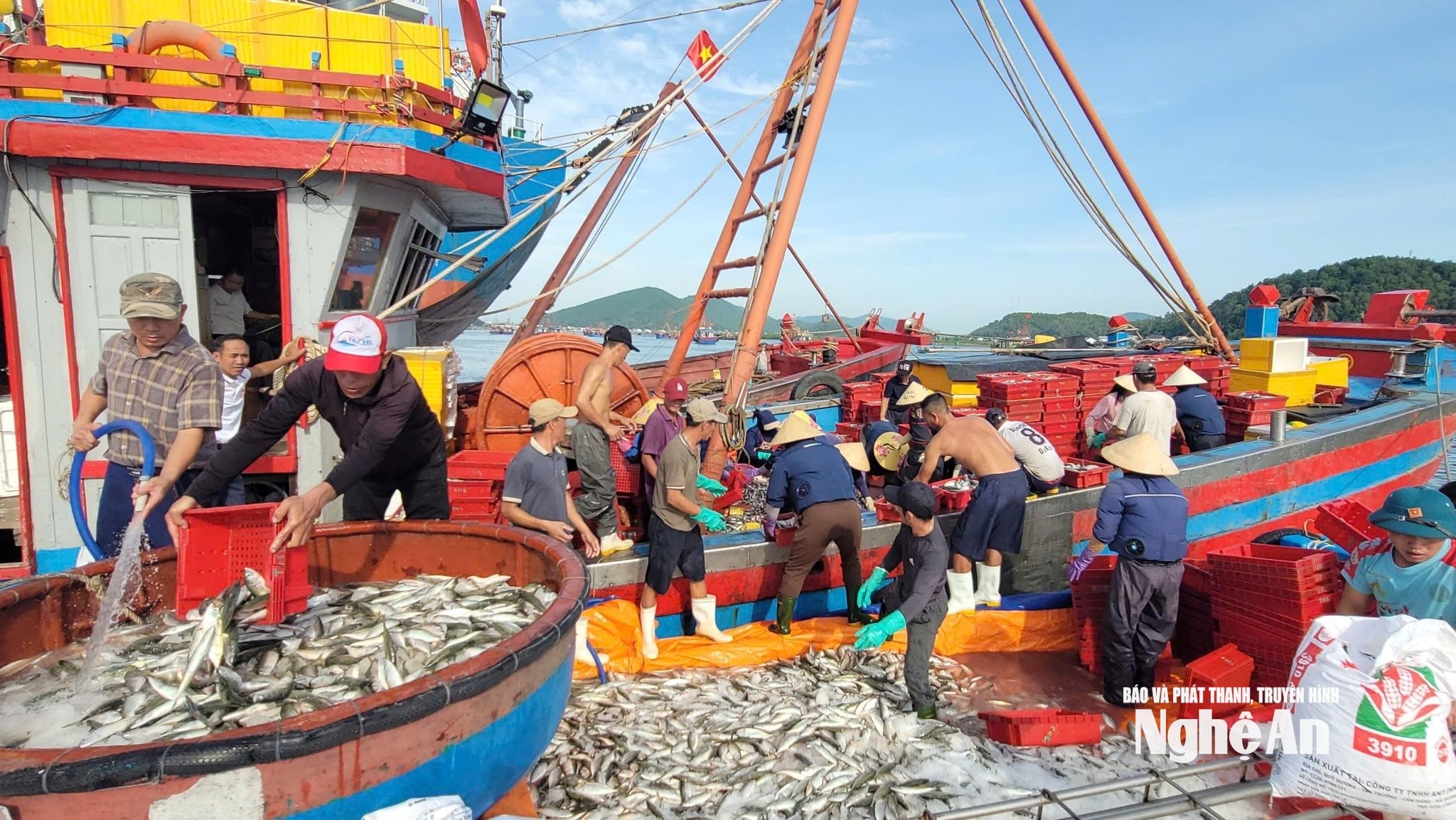
The area encompassing Tan Mai and Quynh Mai wards, along with the fishing ports of Quynh Phuong, Quynh Lap, and Quynh Di, is home to a large concentration of local fishing fleets, comprising over 800 fishing vessels. Many of these are large-capacity vessels that venture far offshore for extended periods in the Hoang Sa and Truong Sa fishing grounds. Investing in large-capacity vessels and modern equipment for offshore fishing has long been a key development strategy to increase production and economic efficiency.
However, in recent years, fishing operations have faced increasing difficulties as costs have risen while catches have decreased. For large vessels, each fishing trip lasts 3-5 days, with fuel, ice, food, supplies, and labor costs alone reaching hundreds of millions of dong. Meanwhile, catches are unstable, with many trips yielding only about 15-20 tons of scad or other small fish; if prices are low, profits are very low, or even result in losses.
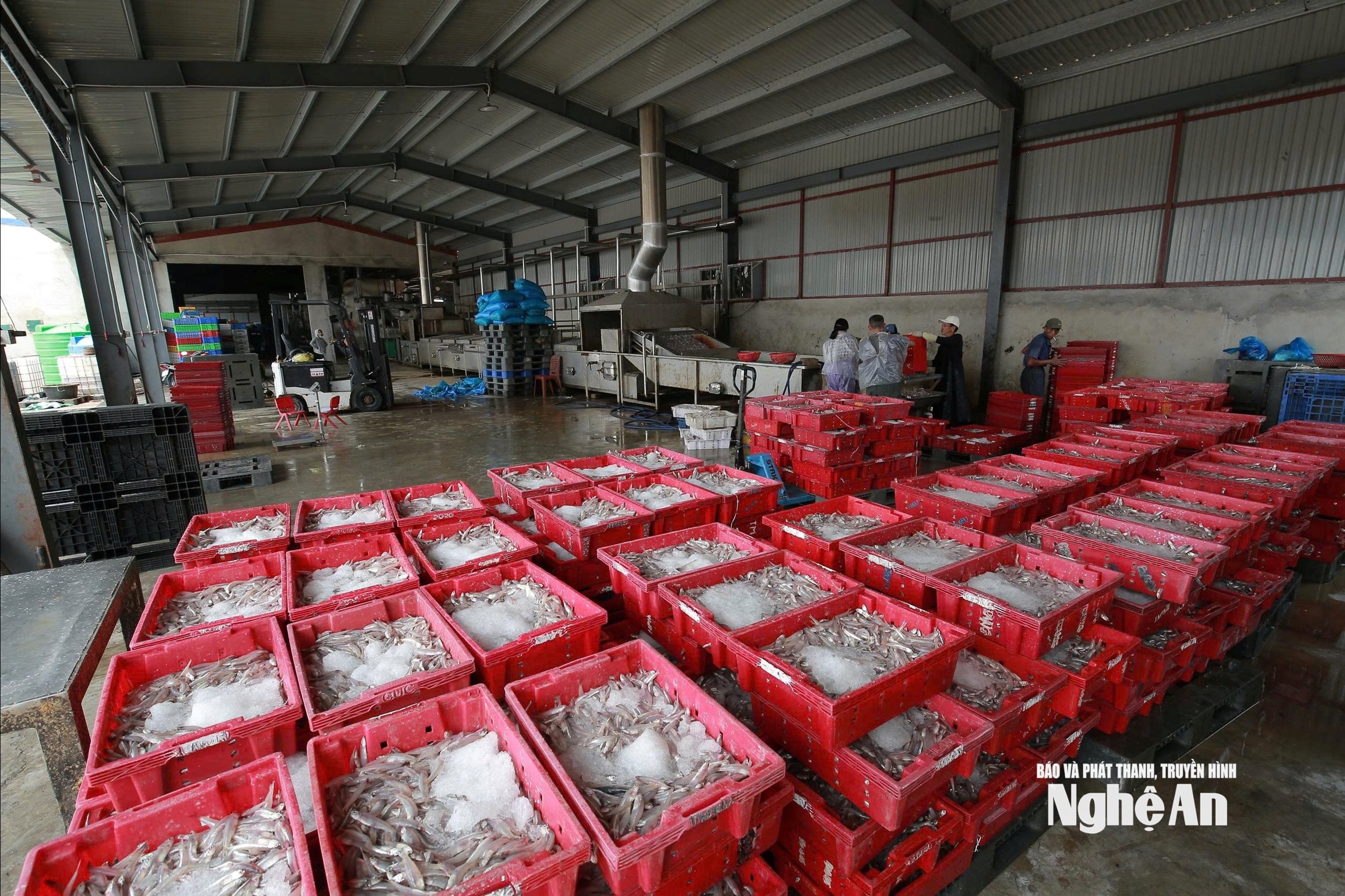
According to boat owner Tran Danh Dong (boat NA 99158 TS, in Tan Mai ward), on average, each 3-day fishing trip yields about 20 tons of scad fish, but when sold to traders at low prices, after deducting costs for fuel, ice, and labor, the profit is negligible.
The difficulties are compounded by the fact that seafood, after harvesting, is primarily consumed fresh and is dependent on traders. When many boats dock at the same time, the large volume of catch leads to a sharp drop in prices. Smaller fish, such as scad, quickly deteriorate in quality if not processed promptly. Previously, most products were dried manually, depending on the weather; rain or lack of sunshine prevented drying, forcing them to be sold fresh at low prices or stored in cold storage, increasing costs. Meanwhile, frozen products have inconsistent quality, making it difficult to meet export requirements and resulting in low added value.
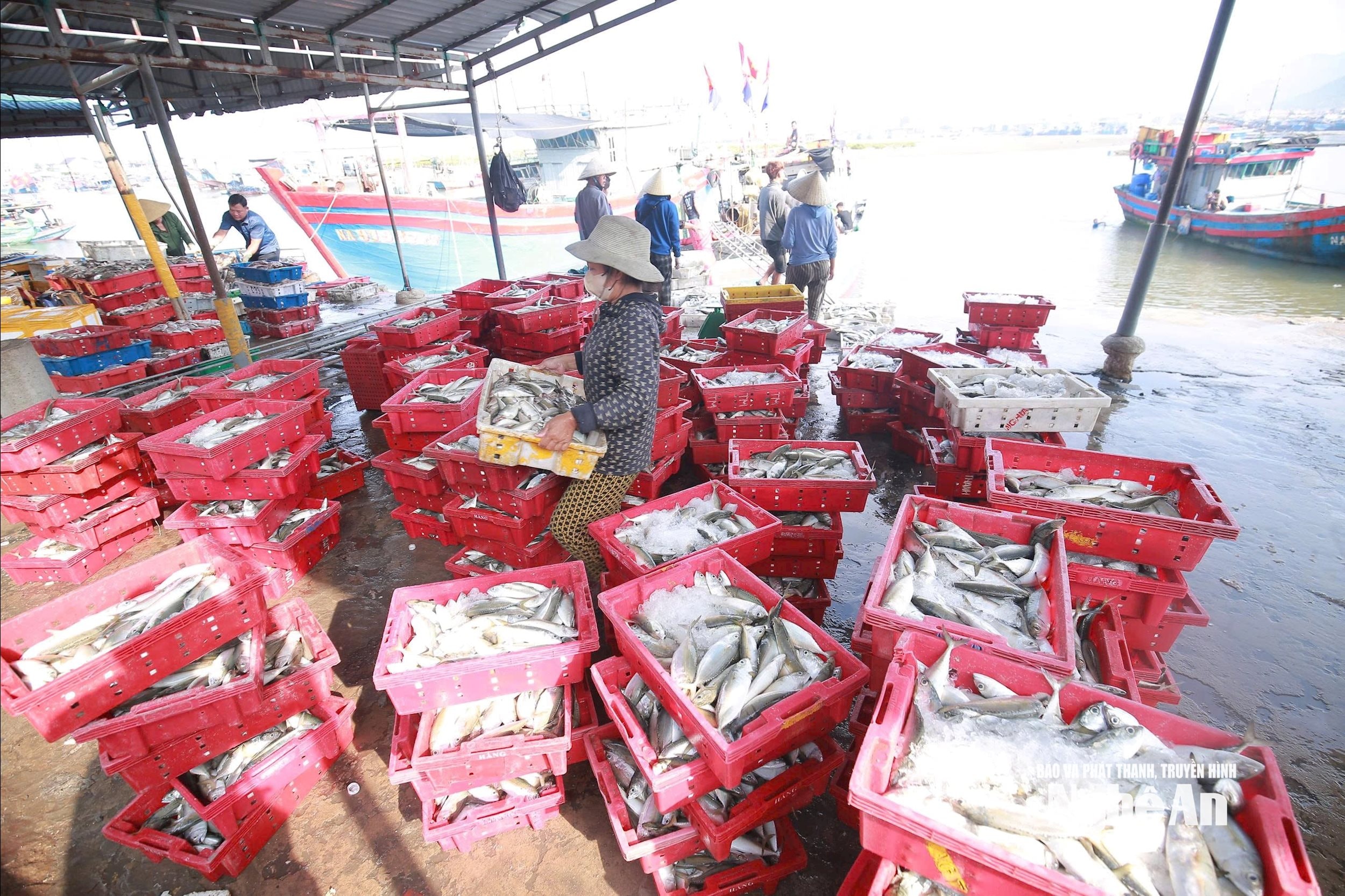
Furthermore, post-harvest processing in the locality is small-scale, mainly involving manual steaming and drying, requiring a lot of labor but resulting in low productivity. When many boats return, the large quantity of fish is not processed in time, leading to accumulation and reduced quality. This means that seafood is mainly consumed as raw material, without deep processing, and its economic value is not high.
This reality necessitates investment in modern processing technology to enhance the value of seafood. With large-scale processing facilities, seafood can be purchased immediately upon arrival, processed using a closed-loop steaming and drying system, regardless of weather conditions; product quality is ensured, shelf life is extended, and export opportunities are opened up. This is also the direction to form a linked chain from exploitation - processing - consumption, contributing to stable output and improved economic efficiency.
Applying technology opens up new avenues for seafood exports.
.jpg)
Faced with numerous shortcomings in seafood consumption, Mr. Tran Phuc Linh (born in 1978), residing in Tan Phong Hamlet, Quynh Mai Ward, invested in a modern processing line. Coming from a family with a tradition of steaming seafood, Mr. Linh spent many years researching processing models in provinces and cities such as Da Nang and Phu Yen. At the end of 2025, he decided to borrow capital to invest in building a seafood processing facility with an automated steaming and drying line.
The factory, built on an area of 5,000 m², has a total investment of nearly 30 billion VND and includes a fish and squid steaming line, cold storage, furnace, power station, water supply system, container parking area, and product showroom. The designed capacity is 3.5 tons of fresh scad fish per hour, equivalent to approximately 1.5 tons of finished product.
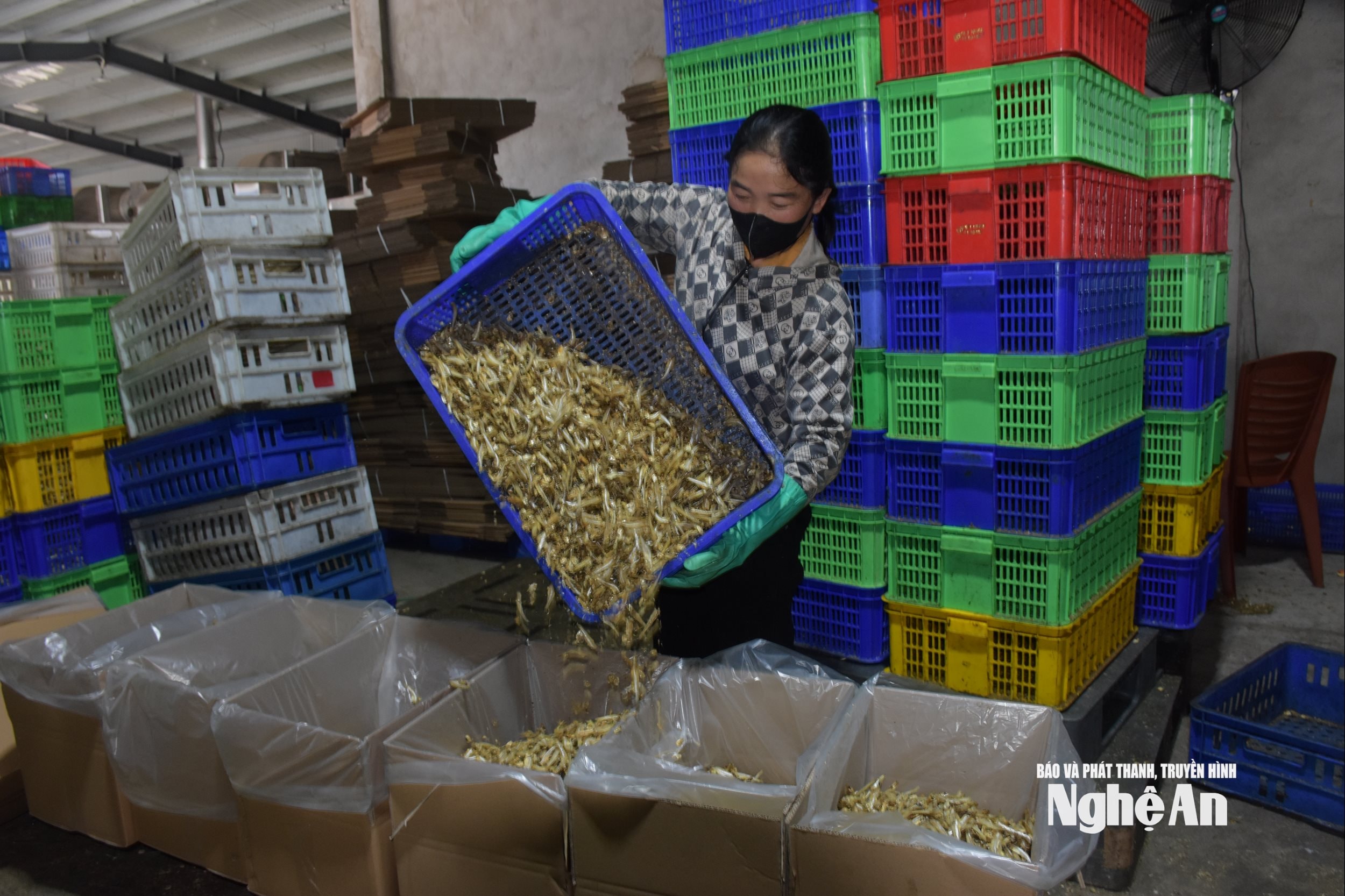
According to Mr. Tran Phuc Linh, investing in a modern production line helps the product achieve uniform dryness, ensures hygiene, and meets the technical requirements of export partners. At the same time, the factory can produce year-round, regardless of weather conditions. In particular, fresh fish is processed immediately after the ship docks, without needing to go through freezing, contributing to reduced costs and maintaining the quality of the raw materials.
Currently, the factory operates with a production capacity of approximately 50 tons of fresh scad fish per day. On average, it exports 15 containers per month, equivalent to nearly 300 tons of finished products, to markets in China, Malaysia, and other countries. To ensure a steady supply of raw materials, the facility has signed product purchase agreements with hundreds of fishing boat owners in the area. The purchase price of fresh scad fish is about 20,000 VND/kg higher than the market price, helping fishermen feel secure in continuing their work at sea.
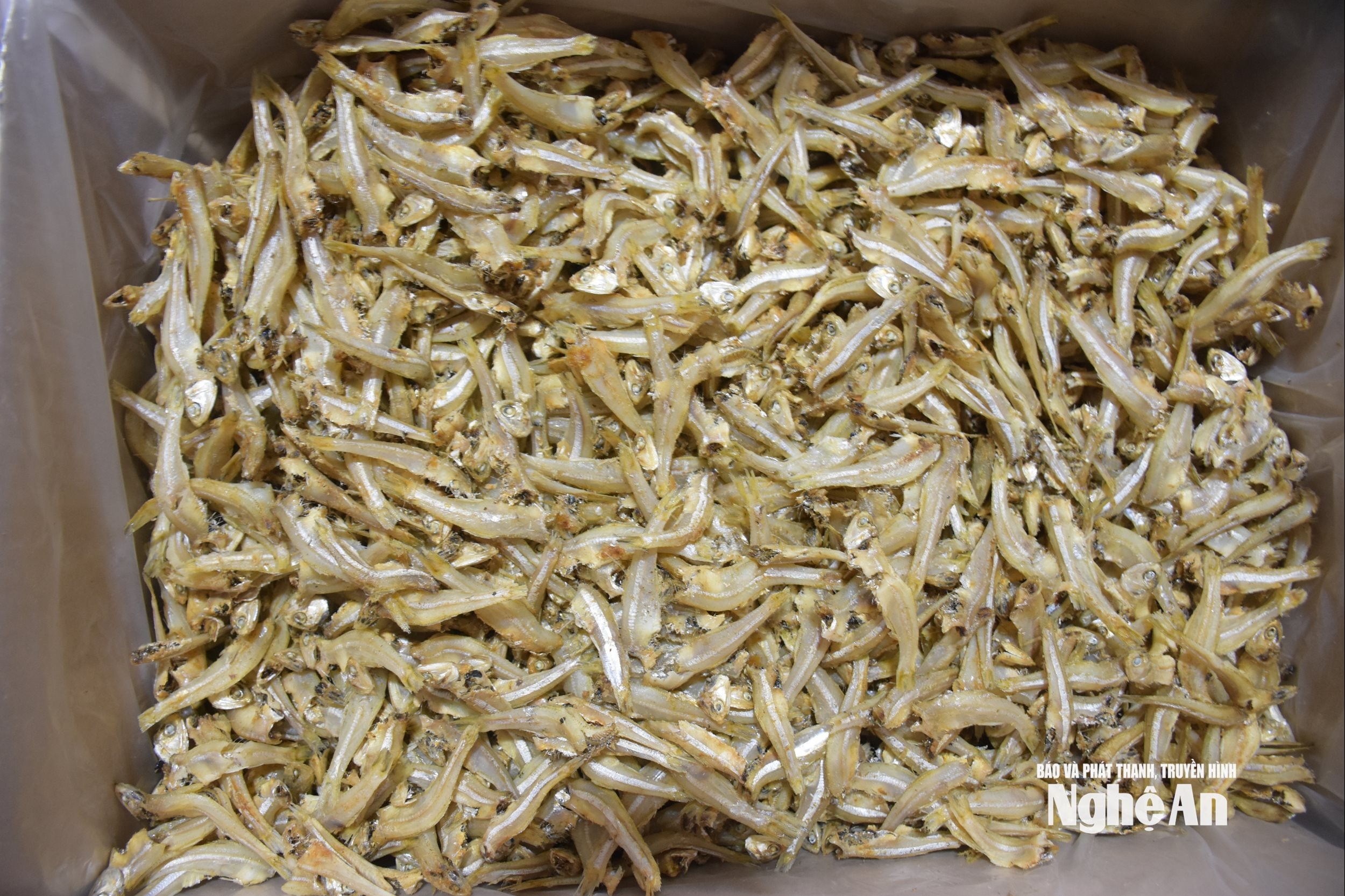
This linkage creates a closed chain from exploitation - processing - consumption, contributing to stabilizing output and increasing the value of seafood. Boat owner Tran Van Hang (boat NA 90158 TS, in Tan Mai ward) happily stated: "The linkage between boat owners and processing facilities has helped stabilize output and reduce dependence on middlemen. When the catch is large, the company buys everything for processing and export, thereby increasing the value of seafood and the economic efficiency of each fishing trip."
Mr. Ho Sy Tung, Vice Chairman of the Tan Mai Ward People's Committee, said: "Investing in a steaming and drying line for export-quality scad fish is a significant step forward in seafood processing in the locality. The factory's operation helps consume a large volume of seafood when ships dock, reducing dependence on weather conditions and simultaneously increasing product value."
Recognizing the role of technology in improving product quality and competitiveness, many businesses have proactively invested in modern machinery and equipment, gradually shifting from manual to semi-automatic production, and eventually to full automation in seafood processing. For example, Quynh Bien Joint Stock Company in Quynh Mai ward has invested in a specialized processing line for value-added products such as peeled shrimp, peeled mantis shrimp, sun-dried squid, grilled fish, etc. Thanks to the application of technology, the production process is standardized, ensuring food safety and consistent quality. Simultaneously, the shift from manual to semi-automatic production increases productivity and reduces costs.
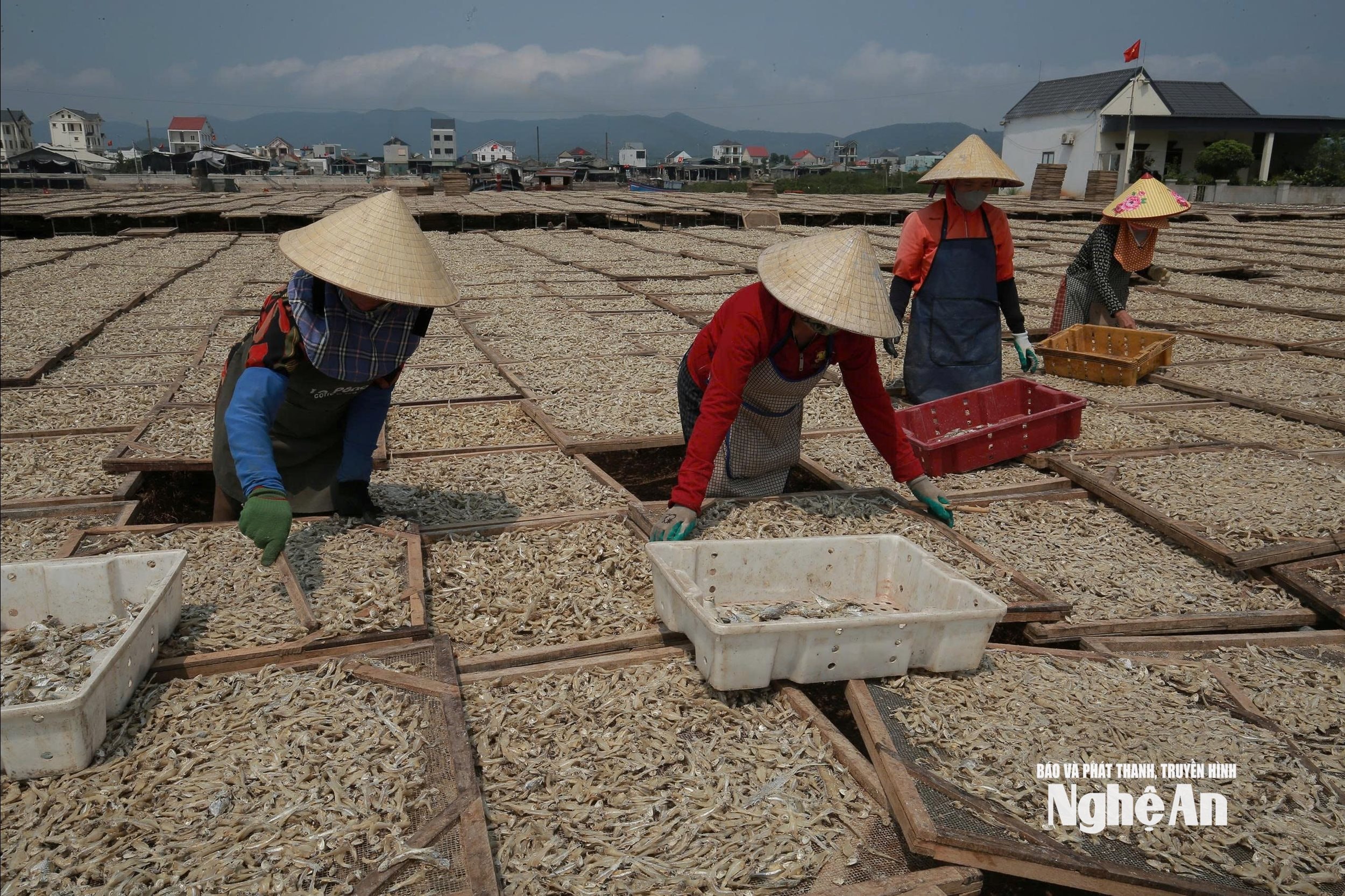
Mr. Ho Manh Hoan, the company's director, stated: "We have identified deep processing and value-added products as our core direction, instead of just purchasing and processing fresh seafood. Thanks to this, our products have gradually approached and conquered the US market – one of the markets with the most stringent requirements." From 2023 to the present, the company has exported many shipments of grilled fish and processed seafood, and continues to expand into other potential markets, especially in Asia.
Throughout the province, Nghe An's seafood processing industry is experiencing strong development in both scale and technology. During the 2021-2025 period, many large-scale processing plants were invested in the Nam Cam Industrial Park, enhancing export processing capacity. Currently, the province has many large seafood processing enterprises, some of which have met export standards for the EU, China, and ASEAN markets.
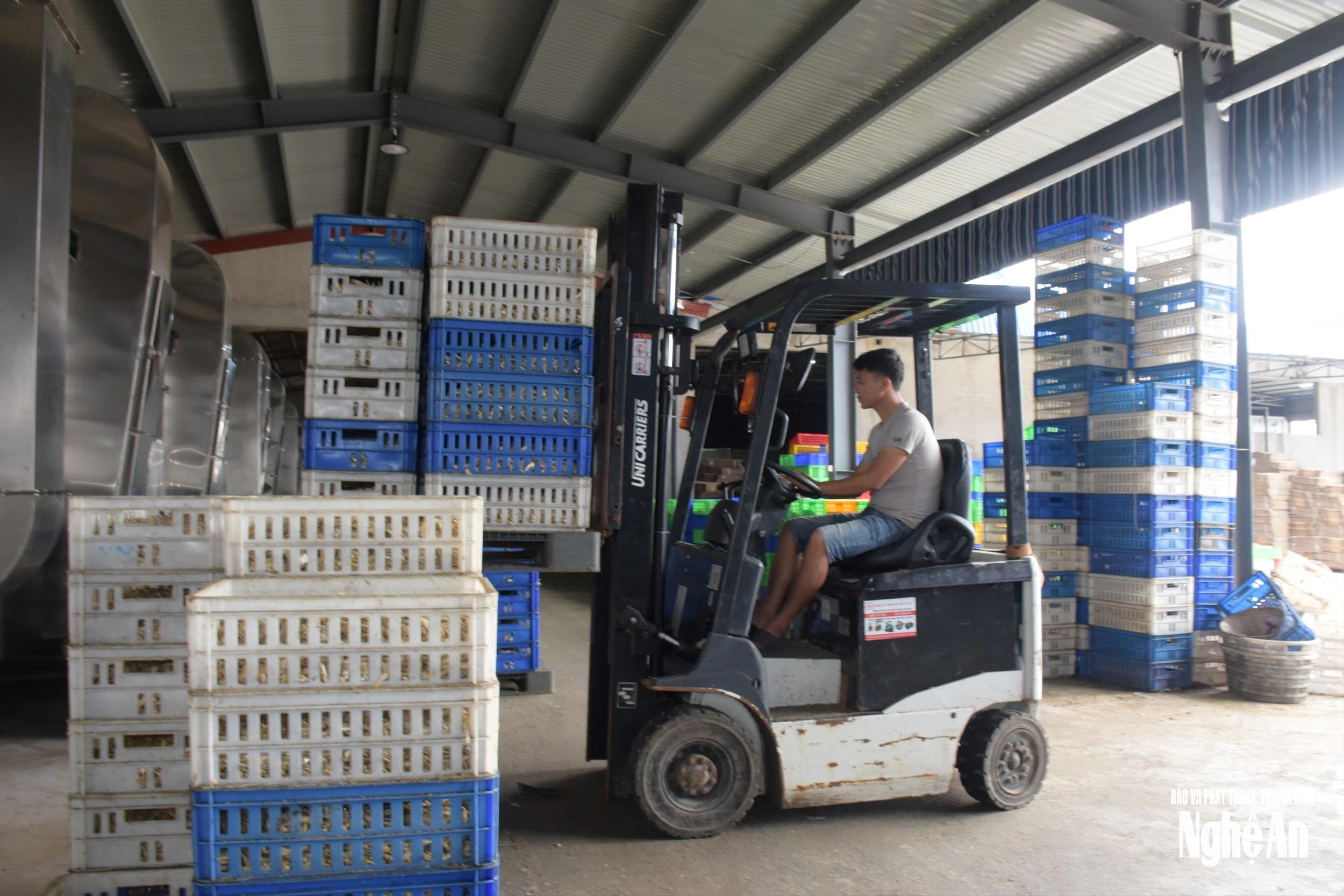
In addition, domestic seafood processing has also developed rapidly, with approximately 835 establishments and households participating in purchasing, processing, and trading. This activity contributes to the consumption of harvested products, promotes the shift in the rural economic structure, and creates stable jobs for people, with an average income of 5-10 million VND/person/month.


