
How to give children pocket money without spoiling them?
Depending on a child's personality, you can give them pocket money early or late, but the best time to let them spend money is when they are in middle school.
Needed for personal expenses
All their friends have pocket money, but their son doesn't. Seeing their son isolated among his friends, afraid to eat out or drink when thirsty, Hai Nguyen and her husband (District 3, Ho Chi Minh City) felt a pang of worry. Their son is at a crucial stage of psychological development, and the small frustrations of not having money like his friends sometimes make him angry with his parents. She wanted to give him money, but her husband objected, fearing he would become spoiled and engage in mischief. The issue of whether or not to give their son money became a heated debate in the family.
She simply thought that her son was 12 years old, he already had small relationships and needs, so a small amount of money for him was essential. What mattered was how she guided him in spending money and taught him to value it. After much negotiation, she and her husband finally agreed to give their son 10,000 dong daily for personal expenses. This amount was just enough for him to manage his daily needs.
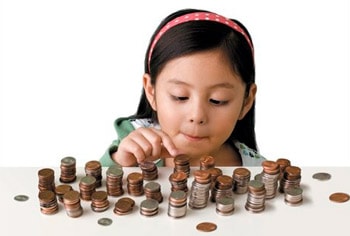
Don't be strict with the idea that giving children pocket money will spoil them. On the contrary, it's a way for children to learn about spending, managing, and becoming independent when they have money. Depending on the child's personality, you can give them pocket money early or late, but according to psychology experts, the best time to let children spend money is when they are in middle school. This is when children need to manage many personal expenses and also when they understand the value of money more.
Learn to value money.
If you give your child a regular weekly allowance, they can save up to buy things they really need, learn how to manage money, and create a spending plan. With a fixed amount of money, children will be able to manage it themselves, and if they want to buy something more expensive, they will learn to save and accumulate money.
Don't let your children think that they can get money just by asking. Money isn't easy to earn. Therefore, if possible, teach your children the lessons of "giving and receiving" so they appreciate money. When children do chores like cleaning their room, cooking, folding clothes, etc., you can reward them so they understand that they have to work to earn money; money isn't like a leaf you can pick up anywhere. However, this "giving and receiving" approach should be limited because it can easily lead children to believe that you have to pay them for doing chores.
Most importantly, you should guide your child towards saving money. If an expensive item can't be bought today, the child must learn to save and accumulate money to buy it. Careful budgeting is an essential life skill, not only in managing money but also in everyday life.
According to Young Family - NT



;)