
Converting rice paddy land for construction: Agreeing for the sake of development.
(Baonghean.vn) - 2nd Session of the Provincial People's CouncilNghe AnlockXVIIConsider issuing a Resolution on changing the land use purpose of rice cultivation land and protective forest land for the implementation of investment projects in the province.Nghe An Newspaper has recorded some opinions from various levels, sectors, and delegates regarding this issue.
* Mr. Dinh Viet Hong – Vice Chairman of the Provincial People's Committee: The conversion is necessary.
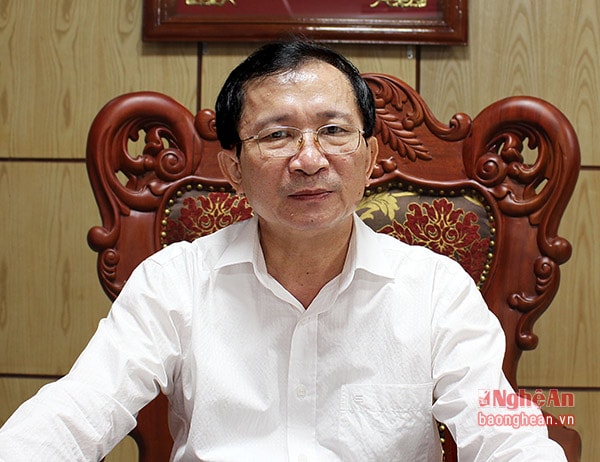 |
| Mr. Dinh Viet Hong - Vice Chairman of the Provincial People's Committee. |
According to the Land Law, projects and constructions that require the use of rice paddy land, special-use forest land, or protection forest land must be authorized by the competent authority to change the land use purpose. The law allows for the conversion of rice paddy land under 10 hectares and special-use forest land under 20 hectares, which falls under the authority of the Provincial People's Council. The Department of Natural Resources and Environment has reviewed the projects and constructions, ensuring they are well-prepared for the council's consideration and approval at this session.
The conversion of land use from rice paddies and protective forest land falls under the authority of the Provincial People's Council. Therefore, this time, the Provincial People's Committee is submitting to the Provincial People's Council for approval 144 projects requiring the conversion of 242.39 hectares of rice paddies and protective forest land, including 208.61 hectares of rice paddies and 33.78 hectares of protective forest land. This area is determined after reviewing Resolution No. 196/NQ-HĐND of Nghe An province (dated December 20, 2015) on the conversion of land use from rice paddies, protective forest land, and special-use forest land for investment projects in Nghe An province.
*DeputyHoang Nghia Hieu – Deputy Director of the Department of Agriculture and Rural Development: Densuring food security
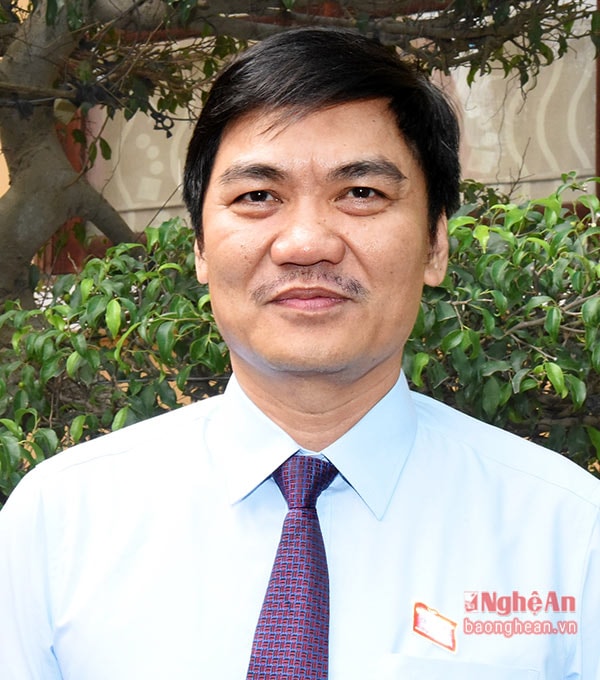 |
| Mr. Hoang Nghia Hieu - Deputy Director of the Department of Agriculture and Rural Development |
Along with converting rice land to other projects to ensure socio-economic development, from now until 2020, Nghe An also plans to convert 5,457 hectares of rice land to other crops and combine it with aquaculture. This reality necessitates principles and objectives to ensure food security.
The conversion of rice land in Nghe An is also being carried out on the basis of considering that it will not affect food security. From another perspective, the conversion is also a way to cope with the impacts of climate change, market prices, etc.
Thus, by 2020, the area (of rice cultivation) decreased by about 7,500 hectares, but food security was still ensured, and the production of some other agricultural products increased significantly.
Based on this, the agricultural sector closely coordinates with local authorities at all levels to strengthen the review of land resources, develop conversion plans in localities and units; quickly introduce scientific and technological advancements, especially advancements in seeds, into production, promote mechanization for farmers in production and livestock farming; and effectively implement support policies.
At the same time, it is encouraged to promote cooperation and linkages in agricultural production and consumption, develop large-scale farming areas, and reduce post-harvest losses...
* GrandfatherVo Hoang Thach - Vice Chairman of the Vinh City Farmers' Association:Pay more attention to farmers whose land has been confiscated.
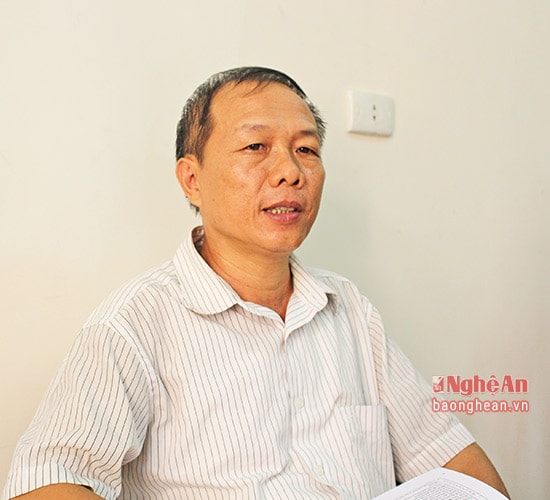 |
| Mr. Vo Hoang Thach. |
Over the past three years, the rate of agricultural land reclamation in Vinh City has been very high, with approximately 400-600 hectares reclaimed annually, about 10 times more than before (during the 2007-2012 period, only 50-60 hectares of agricultural land were reclaimed each year). The reclaimed land is mainly concentrated in the construction of key state projects such as urban renovation (WB), the 72m road from Vinh to Cua Lo, and the 35m road from National Highway 46 to the Lam River embankment...
The reclamation of rice paddy land has helped Vinh City develop its infrastructure significantly, transforming it into a central hub for the North Central region. This has led to improvements in infrastructure, facilities, and housing for residents, making them more beautiful and modern. However, it has also raised several issues for the city, such as job retraining, employment opportunities, and agricultural production. The rapid pace of urbanization has been slow, while the rate of job retraining for farmers has not kept up, resulting in unemployment for many, especially agricultural workers aged 40 and above. Furthermore, issues of public safety and security have become more complex. Another difficulty is that urban retraining has disrupted irrigation, transportation, and agricultural infrastructure, rendering many areas unusable. Relevant authorities need to implement better policies to ensure the livelihoods of people affected by land reclamation.
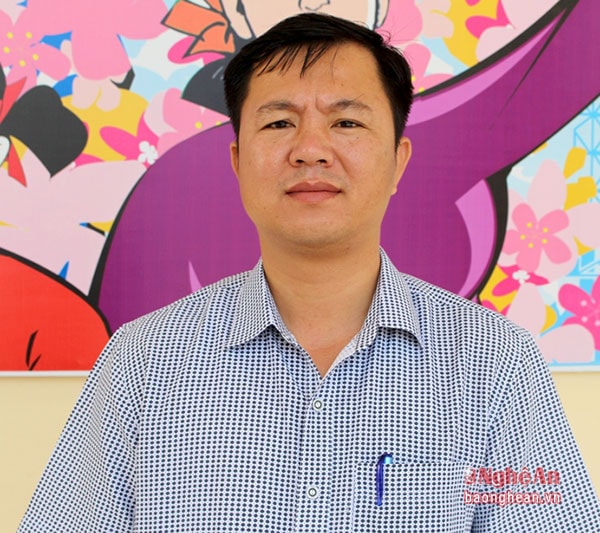 |
| Mr. Ho Nghia Duong |
*Mr. Ho Nghia Duong - Chairman of the People's Committee of Quynh Hong commune (Quynh Luu district):Create a more decent trading environment for the people.
Given the cramped conditions of the Quỳnh Hồng commune office, which currently uses a row of single-story buildings constructed over 40 years ago for work and transactions with the people, the commune is requesting an amendment to the 2020 planning and a plan to utilize approximately 6,000 square meters of rice paddy land in Hamlet 6 for the construction of a new commune office. If the Provincial People's Council approves the conversion of some rice paddy land for the construction of the office, the government and people of Quỳnh Hồng commune will be very pleased. This will provide the commune with a better working environment and a more decent place for people to conduct transactions. In addition, several projects requiring expansion of their premises, such as the District Police headquarters, the Social Insurance office, and the relocation of the District People's Court to a new location, are also awaiting approval from the Provincial People's Council.
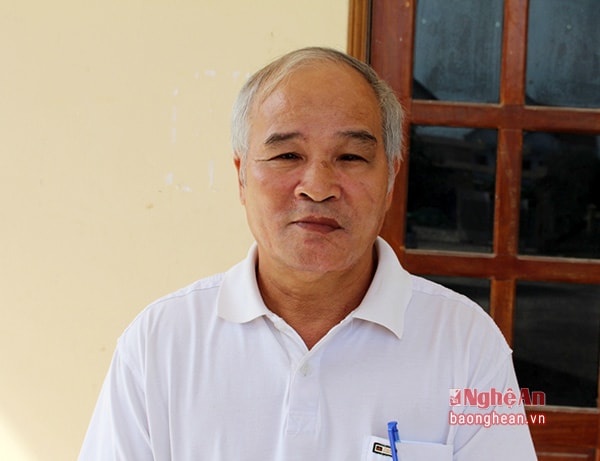 |
| Voter Nguyen Thanh Hai |
*Voter Nguyen Thanh Hai - Hamlet 7, Quynh Hong Commune:We agree for the development of the community.
We fully agree with the Resolution on converting rice paddy land for the construction of infrastructure and investment projects in the area. Currently, the commune's office is extremely cramped, with a shortage of office space, affecting our work.
If the commune headquarters is built with a standard design, it will have a significant impact on the economic development of the commune, making it easier and more efficient for officials and residents to conduct business.
Some rice paddy land areas are planned for conversion to other construction projects; if approved, we voters agree to promote the development of these projects. For the remaining areas, we focus on improving the yield and quality of crops to avoid a decrease in income...
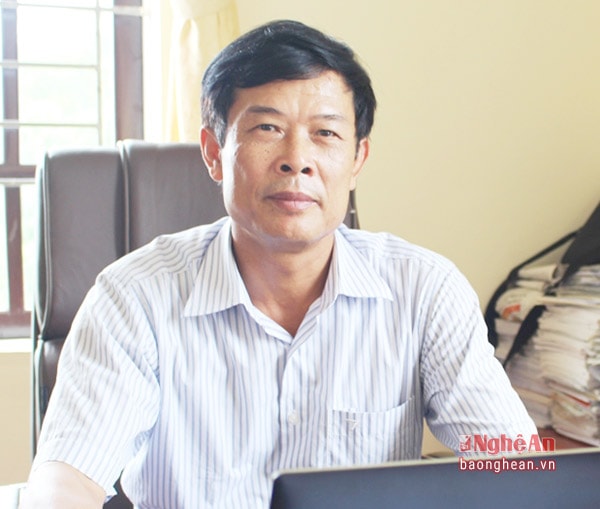 |
| Mr. Ho Van Hoa |
*Mr. Ho Van Hoa - Chairman of the People's Committee of Quynh Hau Commune:
Land conversion is also the wish of the people.
In Quynh Hau commune, approximately 2.52 hectares of rice paddy land are proposed to be converted into residential plots in hamlets 3 and 9 for households in need of housing.
If the Resolution submitted to the Provincial People's Council is approved, it will create conditions for the locality to reclaim land and submit prices for bidding, and subdivide residential land for households in need of housing. This is also the aspiration of the people in the area when they need to separate households and improve their living conditions.
Prepared by: Tran ChauButViet Hung


