
Opportunities go hand in hand with challenges!
The new Generalized System of Preferences (GSP) of the European Union (EU), effective from January 1, 2014, will facilitate access to the EU market for goods from developing countries, including Vietnam. However, significant challenges remain for businesses.
The new Generalized System of Preferences (GSP) of the European Union (EU), effective from January 1, 2014, will facilitate access to the EU market for goods from developing countries, including Vietnam. However, significant challenges remain for businesses.
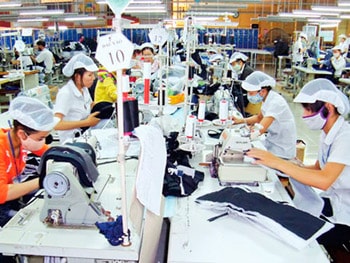
According to Mr. Bui Thanh Son, Deputy Minister of Foreign Affairs, compared to the current system, the revised GSP has stricter regulations, reducing the number of countries and territories eligible for GSP status from 176 to 89, divided into two groups. The group of 49 least developed countries enjoys "all but weapons" status. Vietnam, along with Thailand, the Philippines, and Indonesia, belong to the group of 40 low- or lower-middle-income countries that enjoy preferential tariffs on specific product groups – as stipulated by the EU.
Ambassador Franz Jessen, Head of the EU Delegation to Vietnam, believes that the strong increase in Vietnamese exports to the EU is partly due to the benefits of the GSP scheme. For example, approximately 49% of Vietnam's footwear exports to the EU market benefit from GSP preferential tariffs. The new GSP scheme, effective from 2014, will allow many export products, including footwear, to enjoy more favorable tariffs, thus boosting exports of traditional Vietnamese goods.
In the first six months of the year, the EU was Vietnam's largest export market, reaching a turnover of $11.6 billion. The new GSP scheme that the EU is about to implement will "unleash" many important Vietnamese export products.
| Mr. Truong Dinh Tuyen Former Minister of Trade: The procedures for obtaining GSP benefits are very strict, limited to certain products and requiring acceptance by GSP-supported countries. Furthermore, GSP benefits often come with certain non-economic conditions, and the GSP product categories and tariff rates are not fixed... |
However, the EU will apply a "maturity" mechanism whereby a product category or group of products will no longer be eligible for preferential tariffs if its market share exceeds 17.5% (14.5% for textiles and garments) and is deemed competitive. The challenge for Vietnam will increase significantly.
According to Mr. Tran Ngoc Quan, Deputy Director of the European Market Department (Ministry of Industry and Trade), because many developing countries with a higher level of development than Vietnam will no longer benefit from GSP, the market share of goods imported from Vietnam will increase significantly and easily reach a "mature" level.
According to estimates by the Ministry of Industry and Trade, Vietnam's key export goods under the new regulations will comprise three groups: those reaching maturity (coffee, tea and spices, seafood, footwear, etc.), those at risk of reaching maturity or being subject to safeguard measures (plastics and garments), and those likely to enjoy stable preferential treatment (wood, charcoal, textile raw materials, electronics including telephones, and other items).
According to baocongthuong - PH


