
Export opportunities to Africa
The Department of African, West Asian, and South Asian Markets (Ministry of Industry and Trade) has just identified several Vietnamese products that have opportunities for expansion.exportto Africa due to the increasing import demand from these countries.
Among the products that have shown strong export growth to the African market are seafood andtextilesImport demand is increasing because in most African countries, the aquaculture industry, especially freshwater fish farming, is underdeveloped. On the other hand, catfish are becoming increasingly popular due to their perceived low cholesterol content.
Similarly, in many African countries, the textile industry remains underdeveloped despite abundant cotton resources. With the growing population and income of Africans, the continent will become a promising market for textiles. In the first quarter of 2013, the value of seafood exports to Africa reached US$30.3 million, a 15% increase compared to the same period last year.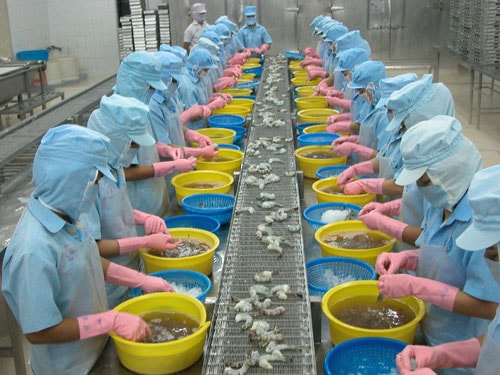
However, the obstacles in this market are that sea shipping takes about 40 days, and the lack of direct flights makes exporting goods difficult.aquatic productsThe fresh seafood market faces many difficulties. Furthermore, the payment capacity of most African importing businesses is low, and online trade fraud still occurs in some West African countries, leading to concerns for Vietnamese businesses when accessing this market. Some countries such as Morocco, Egypt, Algeria, Nigeria... apply high import taxes and require certain documentation such as consular confirmation (Egypt) and certificates from the Nigerian Standards Organization (SONCAP) for imported seafood.
For commercial contracts, the terms of the contract are determined by the Vietnamese side.
For textile and garment businesses in particular, it is necessary to understand and grasp the customs, business culture, import and export regulations, and payment methods. In addition, businesses can consider investing in some major markets in Africa to take advantage of cheap and readily available labor and raw materials to produce textiles and garments for domestic consumption and export, as most African countries enjoy preferential tariffs when exporting to the EU and the US.
According to Bao Thanh Nien - PH


