WORKS OF THE PEOPLE'S WILL
After traveling over 800 km, we – the people of Nghe An province – arrived in Gia Lai province during the sunny days of late March. Passing through the center of Pleiku city, home to the Great Unity Square with its unique feature – recognized by Guinness Vietnam as having the "Largest Bronze Statue of President Ho Chi Minh" – the emotions of the people of Nghe An overwhelmed us.
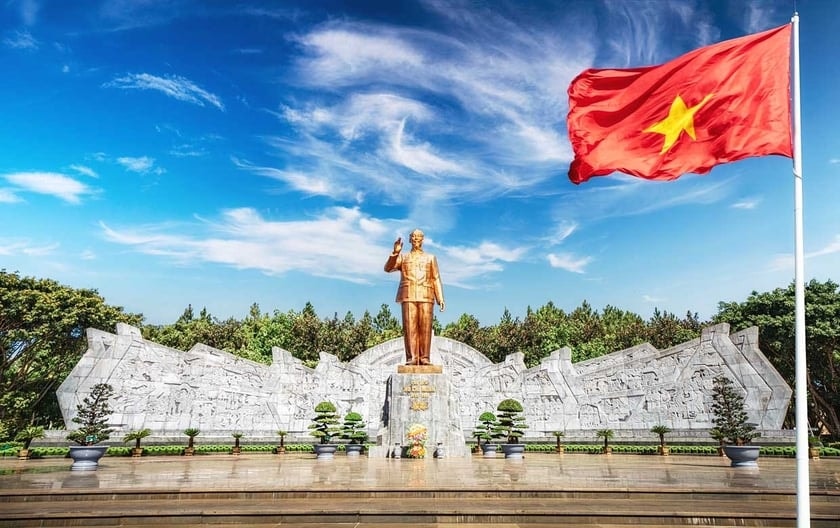
After more than 10 years since its completion and opening, the Great Unity Square and the monument "Uncle Ho with the Ethnic Groups of the Central Highlands" have become a must-see destination for anyone visiting the sunny and windy land of Pleiku.
Beyond its architectural significance, this has become a "sacred site" witnessing many cultural and historical events of the Central Highlands; it is also a structure that expresses the respect and gratitude of the local people towards beloved President Ho Chi Minh.
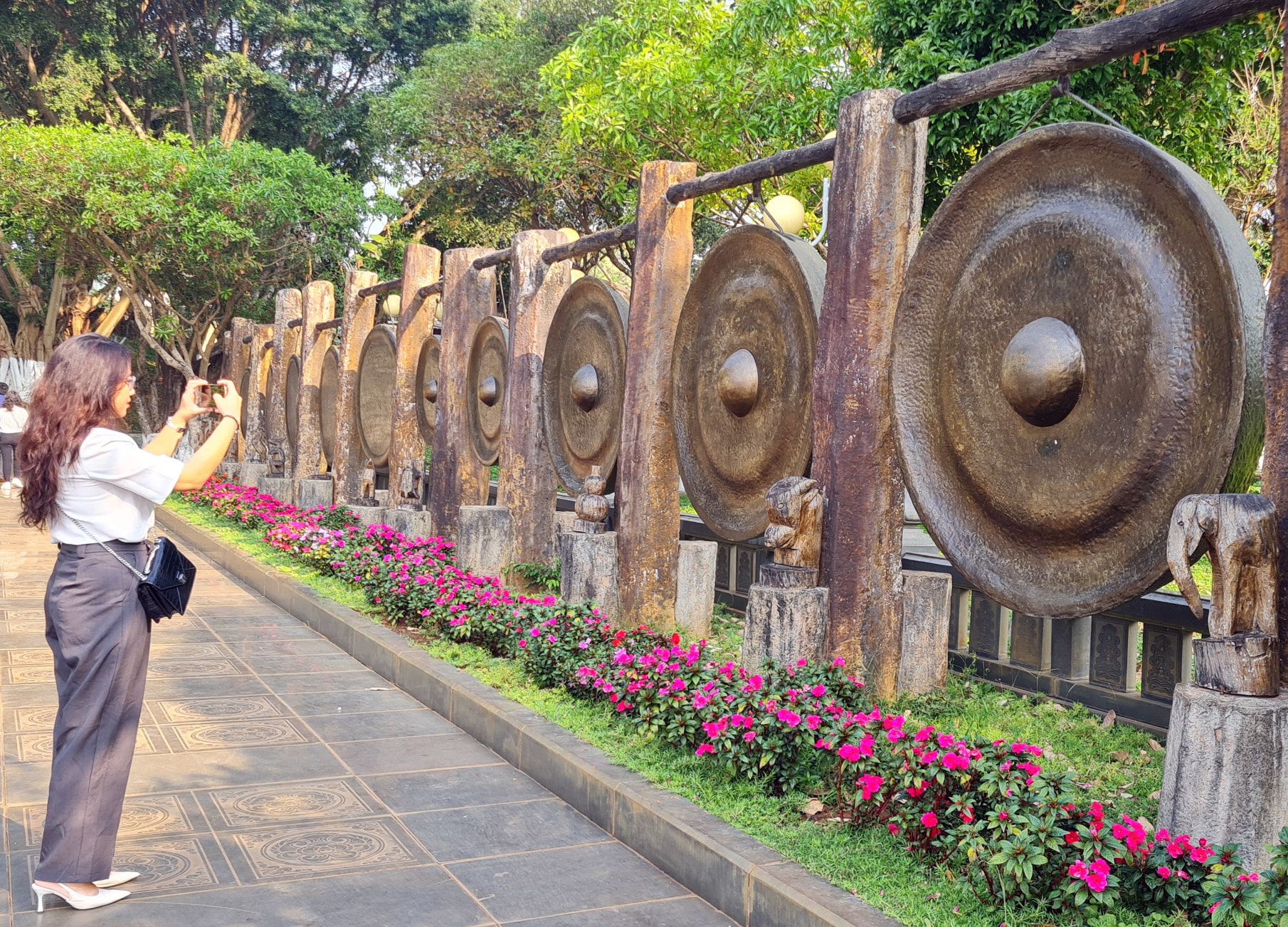
Perhaps it is because of this special sentiment that the Great Unity Square also possesses many remarkable records? After its completion and commissioning, Guinness Vietnam recognized it as having the "Largest bronze statue of President Ho Chi Minh" made using modern forging technology (10.8m high); the "Largest set of gongs"; and the "Largest stone relief" (600m2). The Ministry of Construction awarded the project a Gold Medal for quality; and the Central Propaganda Department awarded the square a first prize for the project "Studying and following the moral example and style of Ho Chi Minh"...
Understanding these values, on March 17, 2023, the People's Committee of Gia Lai province announced the Decision and awarded the Certificate of Ranking as a Provincial-level Historical Site and Scenic Landscape to Dai Doan Ket Square (Pleiku city). This is an important milestone to further affirm the role and significance of this special project.
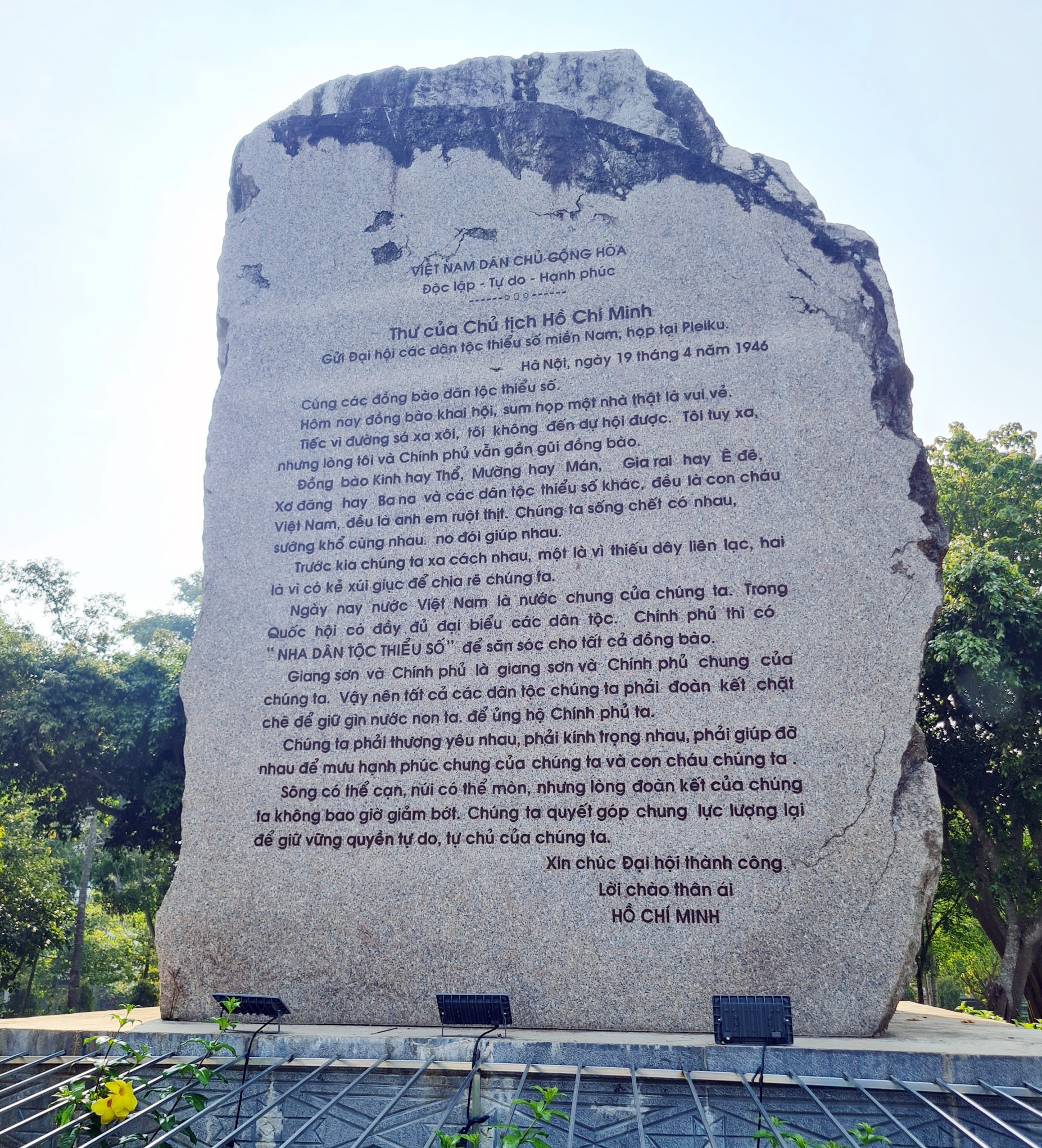
Another unique feature that captivates countless visitors is the letter "President Ho Chi Minh to the Congress of Ethnic Minorities in Southern Vietnam" from 1946, carved into a stone weighing over 100 tons. The words inscribed on the stone are concise but full of love and deep concern for the ethnic minorities in Southern Vietnam and the Central Highlands.
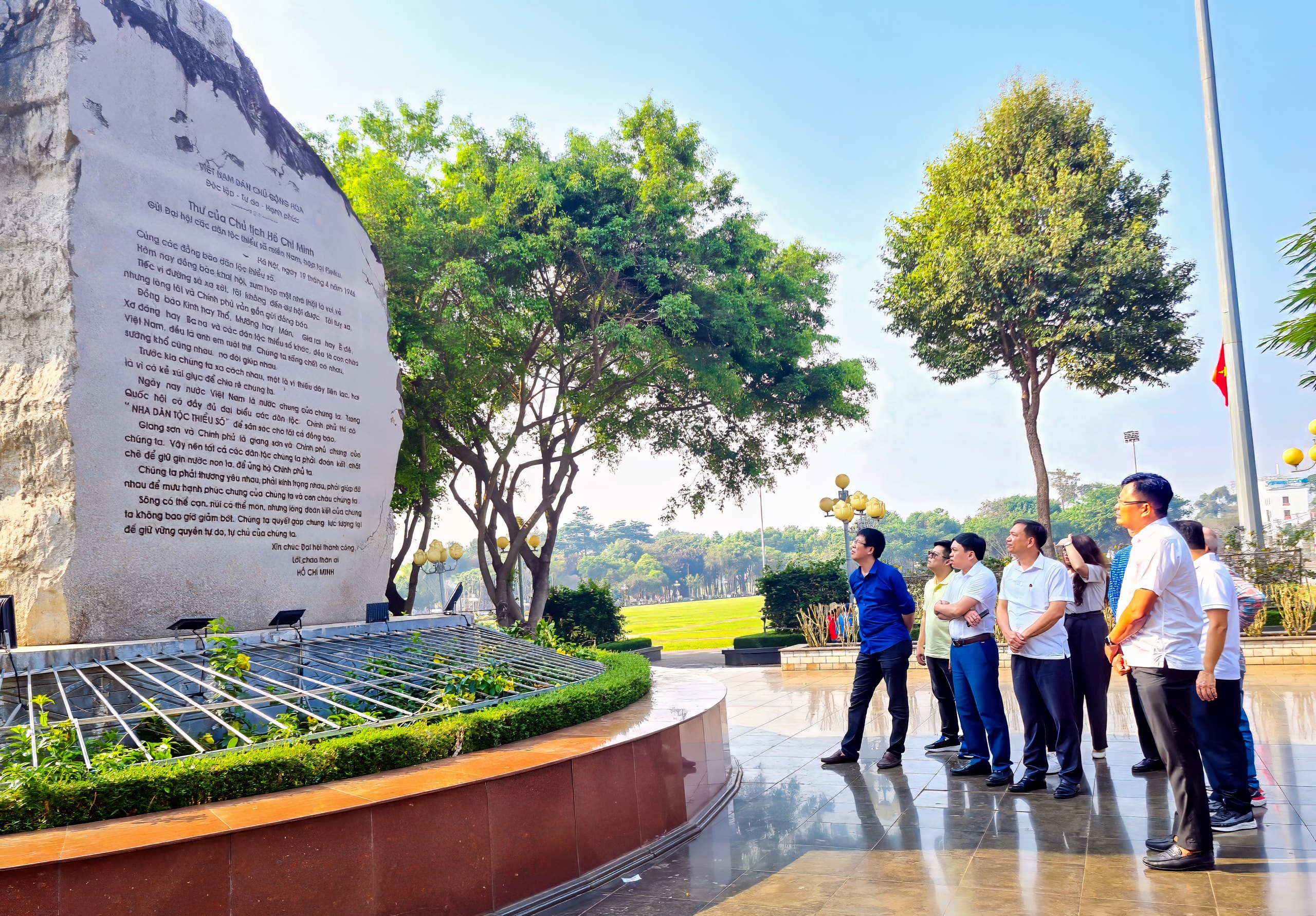
The overarching theme in Uncle Ho's letter is the spirit of national unity: "Whether Kinh or Tho, Muong or Man, Gia Rai or Ede, Sedang or Bana, and other ethnic minorities, we are all descendants of Vietnam, all brothers and sisters. We live and die together, share joy and sorrow together, help each other in times of plenty and scarcity." Every paragraph and every sentence of Uncle Ho's letter addresses the issue of national unity to counter the enemy's divisive schemes. The words "we" and "us" are repeated many times to affirm and emphasize a commonality, a truth that unity creates strength.
Bearing in mind President Ho Chi Minh's teachings, the people of the Central Highlands have always been united, taking him as their spiritual anchor to overcome all difficulties and hardships together. This spirit of unity has made a significant contribution to gradually building a stronger and more prosperous Central Highlands.
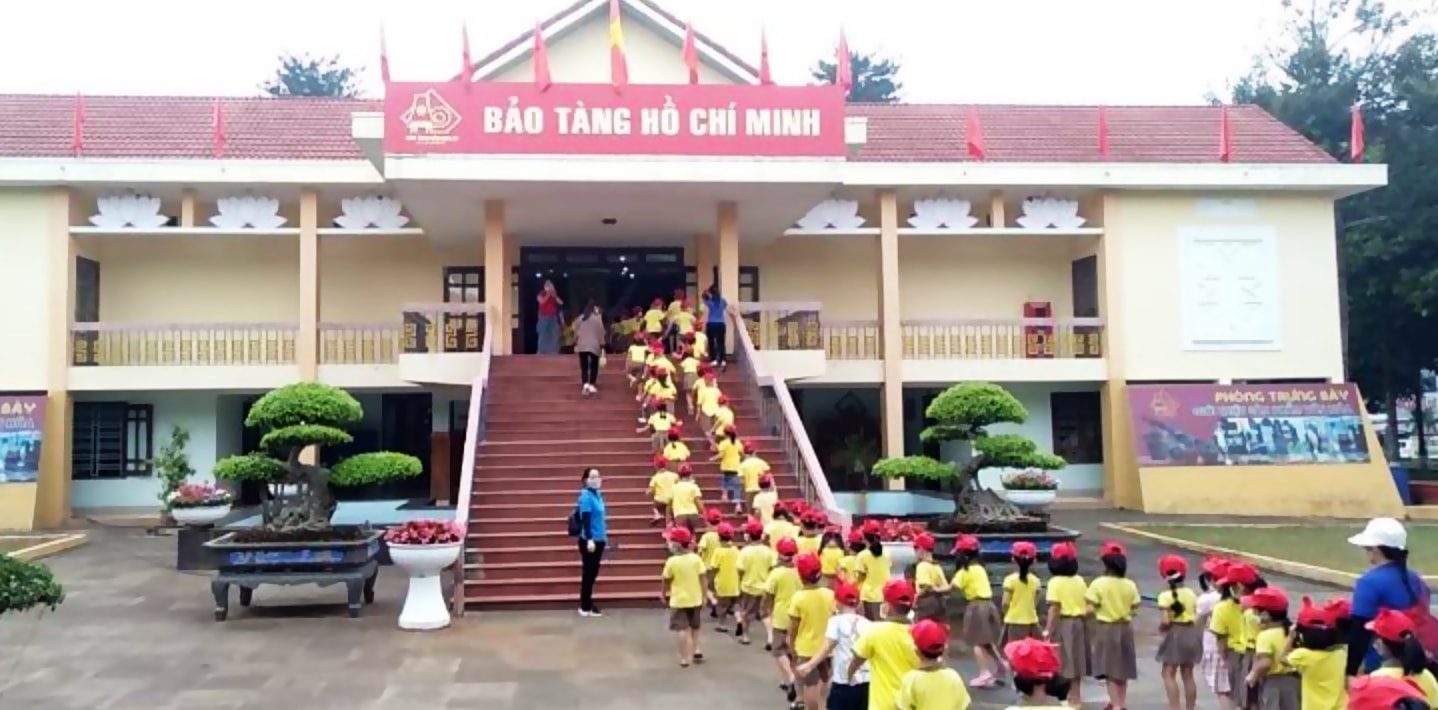
In addition to the significant structures mentioned above, Gia Lai province is also the only place in the Central Highlands that preserves the ideological values of President Ho Chi Minh through images, documents, and artifacts, affectionately and intimately known by the people of the mountain town as "Uncle Ho's Memorial House," a name closely associated with the childhood and memories of many generations. This house is now called the Ho Chi Minh Museum, located within the Gia Lai Provincial Museum, and has been in operation since 1984.
Viewed from a distance, the museum resembles a communal house (nhà rông), a characteristic architectural style of the ethnic groups in the Central Highlands. The museum's exhibits are organized into eight themes, introducing the homeland, family, and career of President Ho Chi Minh, as well as his affection for the people of the Central Highlands in a holistic and comprehensive manner.
The museum also displays a number of unique images and artifacts that deeply portray the feelings of the people of the Central Highlands in general, and Gia Lai province in particular, towards President Ho Chi Minh. These feelings reflect their longing, respect, and gratitude for the leader who wholeheartedly dedicated himself to the country and its people. This unique combination allows the Ho Chi Minh Museum in the Central Highlands to share the common features of museums dedicated to President Ho Chi Minh nationwide, while also possessing its own distinctive characteristics.
IGNITING LOVE FOR UNCLE HO IN THE RHYTHM OF EVERYDAY LIFE
On breezy mornings in the mountain town of Pleiku, tourists often stroll to the Great Unity Square and the complex of buildings there to experience the peaceful, simple yet vibrant atmosphere.
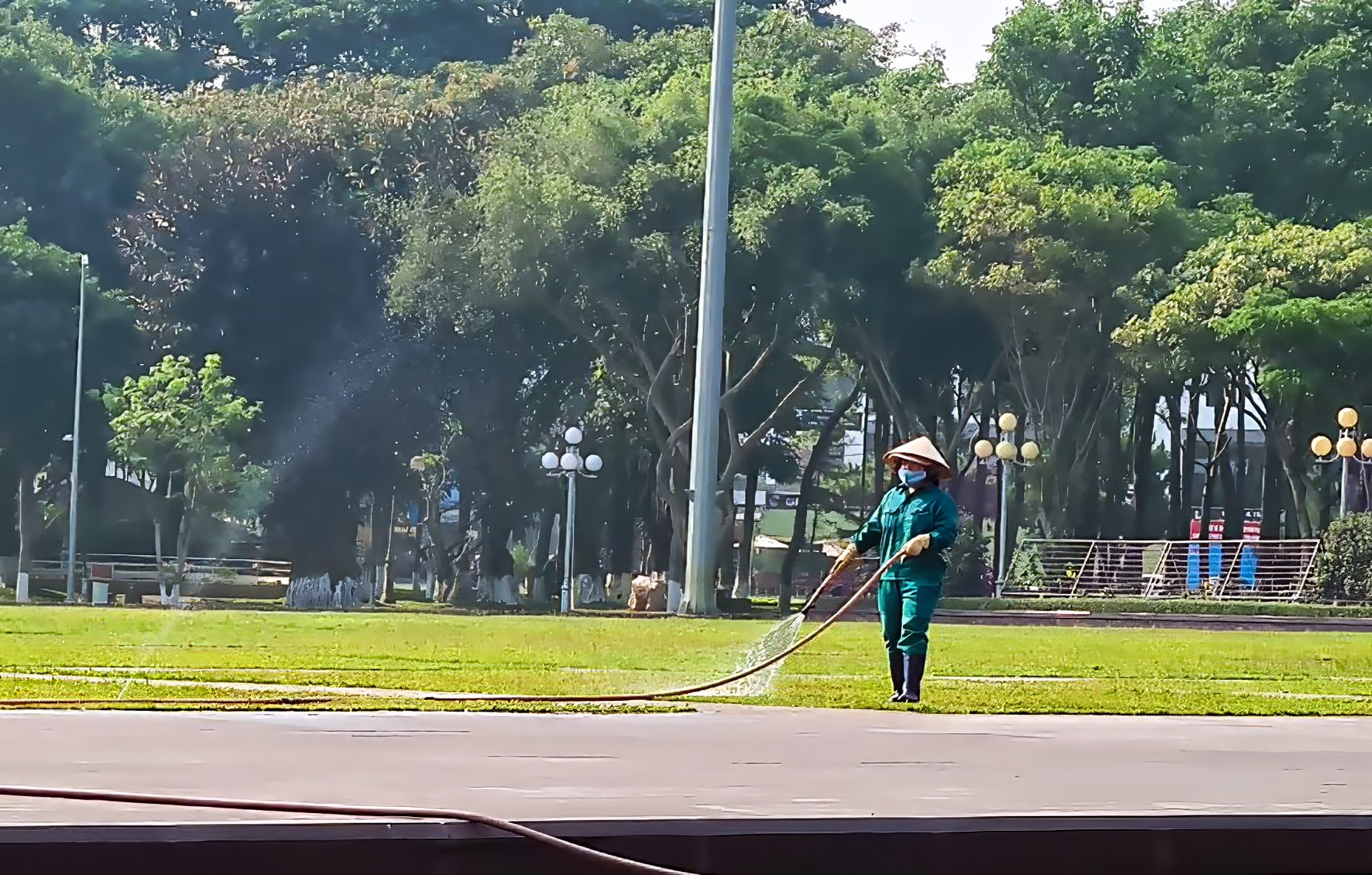
Amidst this peaceful setting, the workers here quietly prune each branch, tend to each flower, and care for each lawn. This is truly no simple task, as the complex covers a total area of over 12 hectares, with more than 2,000 trees and over 23,000 square meters comprising 205 lawns. The team of over 30 workers not only cleans and cares for the trees but also decorates the planters and pots to match the landscape, especially during holidays and festivals; and prunes and prevents trees from breaking or falling during storms.
"It's been almost 7 years since I started this job, and I've witnessed the meticulousness and dedication of the workers here. Rain or shine, they always ensure the work progresses on schedule with the utmost responsibility."
Beyond the practical aspects of making a living, contributing even a small effort to beautify and ensure the peace of this meaningful project is truly an honor and a source of pride for each of us."
For decades, the complex of the Great Unity Square - Ho Chi Minh Museum has welcomed millions of visitors and people from the Central Highlands ethnic groups who come to pay their respects, explore, and learn about the revolutionary life and activities of President Ho Chi Minh. It is also a "red address" for educating the younger generation about revolutionary traditions; a place where military and police units and organizations annually visit and report their achievements to President Ho Chi Minh on major holidays; and a place where the Youth Union, children, and students in the area hold ceremonies for joining the Youth Union and the Young Pioneers.
With its vast grounds and abundant greenery, this place has become a favorite destination for locals. Sitting under the cool shade of a tree, Mr. Dang Van Minh (born in 1953) finished his 40-minute jog in the square. Seeing visitors from afar, including President Ho Chi Minh's hometown, he couldn't hide his joy. He shared that he and his family often come here daily to stroll, enjoy the cool breeze, and exercise. Whenever they see the statue of President Ho Chi Minh, his grandchildren ask many questions about him. After each question, he recounts touching stories about President Ho Chi Minh to his children and grandchildren, thus igniting patriotism in their hearts from their very first steps.
In the breezy afternoon, the song "Uncle Ho Lives Forever with the Central Highlands" resonated, poignantly: "Layers upon rows follow Him / The glorious sunlight shines brightly for eternity / On the road to victory, Uncle Ho is always with us / He lives forever with us / He lives forever with the Central Highlands…"
.png "Điều gì giúp Nghệ An đi ngược dòng nhập siêu của cả nước?")


Governing body: Nghe An Provincial Party Committee
Director: Tran Minh Ngoc
Electronic newspaper operating license number: 153/GP-BTTTT
Issued by the Ministry of Information and Communications on March 24, 2022


.jpg "Trang trọng lễ giỗ lần thứ 85 đồng chí Nguyễn Thị Minh Khai")
.jpg "Đến năm 2045, xây dựng thành công xã hội kỷ cương, an toàn, văn minh, hài hòa, phát triển")
.jpg "Trang nghiêm Đại lễ cầu siêu tưởng niệm các Anh hùng liệt sĩ tại Nghĩa trang Liệt sĩ Việt - Lào")