
There is a love story from Gac Trinh.
The house of musician Trịnh Công Sơn in Huế city has now become a meaningful meeting place for fans of Trịnh Công Sơn's music from all over the country. The person in charge of Gác Trịnh is the poet and painter Lê Huỳnh Lâm.
The artist once confided that he has always had a deep, heartfelt love for Nghe An province, a place where many generations of his family have experienced a journey imbued with love and affection.
From Gác Trịnh, I remember Nghe An.
Room 203 attic in apartment building No. 19 on Nguyen Truong To Street in Hue City is wheremusician Trinh Cong SonThis attic was where the talented musician lived and composed his first songs. Through the years, the attic has retained its rustic and simple charm, reflecting the very soul of the gifted musician. Now, it has become a haven for those who love Trinh Cong Son's music, a place where they return to experience the old-world atmosphere, to listen to melodies echoing from the past, and to relive quiet, contemplative moments after the hustle and bustle of city life.
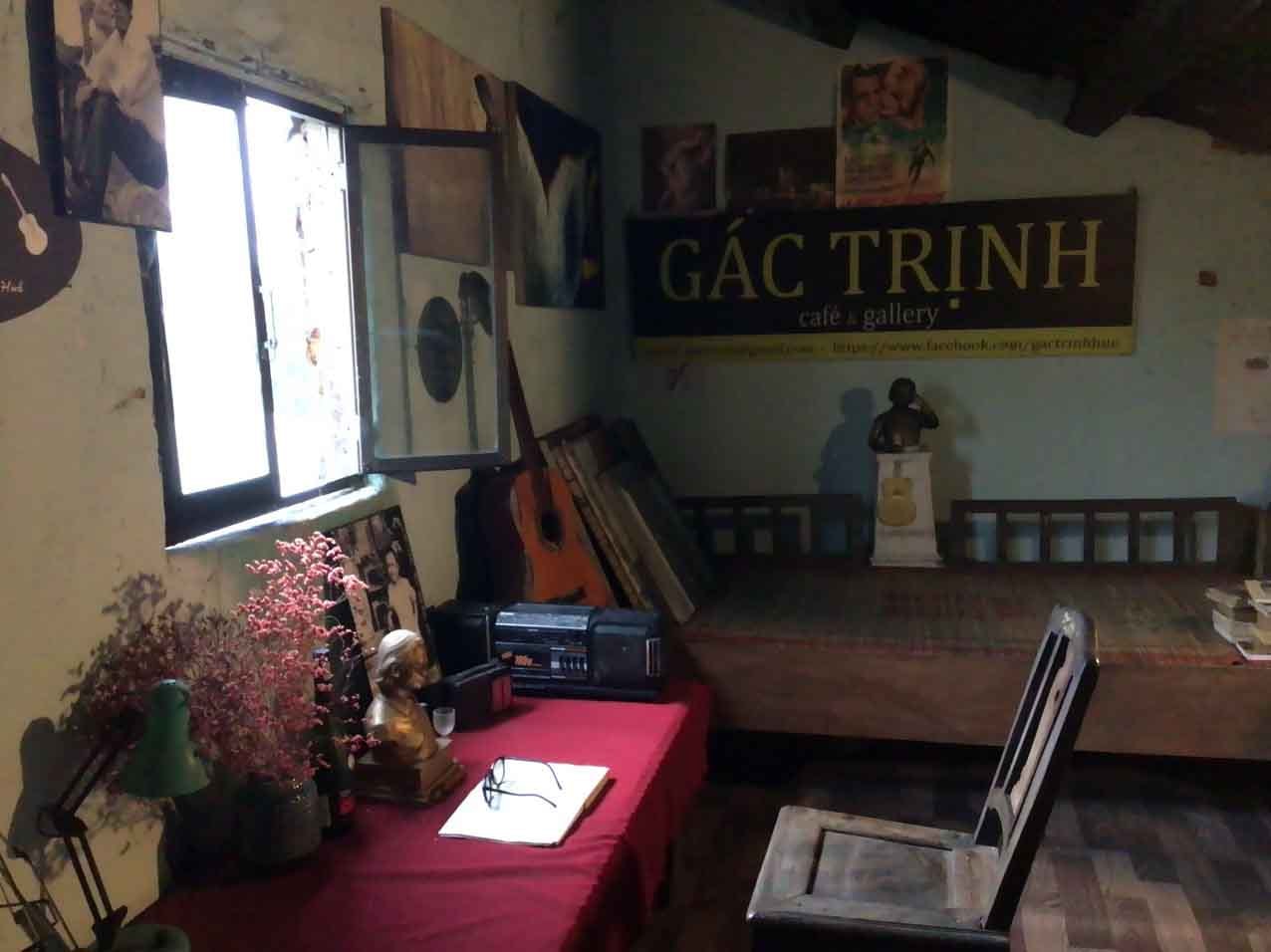
That unique house was named "The House of the Wanderers" by the writer Hoang Phu Ngoc Tuong. Now, it's called "Trinh's Attic," as in the line "The temple of souls bears the name Trinh's Attic" by the poet and painter Le Huynh Lam.
In that attic, artist Le Huynh Lam shared about a special hometown that, whenever he mentions it, evokes countless memories and immense love. That hometown is Nghe An province. He recounted that his maternal grandfather used to work at the Vinh Power Plant, where he and his wife welcomed their first and only daughter. Living amidst the genuine affection of the people of Nghe An, and being close to the land where he worked, his grandfather developed a very special affection for Vinh city. That's why he named his daughter Huynh Thi Vinh.
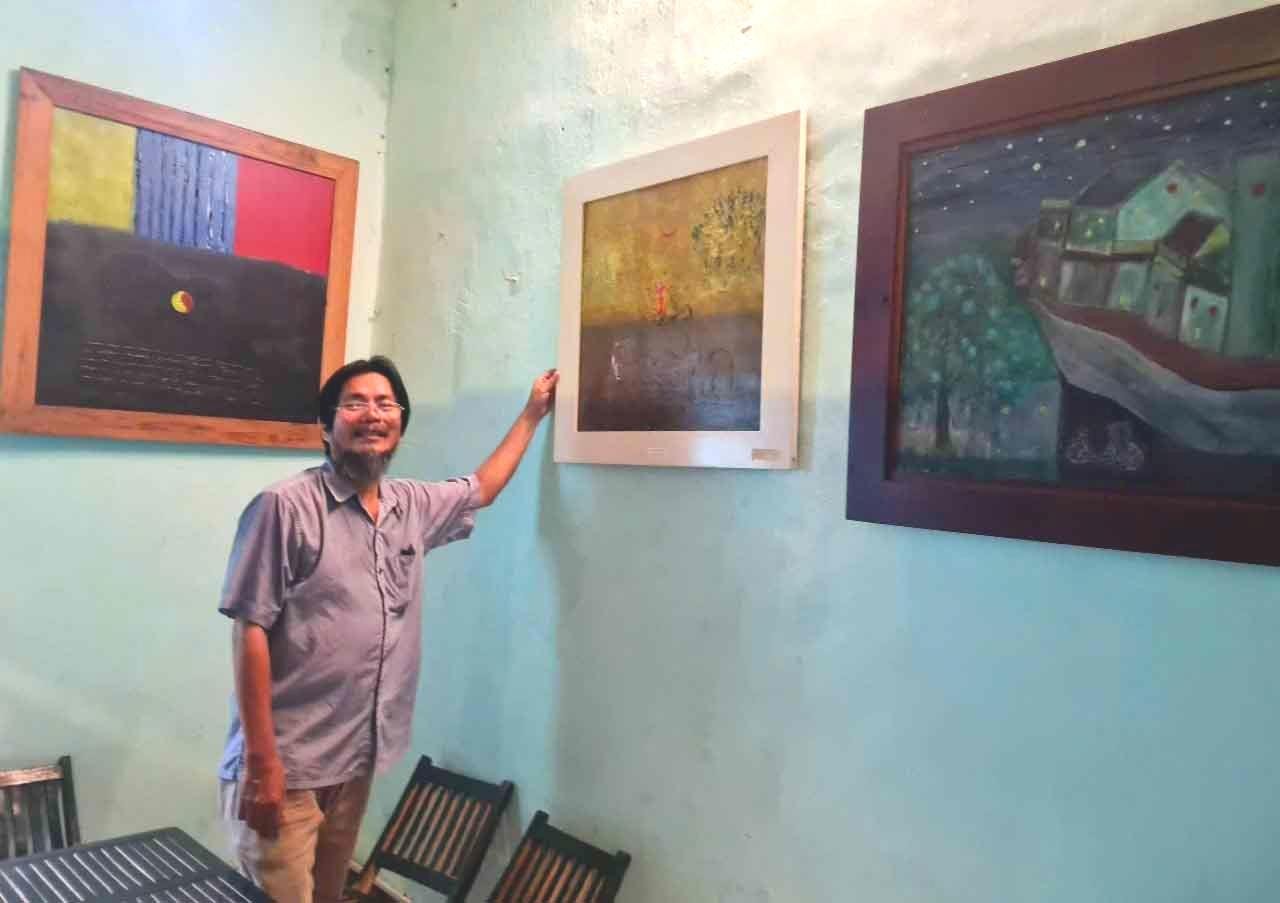
The Vinh Power Plant began construction in 1957 and was officially inaugurated two years later. However, starting in 1964, the US imperialists heavily bombed North Vietnam, severely damaging the Vinh Power Plant. During that fierce war, many people working at the plant sacrificed their lives in the line of duty. Among them was the maternal grandfather of the poet and painter Le Huynh Lam.
After his maternal grandfather passed away, his maternal grandmother brought her daughter, Huynh Thi Vinh, to live in Hue. However, she and the family members always felt a deep longing for the land where his grandfather was buried. Because of these connections, for artist Le Huynh Lam, Nghe An holds a wealth of memories of his family during a difficult period. It is where his maternal grandfather rests, but also where his mother's life began. This sun-drenched, windswept land sheltered and nurtured his small family from Hue, creating a deep and enduring bond that lasts to this day.
Connecting the people of Nghe An with their love of Trinh Cong Son's music.
In Hue, people still refer to poet and painter Le Huynh Lam as the guardian of the "heritage house." Painter Le Huynh Lam's connection with Trinh Cong Son's attic stems from his love of music and the respect and admiration he has for the talented musician Trinh Cong Son.
Although artist Le Huynh Lam did not own the house—it was originally owned by the late writer Hoang Phu Ngoc Tuong and poet Lam Thi My Da—in 2013, the couple decided to entrust its management and operation to artist Le Huynh Lam, hoping it would become a memorial site for musician Trinh Cong Son. They trusted in artist Le Huynh Lam's love of music and his unwavering dedication. Since then, he has not only accepted the responsibility but also viewed it as an inspiring journey to convey the value of Trinh Cong Son's music to many generations.
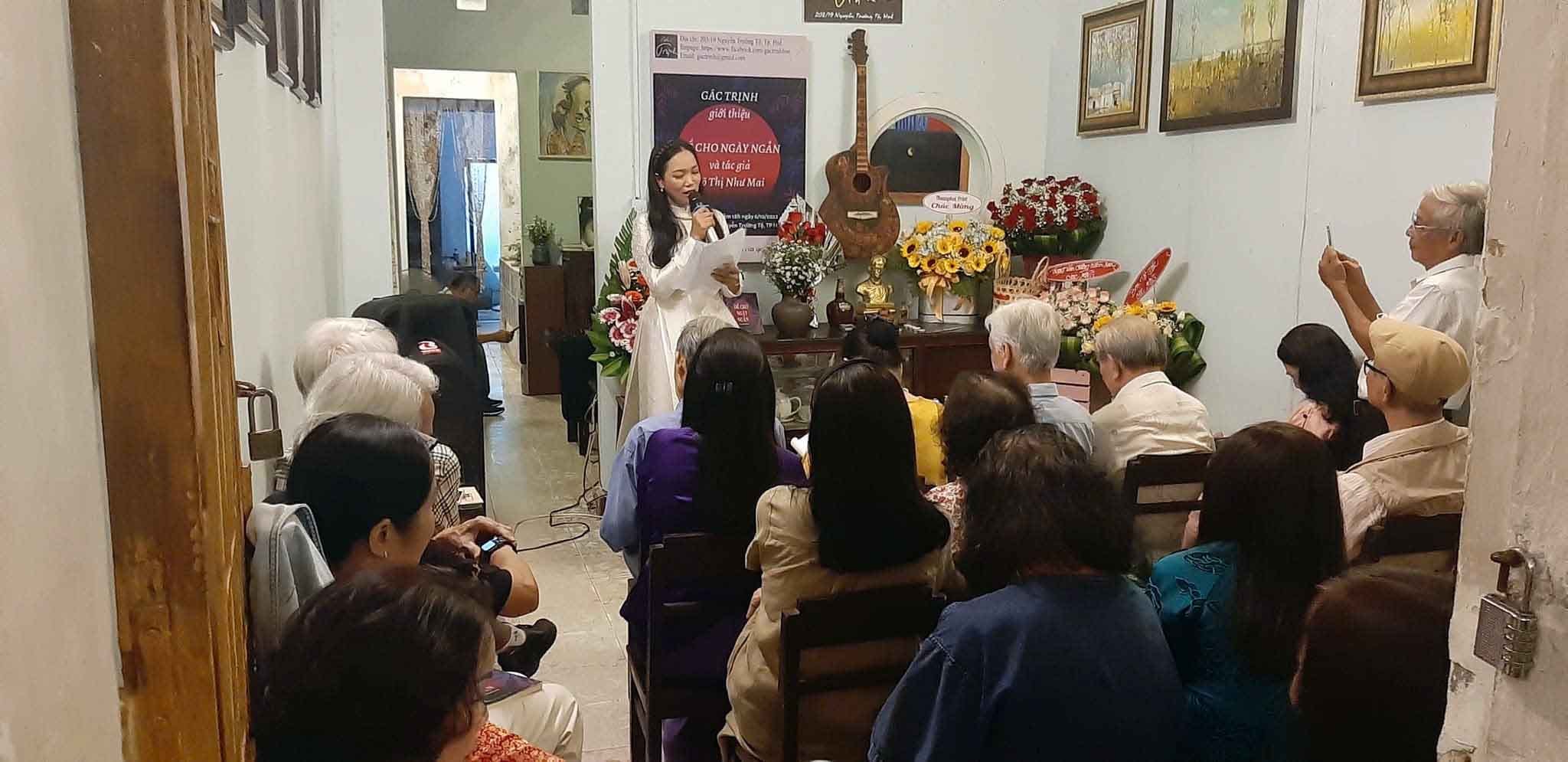
Under his management, Trinh's Attic gradually became a cultural symbol and a space for artistic exchange. His close friends contributed many valuable documents and images to enrich the exhibition space. Trinh's Attic is not only a place to preserve memories of musician Trinh Cong Son but also a place to connect like-minded souls who love music and art.
Meanwhile, Trinh's Attic has increasingly attracted the attention of young people, especially after the film "Em and Trinh," which featured many scenes filmed in this very house. Art exhibitions and music nights with themes about musician Trinh Cong Son have also touched the emotions of many. As the house deteriorated over time, fortunately, someone collected a painting of Trinh Cong Son with the theme "Seeing Through," and artist Le Huynh Lam used all the proceeds to renovate the house, with the intention of preserving this meaningful space of nostalgia so that it would become as warm and welcoming as the time when musician Trinh Cong Son lived and composed.
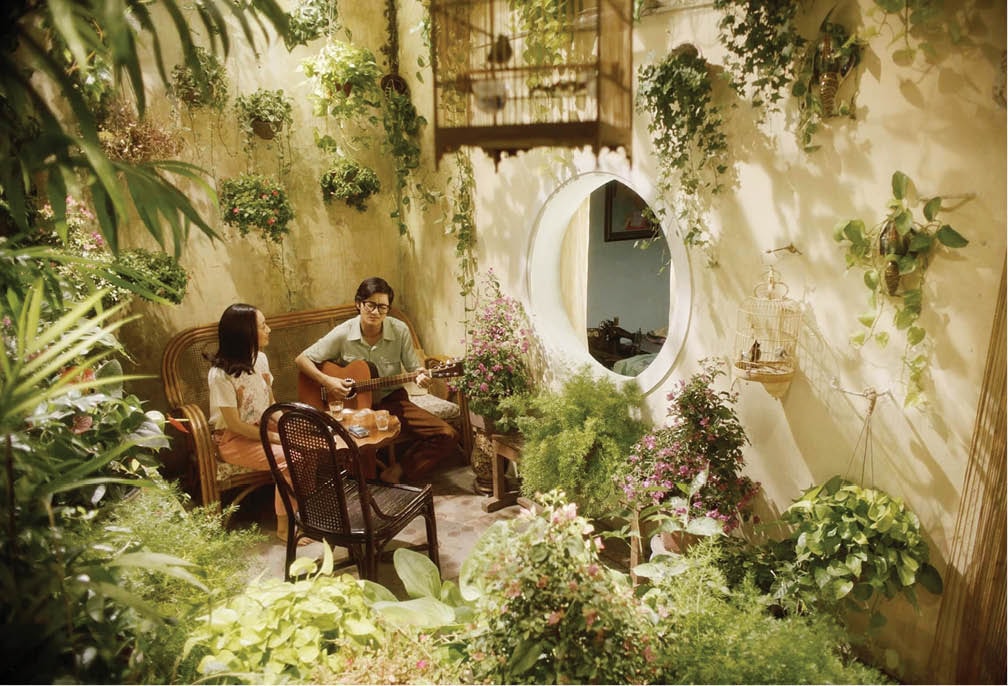
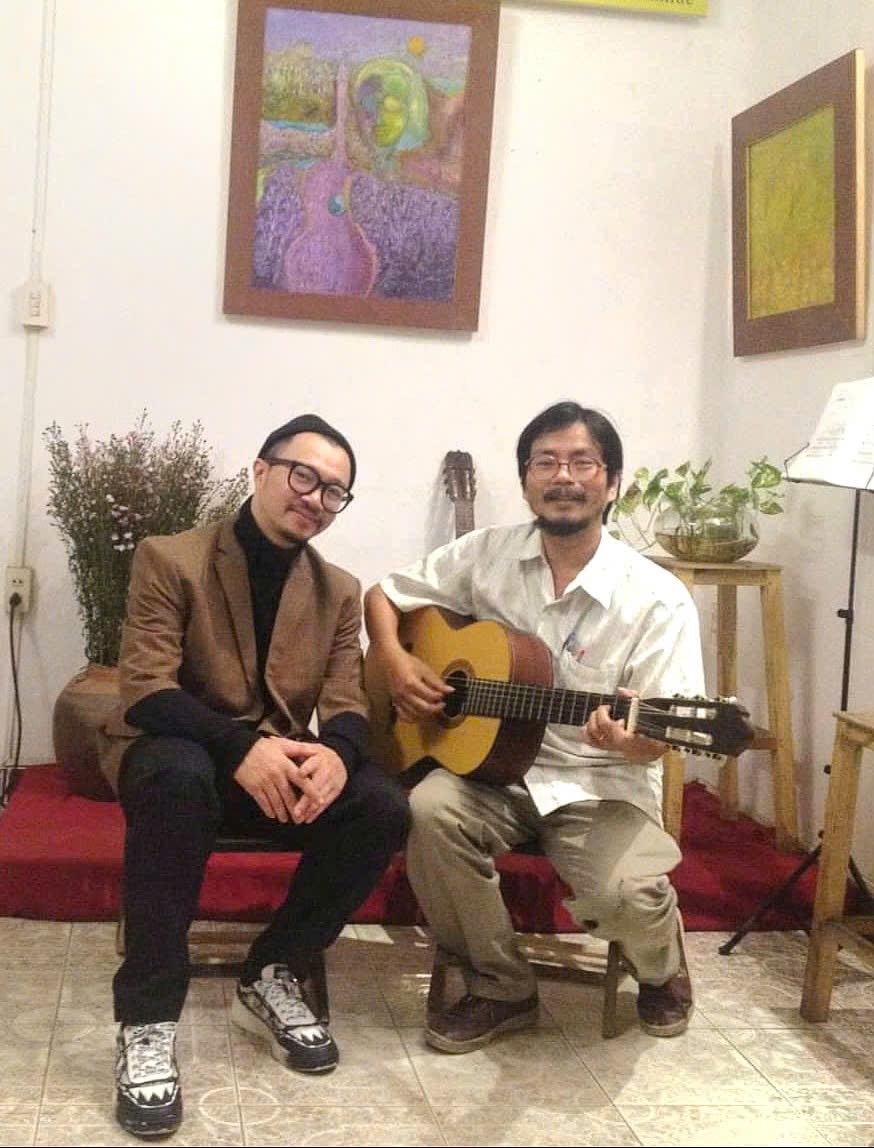
Gác Trịnh has welcomed many guests from Nghe An. For painter Le Huynh Lam, each of these encounters is an opportunity to strengthen the bond between the love of Trinh Cong Son's music and the people of Nghe An. Poet Le Huynh Lam always believes that music and art know no boundaries, and through Gác Trịnh, these values are spread more powerfully than ever before.
"I have friends from Nghe An who frequently visit Trinh's Pavilion. Or sometimes, even if they're just passing through Hue on business, they stop to visit Trinh's Pavilion, which touches me deeply."
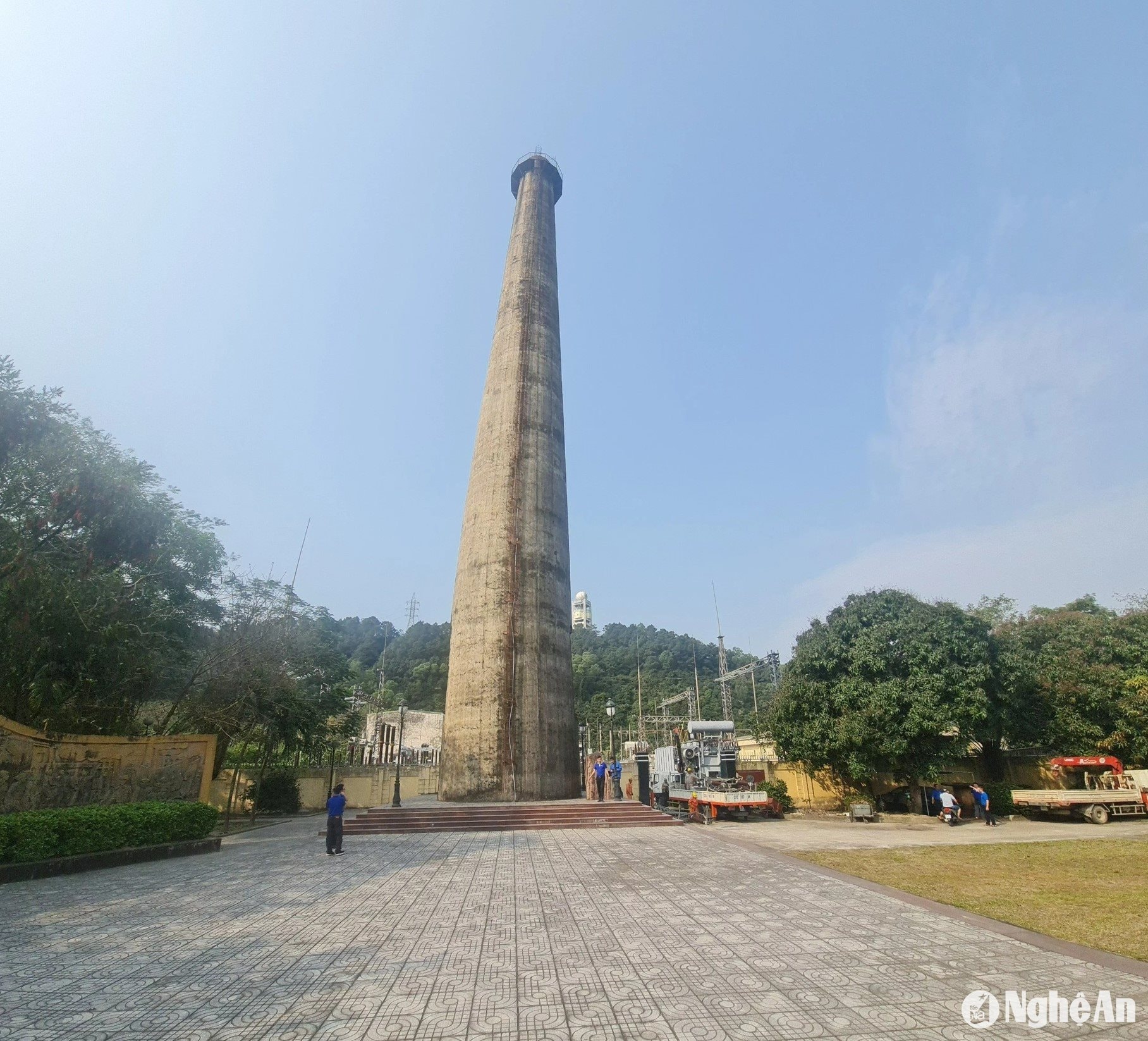
Just recently, a family from Nghe An, after meeting and learning about the circumstances of painter Vinh Dan, decided to collect the paintings of the artist that are on display at Trinh's Pavilion. This heartfelt gesture reflects the affection of the people of Nghe An for the ancient capital city.Since then, Trinh's Pavilion has not only been a memorial space but has also contributed to connecting the people of Nghe An with the land of Hue…”
Artist Le Huynh Lam


