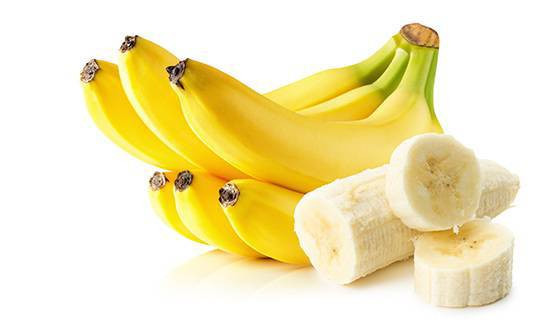
Is it okay to eat bananas on an empty stomach?
Many people enjoy eating bananas for breakfast. Bananas are sweet and easy to digest, so is it good to eat them on an empty stomach?
1. Nutritional value of bananas
There are many varieties of bananas, and therefore their nutritional value varies. The nutrient content also changes as the fruit ripens.
Bananas contain many vitamins such as vitamin A, vitamin C, and vitamin K, along with several minerals such as potassium, calcium, iron, zinc, selenium, magnesium, manganese, sodium, iodine, and phosphorus. Bananas also contain bioactive compounds such as flavonoids, anthocyanins, phenolic compounds, and carotenoids. These phytochemicals have antioxidant properties and other health benefits.
Each banana typically provides an average of 110 calories, 1 gram of protein, 28 grams of carbohydrates, 3 grams of fiber, and 450 milligrams of potassium. Bananas provide a significant amount of energy but are low in protein or fat.
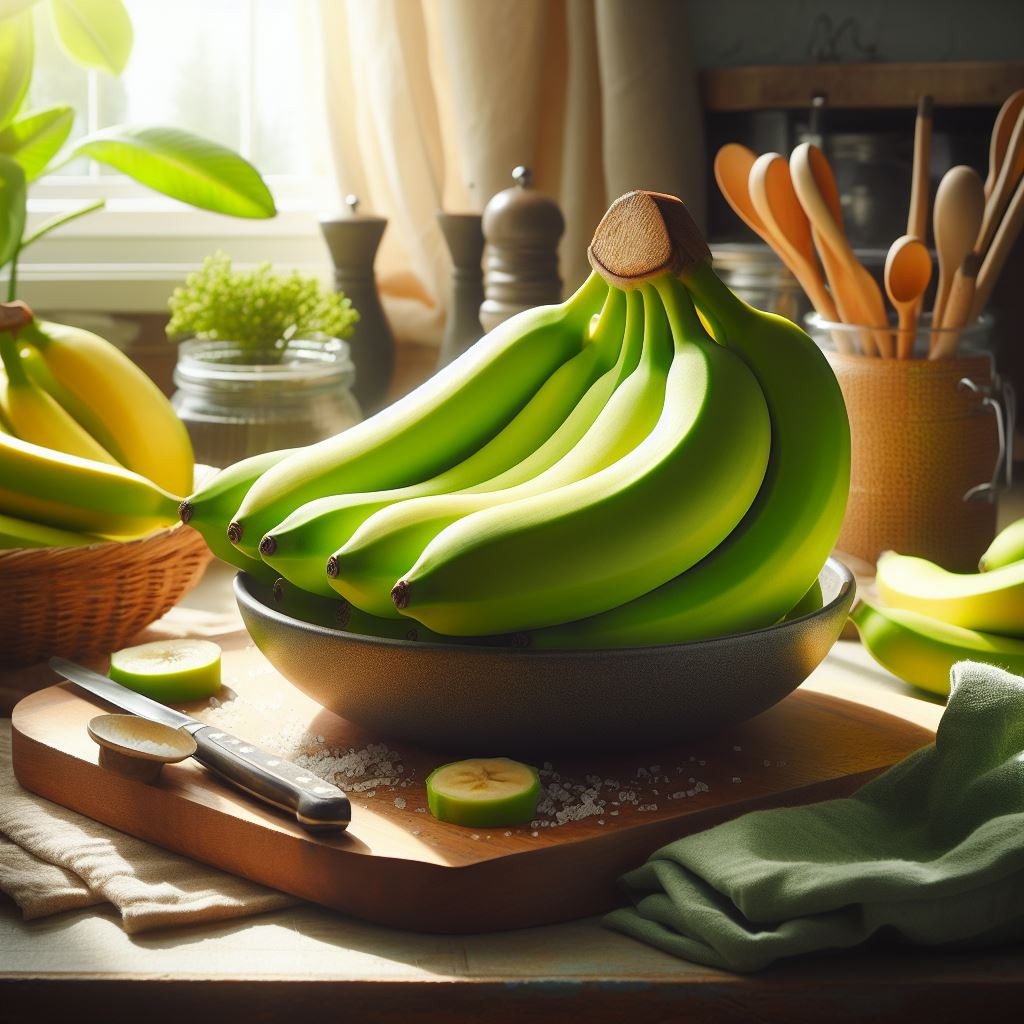
Bananas are rich in potassium.
Bananas are particularly rich in potassium, providing 326 milligrams per 100g. Potassium is an important mineral with many functions in the body. Having enough potassium in your diet can lower blood pressure if you have hypertension. Therefore, adequate potassium intake may protect you from stroke and heart disease.
Carbohydrate
Carbohydrates play a crucial role in a healthy diet. About one-third of your energy should come from carbohydrates. However, avoid foods and drinks that are too high in sugar, as they provide calories but few other nutrients. Bananas provide carbohydrates for energy, but they also contain minerals, vitamins, and fiber.
Bananas are often eaten during workouts for energy, along with commercial sports nutrition products. The carbohydrate intake helps improve endurance during training.
You especially need some carbohydrates in the morning after a night's sleep. Bananas contain about 23g of carbohydrates per 100g. The sugar content in bananas is about 16g/100g. Most of this sugar is glucose, fructose, and sucrose.
Fiber
Fiber is a type of carbohydrate that the intestines cannot digest. Animal-derived foods like meat and dairy are generally low in fiber, but plant-derived foods like fruits and vegetables provide a significant amount. Because fiber is not digested, it helps food and other waste products move through the digestive system.
Bananas contain non-starch polysaccharides such as pectin, cellulose, and hemicellulose. These indigestible carbohydrates are a form of fiber. However, the fiber content of bananas varies depending on their ripeness. Unripe bananas have 18 grams of fiber per 100 grams. This decreases to 4 grams per 100 grams as the banana ripens. Overripe bananas have only 2 grams per 100 grams. This makes unripe bananas valuable for increasing fiber intake but unsuitable if you are on a low-fiber diet.

2. Is it good to eat bananas in the morning?
There isn't enough scientific evidence to suggest that bananas shouldn't be eaten in the morning or that they're unhealthy at any particular time of day. However, pay attention to portion sizes and consider the overall balance of nutrients in your main meal or snack; carbohydrates, when eaten without protein or fat, are absorbed into the bloodstream much faster and can cause a "mini-bomb" of glucose and energy levels.
Therefore, ideally you shouldn't just eat fruit, including bananas, in the morning on an empty stomach after a long sleep, especially if you are sensitive to sugar, as this can lead to dangerously high blood sugar levels if there are too many carbohydrates.
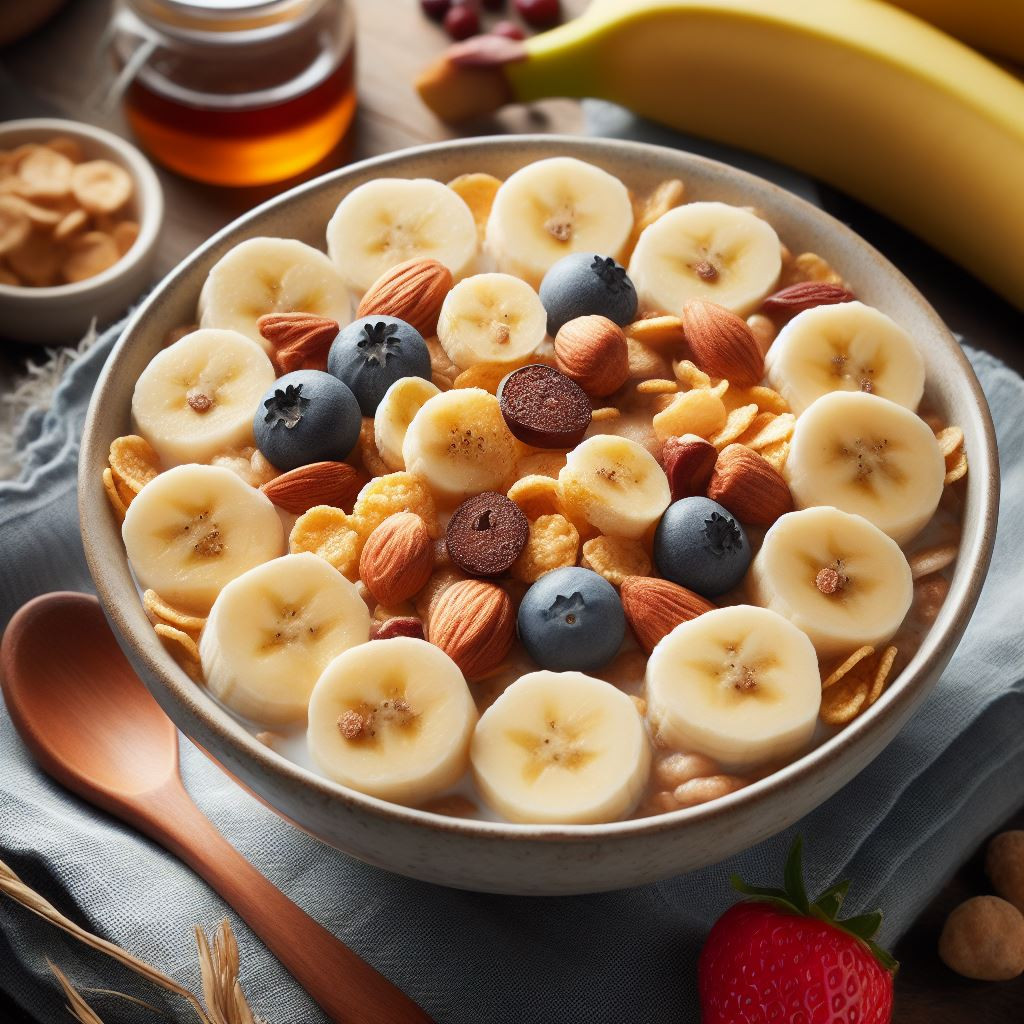
Bananas should be combined with other healthy foods to create a balanced breakfast that provides energy for the body after a night's sleep.
To promote stable blood sugar levels, combine fruits like bananas and berries with healthy fats and/or proteins. Bananas can be included as part of a balanced breakfast along with other healthy foods. Bananas can help provide a healthy breakfast with plenty of fiber and low in added salt, fat, and sugar.
Many people believe that eating bananas on an empty stomach is bad for the stomach, but in reality, the fruit is very good and an important part of a healthy breakfast, so you can add a banana to your breakfast cereal.
3. Should people with diabetes eat bananas in the morning?
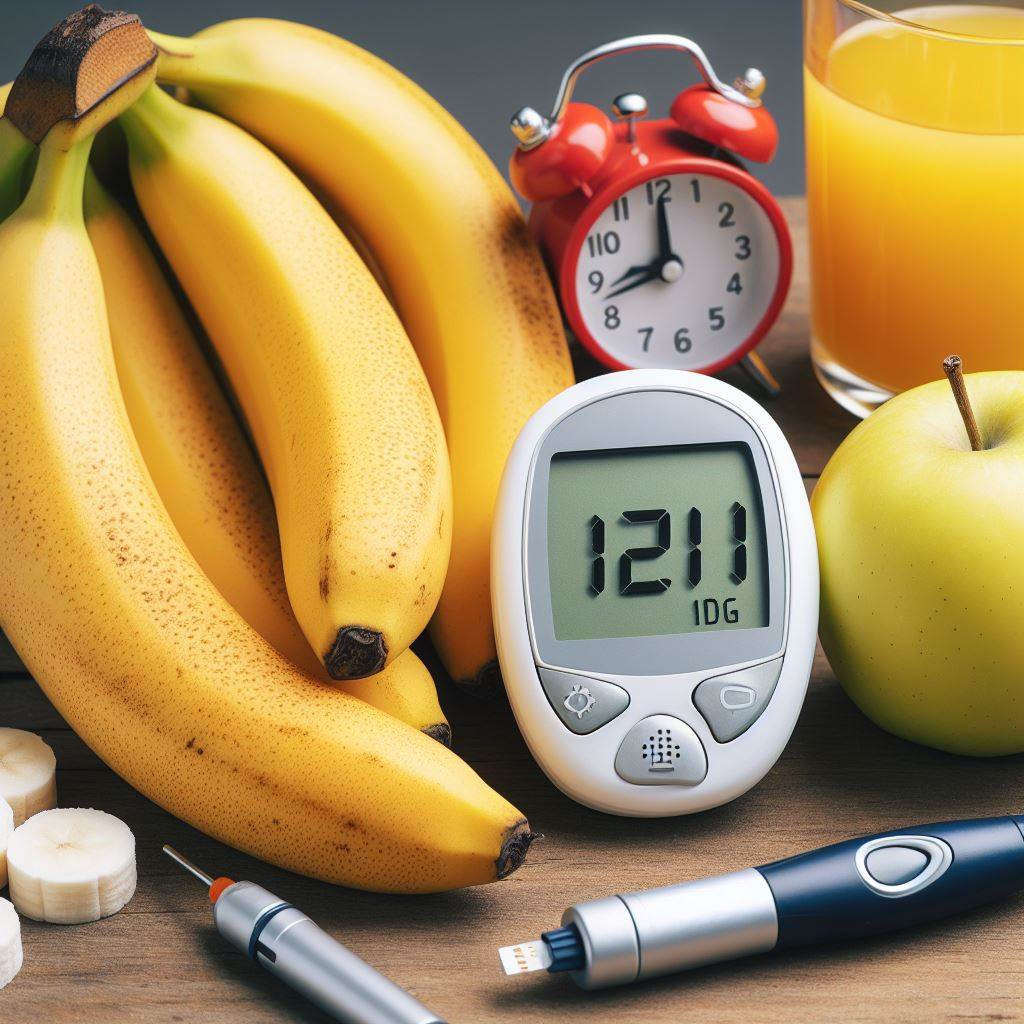
If you have type 2 diabetes, carbohydrate intake must be adjusted because it can raise your blood sugar levels. Along with absolute carbohydrate content, the glycemic index (GI) is also very important. Bananas have a medium GI, making them safe for people with diabetes in limited quantities.
According to MSc. Dr. Nguyen Thu Yen, a specialist in Endocrinology and Diabetes, bananas have a low or medium glycemic index (from 42 to 62), depending on their ripeness. Yellow or ripe bananas contain less resistant starch, more sugar and starch than green bananas, and therefore have a higher glycemic index.
Green bananas are good for people with diabetes because they don't raise blood sugar levels and can improve blood sugar regulation. The resistant starch content in green bananas can help improve insulin sensitivity.
Regarding eating bananas on an empty stomach, although bananas have many health benefits, eating them on an empty stomach can be harmful to people with diabetes.
Bananas have a high sugar content of about 25%. They contain three different types of natural sugars: fructose, sucrose, and glucose. They provide instant energy and can quickly raise blood sugar levels. This instant energy lasts for several hours and can easily lead to a "blood sugar crash." It can make you feel sluggish and cause more harm than good. Therefore, people with diabetes should not eat bananas on an empty stomach and should only eat small, not overly ripe bananas, spreading their fruit intake evenly throughout the day.