
Announcement of goods entering Vietnam with a 0% tariff rate.
The government has just announced a list of goods that will benefit from special preferential tariffs under the ASEAN-China Free Trade Agreement (ACFTA).
Specifically, the list of items whose tariffs have been eliminated or reduced under the ACFTA commitments is as follows:
Regarding agricultureLive animals such as buffaloes, cows, pigs, horses, sheep, goats, chickens, ducks, geese, etc., used for breeding are exempt from tax. Frozen buffalo meat, beef, pork, various types of fish (except fish fillets), and many other seafood products such as shrimp, crab, and lobster are also exempt from tax.
In addition, there are dairy products, poultry eggs, honey, and various types of ivory, shells, horns, claws, coral, and beetles.
Potatoes, root vegetables, tomatoes, onions, garlic, leeks, cabbage, cauliflower, kohlrabi, kale, lettuce, carrots, radishes, green beans, asparagus, eggplant, celery, mushrooms, peppers, spinach, squash, corn, cucumber, sliced cassava, sweet potatoes.
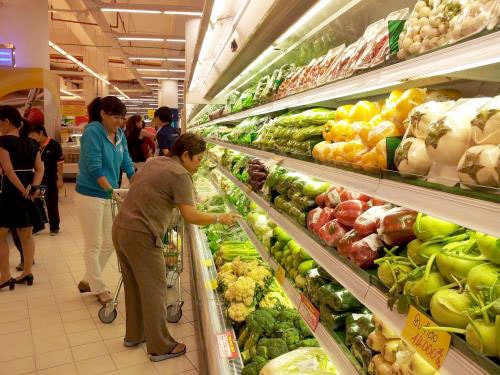 |
| Imported goods are taxed 0%, buyers benefit, but manufacturers worry. (Illustrative image) |
Fruit trees include almonds, coconuts, walnuts, pistachios, macadamia nuts, bananas, dates, pineapples, avocados, guavas, mangoes, mangosteens, oranges, tangerines, lemons, grapefruits, watermelons, apples, pears, quince, apricots, peaches, cherries, plums, raspberries, strawberries, durians, persimmons, blueberries, longan, lychees, rambutan, jackfruit, tamarind…
Coffee, tea, spices, ginger, saffron, corn (except for the type used for roasting, which is taxed at 5%), paddy rice, brown rice (except for Thai Hom Mali rice, which is taxed at 20%), wheat flour, and other grains… are all subject to a 0% tax.
Cooking oil from peanuts and palm oil, sunflower seeds, coconut oil, baked goods, and vegetable and fruit products. Beverages, alcohol, carbonated drinks (excluding beer, wine, and fermented spirits, which are subject to a 5% tax), and animal feed for poultry and pigs are subject to a 5% tax until 2018, when it will be reduced to 0%.
Organic surfactants (excluding soap), surfactants, detergents. Pigments, toothpaste, paints, rubber, textiles, wood and wood products, paper of all kinds, textiles, cotton, synthetic fibers, clothing, nuclear reactors, steam turbines and other steam turbines.
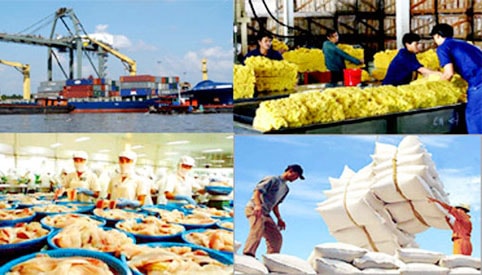 |
| Thousands of imported goods into Vietnam will have a 0% tariff rate. |
Piston-type internal combustion engineCompression-driven combustion has a tax rate of 0-20%. Dishwashers, machines for cleaning or drying bottles or other containers, packaging machines, beverage gas filling machines, mechanical equipment, cranes, forklifts, agricultural and forestry machinery, harvesting machines, threshing machines, milk processing machines, presses, weaving machines, washing machines, machine tools... have a tax rate of 0%.
The locomotive moves on the railway.Passenger cars, railway maintenance vehicles, and tractors are all exempt from taxes (except tracked tractors).
Regarding automobiles,The tax rates vary significantly. Accordingly, vehicles with a capacity of 30 or more, specifically used in airports, are subject to a 20% tax until 2018. Passenger buses designed to weigh between 6 and 18 tons are subject to a 50% tax in 2018.
Cars and other motor vehicles designed primarily for transporting people, golf carts, small racing cars, and sports cars were initially taxed at 5%, which was reduced to 0% in 2018. Cranes, drilling rigs, fire trucks, concrete mixers, road cleaning vehicles, and septic tank cleaning vehicles were taxed at 0% immediately. Other types of vehicles were taxed at 50% in 2018.
Motorcycles of all typesA 45% tax will be applied; however, some specialized items will be reduced to 0% in 2018. Meanwhile, items such as aircraft, spacecraft, ships, boats, fishing vessels, yachts, and medical materials will be subject to a 0% tax immediately.
The ACFTA member countries are China, the Philippines, Thailand, Singapore, Myanmar, Malaysia, Laos, Indonesia, Cambodia, and Brunei. Meanwhile, China committed to eliminating tariffs on 95% of tariff lines by 2011. For the remaining sensitive tariff lines, China committed to reducing tariffs to between 5% and 50% by the end of the roadmap in 2018. |
According to vneconomy


