
The amazing cooling properties of pineapple
Pineapple is a great refreshing drink on hot days. It is also used to treat several ailments.
Pineapples come in many varieties. The actual fruit is the axis of the flower and the fleshy bracts that have fused together. The true fruit consists of the "eyes" of the pineapple. 100g of edible pineapple contains 25kcal, 0.03mg caroten, 0.08mg vitamin B1, 0.02mg vitamin B2, and 16mg vitamin C (Western pineapple). Minerals include 16mg Ca, 11mg phosphorus, 0.3mg Fe, 0.07mg Cu, 0.4g protein, 0.2g lipids, 13.7g carbohydrates, 85.3g water, and 0.4g fiber.
Pineapples contain the enzyme bromelin, which can break down proteins. Therefore, pineapples are used in the preparation of some dishes such as stir-fried beef and stir-fried duck to help tenderize the meat and create a distinctive flavor. In folk tradition, tough or old meats are often marinated with pineapple or stir-fried with it to make the meat tender and easier to digest.
Uses
Studies have shown that pineapple enzymes have the potential to treat heart disease by dissolving blood clots that lead to heart attacks. Reports indicate that in a study of 140 heart patients treated with this method, only 2% died from heart attacks, compared to 20% before treatment. Vietnamese books also recommend that people with high blood pressure eat pineapple daily for its diuretic effect.
Drinking a glass of pineapple juice or eating half a ripe pineapple every day can replace anticoagulant medications (coumarin, warfarin, etc.), which often cause bleeding side effects (therefore, pineapple should be avoided for people with bleeding disorders).
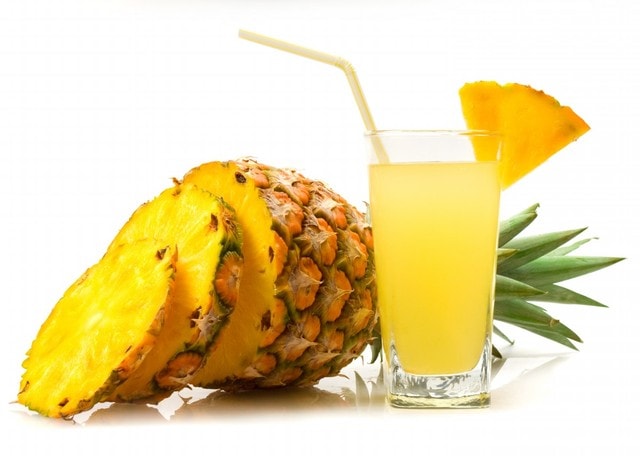 |
| Drinking a glass of pineapple juice or eating half a ripe pineapple every day can replace anticoagulant medication. |
Studies in the 1960s and 1970s identified pineapple bromelin as having anti-edema and anti-inflammatory properties. Since then, several pharmaceutical companies have introduced dietary supplements containing pineapple extract to address cellulitis and dissolve fatty deposits. However, no studies have confirmed pineapple's ability to dissolve these unsightly fat deposits. Bromelin reduces sinusitis. In Germany, children with sinusitis are often treated with bromelin, extracted from pineapple. Bromelin has shown good results, reducing the duration of the illness (from 8 days to 6 days). Bromelin is also used as an anthelmintic for small worms, commonly found in children. According to research by Hordegen P., bromelin also showed good results similar to Pyratel.
Pineapple promotes wound healing; some of its enzymes accelerate the healing of skin wounds or burns. For example, in mice with burns, pineapple extract helped to cleanse the wound within 4 hours, removing foreign objects and dead tissue to prevent further damage and promote healing. Bromelain also reduces swelling, bruising, and pain.
Women who marry late or have experienced menstrual irregularities after giving birth to their second or third child should drink pineapple juice, as it is rich in magnesium, which helps reduce heavy bleeding, limit blood loss, and prevent low blood pressure.
After tonsil surgery or if the tonsils are swollen, singers who reduce their vocal intensity should eat ripe pineapple or drink mung bean sprout juice twice a day (evening and early morning) to quickly regain their voice.
Fresh pineapple has antibacterial and antiviral properties against the common cold, lubricates intestinal peristalsis, and purifies cholesterol, thus helping to eliminate toxins and food waste from the colon and preventing intestinal inflammation.
Pineapple is also used to relieve heat during hot, dry summers, fatigue, thirst, loss of appetite, insomnia, and infrequent or reddish-brown urination. It can be consumed by eating the fruit, drinking pineapple juice, or using it in soups or stir-fries.
Several ways to treat illnesses using pineapple.
Pineapple is used in cases of inflammation, difficulty urinating, constipation, kidney stones, and pus in the urine.
Nephritis: Boil 60g of pineapple and 30g of fresh cogon grass roots together and drink the decoction daily instead of water.
Bronchitis: 120g pineapple, 30g honey, 30g loquat leaves, decoct and drink.
Kidney stones: Take one ripe pineapple, either whole or with the peel intact, and make a small finger-sized hole at the stem. Insert about 7-8g of finely ground alum into the hole and cover it. Roast the pineapple over hot coals or bake it over a fire until the peel is charred and the pineapple is soft. Let it cool, then squeeze out the juice (discard the pulp) and drink it. One pineapple per day.
For men with kidney failure and women with frigidity, drink 150ml of pineapple juice three times a day with a soup containing 100g of pigeon meat.
Simmer 15g of lotus seeds and 10 red jujubes for 30 minutes until tender. Eat 3 times a day for 2 weeks.
Intestinal inflammation, diarrhea: boil 30 grams of fragrant leaves and drink the decoction.
For a feeling of heat and excessive thirst: Crush one pineapple, extract the juice, mix with cooled boiled water, and drink.
Digestive disorders: Squeeze the juice from one pineapple and two tangerines and drink it.
Notes
It's important to note that pineapple is more suitable for young, healthy people and those experiencing constipation due to heat. Conversely, it should not be used in cases of deficiency and coldness. There's a folk saying: "Pineapple is delicious, but it upsets the stomach." This means that if the digestive system is deficient in coldness and dampness, causing frequent diarrhea, loose stools, and yellow foam, then excessive consumption should be avoided. Eating too much at once can cause a burning sensation on the tongue; it's best to eat it after a meal to avoid stomach upset. Eating too much pineapple not only causes a burning sensation on the tongue and lips, but because pineapple is rich in oxalic acid, excessively high levels can lead to calcium deficiency.
In cases of pineapple poisoning, many authors attribute the toxic fungus Candida tropicalis to the fungus, which is commonly found on damp ground. If the pineapple is bruised, the fungus can penetrate the inside. Symptoms appear 30 minutes to 1 hour after eating the pineapple. Victims experience fatigue, headache, dizziness, intense itching all over the body followed by hot flashes and a rash, abdominal pain, vomiting, diarrhea, low blood pressure, and difficulty breathing. Mild cases resolve spontaneously after 2-3 hours.
Severe cases can lead to anaphylactic shock and cardiovascular collapse. Severe cases require hospitalization and intravenous fluid therapy to combat shock. According to folk remedies, at the onset of an allergic reaction, one should avoid water and cold wind, keep warm, and apply a warm compress to the itchy area. Simultaneously, drink a decoction made from 100g of pineapple peel and 20g of licorice or wood ear mushrooms in 3 bowls of water (600ml) reduced to 1 bowl (200ml).
To avoid getting drunk on pineapple, only eat fresh, intact fruit that is not bruised, rotten, or spoiled. Remove all the deep-seated seeds and eat immediately.
According to Health and Life


