
Deepfake technology: Useful or dangerous?
(Baonghean.vn) - Deepfake technology has been attracting a lot of attention recently, as there have been cases of criminals exploiting this technology to conduct fraudulent video calls through social media applications such as Zalo and Messenger.
We live in a world of technological advancements. Many new technologies are being developed and applied in daily life, including Deepfake technology.
As technology becomes increasingly sophisticated, experts worry it could pose a serious threat. However, every technology has two sides, and if we ignore the dark side, Deepfake is one of the most useful technologies with the potential for positive development in the future.
What is Deepfake technology?
Deepfake is a term coined from the combination of "Deep Learning" and "Fake," referring to a technology that simulates human facial features and creates fake audio, visual, or even video content. Deepfake creators can manipulate media and replace the real person's appearance with that of a real individual.
Essentially, Deepfake technology is built on Google's open-source machine learning platform. Deepfake scans videos and portrait photos of a person, then merges them with separate videos using AI and replaces facial details such as eyes, mouth, and nose with realistic facial movements and voice. The more original images available, the more data the AI has to learn and create more realistic fake images or videos. Deepfake can superimpose one person's face onto another in a video with astonishing realism.
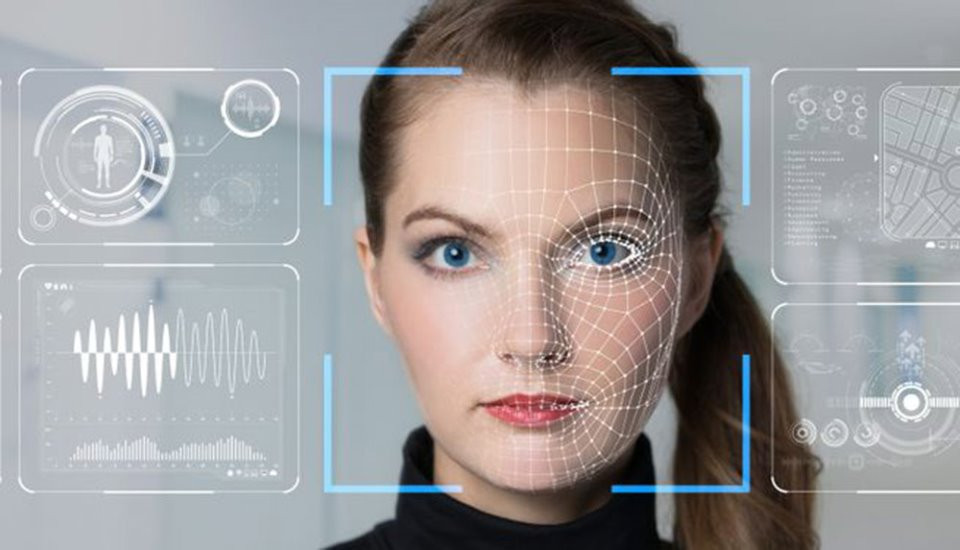 |
Illustrative image |
How does Deepfake work?
Deepfakes utilize two algorithms: a data generator to create realistic-looking data and a data discriminator to try to distinguish between data generated by the generator and real data. The data generator builds a training dataset based on the desired output, creating the initial fake digital content, while the data discriminator analyzes the degree of authenticity of the original version of the content.
This process is repeated, allowing the data generator to improve the actual content creation and the data discriminator to become more proficient in detecting errors for correction.
The combination of data generation and data discrimination algorithms creates a generative adversarial network, also known as a GAN (Generative Adversarial Network). GANs use deep learning to recognize patterns in real images and then use those patterns to generate fake images.
When creating a deepfake image, a GAN system views the target's photos from a range of angles to capture all the details and perspectives. When creating a deepfake video, the GAN views the video from multiple angles, simultaneously analyzing behavior, movement, and speech patterns. This information is then run through a data discriminator multiple times to refine the authenticity of the image or video, creating a fake version that looks exactly like the real thing.
What are the benefits of deepfake?
Deepfake technology allows creators to produce realistic content for viewers in a more creative way. This technology not only allows creators to experiment with creating realistic films but can also be used to further enhance the quality of video games and other multimedia content.
The advanced technology behind Deepfake holds great promise in many fields, especially in creative industries like filmmaking and advertising. Advertising campaigns or film productions can use Deepfake for voiceovers, to film difficult scenes, saving time and production budgets. Deepfake is also seen as a form of internet entertainment, allowing users to easily swap their faces with those of famous people. This technology is also being developed for online shoppers to try on clothes in virtual fitting rooms.
Technology experts believe that, when used for positive purposes, Deepfake will be a powerful marketing tool. With its ability to automatically and accurately manipulate images, this technology will truly bring many benefits to the marketing industry, such as:
Cost savings
In some cases, using human actors is unnecessary. In this situation, Deepfake can be a new solution where producers simply purchase a license to use the actors' images, create or reuse an existing advertising video, and then insert appropriate images and dialogue to create a completely new advertising product. Producers can even save more costs by using their own internal staff to create the video. In short, Deepfake will be extremely useful for marketers with limited budgets who still want to produce high-quality content for their campaigns.
Easy multi-channel marketing
Because no real actors are used, brands can easily adjust/produce videos to suit the nature of each marketing channel. For example, the same face can be used to merge across multiple platforms such as videos posted on YouTube, TikTok, or Instagram Reels. Not to mention, this process is not as expensive or time-consuming as hiring actors to reshoot scenes.
"Ultra" personalized content
Deepfake will usher in a new era for personalized content/campaigns. With this technology, brands can easily tailor videos/images to suit the experiences, preferences, and characteristics of their target customers – such as their skin color. If producers are targeting different customer groups, such as marginalized groups or ethnic groups different from their brand ambassadors/models, then Deepfake will help them overcome this limitation. It wouldn't even be difficult to create a video using a completely different language with Deepfake.
It's safe to say that Deepfake technology could bring about a huge change in how movies and shows are filmed and presented to viewers.
What are the dangers of using Deepfake?
Despite its positive uses, Deepfake technology is more prevalent among cybercriminals and can also be used for malicious purposes. Deepfake allows cybercriminals to easily create deceptive content and spread misinformation that can severely impact the minds of viewers.
In reality, users don't easily detect a Deepfake image or video, so most online viewers can easily fall victim to misinformation spread using Deepfake technology.
If we consider some of the ways Deepfake can be used for malicious purposes, it can include altering historical footage and creating fake news stories. Not only that, this technology can be used to slander business organizations or even influence public opinion on certain issues.
Deepfakes can be used for various types of crimes, such as discrediting an individual. What happens when deepfake software spreads online, and someone creates a pornographic video of you and posts it on Facebook? Even if it's just a prank intended to tease, once it's online, there's no way to control its spread and the subsequent consequences.
In many cases, the purpose of using Deepfakes is no longer a joke, but rather to discredit, humiliate, harass, or sabotage others, and to extort money from them.
Pornographic content is just one of many issues raised by Deepfakes. Initially appearing primarily in pornographic videos, Deepfakes are beginning to spread into the political sphere, posing a significant real-world impact.
On April 17, 2018, a video surfaced online showing a person resembling former US President Barack Obama using derogatory language to criticize current President Donald Trump. Although the public later discovered the video was not authentic, the footage spread rapidly and caused unfortunate consequences.
Experts fear that Deepfake technology could impact a company's business, destroy the reputation of a public figure, and cause political instability, especially during elections. It would be terrible if a Deepfake video suddenly appeared online depicting a presidential candidate harassing children, a police chief inciting officers to commit violence against ethnic minorities, or soldiers committing atrocities in war…
Prominent figures such as politicians and business leaders are highly vulnerable to attacks using fake videos. Even ordinary women can be targeted by malicious individuals using this technology to create fake pornographic or nude videos, negatively impacting their honor and dignity. Once a video has spread online, it is almost impossible to stop it. Furthermore, it is very difficult to distinguish the authenticity of this content.
Clearly, Deepfake has become a global problem, causing many people to fall into difficult situations after fake videos are disseminated online.
In summary, besides the benefits that Deepfake technology can bring in many fields such as media, entertainment, and games, this technology can also be used for online fraud and the spread of misinformation. Therefore, regulatory agencies need to take appropriate measures to prevent the misuse of Deepfake technology.
Reference
1.https://www.tech21century.com/deepfake-artificial-intelligence/
2.https://www.techtarget.com/whatis/definition/deepfake


