
Saving the lives of premature babies with respiratory distress syndrome and severe neonatal infections.
(Baonghean.vn) - The Neonatal Department of Nghe An Obstetrics and Pediatrics Hospital has successfully saved a premature baby with severe respiratory failure and neonatal infection.
Information from the Neonatal Department -Nghe An Obstetrics and Pediatrics HospitalDoctors received an 11-day-old baby boy, transferred from Ha Tinh Provincial General Hospital, in a critical condition with respiratory failure, frail health, malnutrition, gray hair on the forehead, poor sucking reflex, sepsis, and a severe prognosis. The doctors at Ha Tinh Provincial General Hospital contacted a higher-level hospital for referral. Doctors at the National Neonatal Center advised the family to transfer the child to Nghe An Obstetrics and Pediatrics Hospital for treatment.
The patient is a child.premature birthRemarkably, at 32 weeks, the baby weighed only 1.1 kg. The family's circumstances are extremely difficult. The father is deaf and mute from birth; their firstborn son also suffers from the same condition. Ms. D. (the baby's mother) had Type 2 diabetes during her pregnancy and was hospitalized twice for hypoglycemic coma.
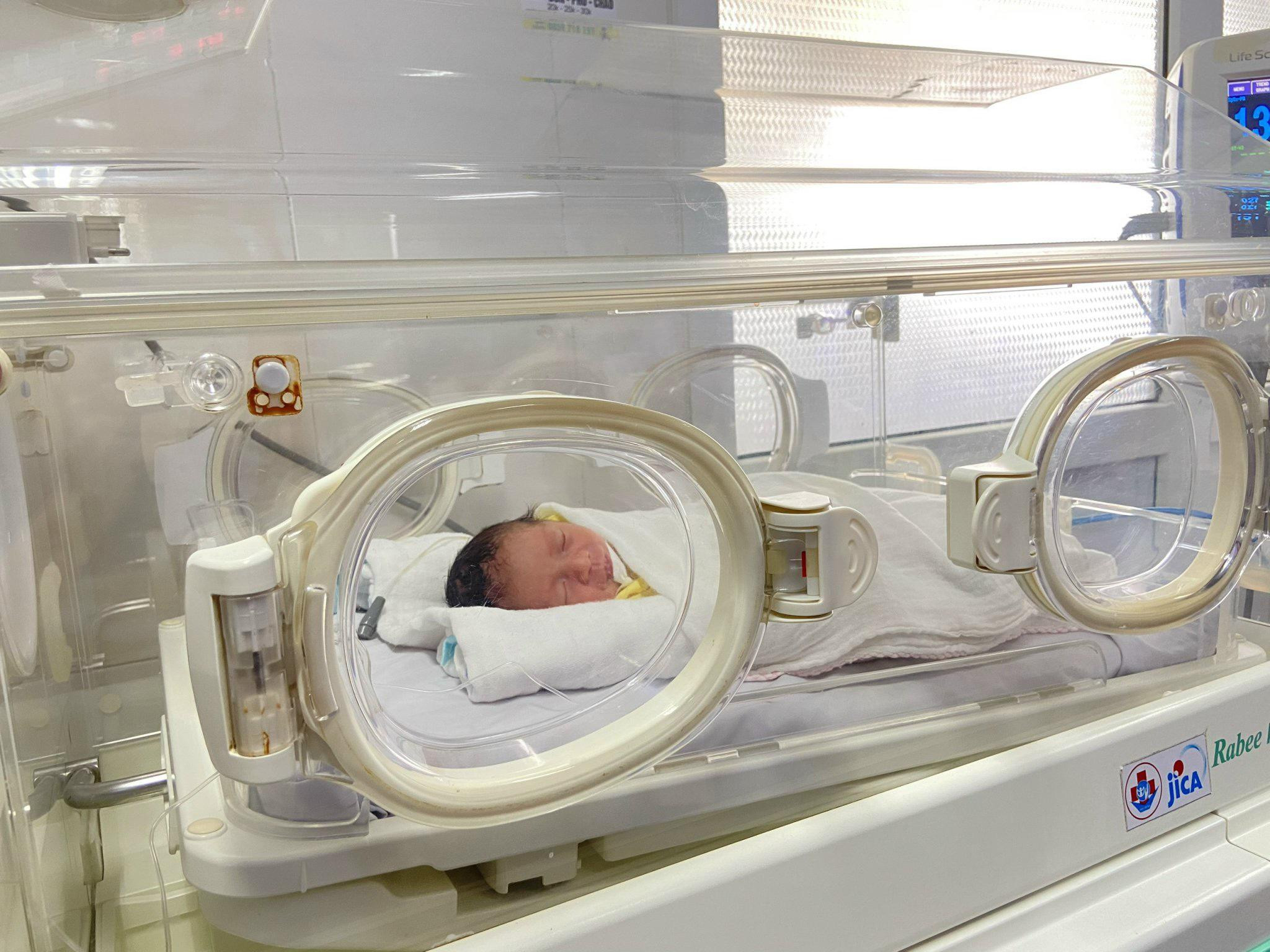 |
The child is being cared for using the Kangaroo care method. Photo: Viet Ha |
Doctors from the Neonatal Department of Nghe An Obstetrics and Pediatrics Hospital connected with neonatal specialists from the Neonatal Center of the National Children's Hospital to develop a treatment plan with aggressive measures. The baby was treated in an incubator, given intravenous nutrition, and then cared for using the Kangaroo method.
After 27 days of treatment in the Neonatal Department, the baby's weight reached 1.9 kg. The baby was breathing on its own, had a sucking reflex, and was able to breastfeed. Currently, the baby's health is stable, and it has been discharged from the hospital to return home to the loving embrace of its family.
According to Master's degree holder Doan Thi Thanh Binh, Head of the Neonatal Department: Premature babies have underdeveloped organs, especially the lungs, which are weak and immature, so they often suffer from dangerous neonatal diseases such as severe respiratory distress syndrome and neonatal infections... If they are not resuscitated promptly with modern resuscitation equipment and techniques, they may die.
Doctors at Nghe An Obstetrics and Pediatrics Hospital advise: Pregnant mothers should have regular prenatal checkups as instructed by their obstetrician, and take good care of their pregnancy to prevent premature birth. Breastfeed your baby early, within the first 1-2 hours after birth, and breastfeed exclusively to help build the baby's immunity, as breast milk already contains essential antibodies. If premature birth occurs, mothers should go to a specialized neonatal medical facility for the best possible treatment.
With extensive experience and solid expertise in obstetrics, gynecology, and pediatrics, and constantly updating modern treatment and emergency methods in obstetrics, gynecology, and pediatrics, doctors at Nghe An Obstetrics and Pediatrics Hospital have successfully diagnosed and provided timely and effective treatment, saving the lives of many premature infants born between 26 and 36 weeks of gestation. This has built public trust in the competence and skills of the medical staff and the quality of healthcare services in the province.
Kangaroo Mother Care is a method of caring for premature or low-birth-weight babies by placing them skin-to-skin on the mother's chest. Babies cared for using the Kangaroo method tend to sleep peacefully, cry less, and have a regulated sleep cycle, resulting in better sleep and the ability to wake up on their own to breastfeed.
In addition, this method helps control the baby's body temperature, maintaining it at a stable 37°C thanks to the mother's temperature. With the Kangaroo method, babies avoid episodes of apnea, their heart rate is regulated, brain development is supported, and they are less susceptible to neonatal infections and gastroesophageal reflux.


