
Reviving the value of maritime culture in the development of tourism in Nghe An.
With its long coastline and famous beaches, Nghe An also possesses a rich and unique maritime culture. However, this valuable resource has not been effectively exploited, resulting in local tourism lacking depth and sustainability.
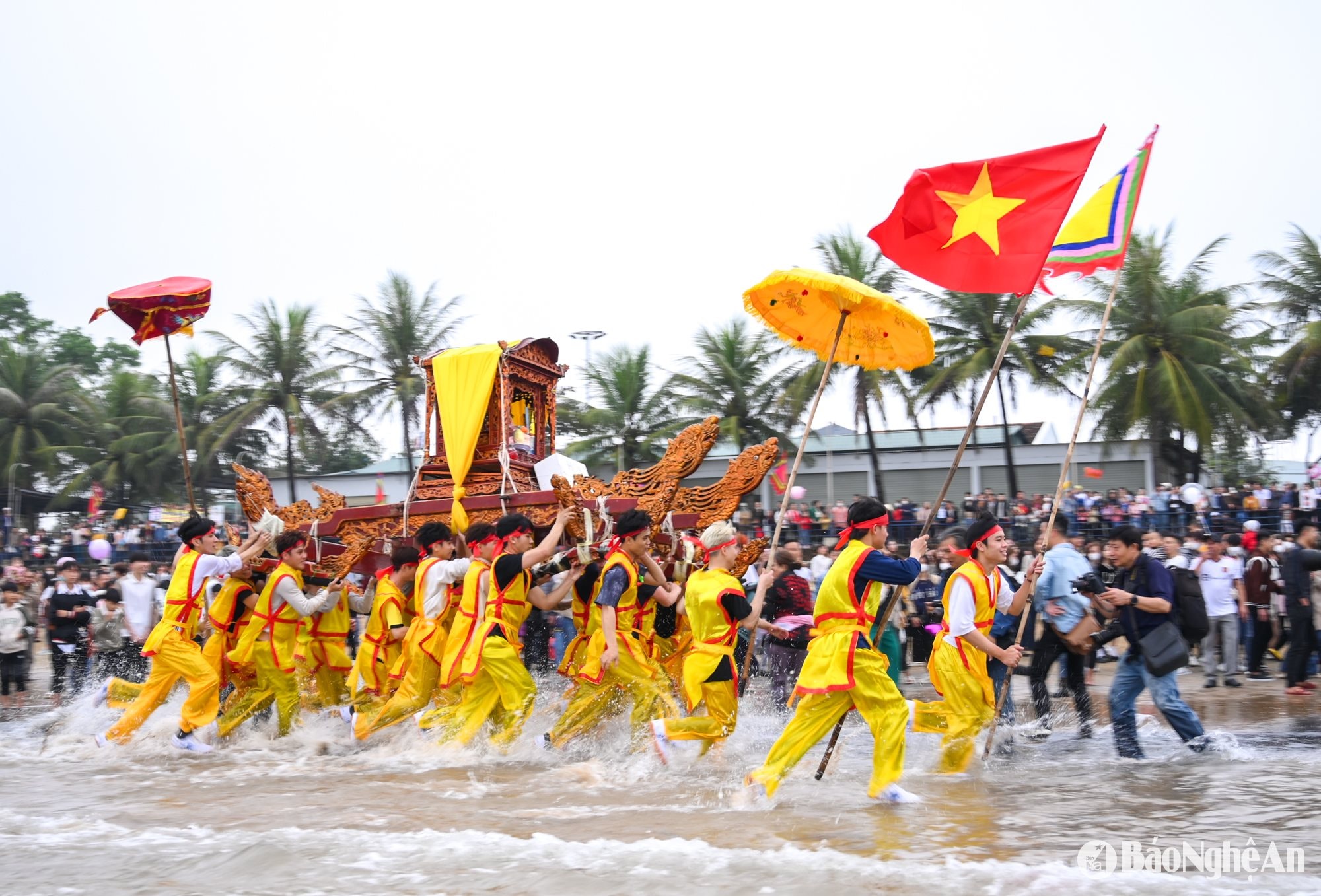
An undiscovered "treasure"
Located in Nghi Thuy ward (Vinh city),Mai Bang TempleThis is one of the typical relics representing the religious culture of the people of Cua Lo coastal region. It is a place to commemorate the ancestors who contributed to the development of the land and expansion of the territory. Every year, the temple organizes two major festivals in the second and fifth lunar months with rituals of processions, offerings to the gods, prayers for a good fishing season, and many lively folk games, attracting a large number of local people and tourists.
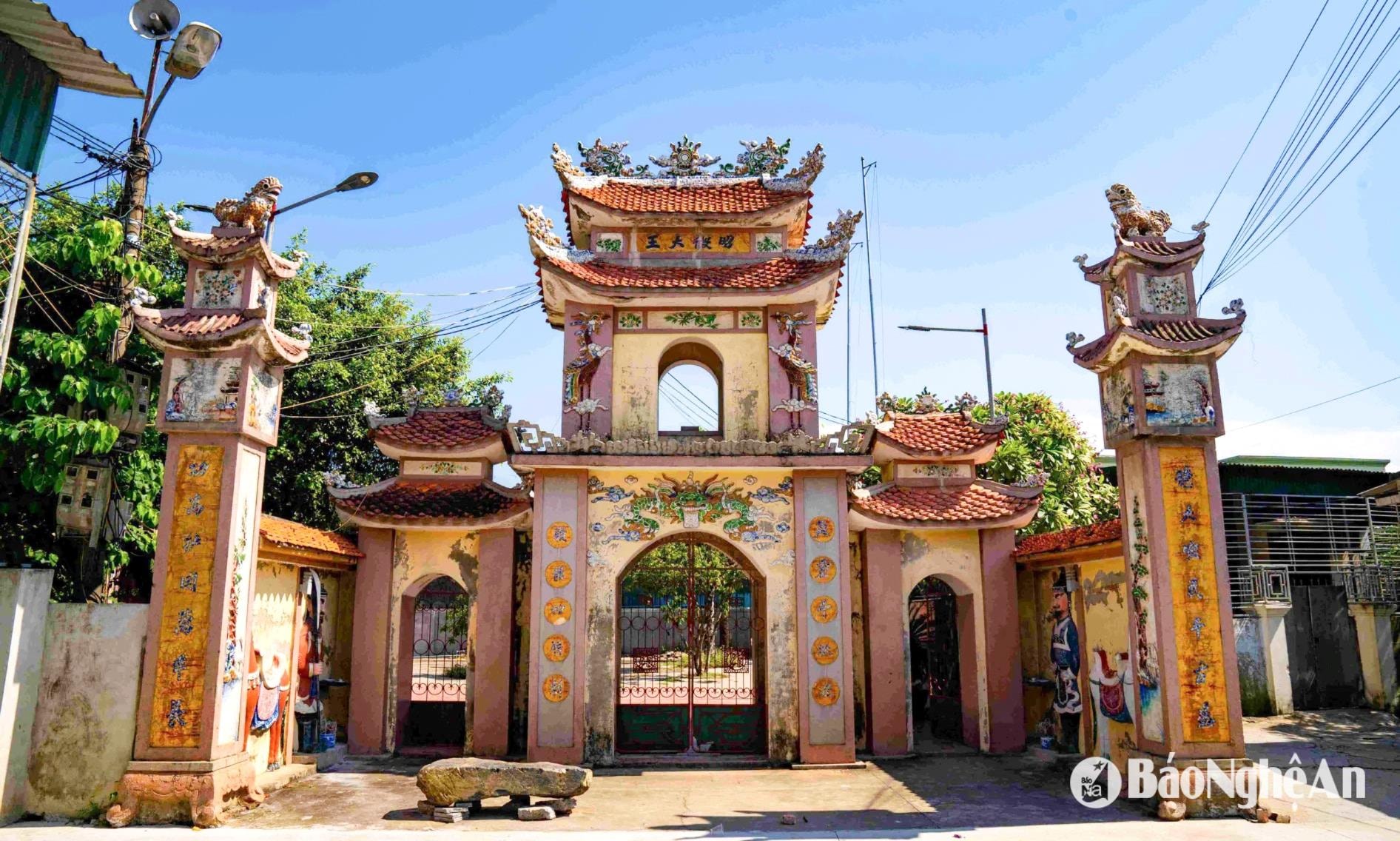
Not far from there is Yen Luong Temple – a relic from the Late Le Dynasty – where the event is held.Phuc Luc Ngoat FestivalHeld in the sixth lunar month with six major, solemn ceremonies, this is one of the most distinctive traditional festivals in the coastal region of Nghe An. The recognition of this festival as a National Intangible Cultural Heritage at the end of 2023 further affirms the value of maritime culture in the spiritual life of the people.
However, despite their historical and spiritual significance, these sites have not yet become attractive highlights in tourist itineraries. According to local leaders, festivals are held regularly and on a large scale, but outside of the festival season, the number of visitors is very low.
Tourists come to Cua Lo mainly for relaxation and beach activities, paying little attention to cultural and spiritual sites that bear the strong imprint of the sea.
Mr. Tran Xuan Vinh - Chairman of the People's Committee of Nghi Thuy Ward (Vinh City)
It is evident that, in addition to its natural beauty, Nghe An also possesses unique maritime cultural values, creating depth and a distinct identity for local tourism. The maritime culture of Nghe An is clearly expressed through its historical sites, traditional festivals, and folk craft villages. The Cau Ngu Festival, associated with the worship of the Whale God and expressing gratitude to the sea, is one of the prominent cultural features. Every year, the festival is held in many localities such as Tien Thuy commune (Quynh Luu district), Nghi Hai ward (Vinh city), Ngoc Bich commune (Dien Chau district)... with solemn rituals and spectacular festivities.
In particular, Cờn Temple in Quỳnh Phương ward (Hoàng Mai town) – one of the major centers of Mother Goddess worship in the region – also bears the strong imprint of maritime culture, with sacred festivals that attract a large number of locals and tourists.
Beyond festivals, Nghe An's maritime culture is also reflected in traditional craft villages such as salt production, fish grilling, and shipbuilding. In Trung Hau village, Dien Van commune, dozens of fish grills burn brightly every day, creating a bustling atmosphere and spreading the aroma of the sea. Although located near major tourist destinations in Dien Chau district, the craft village still lacks a well-organized exhibition area or experiential activities for tourists.
.jpg)
The traditional fish grilling craft in Trung Hau is still maintained, from selecting the fish to the manual grilling techniques. Many tourists visit out of curiosity to learn and participate, but the village lacks the resources to organize official guidance or promotional activities. The desire to promote the village's culture and create new livelihoods for the people still faces many obstacles regarding resources and support mechanisms.
An open approach based on experience and community tourism.
In the context of tourism shifting strongly from sightseeing and relaxation to experiential and exploratory tourism, the cultural value of the sea needs to be properly exploited to create a unique identity for Nghe An tourism. In reality, many tourists today not only want to swim in the sea but also want to immerse themselves in the lives of fishermen, participate in fishing festivals, boat races, listen to folk songs, or even try their hand at grilling fish and making fish sauce.
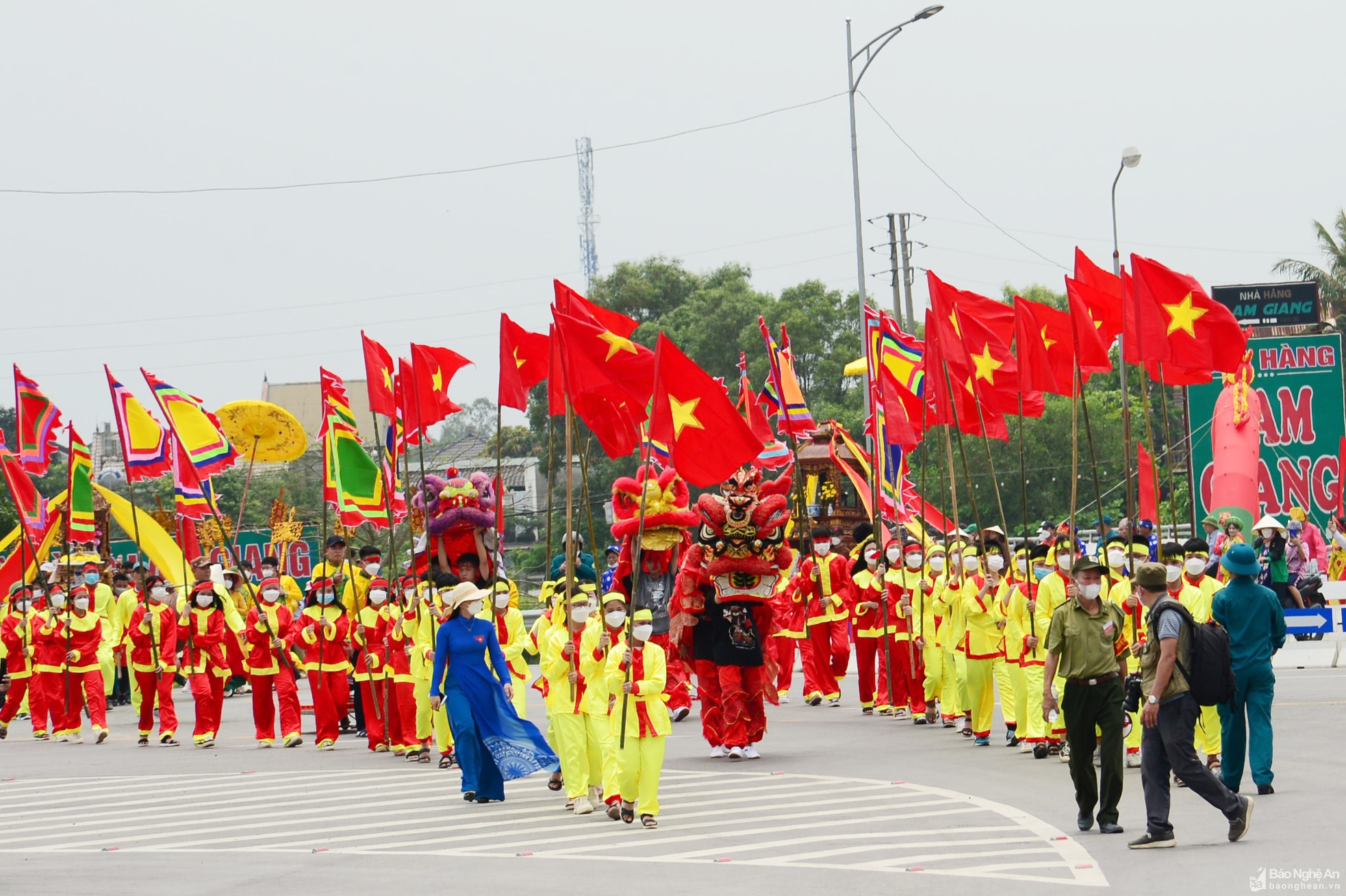
However, the summer climate in the coastal region of Nghe An is often harsh, limiting outdoor activities. This requires flexibility in tourism product design, focusing on tours that combine relaxation and cultural exploration, such as taking tourists to craft villages, visiting historical sites, enjoying seafood cuisine and folk songs in a cool environment, with reasonable timing and content.
In many other localities, the model of linking cultural heritage with tourism has yielded clear results. In Thanh Hoa, tourists visiting Sam Son beach can also visit Doc Cuoc Temple, Co Tien Pagoda, or Trong Mai Island – destinations associated with folk culture. In the South Central region, the Cau Ngu festivals are organized on a large scale and integrated into the Nha Trang – Khanh Hoa Sea Festival as a highlight attracting tens of thousands of domestic and international tourists.
Meanwhile, in Nghe An, themed tours focusing on fishing villages, traditional festivals, or the lives of fishermen are still lacking. The absence of in-depth tourism products means that Nghe An's tourism is heavily dependent on the summer season and lacks a strong connection with local identity.
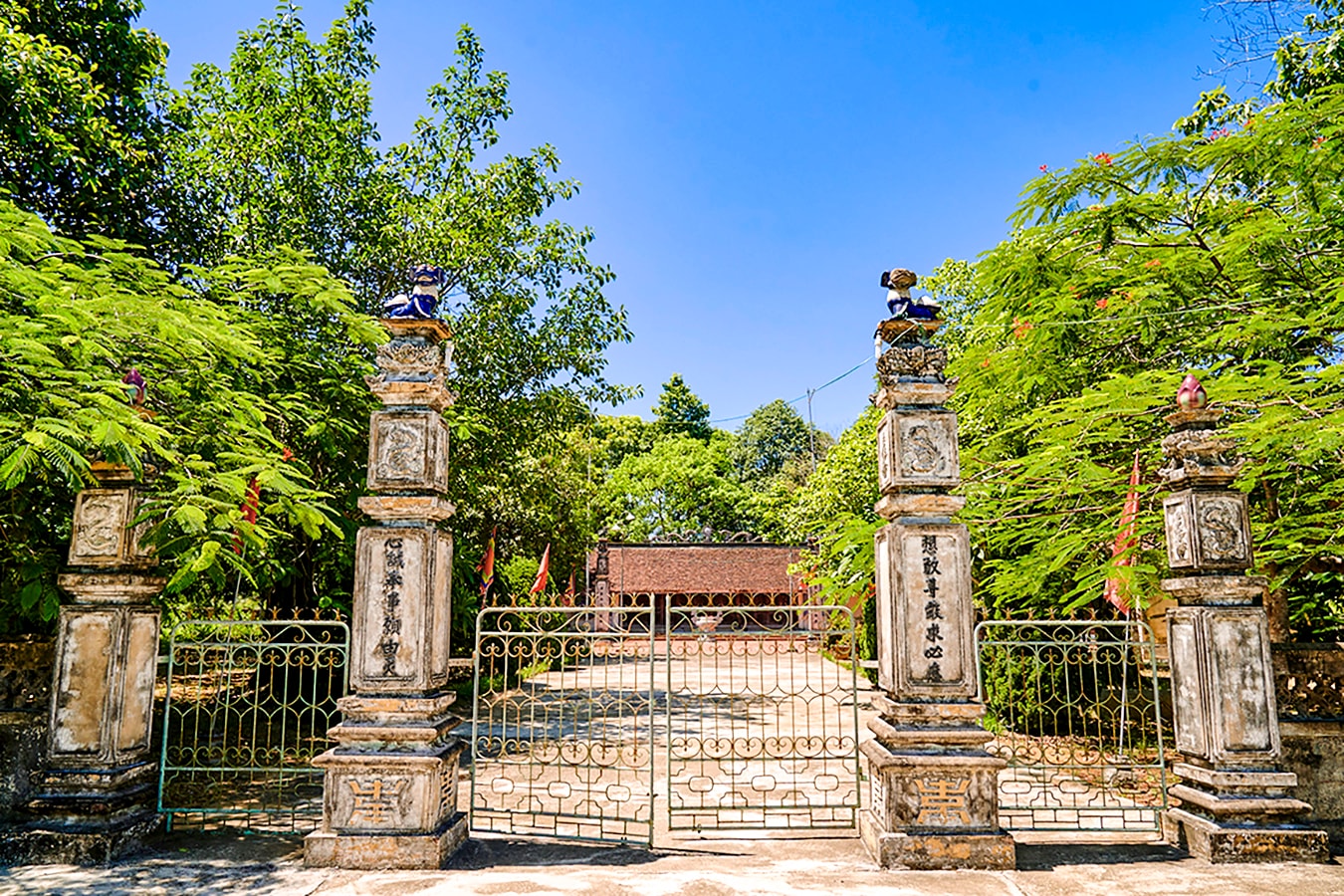
Sharing his thoughts during his visit to Nghe An to attend the 2025 Lotus Village Festival, Mr. Cao Tri Dung – Chairman of the Vietnam Travel Association – stated: “To develop sustainable coastal tourism, Nghe An needs more unique experiential tourism products to attract tourists year-round, including in winter. To achieve this, it requires the involvement of dedicated investors, working closely with the government and local communities.”
According to Mr. Dung, a practical approach is to develop community tourism linked to intangible cultural heritage such as folk songs (Vi and Giam), the Fishing Festival, combined with tours of traditional craft villages, and experiences of fishermen's lives: going out to sea to fish, learning how to grill fish, make salt, fish sauce, and process seafood...
Activities such as visiting traditional craft villages and experiencing the lives of fishermen not only increase interaction and extend the length of stay, but also add value to tourism and contribute to the preservation of coastal culture.
In addition, the locality needs to invest in building a space for showcasing marine culture – a place to recreate the life of fishermen, organize simulated festivals, introduce traditional crafts, display marine products, and perform folk songs and dances, creating special stops for tourists to fully explore the coastal culture of Nghe An province.
Mr. Cao Tri Dung – President of the Vietnam Travel Association


