
How to use the accelerator pedal in a car to save fuel and stay safe?
The habit of pressing both the accelerator and brake pedals simultaneously will cause brake wear, waste fuel, and in the long run, damage the car's engine.
Therefore, pay attention to the proper techniques for pressing the accelerator pedal to avoid these harmful effects and maintain the car's strong performance.
Press the accelerator when starting the car.
When starting the car, drivers should avoid rushing and performing actions too quickly. Slowly press the accelerator, using the ball of your foot to push the pedal down, and wait until the engine starts. Then, gradually reduce the throttle to allow the engine to idle. During this step, slowly lift your foot. The return spring will simultaneously push the accelerator pedal back to its original position.
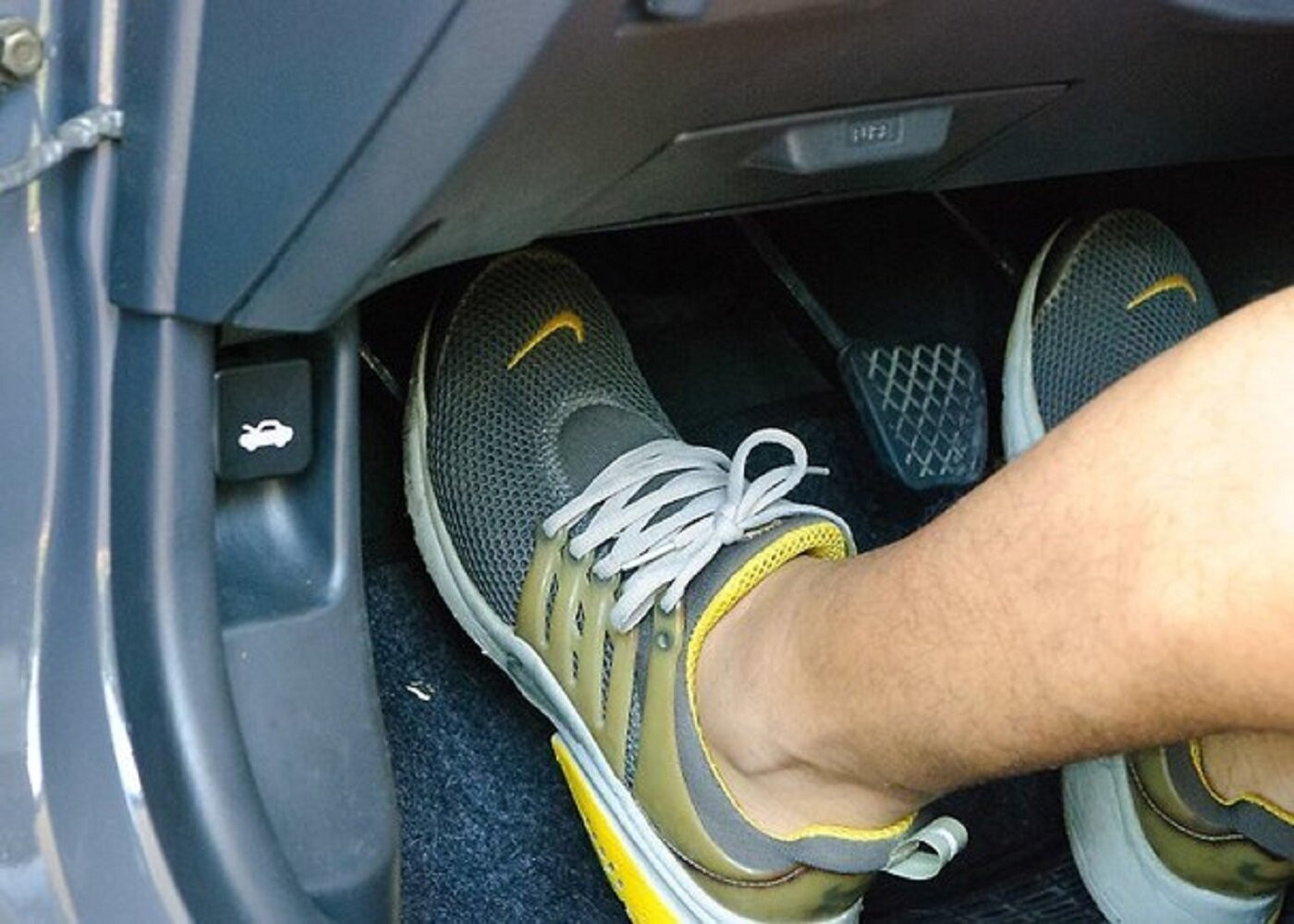
Gently increase the throttle to move.
After starting, a car at rest typically has a lot of inertia. To move the car without wasting fuel due to increased traction, drivers should gently increase the throttle.
In some situations, the engine is very prone to suddenly stalling, especially when the vehicle load or road resistance is too high. The solution is to press the accelerator pedal firmly and steadily, but not too hard.
Avoid pressing the accelerator suddenly to increase speed.
During operation, if acceleration is needed, the key is to gently press the gas pedal to gradually increase the vehicle's speed. This technique helps maintain the lifespan of the engine and ensures the safety of the occupants by preventing sudden acceleration.
Release the throttle gradually to reduce speed.
Conversely, when you want to reduce the car's speed while optimizing fuel efficiency, release the accelerator gradually. Additionally, to maintain the car's current motion (without accelerating or decelerating for an extended period), pay attention to the speedometer and adjust the accelerator pedal to a certain level.
In this operation, many people mistakenly believe that simply holding down the accelerator pedal will keep the car moving smoothly. However, in reality, this action will cause the car to fluctuate in speed because it is also affected by the resistance of the road surface.
Increase the throttle when you need to shift to a lower gear.
To shift from a higher to a lower gear while driving, drivers should remember to press the accelerator to ensure consistent speed during the gear change. This skill will help drivers avoid jamming or chipping the gears in the transmission and prevent unpleasant noises.
Maintain a safe distance.
One of the key principles for saving fuel while driving is maintaining a safe distance from the vehicle in front. This helps drivers avoid sudden braking situations that waste fuel. At the same time, maintaining a safe distance from other vehicles allows drivers to control their vehicles at a steady speed, resulting in greater fuel efficiency.
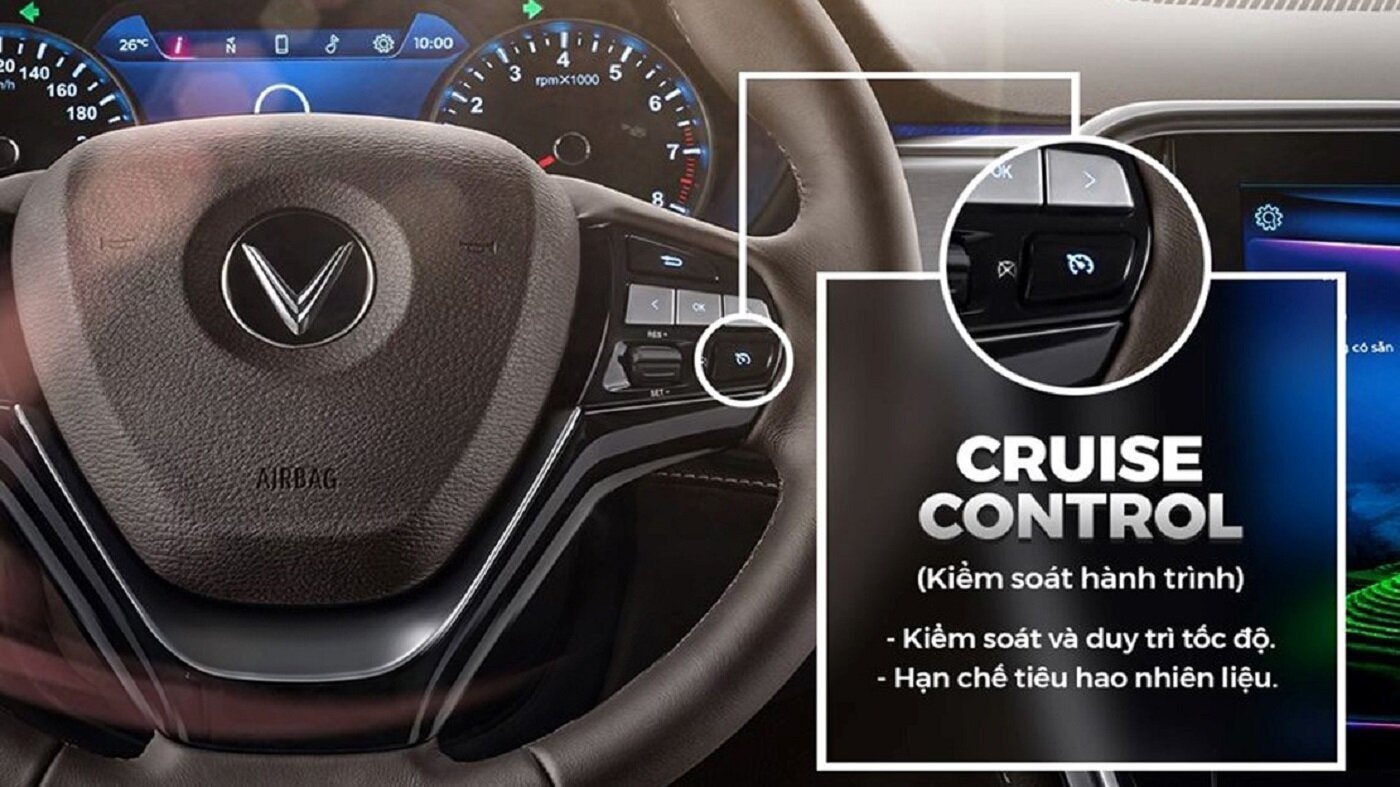
Use Cruise Control
Cruise Control is a system that assists the vehicle in maintaining a stable speed by controlling the throttle opening. Using Cruise Control helps to stabilize the engine's RPM more effectively than manually controlling the accelerator pedal. Therefore, utilizing this built-in function helps the car maintain a stable average speed while saving fuel. Using Cruise Control when driving on highways or open roads is an effective way to save fuel.


