
A formal nuclear agreement was reached with Iran.
(Baonghean.vn) - The Associated Press reported that a landmark agreement on the Iranian nuclear issue was reached on July 14 after overcoming the last remaining obstacles. A senior diplomat said the agreement includes a compromise between Washington and Tehran that will allow UN inspectors to conduct forceful visits to Iranian military facilities within their oversight responsibilities.
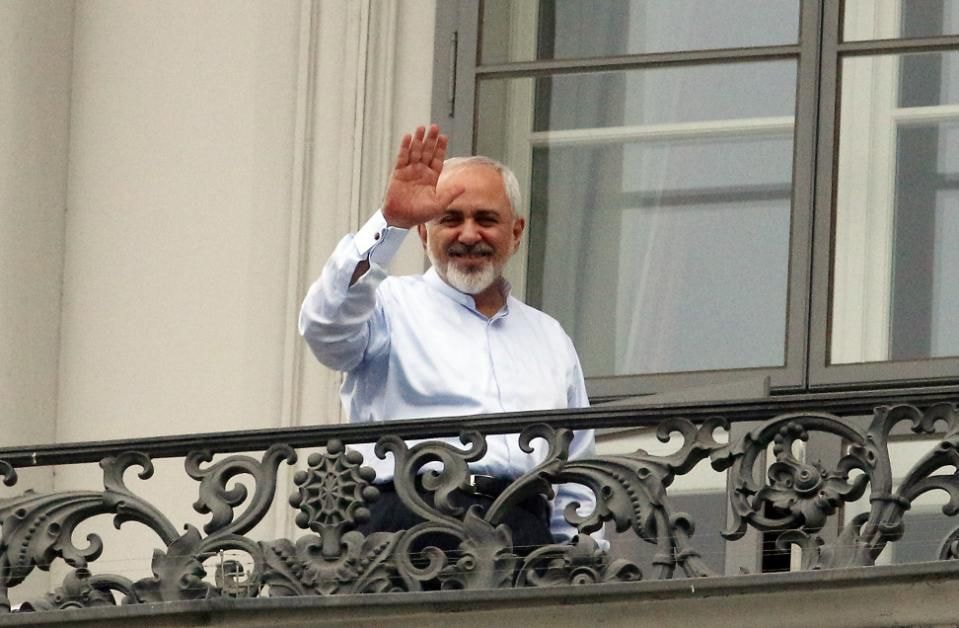 |
Iranian Foreign Minister Mohammad Javad Zarif waves to reporters from the balcony of the Palais Coburg in Vienna, Austria, where closed-door nuclear talks with Iran took place on July 13. Photo: AP. |
But free access to any facility is not guaranteed, and even if it is, it could still be delayed—a provision critics of the deal will certainly pursue as it could give Tehran time to cover up signs of non-compliance with its commitments.
According to the agreement, Tehran will have the right to reject the UN's request, and the arbitration panel, comprising Iran and six world powers negotiating with it, will have to decide on the matter.
Such an agreement would still represent a notable shift from the insistence of top Iranian officials that their country would never allow the United Nations International Atomic Energy Agency (IAEA) access to such facilities. Iran has argued that IAEA inspections would be a cover for espionage against its military secrets.
On the morning of July 14th, the European Union announced that the final plenary session of Iran and the group of six negotiating countries would take place at 10:30 local time in Vienna (3:30 PM Hanoi time), followed immediately by a press conference. A Western diplomat said they would confirm the agreement reached early in the morning. The diplomat requested anonymity because he was not authorized to comment on the highly confidential negotiations.
While access is a key part of monitoring the planned reductions in Tehran's current nuclear activities, it is also crucial for the IAEA as it attempts to restart, after nearly a decade of suspension, its efforts to prove allegations that Iran has produced nuclear weapons. Washington says Iran must cooperate with the IAEA as part of a general agreement before all sanctions against it can be lifted.
The Iranians insist they have never conducted any weapons-related activities and have rejected IAEA requests to visit facilities where the agency suspects such work is taking place, including Parchin, the military complex near Tehran that the IAEA believes has conducted tests of explosives related to a nuclear reactor.
Iran's approval in principle for access to military facilities would grant the agency special authority in efforts to gain ground access to the facilities and to fulfill requests previously rejected by Tehran to interview scientists suspected of involvement in work allegedly related to nuclear weapons.
Any agreement will be submitted to the United Nations Security Council, which is expected to certify it later this month, in order to initiate enforcement mechanisms – long-term restrictions on Iran's nuclear programs that may have been used to produce weapons in exchange for lifting sanctions against the Islamic Republic.
Thu Giang
(According to AP)


